Growing scallions from roots
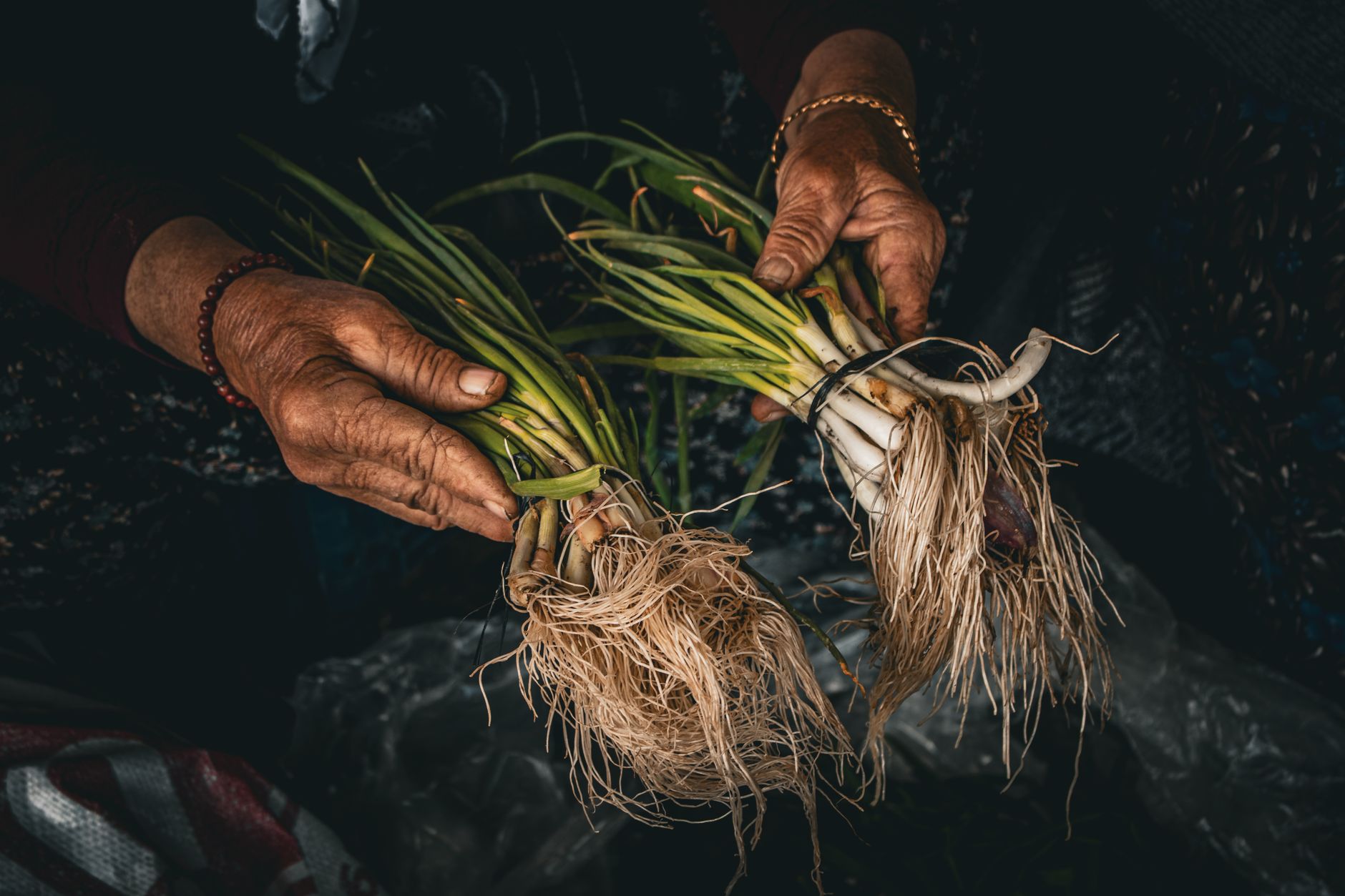
Learn how to regrow scallions from kitchen scraps in soil or water. Simple steps, real varieties, and realistic yields for 2026.
Yes, you can regrow scallions from the rooted root ends you’d normally toss. It works, but with a caveat: you get one or two harvests from the same roots, not endless regrowth. The method is simple, costs nothing, and gives you a steady supply of green tops for salads, stir-fries, and garnishes. Here’s how to do it right, with real numbers and varieties that perform.
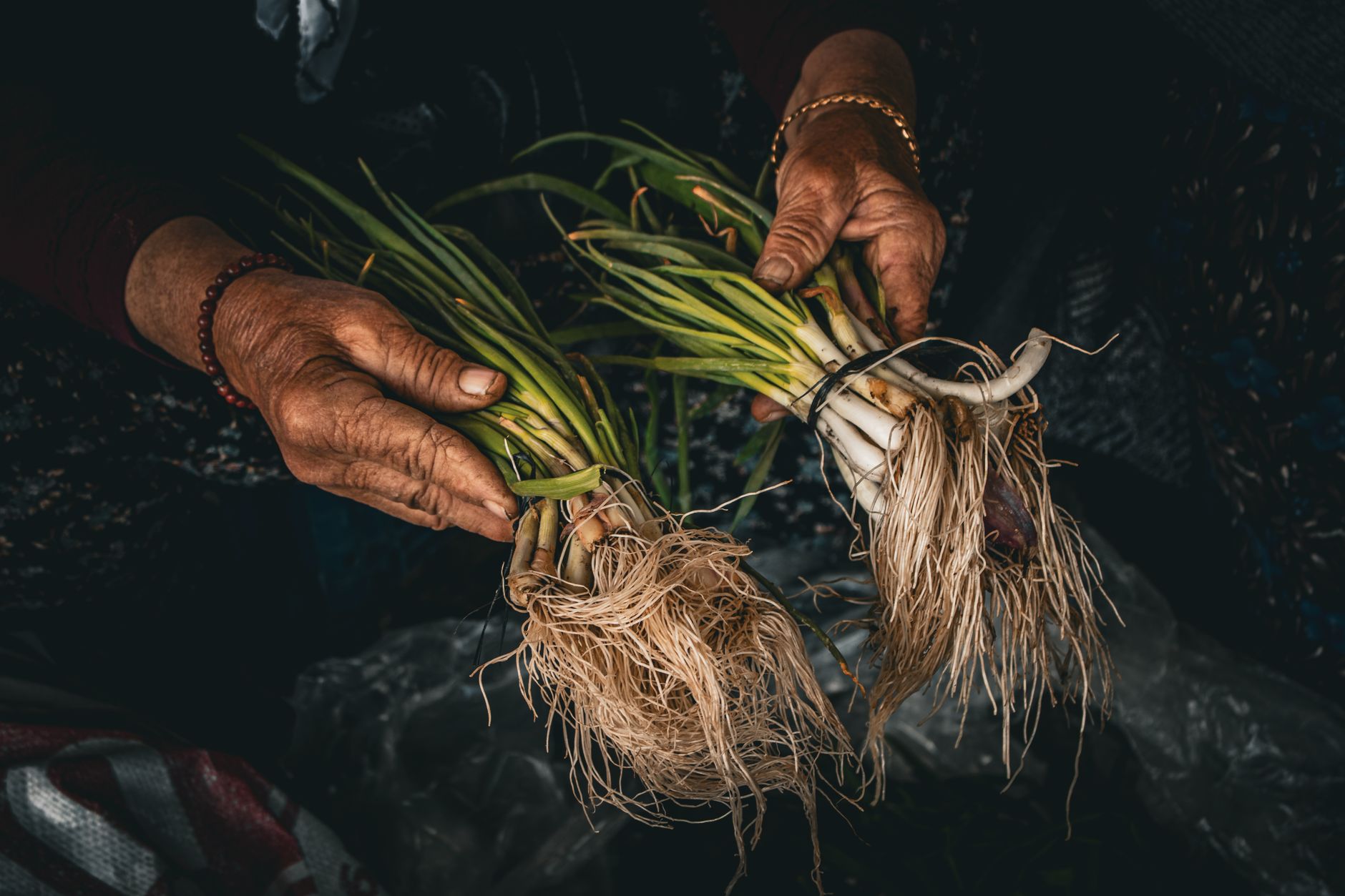
Why regrow scallions at all?
Regrowing scallions from roots is a free, low-effort way to get fresh greens in about 2 to 3 weeks. It’s not a substitute for planting seeds or sets if you want full-sized bulbs, but it’s perfect for windowsill gardening or extending a harvest. The process works because the base of the scallion contains meristem tissue that c
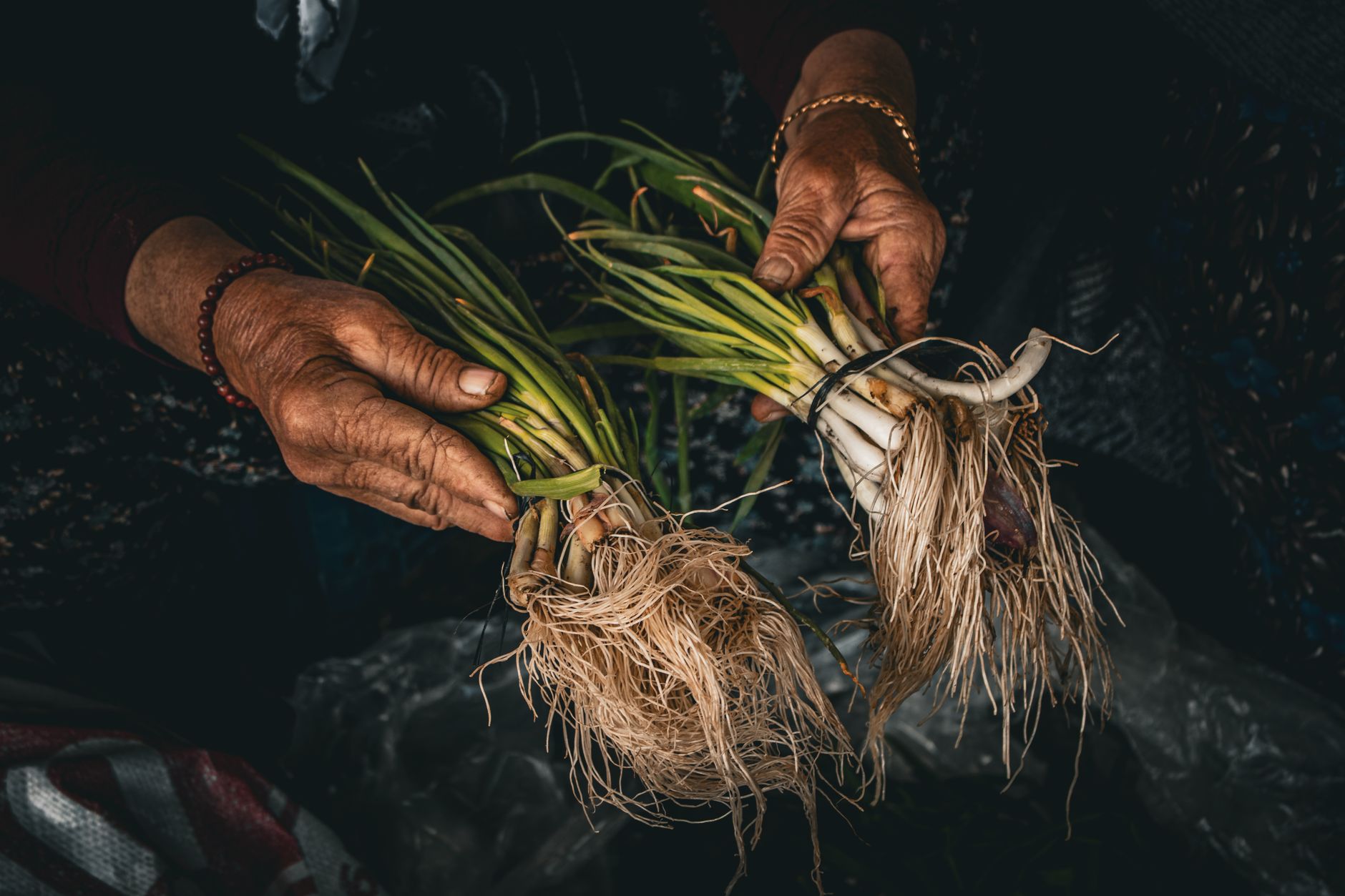 an produce new leaves. You’re essentially forcing the plant to regrow its tops, not its bulb.
Step-by-step: regrowing in water (the easy start)
- Save the roots: When you use scallions, cut off the top 4 to 5 inches, leaving the root end with about 1 inch of white base. Use a sharp knife for a clean cut.
- Place in water: Put the root ends in a glass or jar with about 1 inch of water, root side down. Use a small jar or shot glass so they stand upright. Change the water every day or two to prevent bacteria.
- Wait for growth: In 3 to 5 days, you’ll see new green shoots emerging from the center. In 7 to 10 days, they’ll be 3 to 4 inches tall.
- Harvest or transplant: You can snip the greens as needed, leaving the base to regrow. Or, once roots are 1 inch long, transplant them into soil for stronger growth.
The better long-term method: transplanting to soil
Water regrowing works, but soil-grown scallions have more flavor and last longer. Here’s the transplant method:
- Prepare a pot or garden bed: Use a pot at least 6 inches deep with drainage holes, or a garden bed with loose, well-draining soil. Scallions prefer a pH of 6.0 to 7.0.
- Plant the root ends: After water rooting, plant each root end 1 inch deep, spacing them 2 inches apart. If planting in rows, space rows 6 inches apart.
- Water and place in sun: Keep soil consistently moist, not soggy. Place in full sun (at least 6 hours) or under a grow light for 12 hours a day.
- Fertilize lightly: Every 2 weeks, apply a balanced liquid fertilizer (like 10-10-10) at half strength. This supports regrowth.
- Harvest: Cut the greens when they reach 6 to 8 inches tall, about 2 to 3 weeks after transplanting. Cut 1 inch above the root base, and they’ll regrow once or twice more.
Varieties that regrow best
Not all scallions are equal for regrowing. Look for bunched scallions (also called green onions) rather than bulb-forming types. These varieties are reliable:
| Variety | Days to maturity (from seed) | Regrow performance | Notes |
|---|---|---|---|
| ‘White Lisbon’ | 60 | Excellent | Classic, hardy, mild flavor |
| ‘Evergreen White’ | 65 | Very good | Cold-tolerant, vigorous |
| ‘Red Beard’ | 70 | Good | Purple-tinged, slightly spicy |
| ‘Nabechan’ | 65 | Excellent | Japanese bunching, fast regrowth |
If you buy scallions from the store, choose ones with firm, white roots and no slime. Organic ones often regrow better because they haven’t been treated with growth inhibitors.
Realistic yields and timeframes
Here’s what you can expect, based on my experience and common reports:
- First harvest: 2 to 3 weeks after starting in water or soil.
- Regrowth cycles: 2 to 3 harvests per root base, then the plant weakens.
- Yield per root: About 1 to 2 ounces of greens per harvest. A bunch of 10 roots gives you roughly 10 to 20 ounces over a month.
- Cost: Free if using kitchen scraps. If buying organic scallions for regrowing, a bunch costs $1.50 to $3.00 in 2026.
Common mistakes and fixes
- Slimy roots: Change water daily, and don’t let roots sit in water too long once they have 1-inch roots. Transplant to soil.
- Leggy, pale growth: Not enough light. Move to a sunny windowsill or add a grow light.
- No regrowth after second cut: The plant has used up its energy. Compost the roots and start fresh.
- Bulb formation: Some varieties will try to bulb if they get too much light or heat. Harvest before that happens.
FAQ
Can I regrow scallions indefinitely?
No. You’ll get 2 to 3 harvests per root base, then the plant’s energy depletes. After that, it’s better to plant seeds or sets for a continuous supply.
Do I need to use rooting hormone?
No. Scallion roots form naturally in water or soil. Hormones are unnecessary and add cost.
Can I regrow scallions in winter?
Yes, indoors on a sunny windowsill or under a grow light. They need 6 to 8 hours of light and temperatures between 60°F and 70°F. Growth slows in low light, so expect longer times.
What’s the difference between scallions and green onions?
In most US markets, they’re the same thing: immature onions harvested before bulb formation. Some varieties are bunching onions (never bulb), while others are regular onions pulled early. Both regrow similarly.
The bottom line
Regrowing scallions from roots is a simple, zero-cost way to get fresh greens in weeks. It’s not a perpetual harvest, but it’s a practical way to reduce waste and have a small supply on hand. Start with a bunch of organic scallions, use the tops in your cooking, and root the bases in a glass of water. Once roots form, transplant to soil for the best results. With 2 to 3 harvests per root, you’ll get your money’s worth. For a continuous supply, rotate new batches every 2 weeks. It’s a small step, but it’s one that works.