Growing onions for beginners
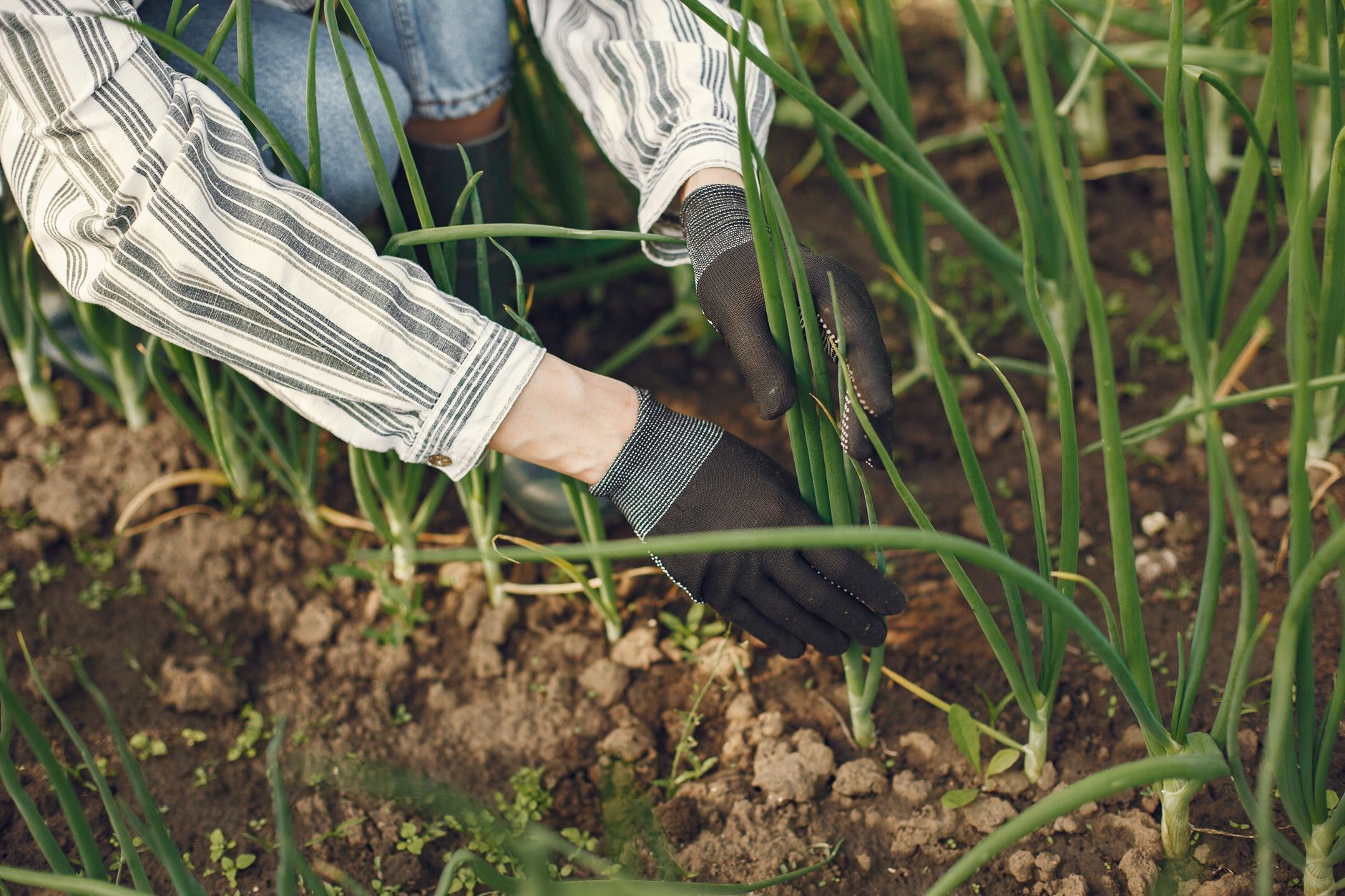
Learn how to grow onions from sets or seeds with simple steps, variety picks, and timing for your zone. Avoid common mistakes and get a real harvest.
If you want to grow onions, start with sets (small bulbs) for the easiest success, or seeds if you want more variety. Plant them in early spring as soon as the soil can be worked, about 4 to 6 weeks before the last frost. Onions need full sun, loose soil, and steady moisture, and they are ready to harvest in 90 to 120 days depending on the type. Here is the straightforward path from soil to storage.
Choose the right onion type for your day length
Onions bulb based on daylight hours, so pick the right type for your latitude. In the North (zones 6 and colder), choose long-day varieties. In the South (zones 7 and warmer), choose short-day varieties. In between, intermediate or day-neutral types work well.
| Type | Best zones | Examples | When to plant |
|---|---|---|---|
| Long-day | 3-6 | ‘Yellow Sweet Spanish’, ‘Walla Walla’, ‘Red Wing’ | Early spring (April) |
| Short-day | 7-10 | ‘Texas SuperSweet’, ‘Red Creole’, ‘White Bermuda’ | Fall or late winter (Oct-Feb in mild areas) |
| Intermediate | 6-7 | ‘Candy’, ‘Superstar’, ‘Red Candy Apple’ | Early spring |
If you are unsure, ask at a local nursery or check
 with your extension office. Planting the wrong type leads to small bulbs or no bulbs at all.
Start from sets, transplants, or seeds
Sets are the easiest for beginners. They are small, dormant bulbs that grow quickly and are less fussy. Transplants (young seedlings) are also easy and give you more variety. Seeds are cheapest but need 8 to 10 weeks indoors before planting out.
- Sets: Plant 1 inch deep, spaced 4 inches apart. Water well. Expect about 90% to sprout. Cost: $8 to $12 for a pound, which plants about 50 feet.
- Transplants: Plant at the same depth as in the pot, spaced 4 inches apart. Water in. Cost: $10 to $15 for a bundle of 50.
- Seeds: Start indoors 8 to 10 weeks before last frost. Sow 1/4 inch deep in trays. Harden off before planting out. Cost: $3 to $5 per packet.
For a first crop, I recommend sets. They are forgiving and give you a harvest in the same season.
Prepare the soil and plant
Onions prefer loose, well-drained soil with a pH between 6.0 and 7.0. Work in 2 inches of compost or aged manure before planting. Avoid fresh manure, which can cause rot.
Plant sets pointy side up, 1 inch deep, with the tip just below the surface. Space them 4 inches apart in rows 12 inches apart. If you want larger bulbs, space them 6 inches apart. Water thoroughly after planting.
Care through the season
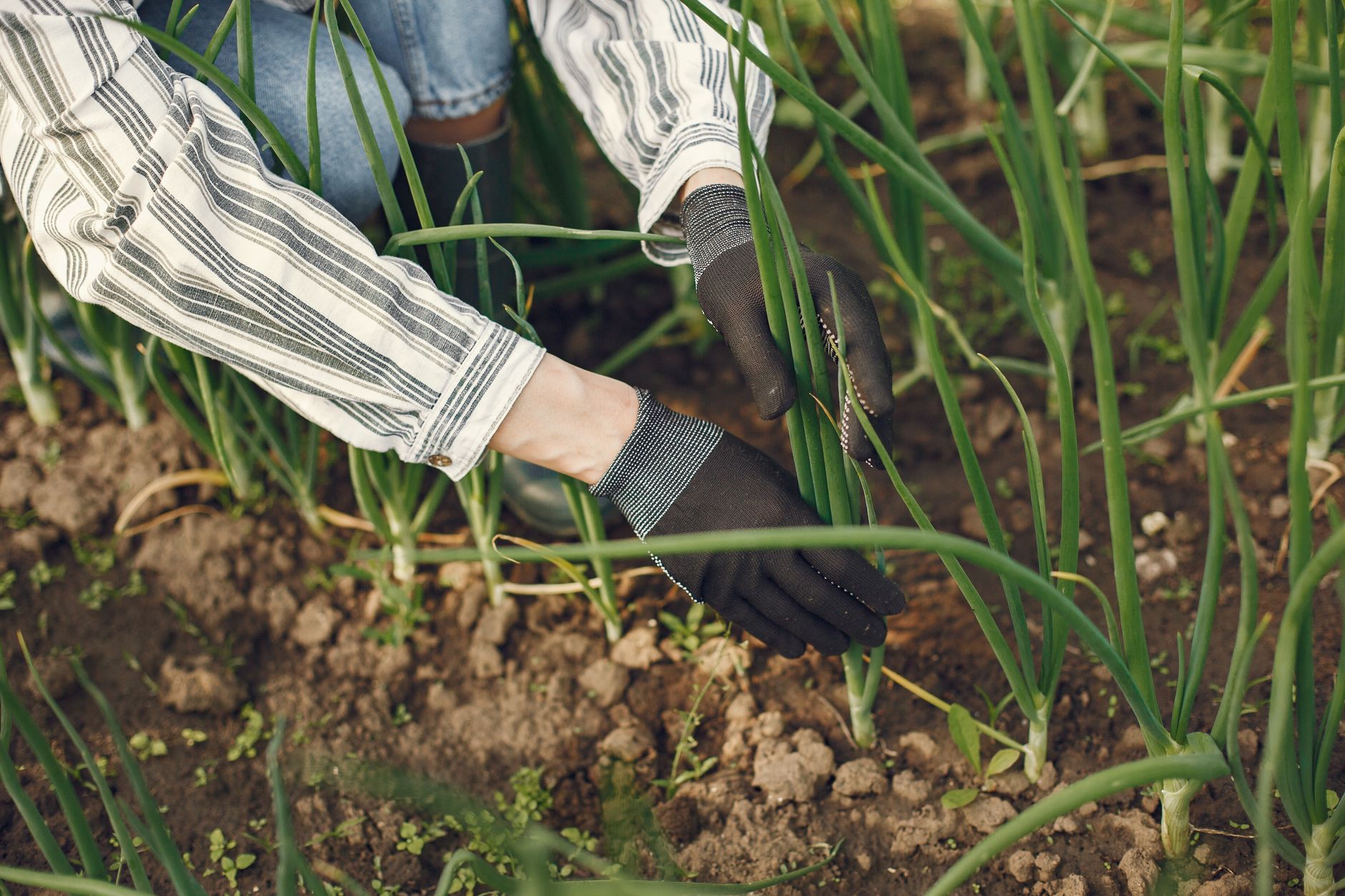
Keep the soil consistently moist but not soggy. Onions have shallow roots, so they need regular water, about 1 inch per week. Mulch with straw or grass clippings to retain moisture and suppress weeds.
Fertilize three times: when plants are 6 inches tall, when bulbs start to swell, and again two weeks later. Use a balanced fertilizer like 10-10-10 at a rate of 1/2 cup per 10 feet of row. Side-dress and water in.
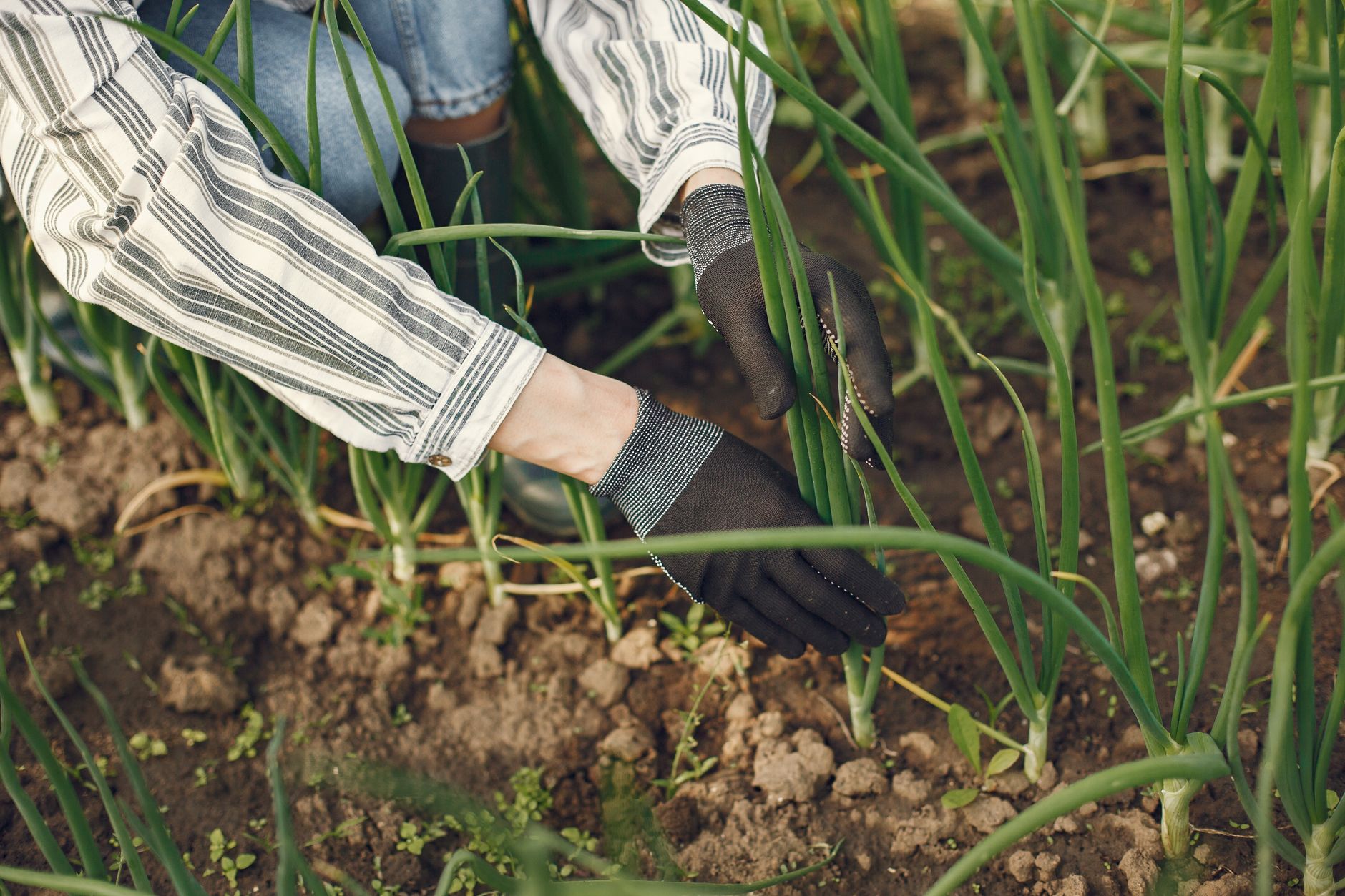
Weeds are your biggest enemy. They compete for nutrients and water. Pull them by hand or use a hoe carefully, as onion roots are shallow.
Harvest and cure
Harvest when the tops flop over and start to yellow, usually 90 to 120 days after planting. Loosen the soil with a fork, then pull the onions. Do not wash them. Instead, cure them in a warm, dry, airy place for 2 to 3 weeks. Hang them in bunches or lay them on a screen.
After curing, cut the tops down to 1 inch and trim the roots. Store in a cool, dry place (40 to 50°F) in mesh bags or a single layer. Good curing gives you months of storage.
Common problems and fixes
- Bolting (flowering): Caused by cold snaps or planting too early. Plant at the right time and choose bolt-resistant varieties.
- Rotting: Too much water or poor drainage. Improve soil with compost and avoid overwatering.
- Pests: Onion maggots can be a problem. Use row covers early in the season and rotate crops.
- Small bulbs: Often due to wrong day length, overcrowding, or too little water. Check your variety and spacing.
FAQ
Can I grow onions in containers? Yes. Use a pot at least 10 inches deep and 12 inches wide. Plant sets 4 inches apart. Water more often, as containers dry out faster. Expect smaller bulbs but still a good harvest.
When do I plant onions in zone 7? In zone 7, plant short-day varieties in fall (October to November) for a spring harvest, or in late winter (February) for a summer harvest. Long-day types will not bulb well.
How do I know when onions are ready? The tops will flop over and turn yellow. That is the signal. Do not wait too long, or they may rot in the ground.
Can I regrow onions from kitchen scraps? You can regrow green tops from the root end of an onion, but you will not get a full bulb. It is a fun experiment, not a reliable crop.
The bottom line
Growing onions is straightforward if you pick the right type for your zone, plant at the right time, and keep the soil moist and weed-free. Start with sets for your first try, give them 4 to 6 inches of space, and harvest when the tops flop. With a little care, you will have a pantry full of onions by midsummer. For a 10-foot row, expect 20 to 30 onions, which is plenty for most families.