Green onions vs scallions
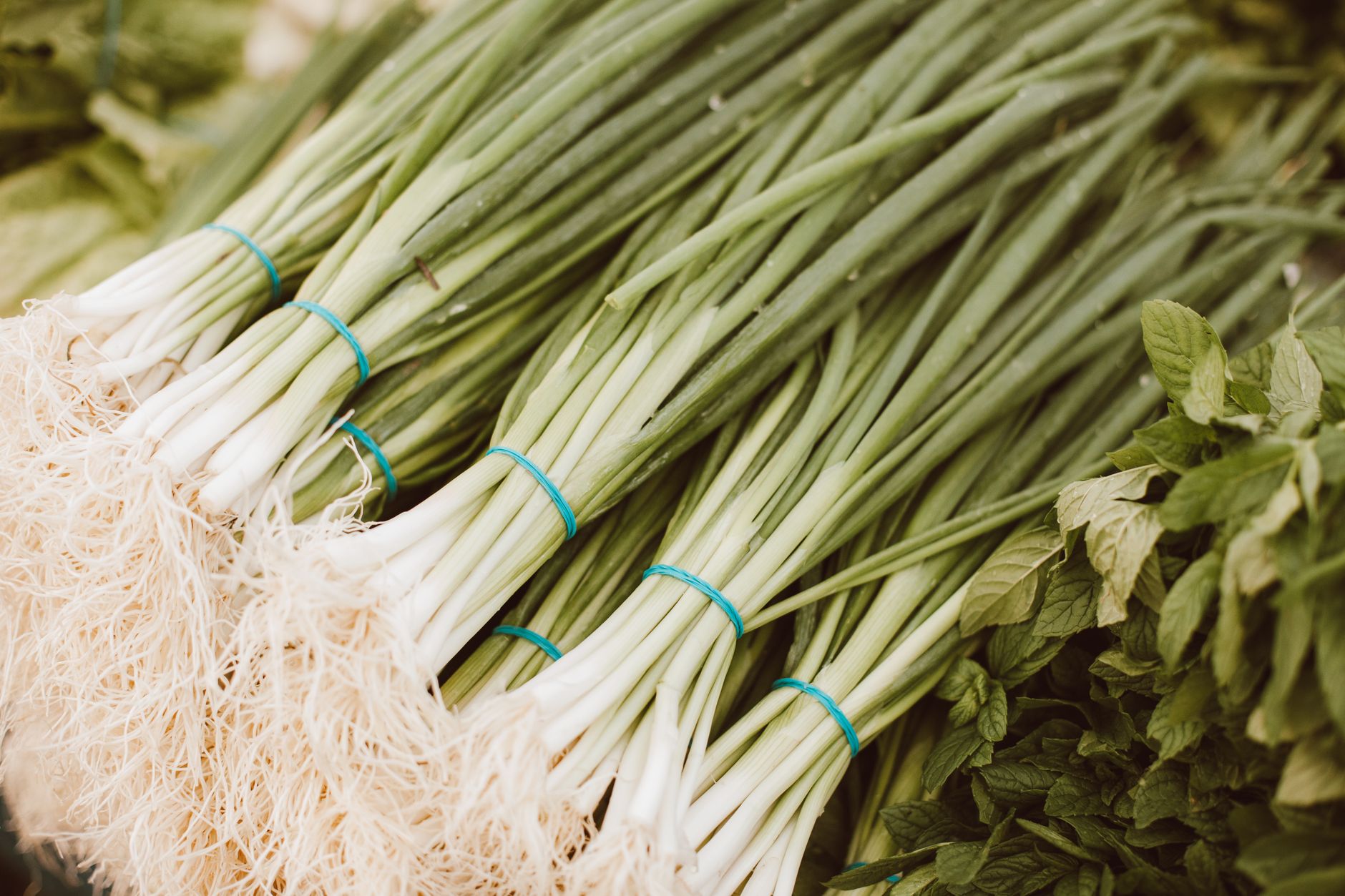
Learn the real difference between green onions and scallions, which to plant, and how to grow them for continuous harvests in your garden.
If you have ever stood in the produce aisle wondering if green onions and scallions are the same thing, here is the short answer: they are the same plant, Allium fistulosum, but the name depends on when you harvest and which variety you grow. In the United States, “scallion” usually refers to a young onion pulled before the bulb forms, while “green onion” can mean either a scallion or a young bulb onion with green tops. For the home gardener, the practical difference is what you want to eat: thin, mild scallions for salads and garnishes, or slightly thicker green onions with a small white bulb for cooking. This guide will help you choose the right type, plant it, and harvest it for months of fresh alliums.
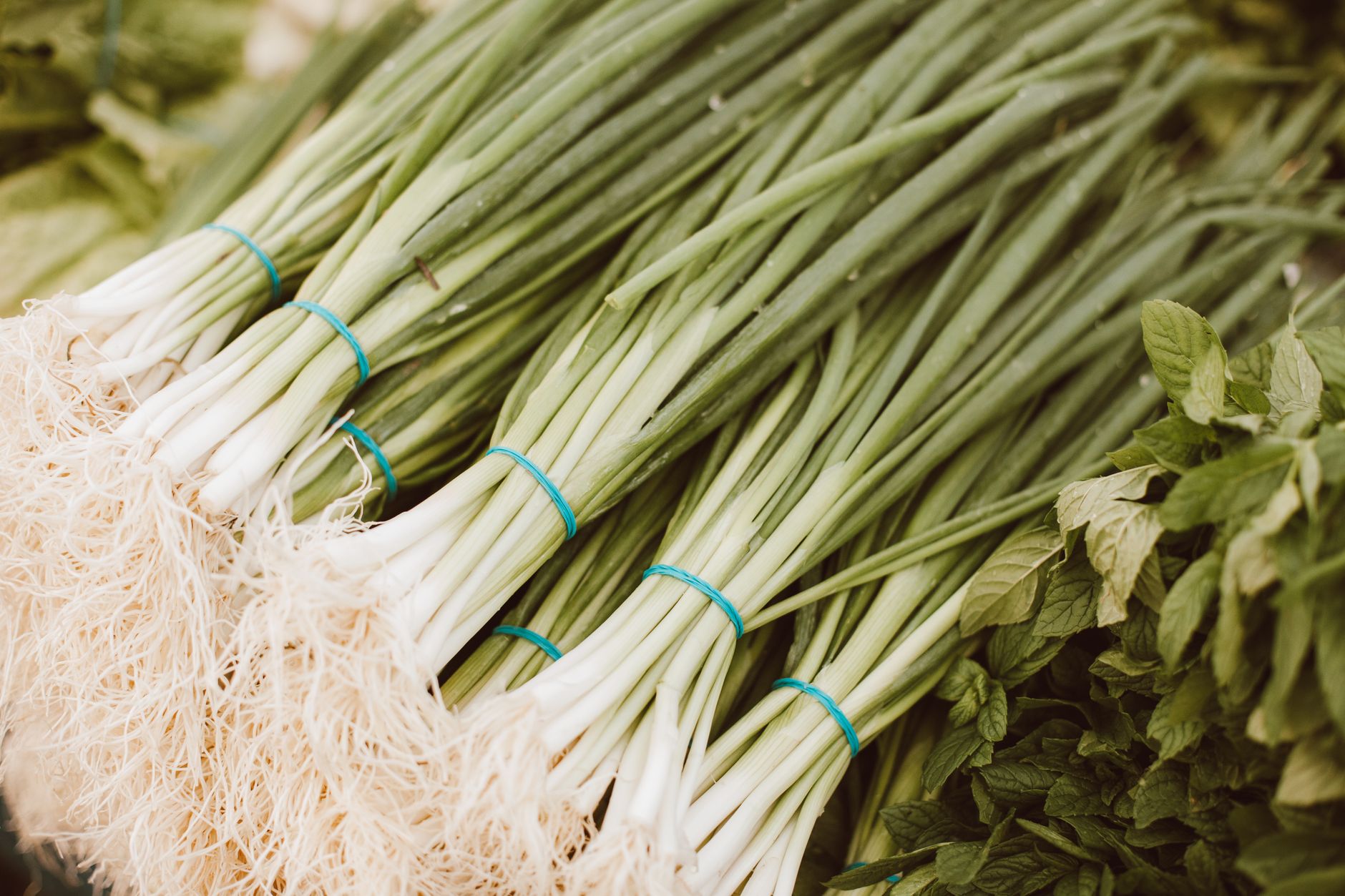
What is a scallion?
A scallion is an onion harvested very young, before it forms a bulb. The stem is straight, white at the base, and the leaves are hollow and green. Scallions are typically milder than mature onions and can be eaten raw or cooked. The true scallion is Allium fistulosum, also called Welsh onion or bunching onion, which never forms a bulb. These are perennials in zo
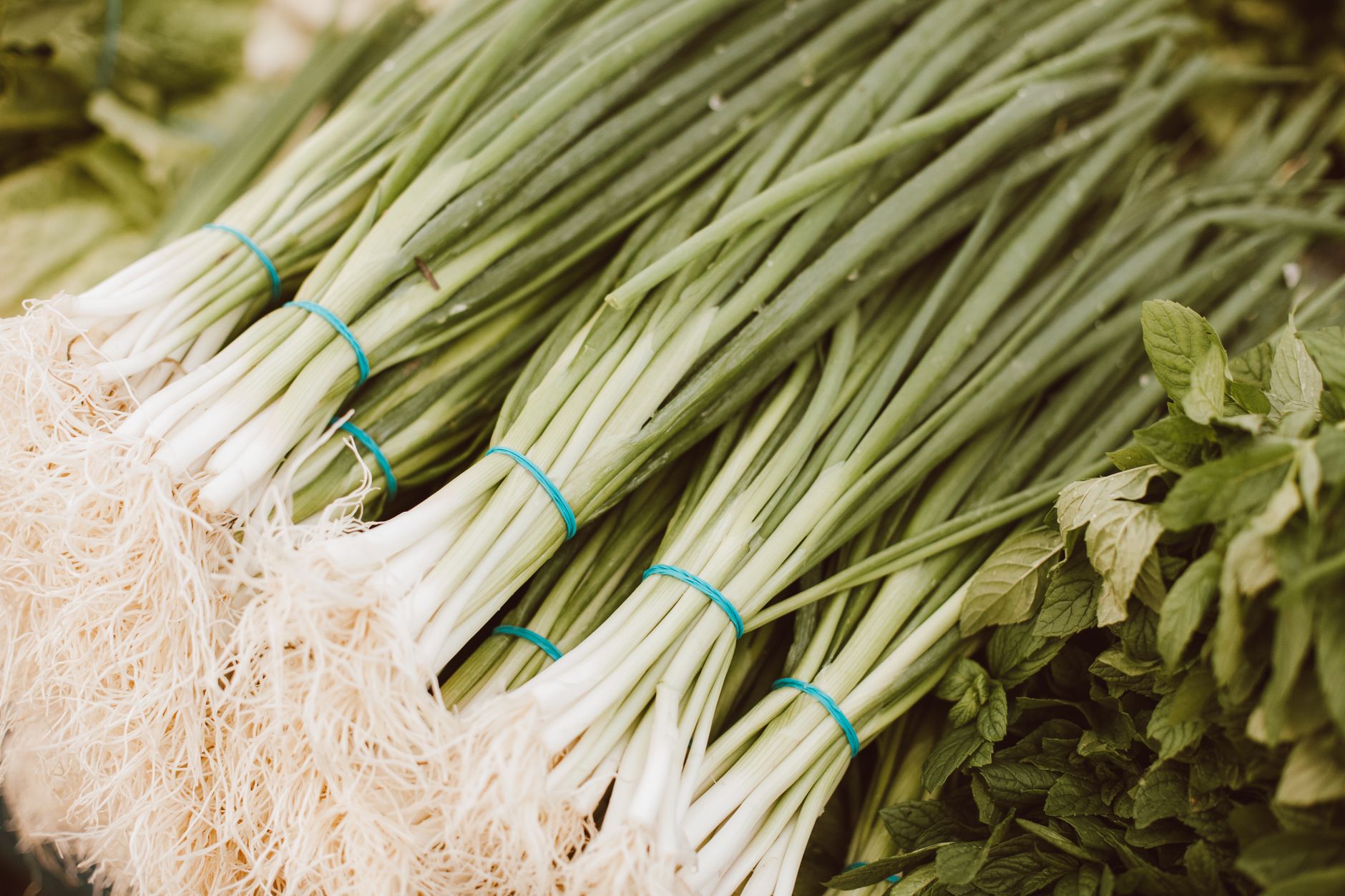 nes 6 and warmer, and they multiply by division. In colder zones, they grow as annuals.
What is a green onion?
A green onion is any onion harvested while the top is still green and the bulb is immature. This includes scallions, but it also includes regular bulb onions (Allium cepa) that are pulled early. In many grocery stores, “green onions” are actually immature bulb onions, with a slightly larger white bulb and a stronger flavor than true scallions. For the gardener, the distinction matters because bunching onions give you multiple harvests from one planting, while bulb onions are a one-time pull.
Which should you plant?
If you want a steady supply of mild, thin onions for salads and stir-fries, plant bunching onions. If you want the option of letting some onions mature into bulbs, plant regular onion sets and harvest a few early as green onions. For most home gardens, a mix of both works well. Bunching onions are easier and more productive per square foot, while bulb onions give you storage onions if you leave them in the ground.
How to grow scallions and green onions
Planting times by zone
| USDA Zone | Best planting time for scallions (bunching onions) | Best planting time for green onions (bulb onion sets) |
|---|---|---|
| 3-5 | Early spring, as soon as soil can be worked; also late summer for fall harvest | Early spring, 4-6 weeks before last frost |
| 6-7 | Early spring and fall | Early spring and fall |
| 8-10 | Fall through winter, or year-round with shade in summer | Fall through winter |
Spacing and depth
For bunching onions, sow seeds 1/4 inch deep, 1 inch apart in rows 12 inches apart. You can also plant them in clumps of 4-6 seeds per hole, spaced 6 inches apart, for easier harvesting. For bulb onion sets, plant the sets 1 inch deep, 2-3 inches apart, with rows 12 inches apart. If you want larger green onions, thin to 4 inches apart.
Soil and water
Onions need well-drained soil with a pH between 6.0 and 7.0. Add compost before planting. Keep the soil consistently moist, but not soggy. A layer of mulch helps retain moisture and suppress weeds. Onions have shallow roots, so water regularly, especially during dry spells.
Fertilizer
Feed with a balanced fertilizer (10-10-10) at planting, then side-dress with nitrogen (like blood meal) every 3-4 weeks. Do not overdo nitrogen, or you will get lush tops but small bulbs.
Harvesting and storage
Scallions
Harvest scallions when they are about 6-8 inches tall, usually 60-70 days from seed. You can pull the whole plant, or cut the tops and let them regrow. For cut-and-come-again, leave 1-2 inches of the base in the ground; new growth will appear in 2-3 weeks. Scallions store in the fridge for up to 2 weeks if wrapped in a damp paper towel.
Green onions
Harvest green onions when the bulb is about 1 inch in diameter, usually 70-90 days from sets. Pull the entire plant, shake off soil, and use immediately or store in the fridge. If you want to store them longer, you can freeze chopped green onions in a freezer bag for up to 6 months.
Varieties to try
For true scallions, try ‘Evergreen Hardy White’ (cold-hardy, perennial in zones 5-9), ‘Red Beard’ (red-stemmed, mild), or ‘Tokyo Long White’ (fast-growing, 60 days). For green onions from bulb sets, any yellow or red onion variety works, but ‘Walla Walla’ and ‘Red Burgermaster’ are sweet and mild when harvested early.
Common problems and solutions
- Bolting (flowering): Caused by temperature swings or stress. Plant at the right time for your zone, and keep soil moist.
- Thrips: Tiny insects that cause silvery streaks on leaves. Use insecticidal soap or neem oil.
- Onion maggots: White larvae that tunnel into bulbs. Rotate crops, and cover with row covers in spring.
- Poor growth: Often due to compacted soil or lack of nitrogen. Loosen soil and feed regularly.
FAQ
Can I regrow green onions from kitchen scraps?
Yes. Place the white roots in a glass of water on a sunny windowsill. Change water every few days. You will get a few inches of regrowth in a week, but the flavor is milder and the plant loses vigor after two or three cycles. For a real harvest, plant the roots in soil.
Are scallions and green onions interchangeable in recipes?
Yes, in most recipes. Scallions are milder, so if a recipe calls for green onions and you use scallions, you may need to add a bit more. Conversely, if you use green onions in a raw salad, the stronger flavor can be a plus.
How long do scallions take to grow from seed?
About 60-70 days to harvestable size. If you start seeds indoors 8-10 weeks before last frost, you can transplant and harvest earlier.
Can I grow scallions in containers?
Absolutely. Use a pot at least 6 inches deep with drainage holes. Plant seeds 1 inch apart, keep soil moist, and place in full sun (6+ hours). A 12-inch pot can yield a dozen scallions.
The bottom line
Green onions and scallions are essentially the same thing: young onions harvested before the bulb matures. For the easiest, most productive crop, plant bunching onions (true scallions) and harvest them by cutting the tops. If you also want storage onions, plant bulb onion sets and pull some early as green onions. With proper timing and care, you can have fresh green onions from early spring through fall, and even year-round in mild zones. Start with a small patch this season, and you will never buy a bunch from the store again.