Garlic vs shallot
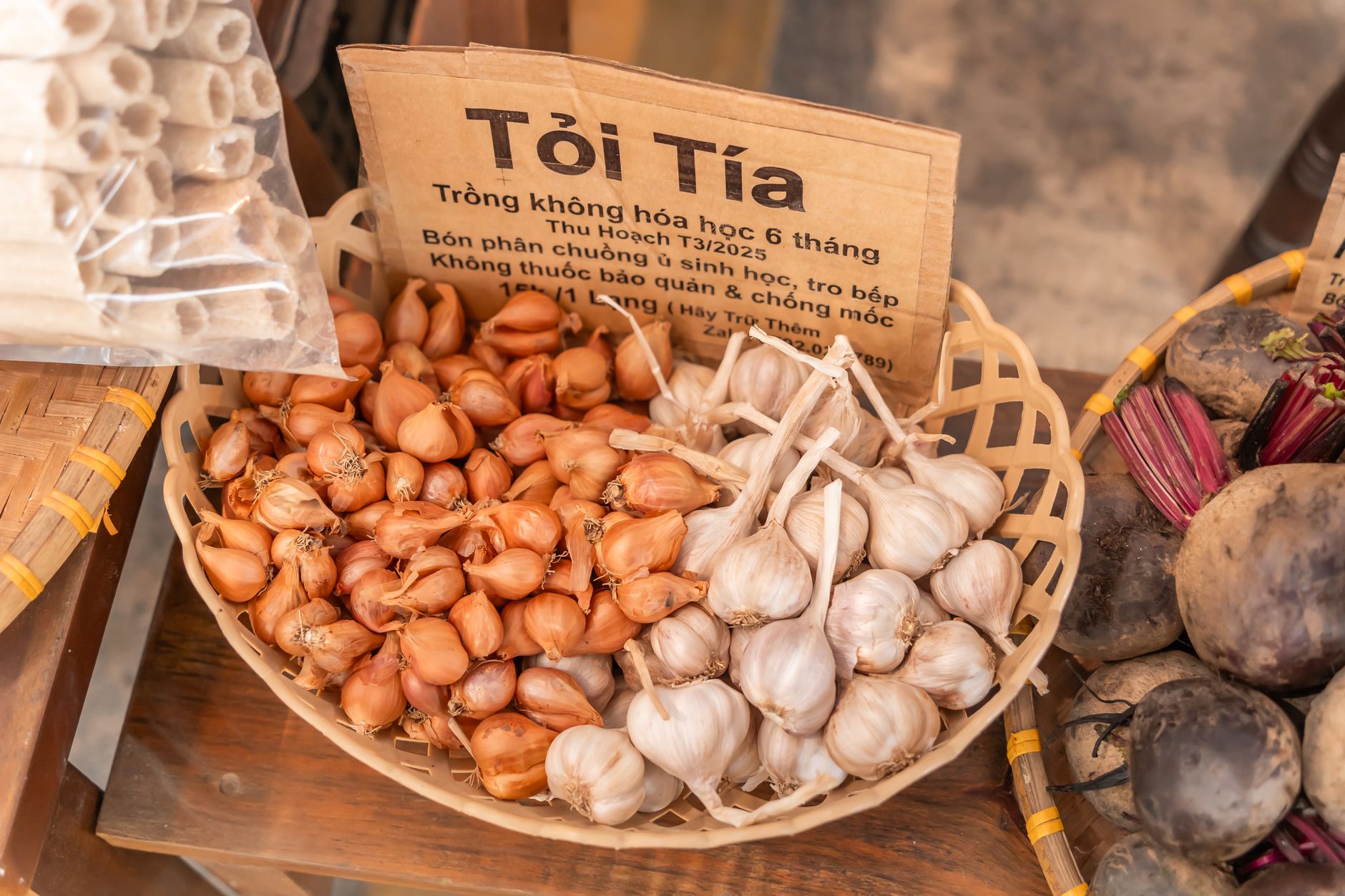
Compare garlic and shallots for your garden: flavor, storage, yield, and growing needs. Choose the right allium for your homestead in 2026.
If you’re deciding between garlic and shallots, the short answer is: grow both if you have the space, but if you must choose, garlic wins for storage and ease, while shallots win for mild flavor and quick harvest. Both are cool-season alliums that plant in fall and harvest in summer, but they differ in spacing, yield, and culinary use. Here’s the breakdown so you can pick what fits your garden and kitchen.
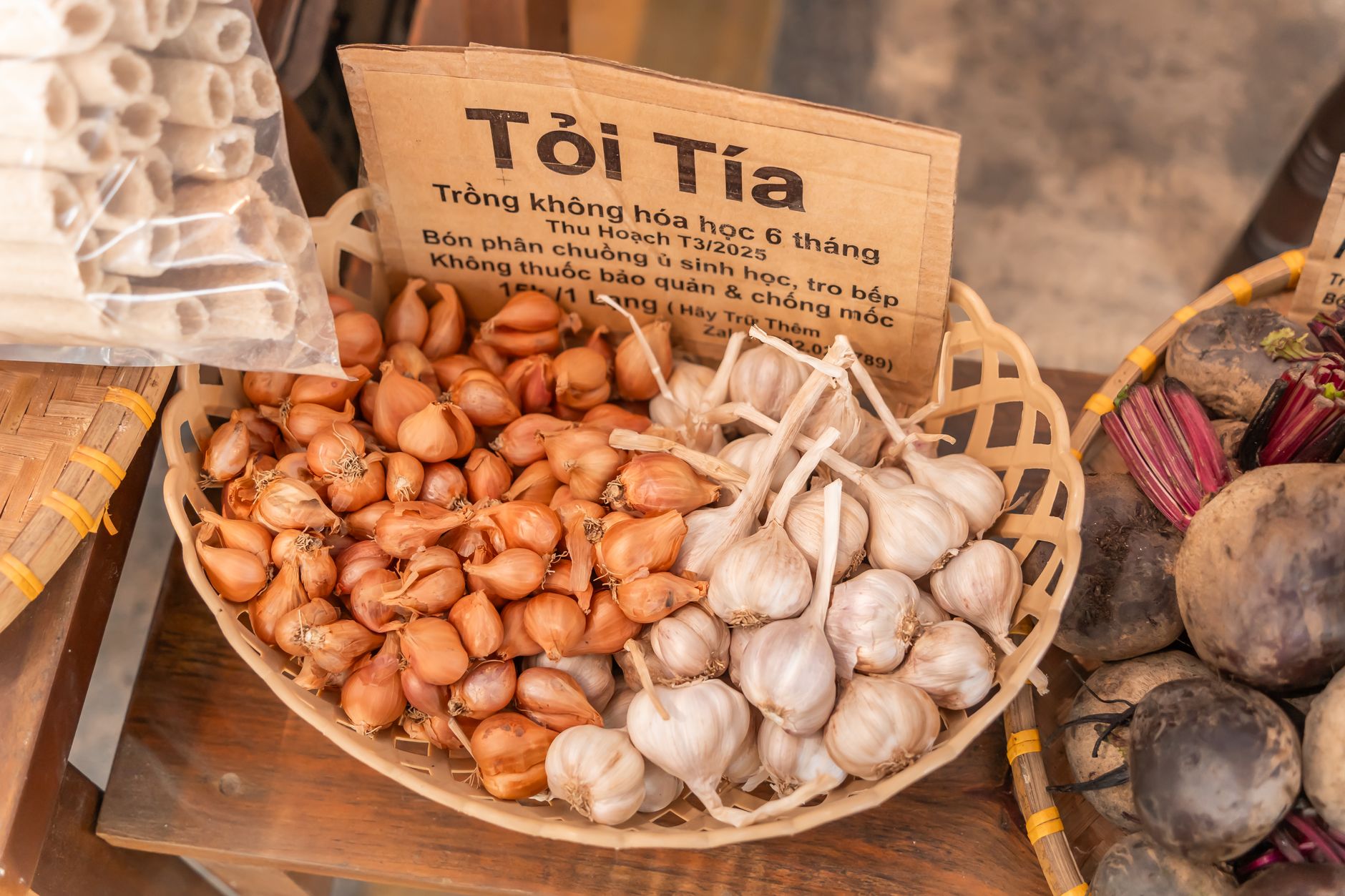
Growing requirements: similar but not identical
Both garlic and shallots need full sun (at least 6 hours) and well-drained soil with a pH of 6.0 to 7.0. They are heavy feeders, so amend with compost or a balanced fertilizer before planting. The critical difference is spacing: garlic needs more room per clove, while shallots multiply into a cluster, so they need wider spacing per set.
| Crop | Planting depth | Spacing (inches) | Days to harvest | USDA zones |
|---|---|---|---|---|
| Garlic (hardneck) | 2-3 | 6-8 apart, rows 12-18 | 180-210 | 3-8 |
| Garlic (softneck) | 2-3 | 6-8 apart, rows 12-18 | 210-240 | 5-9 |
| Shallots | 1-2 | 6-8 apart, rows 12-18 | 90-120 | 3-9 |
Shallots are faster to harvest, which is a plus if you want
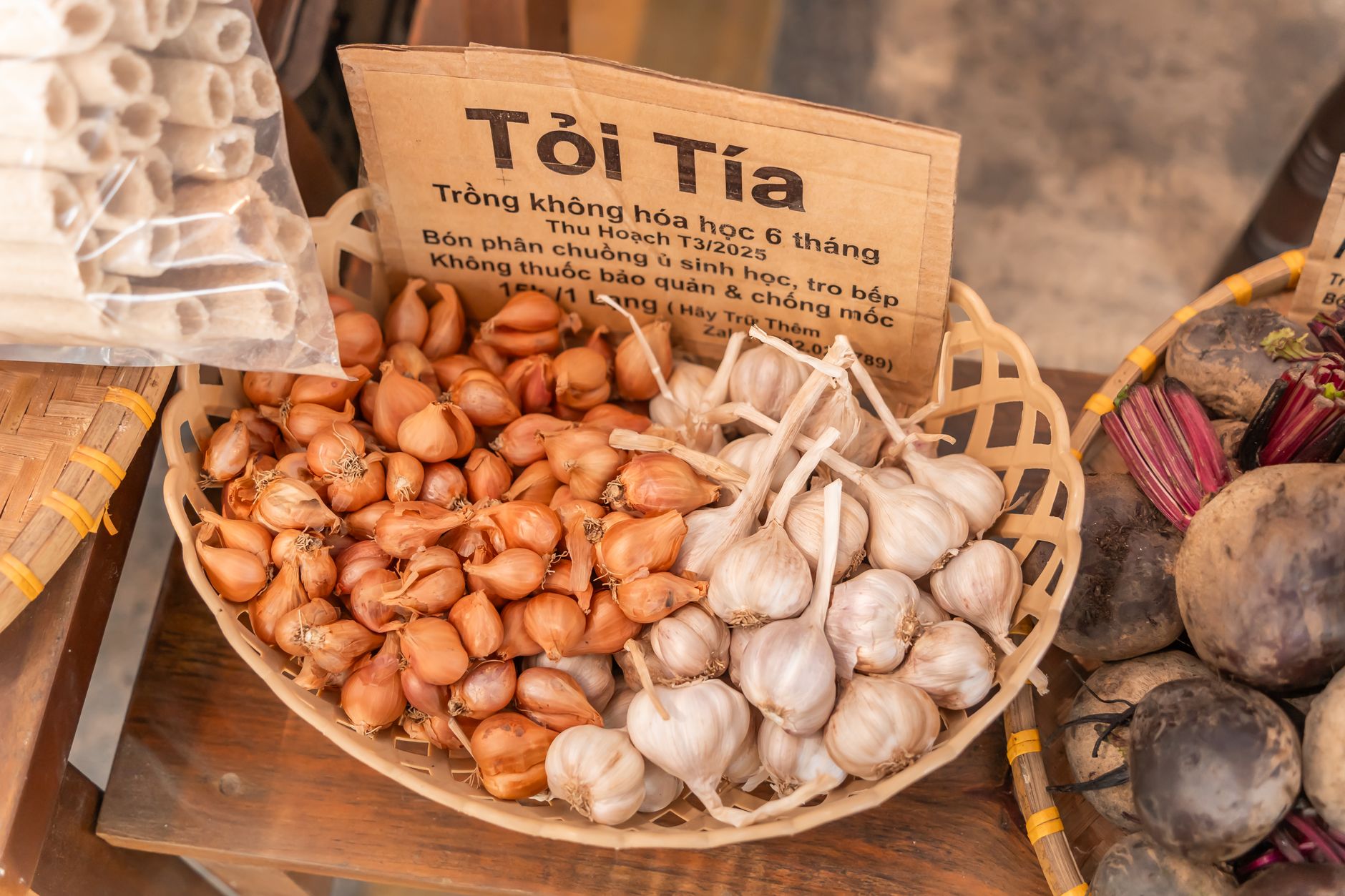 a spring crop. Garlic takes longer but stores much longer (see below).
Flavor and culinary use: know the difference
Garlic has a pungent, spicy kick that mellows when cooked. It’s a staple in savory dishes, from pasta sauces to roasts. Hardneck garlic has a richer, more complex flavor, while softneck is milder and stores longer.
Shallots taste like a cross between onion and garlic, but sweeter and more delicate. They are preferred in French cuisine for vinaigrettes, sauces, and shallots are often used raw in salads because they are less harsh than onions. If you cook a lot of stir-fries or roasts, garlic is essential. If you make dressings or want a subtle allium flavor, shallots are worth the space.
Yield and storage: what to expect
Garlic yields one bulb per clove planted. A pound of seed garlic (about 10-15 cloves, depending on size) will produce roughly 10-15 bulbs, or 1-2 pounds of harvest. Softneck garlic stores 6-9 months at room temperature (60-70°F, low humidity). Hardneck stores 3-5 months, so eat it first.
Shallots multiply: one set (a small bulb) produces a cluster of 5-10 shallots. So 1 pound of sets (about 20-30 sets) can yield 5-10 pounds of shallots. They store 6-8 months in a cool, dry place. In terms of pounds per square foot, shallots are more productive, but garlic has a longer shelf life.
Cost and availability: 2026 prices
Seed garlic costs $10-$15 per pound for common varieties (like ‘California Early’ or ‘Music’), but gourmet hardnecks like ‘Rocambole’ can run $20-$25 per pound. A pound plants about 50 square feet.
Shallot sets are cheaper: $8-$12 per pound, and a pound plants about 50 square feet as well. Both are available at garden centers in fall or online from seed catalogs. If you save your own seed, costs drop to zero after the first year.
Varieties to try
For garlic, try hardneck ‘Music’ (zones 3-8) for cold climates, or softneck ‘California Early’ (zones 5-9) for warmer areas. For shallots, ‘French Red’ is a classic with pink skin and mild flavor, good for zones 3-9. ‘Gray Shallot’ (also called ‘Griselle’) is more pungent and stores longer, but it’s harder to find.
Practical steps for this week
If you’re in zones 3-7, plant garlic and shallots in October, 2-4 weeks before the ground freezes. In zones 8-9, plant in November or December. Here’s what to do:
- Prepare the bed: loosen soil to 12 inches, mix in 2 inches of compost and a balanced fertilizer (10-10-10) at 1 pound per 100 square feet.
- Break garlic bulbs into cloves (keep the papery skin on). For shallots, separate the sets but keep them whole.
- Plant: garlic cloves pointy side up, 2-3 inches deep. Shallots set with the root end down, 1-2 inches deep.
- Mulch with 4-6 inches of straw or leaves to protect over winter.
- Water if dry, but don’t overwater; they need moisture to root but not soggy soil.
FAQ
Can I plant garlic and shallots together? Yes, they have similar needs and can share a bed. Just keep them labeled, as their tops look similar. Plant garlic in one row, shallots in another, and you’ll harvest at different times.
Which is easier for a beginner? Shallots are slightly easier because they are more forgiving of soil and watering, and they mature faster. Garlic is also easy, but hardneck varieties may send up scapes that need cutting to boost bulb size.
How do I know when to harvest? Garlic is ready when the lower leaves turn brown, usually in July. Shallots are ready when the tops yellow and fall over, usually in June. Dig them up, don’t pull, to avoid bruising.
Can I grow them in containers? Yes, use a container at least 12 inches deep with drainage holes. Plant garlic cloves 4 inches apart, shallots 6 inches apart. Water regularly, but let the soil dry between waterings.
The bottom line
If you have limited space, choose garlic for its long storage and bold flavor. If you want a faster harvest and a milder taste, choose shallots. But for a well-rounded kitchen garden, plant both: they don’t compete, and you’ll have alliums from early summer to late spring. Start with a pound of each, follow the planting steps above, and you’ll be set for next year’s cooking.