Garlic vs onion burnt taste
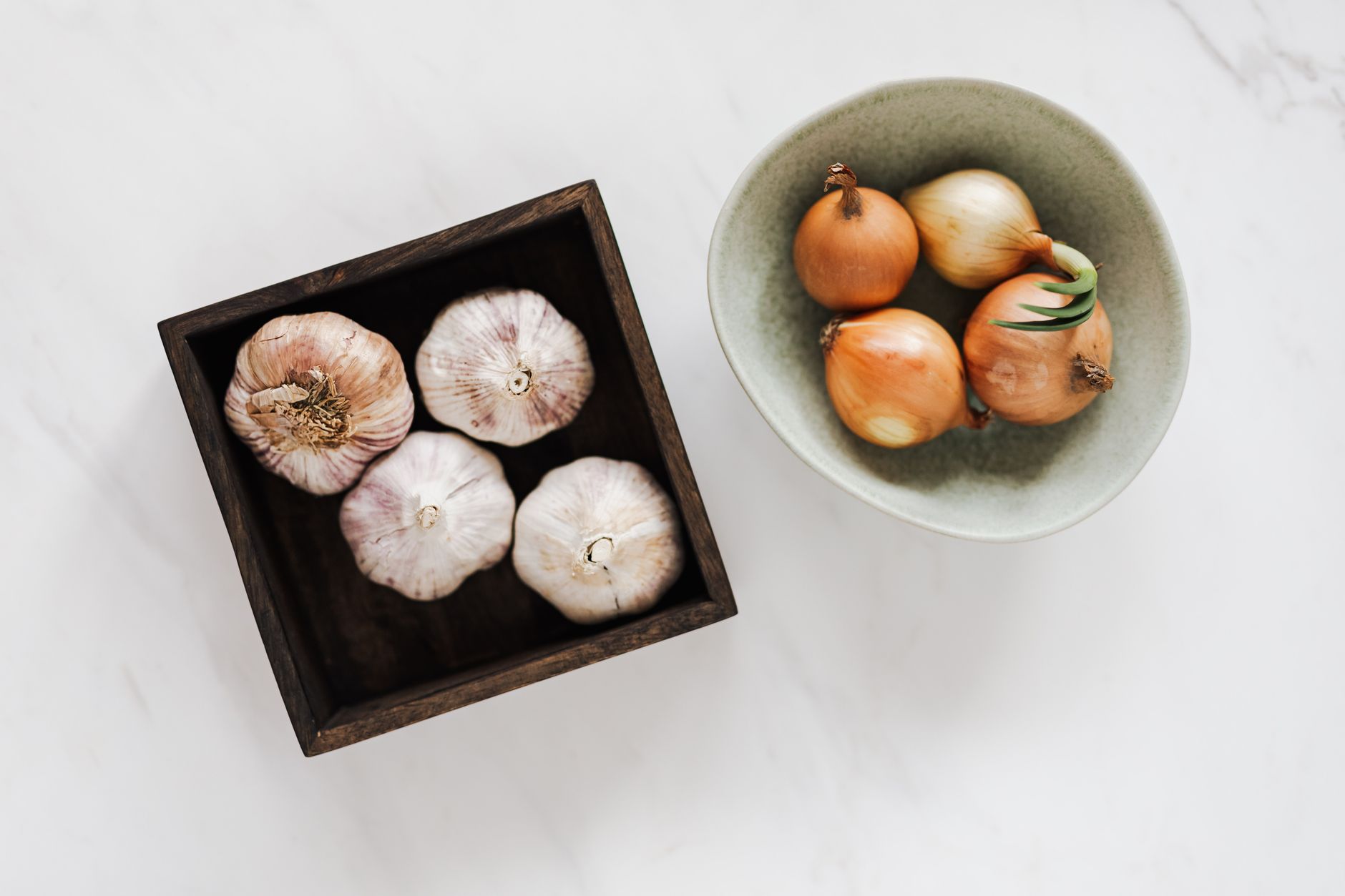
Learn why garlic and onions taste burnt, how to fix it, and prevent it with proper cooking techniques and variety choices.
If your garlic or onions taste burnt, the culprit is almost always high heat or overcooking. Garlic burns at a lower temperature than onions, turning bitter and acrid, while onions can caramelize sweetly but will scorch if the heat is too high or you don’t stir. The fix is simple: adjust your heat, add liquid, and time your additions correctly. Here is exactly how to avoid that burnt taste and salvage your dish if it happens.
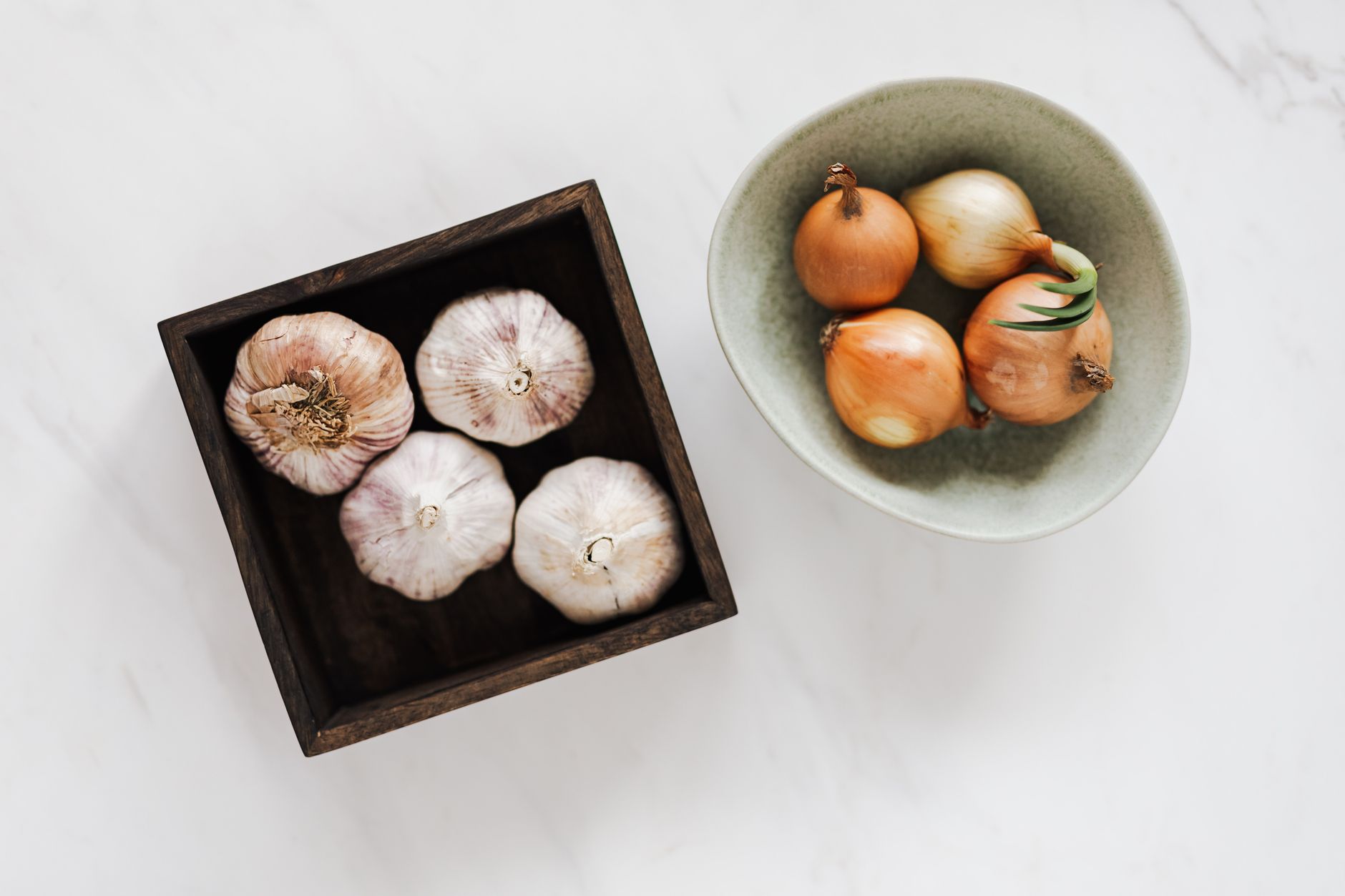
Why garlic and onions burn differently
Garlic contains sulfur compounds that break down quickly at temperatures above 300°F (150°C). When those compounds overheat, they produce bitter, harsh flavors. Onions, on the other hand, have more natural sugars and water, so they can withstand higher heat for longer, but they still burn if the pan is too dry or the heat is too high. The key differ
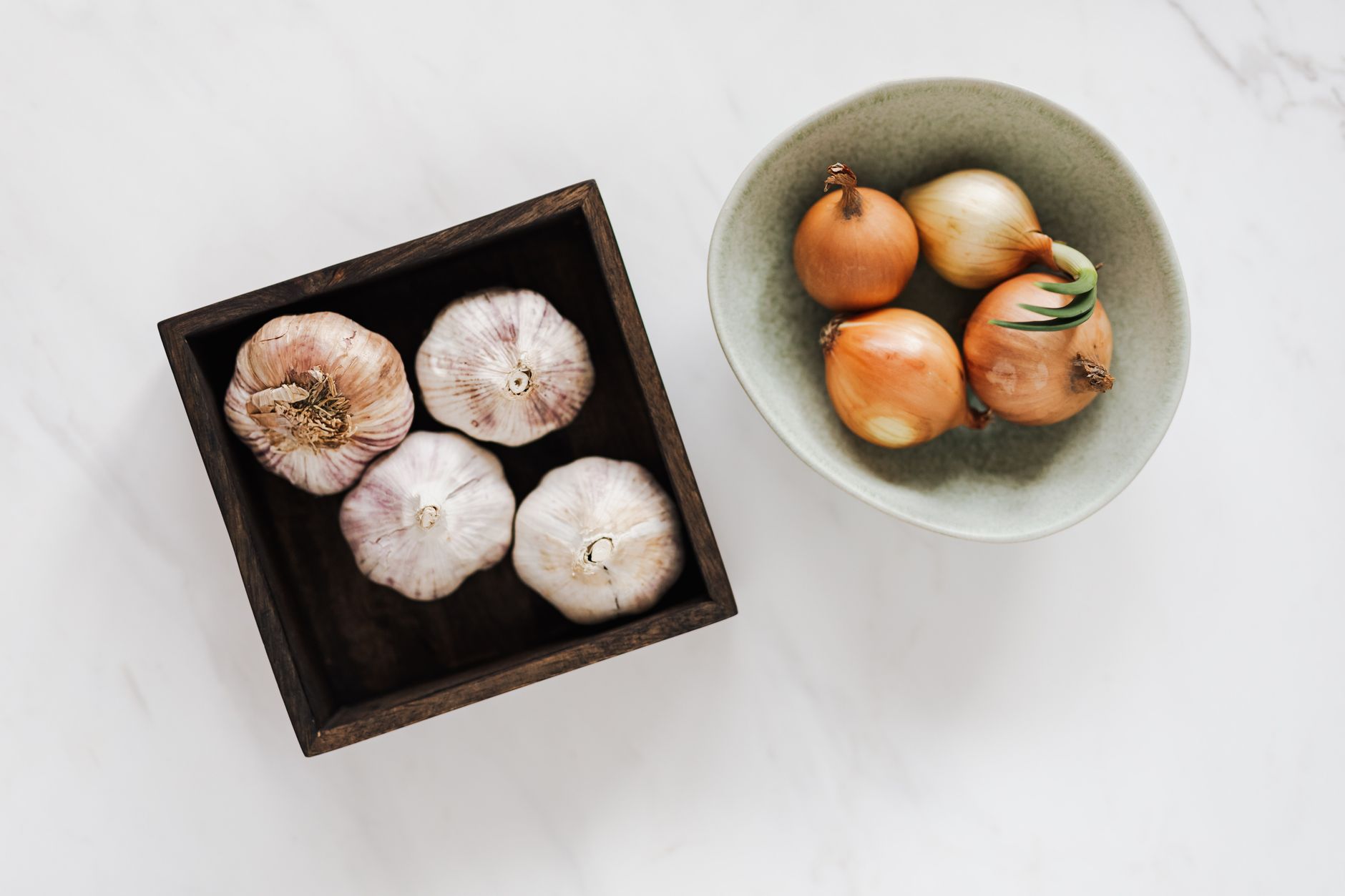 ence is that garlic burns in seconds, while onions take minutes to go from golden to black.
How to prevent burnt garlic and onions
Use the right heat level
- Garlic: Cook over medium-low heat (around 250°F to 300°F). Add it after onions are nearly done, and stir constantly for 30 to 60 seconds until fragrant.
- Onions: Start on medium-high to get browning, then reduce to medium-low to finish. Stir every 1 to 2 minutes to prevent sticking.
Add liquid when needed
If the pan looks dry and the onions or garlic start to stick, add a splash of water, broth, or wine. This lowers the pan temperature and deglazes the browned bits, turning them into flavor instead of burnt residue. Use about 2 to 3 tablespoons at a time.
Choose the right pan
A heavy-bottomed stainless steel or cast iron pan distributes heat evenly, reducing hot spots that cause burning. Nonstick is easier for beginners but can still burn if the heat is too high. Avoid thin aluminum pans that heat unevenly.
What to do if they already taste burnt
If you catch it early, you can often rescue the dish:
- Remove the burnt pieces: If only a few bits are black, pick them out with tongs or a spoon.
- Add acid: A squeeze of lemon juice, a splash of vinegar, or a bit of wine can cut the bitterness.
- Add sweetness: A pinch of sugar or honey balances the acrid flavor, but don’t overdo it.
- Dilute: If the whole batch is burnt, add more liquid (broth or water) and simmer gently to mellow the flavor.
If the taste is overwhelmingly bitter, it’s best to start over. Burnt garlic and onions cannot be fully fixed, and the off-flavor will ruin the dish.
Best varieties for less burning
Some varieties are more forgiving than others:
- Garlic: Softneck types like ‘California Early’ and ‘Inchelium Red’ have milder, sweeter flavors and burn less easily than hardneck types like ‘Rocambole’, which are more pungent and sensitive to high heat.
- Onions: Sweet onions like ‘Walla Walla’ or ‘Vidalia’ have higher sugar and water content, making them less prone to burning but also easier to scorch if you rush. Yellow storage onions like ‘Copra’ are more forgiving and hold up well to longer cooking.
Cooking techniques that prevent burning
The cold-start method for garlic
Add minced garlic to a cold pan with oil, then turn the heat to medium-low. This allows the garlic to warm gradually, releasing flavor without burning. Stir frequently. This works best for dishes where garlic is the star, like garlic oil or simple pastas.
The two-stage onion method
Cook onions on medium-high for 5 to 7 minutes until they start to brown, then reduce heat to low and cook slowly for 20 to 30 minutes. This gives you deep caramelization without burning. Add a pinch of salt at the start to draw out moisture.
Use a thermometer
If you’re serious about precision, use an instant-read thermometer to keep the pan surface around 250°F to 300°F for garlic, and up to 350°F for onions. A good thermometer costs $15 to $25, like the ThermoPro TP19.
Common mistakes that cause burnt taste
- Adding garlic too early: Garlic should go in after onions or other aromatics, not at the beginning of a long cook.
- Crowding the pan: Too many onions at once trap steam and cause uneven cooking, leading to burnt spots. Cook in batches if needed.
- Using oil with a low smoke point: Extra-virgin olive oil burns at 375°F, so use regular olive oil, canola, or grapeseed for high-heat cooking.
- Forgetting to stir: Even a minute without stirring can cause burning, especially with garlic.
Quick reference table
| Ingredient | Safe heat range | Cooking time before burn | Best practice |
|---|---|---|---|
| Garlic (minced) | 250°F to 300°F | 30 to 60 seconds | Add last, stir constantly |
| Onions (sliced) | 300°F to 350°F | 5 to 10 minutes | Start high, finish low |
| Onions (caramelized) | 250°F to 300°F | 30 to 45 minutes | Low heat, add liquid |
FAQ
Can I use burnt garlic or onions in stock?
No, the bitter taste will carry into the stock and ruin it. It’s better to discard burnt pieces and start fresh.
Does soaking onions in water prevent burning?
Soaking onions in cold water for 10 minutes can reduce their sharpness and help them cook more evenly, but it doesn’t prevent burning. You still need proper heat management.
Why does my garlic turn green when I cook it?
A green tint is a chemical reaction with copper or chlorophyll, not a sign of burning. It’s harmless but can look unappetizing. Use fresh garlic and avoid cooking in copper pans to minimize this.
What’s the best oil for cooking garlic and onions?
Use oils with a high smoke point like canola, grapeseed, or light olive oil. They can handle the heat without breaking down and adding off-flavors.
The bottom line
Burnt garlic and onions happen when heat is too high or cooking time is too long. Control your heat, add liquid when dry, and add garlic last. Choose milder varieties if you tend to burn things, and use a heavy pan. With these steps, you’ll get sweet, savory results every time, no bitterness.
Remember, cooking is about timing. Give garlic its 30 seconds, give onions their 20 minutes, and you’ll never taste that acrid burn again.