Garlic vs minced garlic
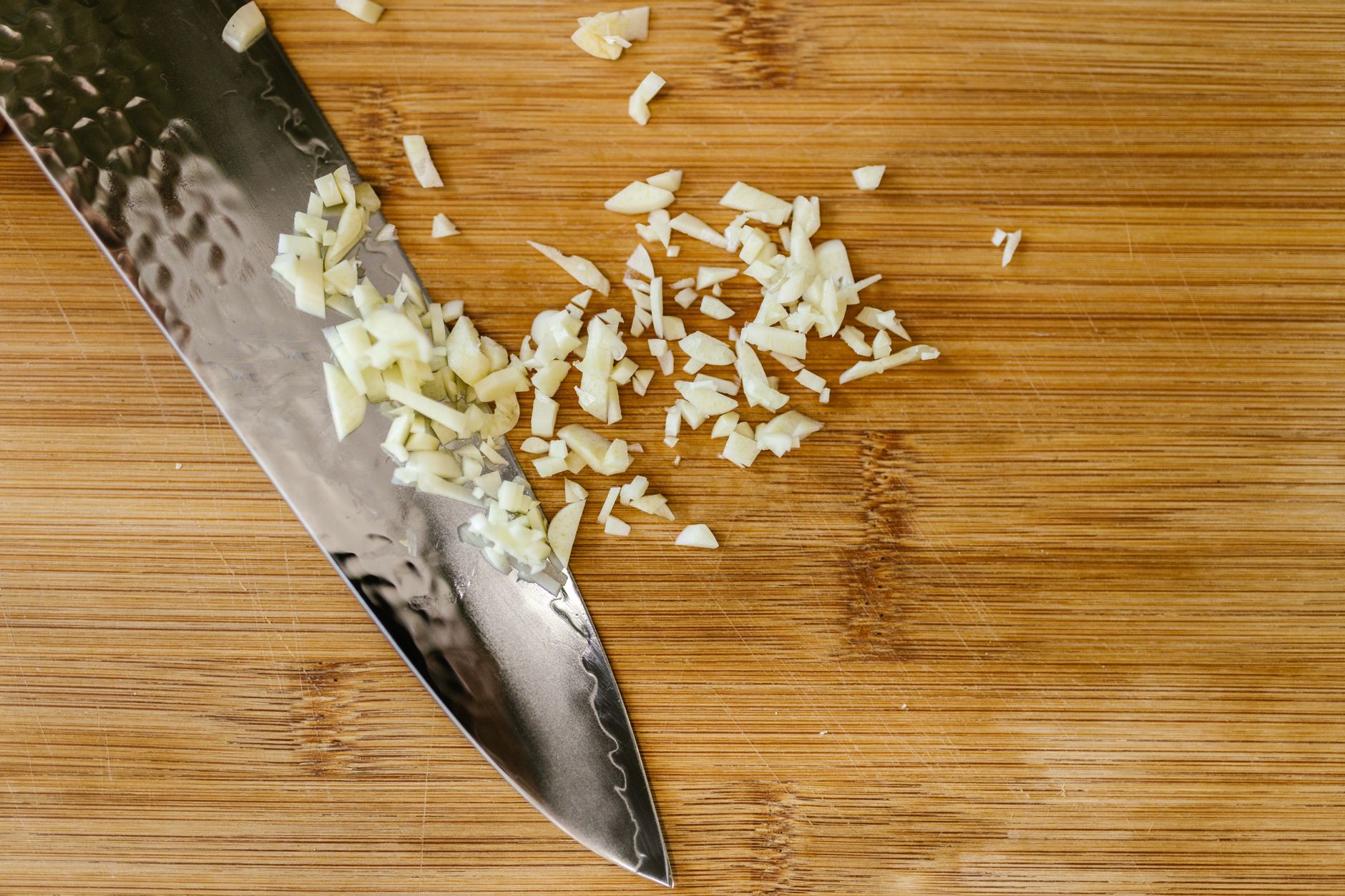
Compare fresh garlic and pre-minced garlic for flavor, cost, and convenience. Learn when to use each and how to store them properly.
Fresh garlic and pre-minced garlic are not the same thing, and the difference matters more than you might think. Fresh garlic gives you bold, complex flavor and costs less per clove, while pre-minced garlic offers convenience but with a milder, sometimes bitter taste. Here is the straight talk on when to use each, how to store them, and what you will actually save or lose.
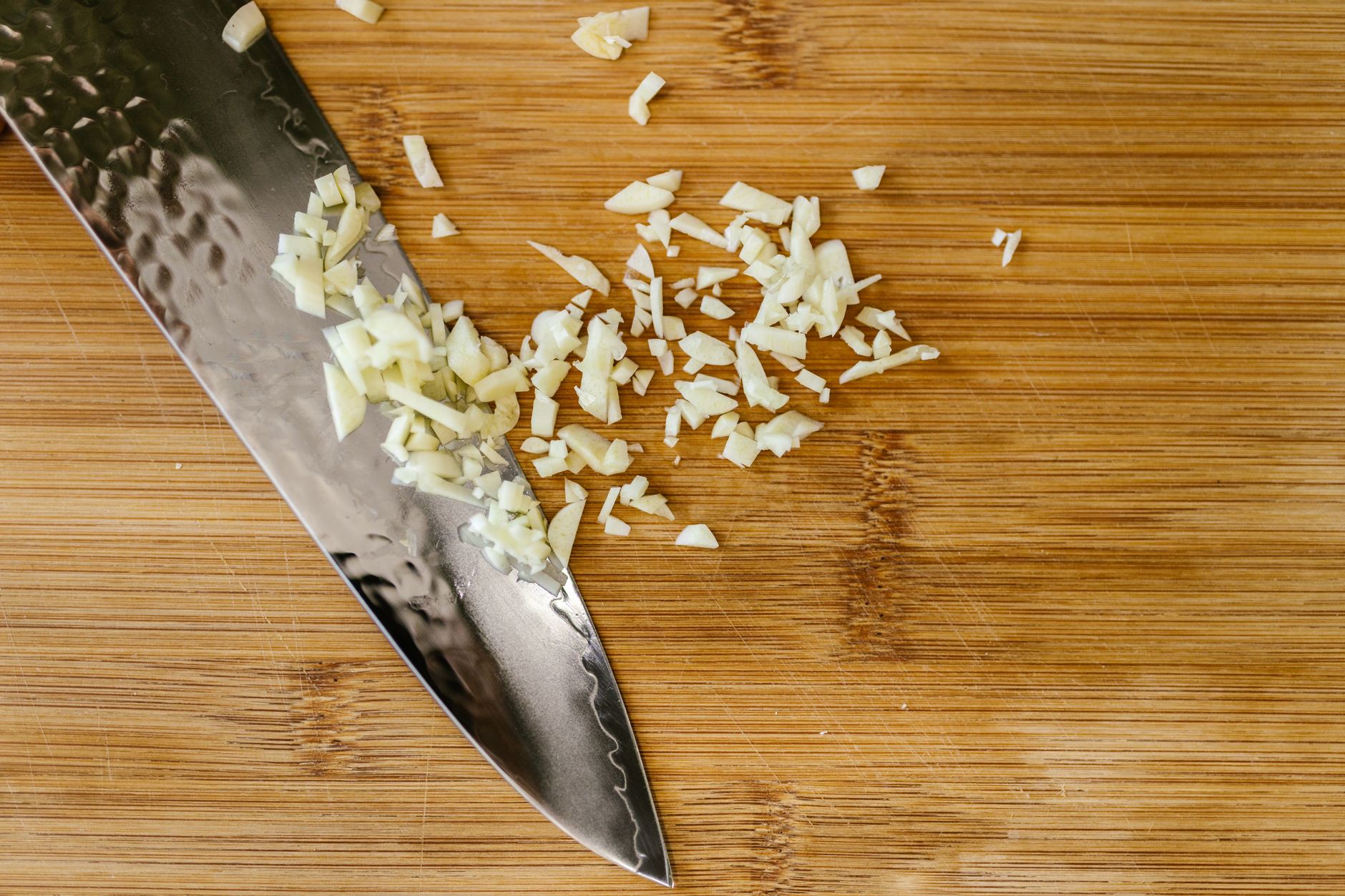
Flavor and aroma
Fresh garlic contains allicin, the compound that gives garlic its punch. When you crush or chop a clove, an enzyme reacts and creates that sharp, pungent aroma. Pre-minced garlic is usually packed in oil or water and often treated with citric acid to extend shelf life. That processing dulls the allicin, so the flavor is noticeably weaker and can turn slightly bitter over time.
For raw uses like salad dressings, salsas, or finishing a dish, fresh garlic is non-negotiable. For cooking where garlic is simmered or roasted, pre-minced can work in a pinch, but you will need to use more to get the same depth. A go
 od rule: use 1.5 teaspoons of pre-minced garlic for every clove a recipe calls for.
Cost comparison
Fresh garlic is cheaper by weight. A 3-ounce jar of pre-minced garlic costs around $3 to $4, which is roughly 12 to 16 cloves. A full head of fresh garlic, about 10 to 12 cloves, costs $0.50 to $1.00 at most grocers. Over a year, if you cook with garlic daily, fresh will save you $30 to $50.
If you grow your own, the savings are even bigger. A pound of seed garlic costs $10 to $15 and yields 8 to 10 pounds of bulbs. That is 80 to 100 heads, or roughly 800 to 1,200 cloves, for the price of a few jars.
Convenience and shelf life
Pre-minced garlic wins on time. No peeling, no chopping, no sticky fingers. It is ready in seconds, which is why many cooks keep a jar in the fridge. But it does not last forever. An opened jar keeps for 2 to 3 months in the refrigerator, and the flavor declines steadily after the first month.
Fresh garlic, stored properly in a cool, dark, dry place, lasts 3 to 6 months. Once you peel or chop it, it lasts only a few days in the fridge. For the best of both worlds, you can freeze fresh garlic: peel the cloves, chop or crush them, and freeze in ice cube trays with a little olive oil. Frozen garlic keeps for 6 to 8 months and tastes much closer to fresh than the jarred stuff.
Nutrition and additives
Pre-minced garlic often contains preservatives like citric acid or phosphoric acid to keep it from spoiling. These are safe, but they add a tangy note that can clash with delicate dishes. Fresh garlic has no additives, and it retains more of the beneficial sulfur compounds that some studies link to heart health and immune support. If you are eating garlic for health reasons, fresh is the better bet.
When to use each
Use fresh garlic when:
- The garlic is the star, like in aioli, garlic bread, or a rub.
- You want maximum aroma and heat.
- You are roasting whole cloves.
- You are making pesto or a raw sauce.
Use pre-minced garlic when:
- You are short on time and the garlic will be cooked for more than 10 minutes.
- You are making a big batch of soup, stew, or chili.
- You are camping or traveling and cannot bring fresh bulbs.
- You need a quick weeknight meal and do not mind a milder flavor.
Storage tips that work
For fresh garlic, keep the bulbs whole until you need them. Store in a mesh bag or open basket in a pantry, away from the stove and sink. Do not refrigerate whole bulbs; the cold turns them rubbery and sprouting. Once you break off a clove, keep the rest of the bulb intact.
For pre-minced garlic, always keep the jar refrigerated after opening. Use a clean, dry spoon to scoop out what you need, and never dip wet fingers into the jar. If you see any mold or off smell, toss it.
Growing your own garlic
If you want the best flavor and the lowest cost, grow your own. Plant cloves in fall, 4 to 6 weeks before the ground freezes. In USDA zones 3 to 7, that means October or early November. In zones 8 to 10, plant in late November or December. Space cloves 6 inches apart, 2 inches deep, in well-drained soil with full sun. Harvest in mid-summer when the lower leaves turn brown. Cure the bulbs in a dry, shady spot for 2 to 3 weeks, then store.
Good hardneck varieties for cold zones: ‘German Extra Hardy’, ‘Music’, and ‘Chesnok Red’. Softnecks like ‘California Early’ and ‘Inchelium Red’ store longer and do better in mild climates. A 1-pound bag of seed garlic costs $10 to $15 and plants about 50 cloves.
The bottom line
Fresh garlic tastes better, costs less, and has no additives. Pre-minced garlic is a convenience for busy nights, but it is not a substitute when garlic is the main flavor. If you want to save money and eat better, buy fresh bulbs and chop as you go. If you want speed, keep a small jar on hand but use it within a month. And if you have space, grow a row of garlic this fall: it is one of the easiest crops you will ever plant, and the flavor beats anything from a jar.
FAQ
Can I substitute pre-minced garlic for fresh in any recipe? Yes, but use 1.5 teaspoons of pre-minced for each clove. Add it earlier in cooking to let the flavor mellow, and expect a milder result.
How long does fresh garlic last in the pantry? Whole bulbs last 3 to 6 months in a cool, dark, dry place. Once you peel a clove, use it within a few days.
Is jarred garlic safe to eat after the expiration date? If the jar is unopened and stored properly, it can last months past the date. Once opened, use within 2 to 3 months and check for mold or off odor.
Does freezing fresh garlic ruin its flavor? Freezing changes the texture slightly, making it softer, but the flavor stays much closer to fresh than jarred. Use frozen garlic in cooked dishes, not raw preparations.