Garlic vs ginger
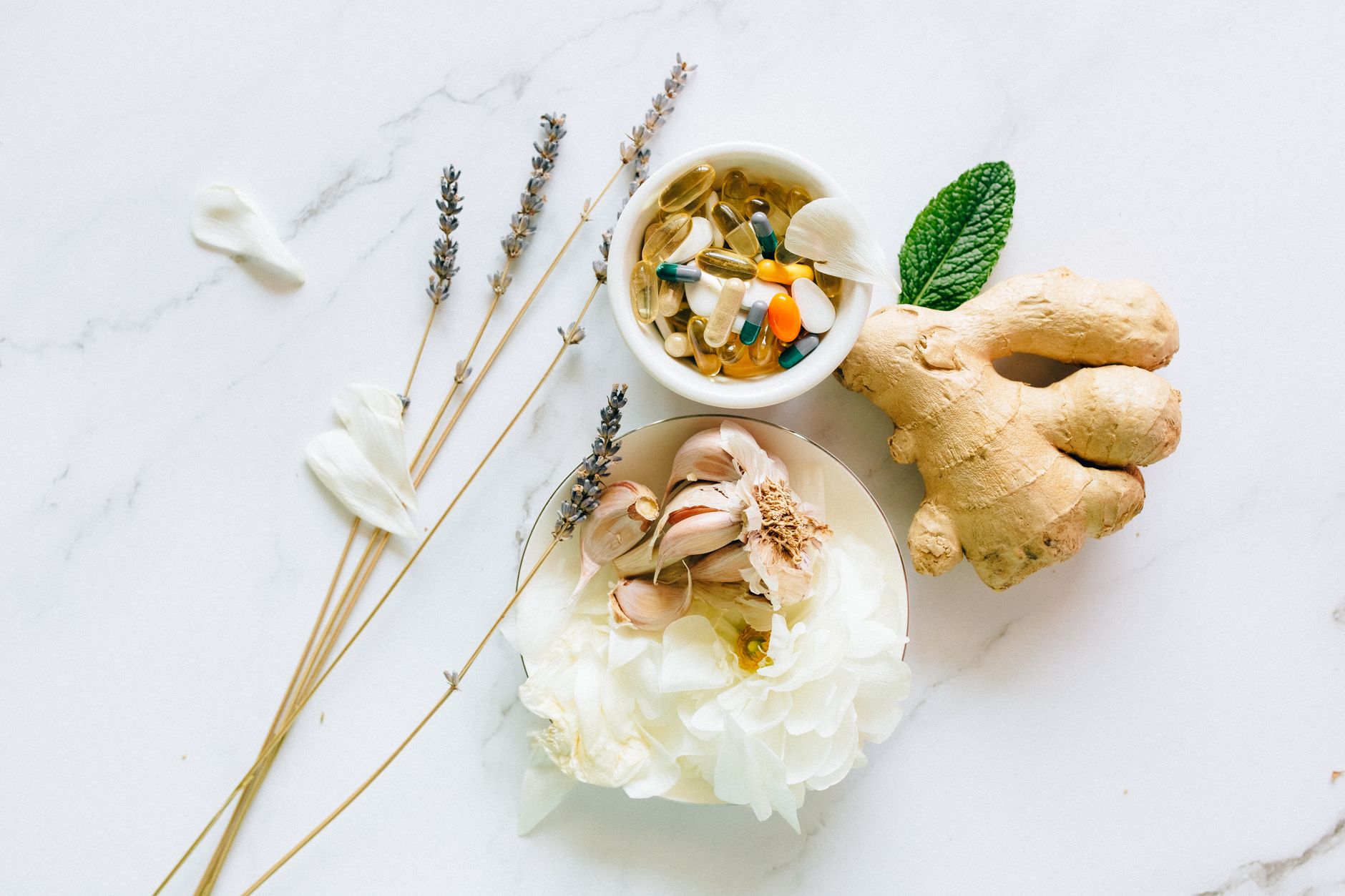
Compare garlic and ginger for your garden: climate needs, planting dates, yields, costs, and which is easier to grow in your zone.
If you are deciding between garlic and ginger for your garden, the answer depends on your climate and patience. Garlic is a cold-hardy bulb that you plant in fall and harvest in summer; ginger is a tropical rhizome that needs warm weather and a long growing season. In most US zones, garlic is easier and more reliable, but ginger can be grown in containers or with extra heat in cooler areas. Here is the direct comparison so you can choose what fits your space and effort.
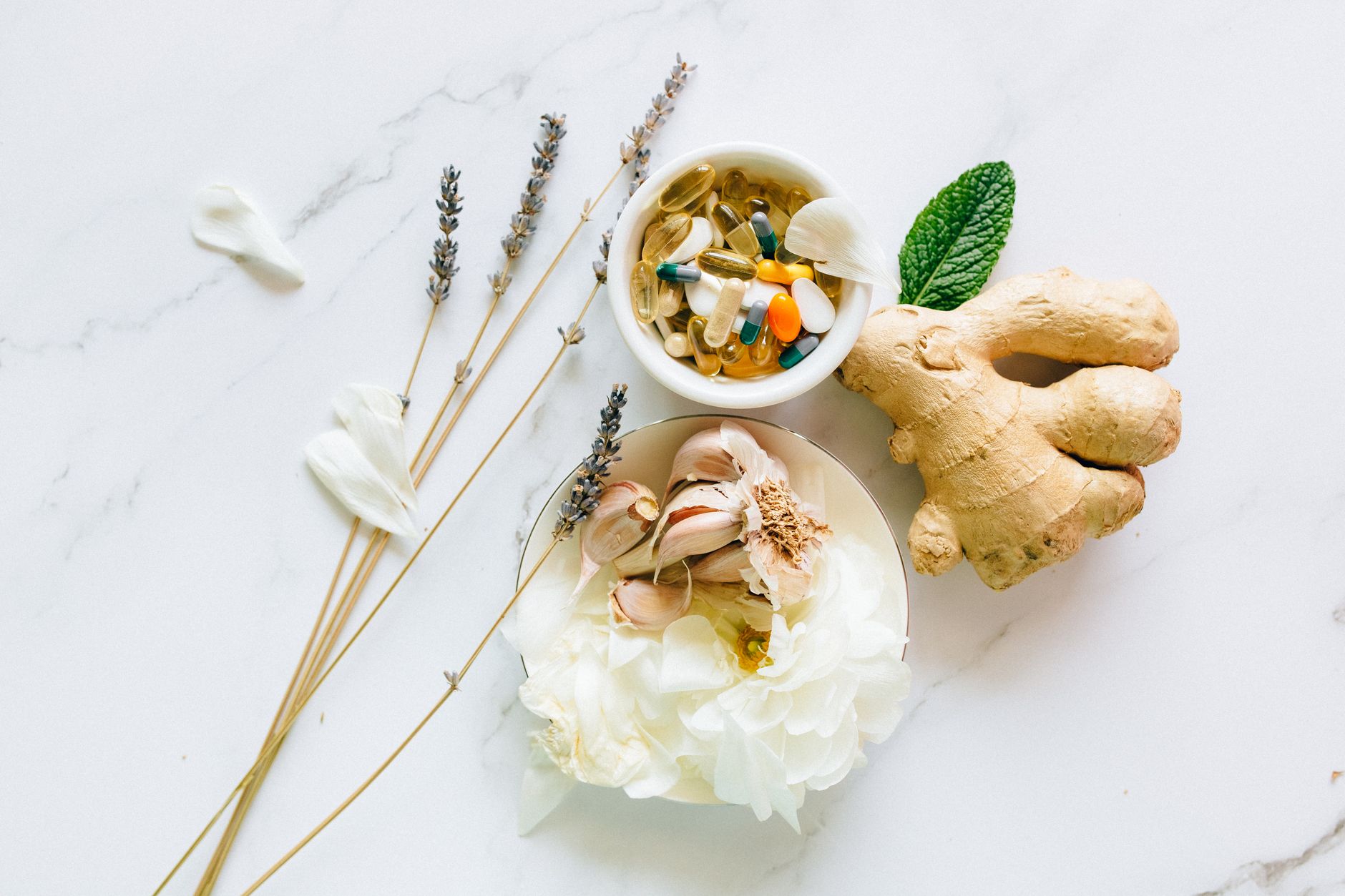
Climate and Hardiness
Garlic thrives in USDA zones 3 through 9. It needs a period of cold (below 40°F) for 6 to 8 weeks to trigger bulb formation, so it is planted in fall and overwinters. Ginger, on the other hand, is a tropical plant that requires 8 to 10 months of frost-free weather with temperatures between 70°F and 85°F. It is hardy only in zones 9 through 11, but northern gardeners can grow it in containers and move it indoors when nights drop below 50°F.
If you live in zones 3 to 8, garlic is the clear winner for outdoor growing. If you are in zone 9 or
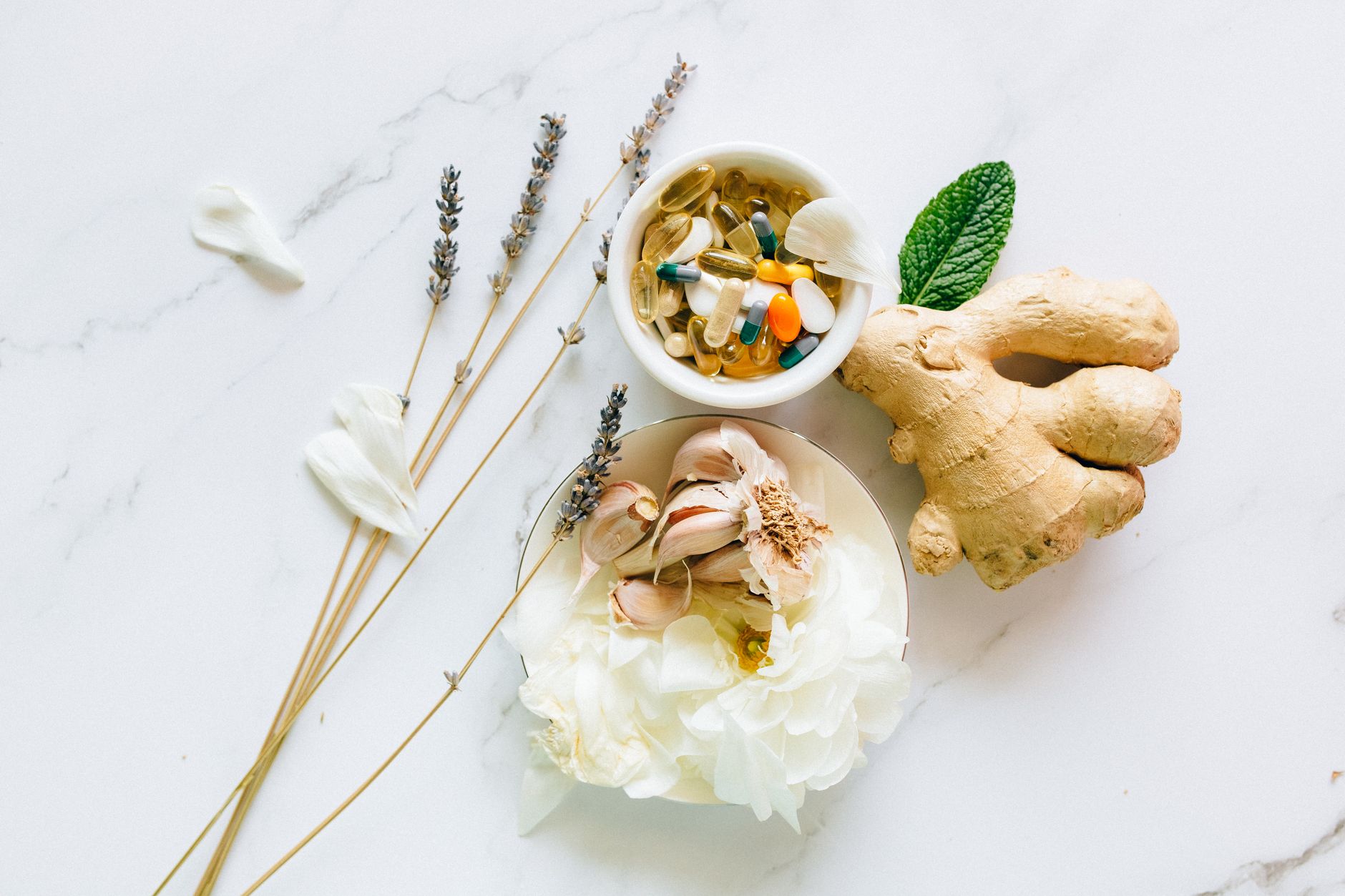 warmer, you can grow both, but ginger will need more water and shade.
Planting Time and Spacing
Garlic is planted in fall, usually 4 to 6 weeks before the ground freezes. In zones 3 to 5, that means late September to mid-October; in zones 6 to 8, October to November. Ginger is planted in spring after the last frost, when soil temperatures reach at least 60°F. In zones 9 to 11, that can be as early as February; in cooler zones, wait until May or June.
Spacing is different too. Garlic cloves go 2 inches deep and 6 inches apart in rows 12 inches apart. Ginger rhizomes are planted 2 to 4 inches deep and 8 inches apart, with rows 12 to 18 inches apart. Ginger also needs more room for its tall stalks, so give it at least 2 feet of space per plant if you can.
Soil and Water Needs
Both crops prefer loose, well-drained soil with plenty of organic matter. Garlic likes a pH between 6.0 and 7.0 and does not tolerate wet feet. Ginger prefers a slightly acidic pH of 5.5 to 6.5 and needs consistently moist soil, but not soggy. Garlic is relatively drought tolerant once established; ginger will wilt quickly if it dries out.
For garlic, work in 2 inches of compost before planting. For ginger, mix in aged manure or compost and add a layer of mulch to retain moisture.
Varieties to Choose
For garlic, choose hardneck varieties like ‘Music’ or ‘German Extra Hardy’ for cold zones (3 to 7) because they produce scapes and have rich flavor. Softneck varieties like ‘California Early’ or ‘Inchelium Red’ are better for zones 8 to 9 and store longer. For ginger, look for culinary ginger (Zingiber officinale) from a nursery, not the grocery store, which may be treated with sprout inhibitor. ‘Chinese White’ and ‘Buddha’s Hand’ are common culinary types, but any fresh organic rhizome from a garden center works.
Yield and Cost Comparison
Garlic yields about 10 to 20 bulbs per pound of seed garlic, depending on variety and conditions. A 10-foot row with 6-inch spacing gives you roughly 20 plants, which can produce 20 bulbs, enough for a family. Seed garlic costs $10 to $20 per pound, and one pound plants about 50 cloves. Ginger yields about 1 to 2 pounds of fresh rhizome per plant, and you can start with 1 pound of seed rhizome, which contains multiple pieces. Seed ginger costs $8 to $15 per pound. In terms of cost per pound harvested, garlic is cheaper and more reliable.
Harvest and Storage
Garlic is ready when the lower leaves turn brown, usually 8 to 9 months after planting. Dig it up, cure it in a dry, airy place for 2 to 3 weeks, then trim and store in a cool, dark spot. Softneck garlic can store for 6 to 12 months; hardneck stores for 3 to 6 months. Ginger is ready when the leaves yellow and die back, about 8 to 10 months after planting. Dig up the rhizomes, let them dry for a day, then store in the refrigerator or a cool, dry place for up to 3 weeks. For longer storage, you can freeze or pickle it.
Pest and Disease Issues
Garlic has few pests, but watch for onion thrips and white rot, which can persist in soil for years. Rotate crops and avoid planting where alliums have grown recently. Ginger is more susceptible to root rot and bacterial wilt, especially in wet soil. Ensure good drainage and do not overwater. Both benefit from crop rotation.
Which Should You Grow?
If you have cold winters and want a low-maintenance crop, grow garlic. It is set-and-forget for most of the season. If you live in a warm climate or have a greenhouse, grow ginger for a fresh, spicy harvest. You can also grow ginger in a large pot indoors with a heat mat, but that adds cost and effort.
FAQ
Can I grow ginger in zone 6? Yes, but you need to start it indoors in late winter and move it outside after the last frost. Use a large container and bring it inside when temperatures drop below 50°F. Expect a smaller harvest than in the tropics.
How long does garlic take to grow? Garlic takes about 8 to 9 months from planting to harvest. You plant in fall and harvest in early to mid-summer.
Is ginger more profitable than garlic for market? Ginger can fetch higher prices per pound, but it has higher input costs and is riskier in cooler climates. Garlic is more reliable and has a longer storage life, making it easier for small-scale sales.
Can I plant garlic in spring? Yes, but you will get smaller bulbs. You can also plant in spring for green garlic, which is harvested early. For full bulbs, fall planting is best.
The bottom line
For most US gardeners, garlic is the easier and more dependable choice. It tolerates cold, stores well, and requires less attention. Ginger is a fun challenge for warm climates or container growing, but it needs heat and moisture. If you have space, try both: garlic in the ground, ginger in a pot. That way you get a reliable harvest and a bit of exotic flavor.
Start with garlic this fall if you are in zones 3 to 8. Order seed garlic now, prepare your bed, and plant 4 to 6 weeks before the first hard frost. For ginger, wait until spring and start it indoors if you are north of zone 9. Both are rewarding, but garlic will give you the best return on effort.