Garlic vs garlic powder
Compare fresh garlic and garlic powder for flavor, cost, storage, and convenience. Get practical tips for gardeners and cooks in 2026.
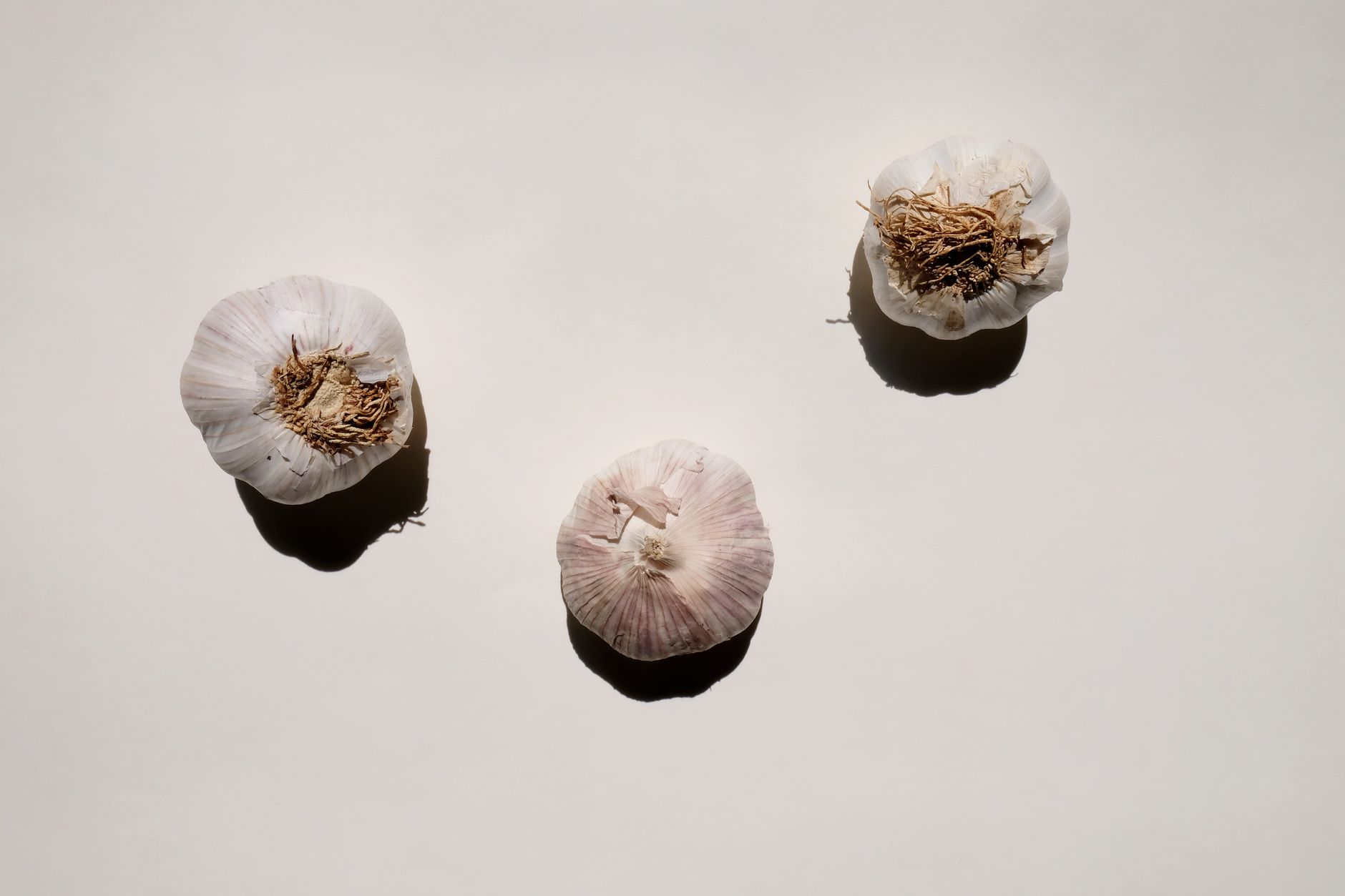
Fresh garlic and garlic powder both have a place in the kitchen, but they are not interchangeable. Fresh garlic gives you a pungent, complex flavor with a bite, while garlic powder offers a milder, more uniform taste that blends easily. If you are a gardener or homesteader, you likely have both on hand, but knowing when to use each can save you money and improve your cooking. Here is the honest breakdown: fresh garlic wins for most savory dishes, but garlic powder is a reliable backup for convenience and long-term storage.
Flavor and aroma
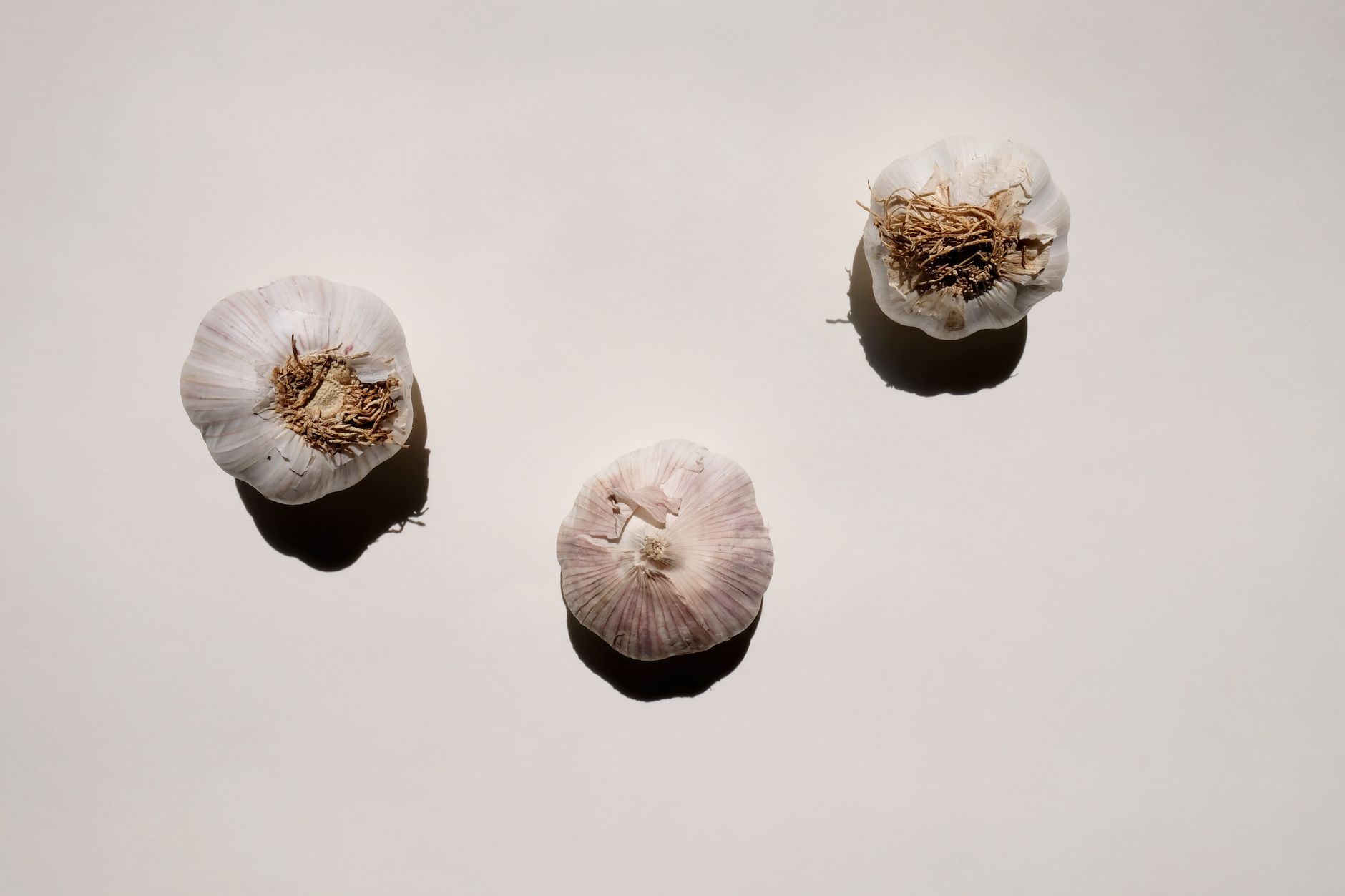
Fresh garlic contains allicin, a compound that forms when you crush or chop the cloves. Allicin is responsible for that sharp, spicy kick and the unmistakable aroma. It fades quickly with heat, so fresh garlic added early in cooking gives a mellow sweetness, while added at the end gives a bold punch. Garlic powder, on the other hand, is made from dehydrated garlic that has been ground. The drying process removes most of the volatile compounds, leaving a sweeter, less pungent flavor. It does not burn as easily as fresh garlic, making it a good choice for dry rubs or finishing spice blends.
For a recipe that calls for garlic as a main flavor, like garlic bread or aioli, fresh is non-negotiable. For a quick weeknight stir-fry or a spice mix, powder works fine. The key is to taste as you
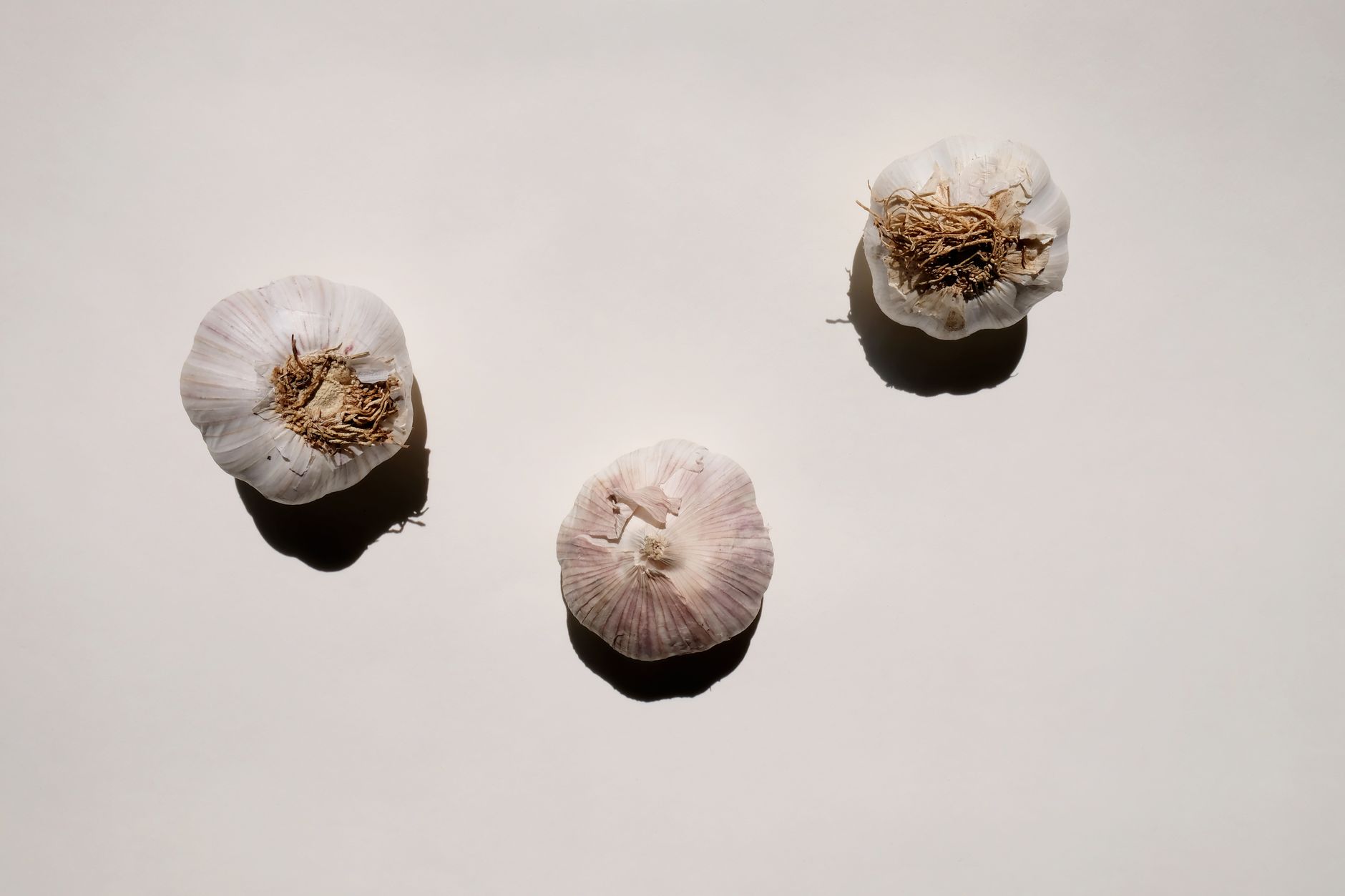 go: start with less powder than you think, because it can turn bitter if overused.
Cost comparison
Fresh garlic costs about $0.50 to $1.00 per bulb at a grocery store, which yields roughly 10 to 12 cloves. A clove weighs about 3 to 5 grams, so a bulb gives you about 30 to 60 grams of usable garlic. At $1.00 per bulb, that is about $0.02 to $0.03 per gram. Garlic powder costs $0.10 to $0.20 per ounce in bulk, but a typical 3-ounce jar at the store runs $3 to $5, which is about $0.10 per gram. So fresh is cheaper per gram, but you have to factor in waste and prep time.
If you grow your own garlic, the cost drops dramatically. A pound of seed garlic costs $10 to $15 and yields 8 to 10 pounds of bulbs. That is a 8 to 10 fold return, making fresh garlic nearly free if you have the space. Garlic powder, even homemade, requires a dehydrator and electricity, so it is not necessarily cheaper unless you have a surplus.
Storage and shelf life
Fresh garlic stores well at room temperature in a cool, dry, dark place. Softneck varieties like California Early or Inchelium Red can last 6 to 8 months, while hardneck types like Music or German Extra Hardy last 3 to 5 months. Once you break a bulb, the cloves keep for about a week on the counter or up to 3 weeks in the fridge. Do not store fresh garlic in the fridge whole, as it can sprout and turn rubbery.
Garlic powder has a shelf life of 2 to 3 years if kept in an airtight container away from light and heat. It does not spoil, but it loses potency over time. To test freshness, smell it: if it is faint, it is time to replace. For long-term storage, garlic powder is a space saver: a pound of powder equals about 40 bulbs of fresh garlic, but takes up a fraction of the space.
Nutritional differences
Both forms have similar calories and micronutrients, but fresh garlic has more allicin, which has been studied for its antibacterial and antioxidant properties. Garlic powder retains some of these benefits but at lower levels because the drying process reduces active compounds. If you are using garlic for health reasons, fresh is better. For flavor, the difference is less critical.
Practical uses in the kitchen
Here is a quick guide for when to use which:
- Fresh garlic: sautés, roasts, dressings, marinades, garlic bread, and any dish where you want a pronounced garlic flavor.
- Garlic powder: dry rubs, spice blends, popcorn seasoning, and quick soups where you do not have time to peel and chop.
- Substitution ratio: 1 clove of fresh garlic equals 1/4 teaspoon of garlic powder. For a milder flavor, use 1/8 teaspoon.
If you are canning or dehydrating your own garlic, be aware that garlic powder made at home may not be as fine as commercial, but it works the same. To make it, slice cloves thinly, dehydrate at 125°F for 8 to 12 hours until brittle, then grind in a spice grinder. Store in a glass jar with a desiccant packet.
Growing your own: which to choose?
If you have a garden, growing garlic is easy and rewarding. Plant cloves in fall, 4 to 6 weeks before the ground freezes, in well-drained soil with full sun. Space cloves 6 inches apart, 2 inches deep, with the pointy end up. Harvest in mid-summer when the lower leaves turn brown. For a continuous supply, grow a mix of hardneck and softneck varieties. Hardnecks like Music or Chesnok Red have larger cloves and a richer flavor, but store shorter. Softnecks like California Early or Silverskin store longer and braid well.
If you only have room for a few bulbs, grow fresh garlic and buy powder for convenience. If you have a large garden, you can produce enough fresh garlic to last most of the year and make your own powder from the surplus. A 10-foot row yields about 5 to 8 pounds of garlic, which is plenty for a family.
FAQ
Is garlic powder a good substitute for fresh garlic in all recipes? No. Fresh garlic has a pungency and texture that powder cannot replicate. Use powder when you need a subtle background flavor, but for dishes where garlic is the star, use fresh.
How do I store fresh garlic to make it last longer? Keep whole bulbs in a mesh bag or basket in a cool, dark, dry place with good air circulation. Do not refrigerate whole bulbs. Once broken, store cloves in the fridge in a sealed container.
Can I make garlic powder from my own harvest? Yes. Peel and slice cloves, dehydrate at 125°F until brittle, then grind. It will be slightly coarser than commercial, but it works well. Store in an airtight jar.
Does garlic powder ever go bad? It does not spoil, but it loses flavor over time. Replace it every 2 to 3 years for best results. If it smells musty or has clumps, discard it.
The bottom line
Fresh garlic is superior for flavor and health benefits, and if you grow your own, it is nearly free. Garlic powder is a convenient, shelf-stable backup that saves time and space. Keep both in your pantry: fresh for cooking, powder for emergencies and dry mixes. Start with fresh garlic in your meals this week, and use powder only when you are in a hurry. Your taste buds will thank you.