Garlic vs chives
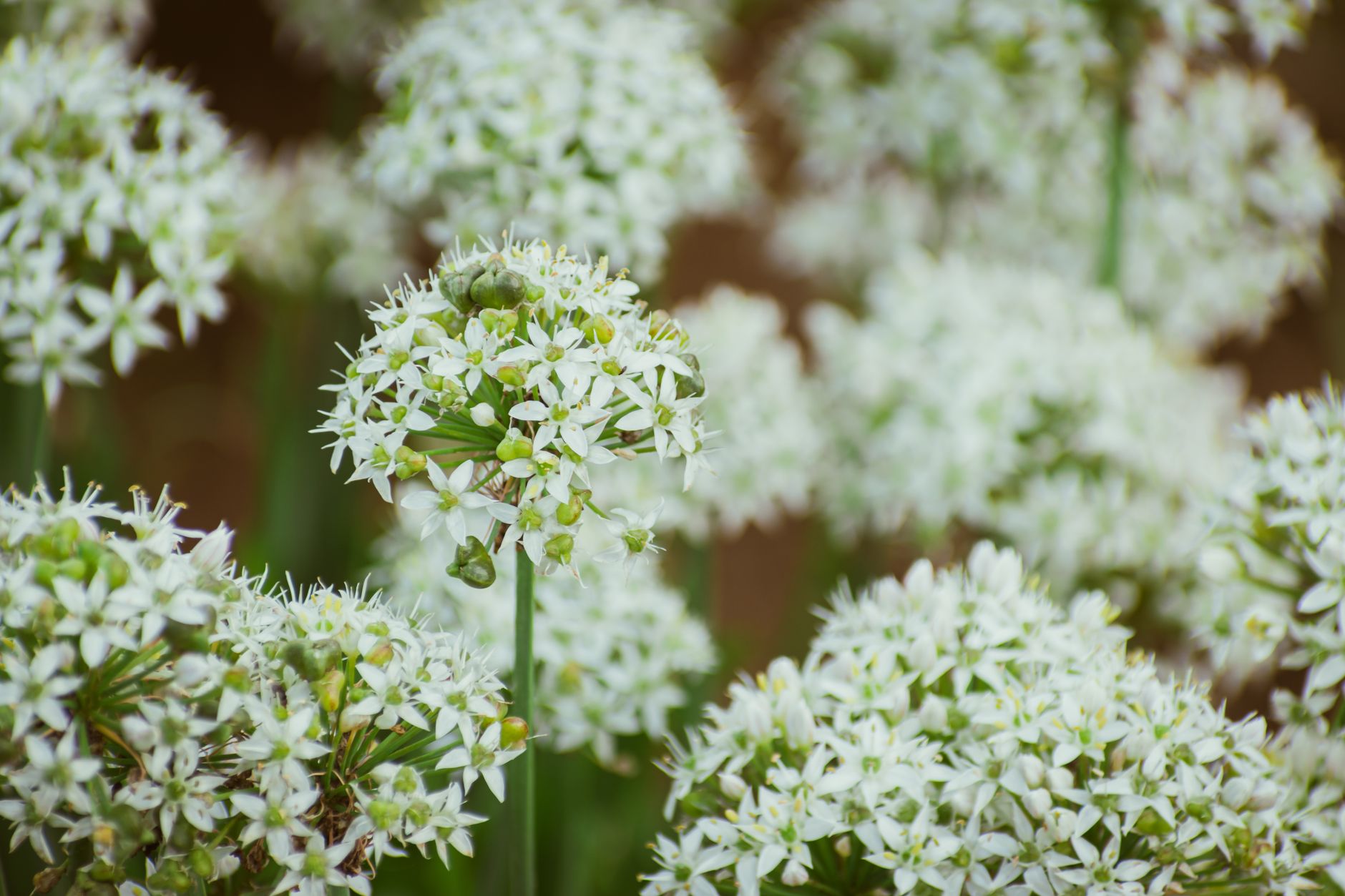
Compare garlic and chives for your garden: planting, care, harvest, and uses. Decide which allium fits your space and needs.
Garlic and chives are both alliums, but they serve very different roles in the garden and kitchen. Garlic is a bulb crop that takes months to mature and rewards you with pungent cloves for cooking and storage. Chives are a perennial herb that comes back every year, offering mild onion flavor for fresh use. If you have limited space, chives are easier and quicker, but if you want a substantial harvest for cooking and storage, garlic is the better choice. Here is how they compare in every practical way.
Planting and Timing
Garlic is planted in fall, about 4 to 6 weeks before the ground freezes. In USDA zones 3 to 5, that means late September to October. In zones 6 to 8, plant in October to November. In zones 9 to 10, plant in late October or November, or even January for a spring crop in mild climates. Garlic needs a cold period to form bulbs, so it is not a spring crop in most areas.
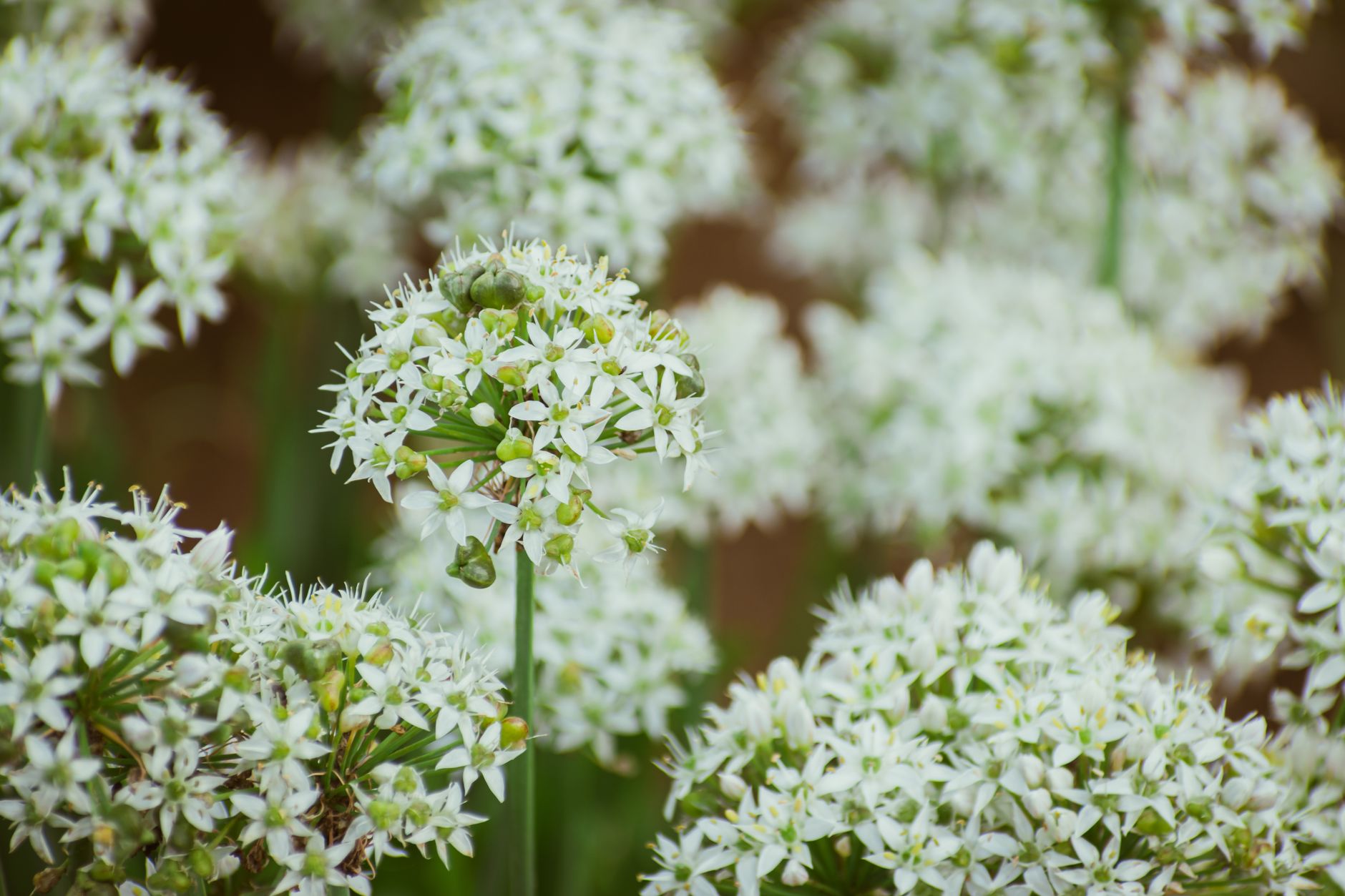
Chives are planted in early spring, as soon as the soil can be worked, or in fall in mild zones. They are perennial and will come back year after year. You can start chives from seed, but it is faster to plant divisions from an existing clump. Seed takes 2 to 3 weeks to germinate, and the plants are ready to harvest in about 60 days. Divisions establish faster and give you a harvest in a few weeks.
| Crop | Planting Time | USDA Zones | Time to Harvest |
|---|---|---|---|
| Garlic | Fall (Sept-Nov) | 3-10 | 8-9 months |
| Chive | |||
 |
|||
| s | Spring or fall | 3-9 | 60 days from seed, faster from divisions |
Space and Yield
Garlic needs more space. Plant cloves 6 inches apart in rows 12 inches apart. A 4x8 foot bed holds about 60 cloves, which yields roughly 60 bulbs, or about 5 to 7 pounds of garlic. Each bulb has 10 to 15 cloves, so you get a real harvest for cooking and storage.
Chives are much more compact. A single clump can be planted in a 6 inch pot or a 1 square foot area. One established clump can be harvested multiple times per season, giving you a handful of leaves every few weeks. For a family, two or three clumps are plenty. Chives are not a storage crop; they are best used fresh or frozen.
Care and Maintenance
Garlic is relatively low maintenance but requires consistent moisture and weed control. Water deeply once a week if there is no rain. Mulch with straw to suppress weeds and retain moisture. In early summer, garlic sends up scapes (flower stalks). Cut them off to direct energy to the bulb. Scapes are edible and taste like mild garlic.
Chives are even easier. They tolerate poor soil and some drought once established. Water during dry spells, and cut them back after flowering to encourage new growth. They spread slowly by bulbs, so divide every 3 to 4 years to keep them vigorous. Chives have few pests, but aphids can be an issue; wash them off with a strong stream of water.
Harvest and Storage
Garlic is ready to harvest when the lower leaves turn brown, usually in mid to late summer, about 8 months after planting. Dig them up, cure them in a dry, airy place for 2 to 3 weeks, then trim the roots and tops. Store in a cool, dark place. Properly cured garlic can last 6 to 8 months.
Chives are harvested by cutting leaves 1 to 2 inches above the ground. You can start harvesting when the plant is 6 inches tall. Cut as needed, and the plant will regrow. Chives do not store well fresh; they lose flavor quickly. You can freeze them chopped, or dry them, but freezing preserves more flavor.
Flavor and Culinary Uses
Garlic has a strong, pungent flavor that mellows when cooked. It is a staple in almost every cuisine. Use raw in dressings and sauces, or cooked in stir-fries, roasts, and soups. Garlic also has health benefits, including antimicrobial properties.
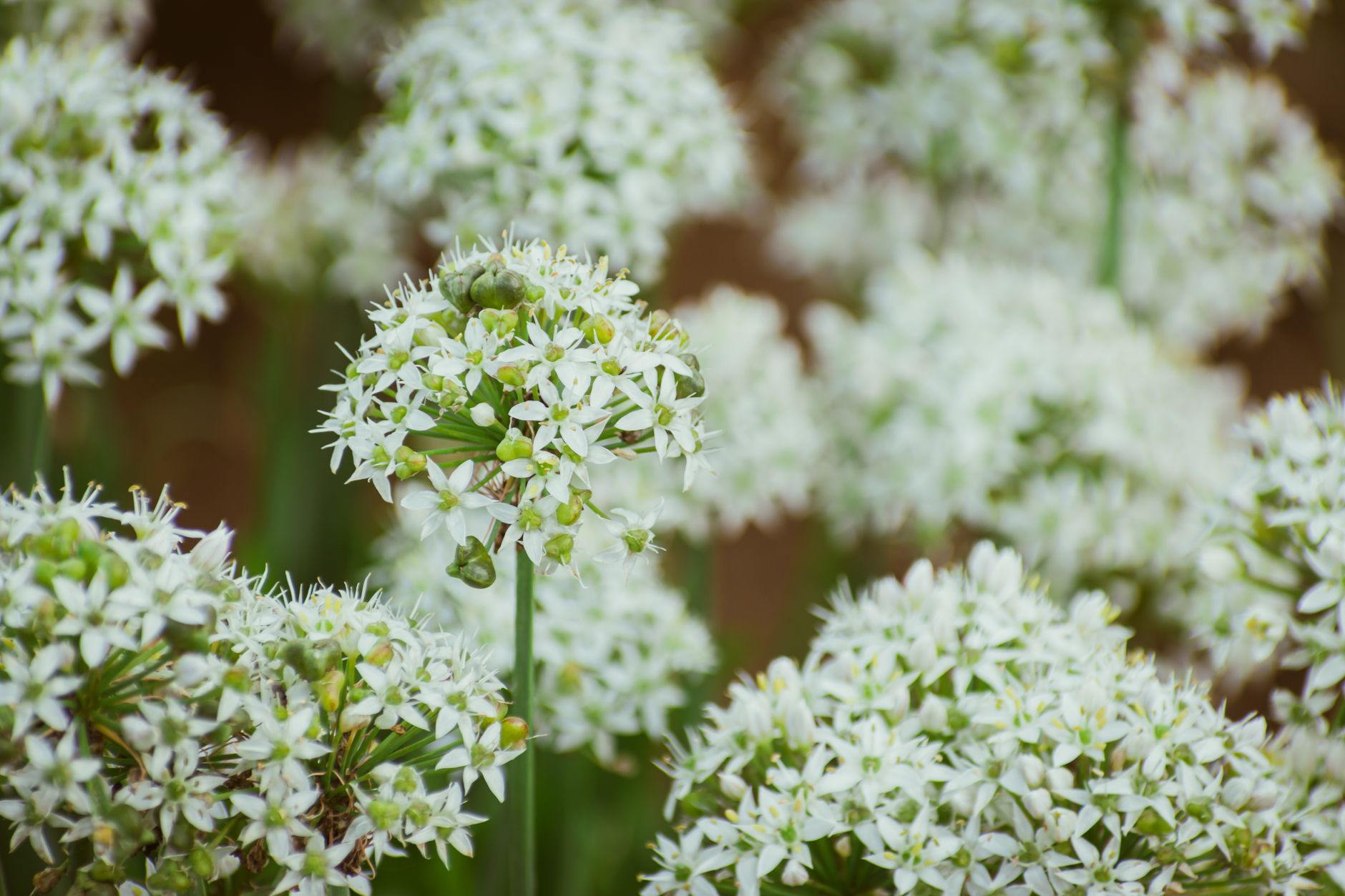
Chives have a mild onion flavor, much lighter than garlic. They are best used fresh, added at the end of cooking or as a garnish. Chive flowers are also edible and make a colorful addition to salads. Chives do not hold up to long cooking, so add them just before serving.
Cost and Availability
Garlic seed cloves cost $8 to $15 per pound, and a pound plants about 50 cloves. You can also plant grocery store garlic, but it may be treated to prevent sprouting, so it is not reliable. Hardneck varieties like ‘Music’ and ‘German Extra Hardy’ are popular for cold climates. Softneck varieties like ‘California Early’ and ‘Inchelium Red’ are better for mild climates and have a longer shelf life.
Chives are inexpensive. A packet of seeds costs $2 to $4, and a potted plant costs $4 to $8. You can also get divisions from a neighbor for free. Chives are a great value for the price.
Which Should You Choose?
Choose garlic if you want a substantial harvest for cooking and storage, and you have the patience to wait 8 months. It is a rewarding crop that yields a lot of flavor per square foot.
Choose chives if you want a low-maintenance perennial herb that comes back every year, and you use it fresh in salads, eggs, and potatoes. It is perfect for small gardens, containers, and beginners.
You can also grow both. They have different planting times, so they do not compete for space. Garlic in the fall, chives in the spring, and you have a full allium garden.
FAQ
Can I plant garlic in the spring?
In most areas, garlic needs a cold period to form bulbs. Spring planting is possible in zones 9 to 10, but you will get smaller bulbs. For best results, plant in fall.
Do chives come back every year?
Yes, chives are perennial in USDA zones 3 to 9. They die back in winter and regrow in spring. In warmer zones, they may stay green year-round.
Can I grow chives indoors?
Yes, chives grow well in a sunny windowsill. Use a pot with drainage, and keep the soil moist. They will grow year-round with enough light.
How do I store garlic long-term?
Cure garlic for 2 to 3 weeks in a dry, airy place, then store in a cool, dark spot with good airflow. Braid softneck varieties or hang them in mesh bags.
The Bottom Line
Garlic and chives are both worthwhile, but they serve different purposes. Garlic is a high-yield, long-term investment for serious cooks and storage. Chives are a low-effort, perennial herb for fresh flavor. If you have space, grow both. If you have to choose, consider your cooking habits: do you use garlic in almost every dish, or do you just want a sprinkle of onion flavor? That answer will point you to the right crop.