Garlic vs aged garlic
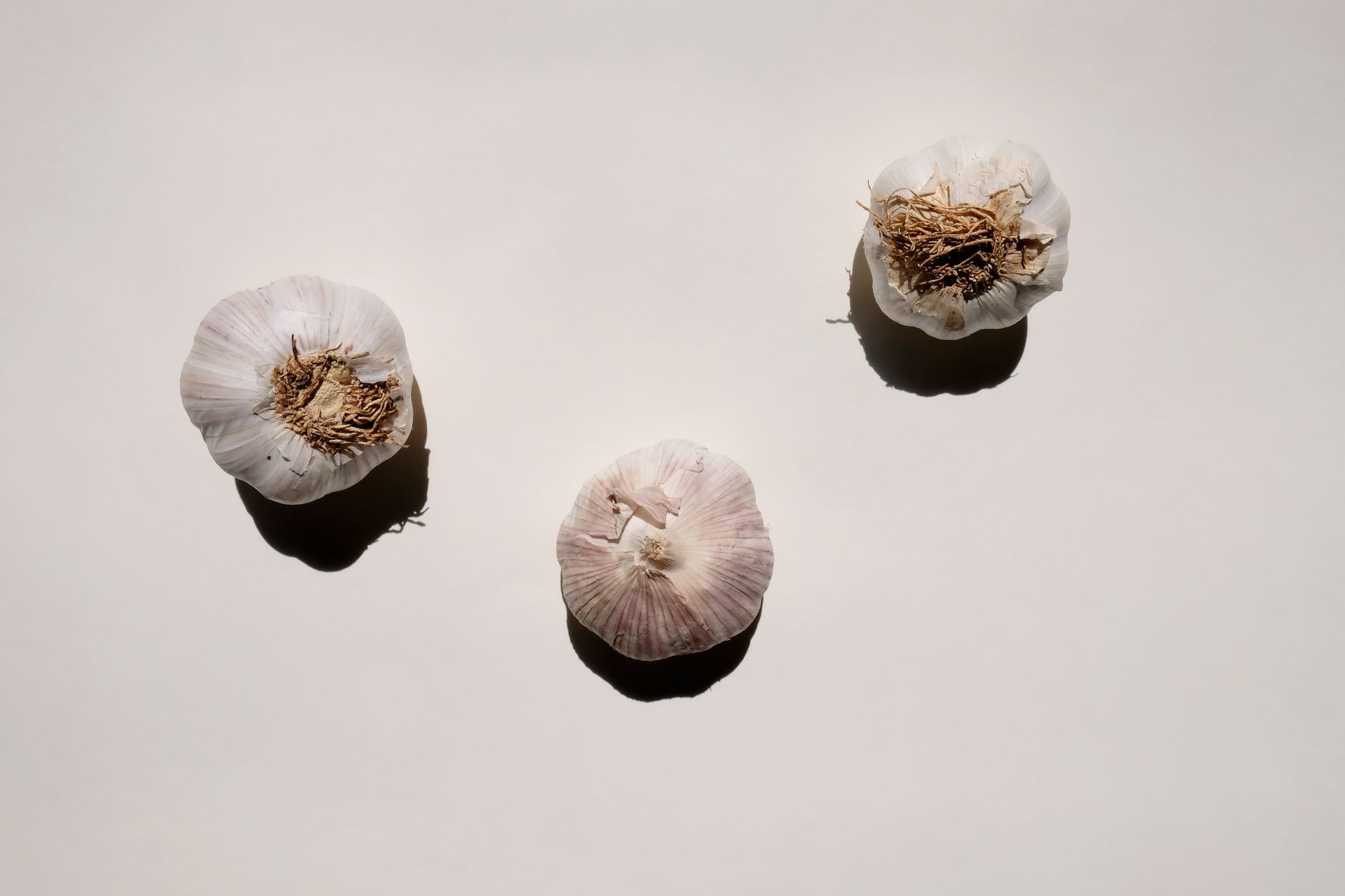
Compare fresh garlic and aged garlic for health, flavor, and growing. Learn which to plant, how to age your own, and realistic costs for 2026.
If you are wondering whether aged garlic is worth the hype or the higher price, the short answer is: it depends on what you want. Fresh garlic gives you bold flavor and allicin, while aged garlic (often called black garlic) offers a milder, sweeter taste and different antioxidants, but it is not a substitute in cooking. For gardeners, the real question is whether to grow your own aged garlic or buy it. Here is what I have learned from years of growing and experimenting.
What is aged garlic?
Aged garlic is fresh garlic that has been slowly fermented at low heat (around 140 to 170°F) for several weeks. This process turns cloves dark brown or black, softens their texture, and transforms their sharp, pungent flavor into something sweet and balsamic-like, with hints of molasses or tamarind. The aging process reduces allicin, the compound responsible for fresh garlic’s bite and many of its health benefits, but it increases other antioxida
 nts like S-allyl cysteine, which some studies suggest may support heart health.
Fresh garlic: the culinary workhorse
Fresh garlic is what you grow in your garden or buy at the store. It is sharp, spicy, and essential in countless recipes. The key compound, allicin, forms when you crush or chop a clove and is most potent when raw. Fresh garlic also stores well if cured properly, lasting 6 to 8 months under the right conditions.
For cooking, fresh garlic is irreplaceable. You cannot use aged garlic in a savory stir-fry or a tomato sauce and get the same result. Aged garlic is better as a spread, a condiment, or a sweet-savory addition to dressings and marinades.
Health benefits: what the science says
Fresh garlic has been studied for its antimicrobial and cardiovascular benefits, largely due to allicin. Aged garlic, on the other hand, contains S-allyl cysteine, which is more stable and may have antioxidant and anti-inflammatory effects. Some research suggests aged garlic may help lower blood pressure and cholesterol, but the evidence is not conclusive. Neither is a miracle cure, but both are healthy additions to your diet.
If you are growing garlic for health, fresh garlic gives you the most allicin, but only if you eat it raw or lightly cooked. Aged garlic is easier on the stomach and has a more mellow flavor, which some people prefer.
Growing garlic: fresh vs aged
You can grow fresh garlic easily in most climates. Plant cloves in fall, about 4 to 6 weeks before the ground freezes, in USDA zones 3 to 8. Space cloves 6 inches apart, 2 inches deep, in well-drained soil with full sun. Harvest in early summer when the lower leaves turn brown.
Aged garlic is not a different variety; it is fresh garlic that you process after harvest. You can age your own garlic at home, but it requires a low-temperature oven or a dehydrator with a thermostat, and it takes 2 to 4 weeks. That is a long time to tie up your oven, so most people buy it.
How to age your own garlic
If you want to try making aged garlic at home, here is a method that works:
- Use fresh, cured garlic bulbs. Softneck varieties like ‘California Early’ or ‘Inchelium Red’ work well.
- Wrap each bulb in aluminum foil or place them in a small ceramic dish with a lid.
- Set your oven to 140°F (or the lowest setting, often 170°F). If your oven cannot go that low, use a dehydrator with a temperature control.
- Leave the garlic in for 2 to 4 weeks. The longer you leave it, the darker and sweeter it becomes.
- Check periodically to ensure it does not dry out or burn. It should be soft and black when done.
This method is slow and uses electricity, so it is not cost-effective for large quantities. For a few bulbs, it is a fun experiment.
Buying aged garlic: what to expect in 2026
If you prefer to buy aged garlic, expect to pay $15 to $25 for a 4-ounce jar, or $30 to $50 per pound, depending on the brand and quality. Fresh garlic, by comparison, costs $2 to $4 per pound at retail, or about $1 per pound if you grow your own. Aged garlic is a specialty product, so the price reflects the time and energy required.
Which should you grow or buy?
For most gardeners, growing fresh garlic is a no-brainer. It is easy, productive, and saves money. For aged garlic, I recommend buying it in small amounts for special recipes, unless you enjoy the slow process of making it yourself. If you have a dehydrator with a thermostat, making a few bulbs is a fun weekend project, but do not expect to replace your fresh garlic supply.
FAQ
Can I use aged garlic in place of fresh garlic in recipes?
No. Aged garlic has a completely different flavor and texture. Use it as a spread or in dressings, but do not substitute it in recipes that call for fresh garlic.
Does aged garlic have more health benefits than fresh garlic?
Both have benefits, but they are different. Fresh garlic has allicin, which is antimicrobial, while aged garlic has S-allyl cysteine, which may be more antioxidant. Neither is superior overall.
How long does aged garlic last?
Store-bought aged garlic in a sealed jar can last for months in the pantry. Once opened, refrigerate it and use within a few weeks. Homemade aged garlic should be stored in an airtight container in the fridge and used within a month.
Can I age any garlic variety?
Yes, but softneck varieties are easier to peel and process. Hardneck varieties work too, but they have a stronger flavor and may take longer to mellow.
The bottom line
Fresh garlic is the backbone of your kitchen and your garden. Grow it, cook with it, and enjoy its bold flavor. Aged garlic is a delicious, mellow treat, but it is not a replacement. Buy it if you want convenience, or try aging a few bulbs at home for fun. Either way, you will be adding a healthy, flavorful allium to your table.
Now, if you are ready to plant, choose a softneck variety for storage or a hardneck for flavor, and get those cloves in the ground before the first hard freeze. Your future self will thank you.