Garlic gardening for beginners
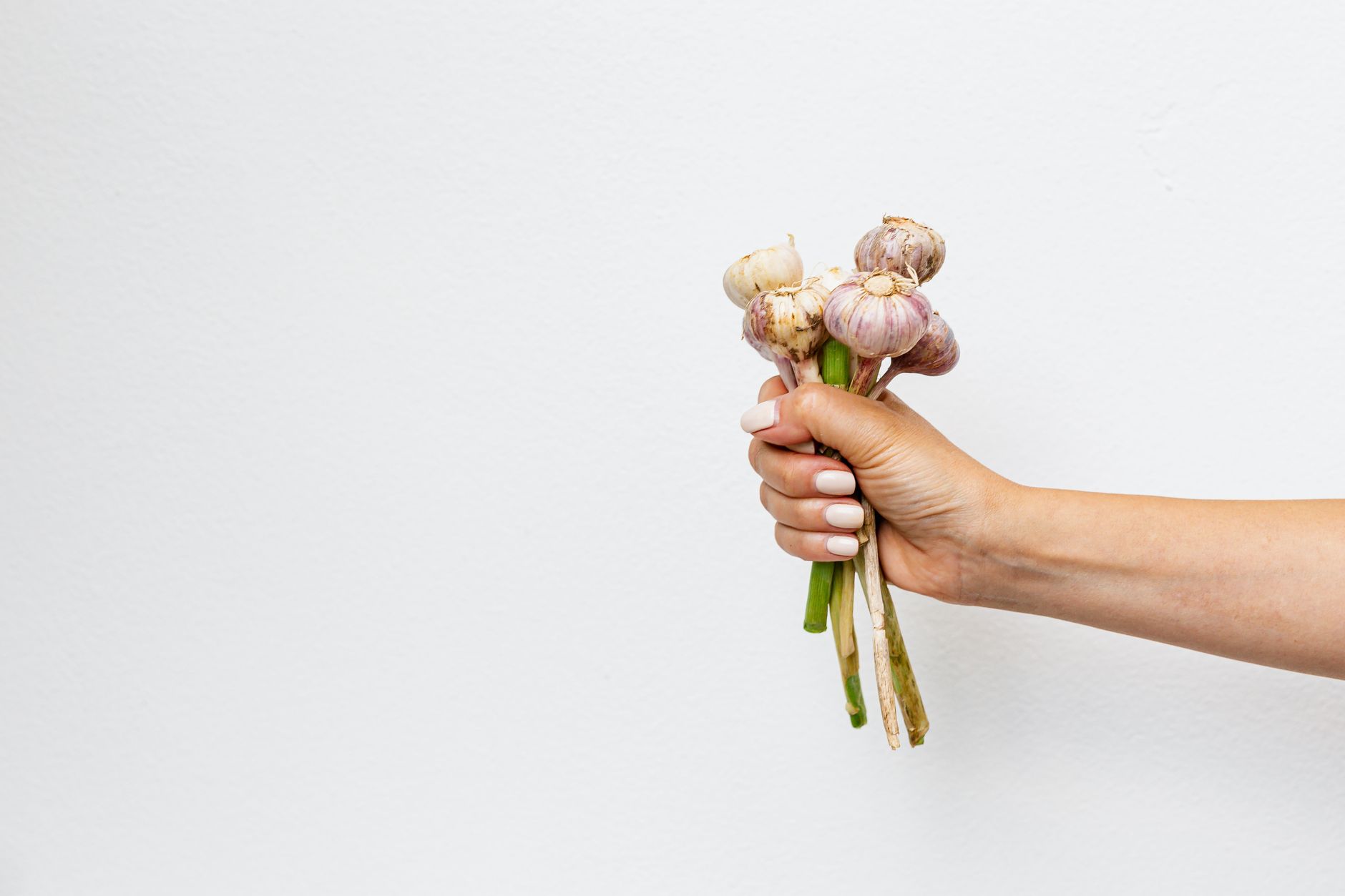
Learn how to plant, grow, and harvest garlic successfully in your garden. Covers varieties, planting dates, soil prep, and troubleshooting for beginners.
If you want to grow garlic, the good news is that it is one of the easiest crops for a beginner. Plant cloves in fall, wait through winter, and harvest in summer. The two keys to success are choosing the right variety for your climate and planting at the correct depth. This guide walks you through every step, from soil prep to curing, so you can avoid the common mistakes that cost new growers their crop.
Choose the right garlic type
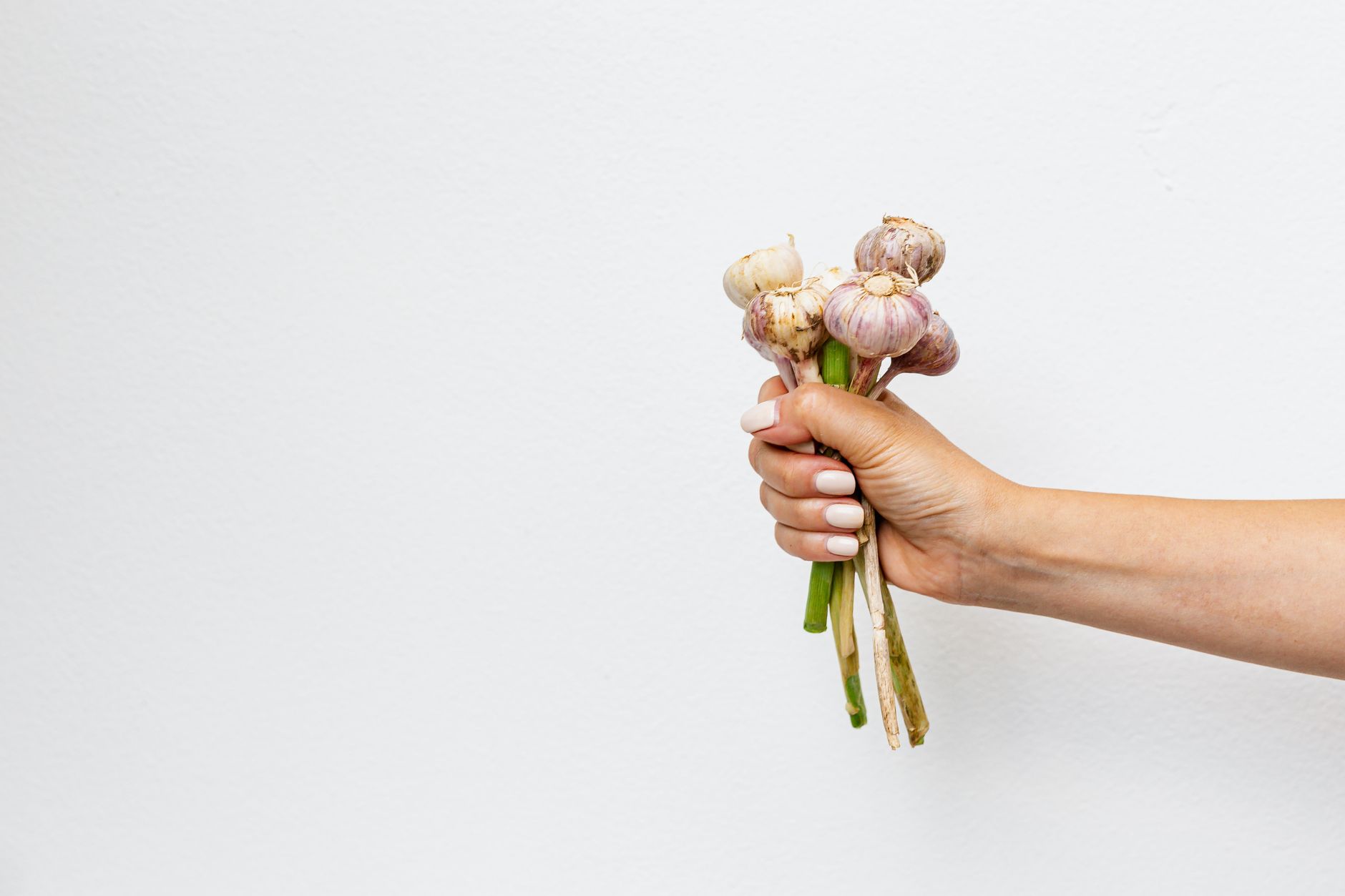
Garlic comes in two main types: hardneck and softneck. Hardneck garlic produces a flower stalk (scape) and has fewer, larger cloves. It prefers cold winters and does well in USDA zones 3-7. Softneck garlic does not produce a scape, stores longer, and is better for zones 8-10. For zones 7 and warmer, softneck is your safest bet. In colder zones, hardneck gives you that classic, robust flavor.
Popular hardneck varieties include ‘Music’ (zones 3-7), ‘German Extra Hardy’ (zones 3-7), and ‘Chesnok Red’ (zones 4-7). For softneck, try ‘California Early’ (zones 5
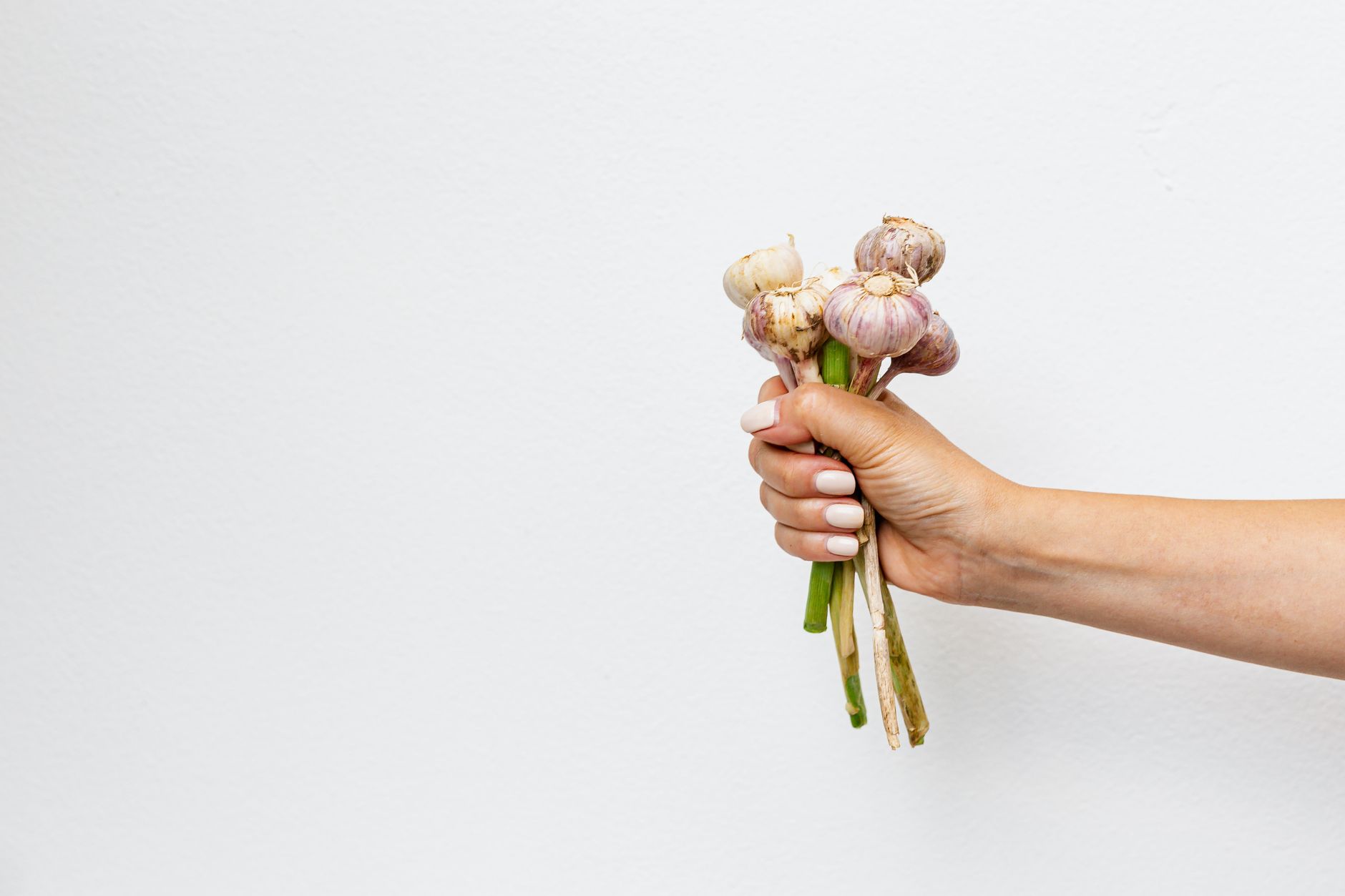 -9) or ‘Inchelium Red’ (zones 5-9). If you live in a mild winter area, softneck is the way to go.
When to plant garlic
Plant garlic in fall, 4 to 6 weeks before the ground freezes. This gives the cloves time to root before winter. In zones 3-5, that means late September to mid-October. In zones 6-7, aim for mid-October to mid-November. In zones 8-10, you can plant from late October through December. If you miss the fall window, you can plant in early spring, but expect smaller bulbs.
Prepare the soil
Garlic needs well-drained soil with a pH between 6.0 and 7.0. It does not like wet feet, so if your soil is heavy clay, consider raised beds or amend with compost. Before planting, loosen the soil to at least 8 inches deep. Mix in 2 to 3 inches of compost and a balanced fertilizer like 10-10-10 at a rate of 1 pound per 100 square feet. Avoid fresh manure, which can cause disease.
Plant the cloves
Break apart the garlic bulb into individual cloves, keeping the papery skin on. Choose the largest cloves for planting; smaller ones produce smaller bulbs. Plant each clove pointy side up, 2 to 3 inches deep, measured from the top of the clove to the soil surface. Space cloves 6 inches apart in rows that are 12 inches apart. In warmer zones, plant a bit shallower, about 1 to 2 inches deep.
After planting, water thoroughly. Then mulch with 3 to 4 inches of straw or shredded leaves. This insulates the soil, prevents frost heaving, and suppresses weeds. In spring, pull back some mulch once shoots appear.
Care through the growing season
Garlic needs consistent moisture, about 1 inch of water per week, especially in spring when bulbs are forming. Stop watering about 2 weeks before harvest to let the bulbs cure. Fertilize in early spring with a nitrogen-rich feed like blood meal or fish emulsion, at a rate of 1 tablespoon per plant, worked into the top inch of soil.
For hardneck garlic, you will see scapes curl in late spring. Cut them off with scissors or snap them off. This directs energy to the bulb. Scapes are edible and make a great pesto.
Watch for pests like onion thrips and diseases like white rot. Rotate crops and avoid planting garlic where onions or other alliums grew the previous year.
Harvest and cure garlic
Garlic is ready to harvest when the lower leaves turn brown, but the upper leaves are still green. This is usually 8 to 10 months after planting, often in July or August. Dig up a bulb to check; it should be fully formed. Do not pull by the leaves, as they may break.
Use a garden fork to loosen the soil, then lift the bulbs gently. Shake off excess soil, but do not wash them. Cure garlic in a dry, shaded, well-ventilated area for 2 to 4 weeks. Hang them in bundles or lay them on a screen. Once the leaves are completely dry and the skin is papery, trim the roots and cut the stems to 1 inch above the bulb. Store in a cool, dry place (50-60°F) with good air circulation. Softneck garlic can store for 6 to 8 months; hardneck for 3 to 5 months.
Common problems and solutions
- Small bulbs: Usually from planting too late, too shallow, or overcrowding. Plant on time, at the right depth, and space properly.
- Mold or rot: Often due to poor drainage or overwatering. Improve soil drainage and water less.
- No cloves formed: This can happen if you plant grocery store garlic that has been treated to prevent sprouting. Always buy seed garlic from a nursery or farm.
- Rust or white rot: These fungal diseases are hard to control. Rotate crops and remove infected plants immediately.
FAQ
Can I plant garlic from the grocery store?
It is possible, but not recommended. Grocery store garlic may be treated with sprout inhibitors, and it may carry diseases. Seed garlic from a reputable source is healthier and adapted to your region.
When should I harvest garlic scapes?
Cut scapes when they curl, usually in late spring. This is when they are tender and flavorful. Leaving them on will reduce bulb size.
How deep do I plant garlic?
Plant cloves 2 to 3 inches deep, measured from the top of the clove. In warmer zones, plant 1 to 2 inches deep. Deeper planting helps in cold climates.
Why is my garlic not forming bulbs?
This can be due to planting too late, insufficient sunlight (garlic needs full sun, 6+ hours), or lack of nutrients. Ensure proper planting time and fertilize in spring.
The bottom line
Growing garlic is a rewarding project for any gardener. Pick the right variety for your zone, plant in fall at the correct depth, and give it consistent care. With a little patience, you will harvest bulbs that taste far better than anything from the store. Start with a few bulbs this fall, and you will be hooked.