Bunching onions vs scallions
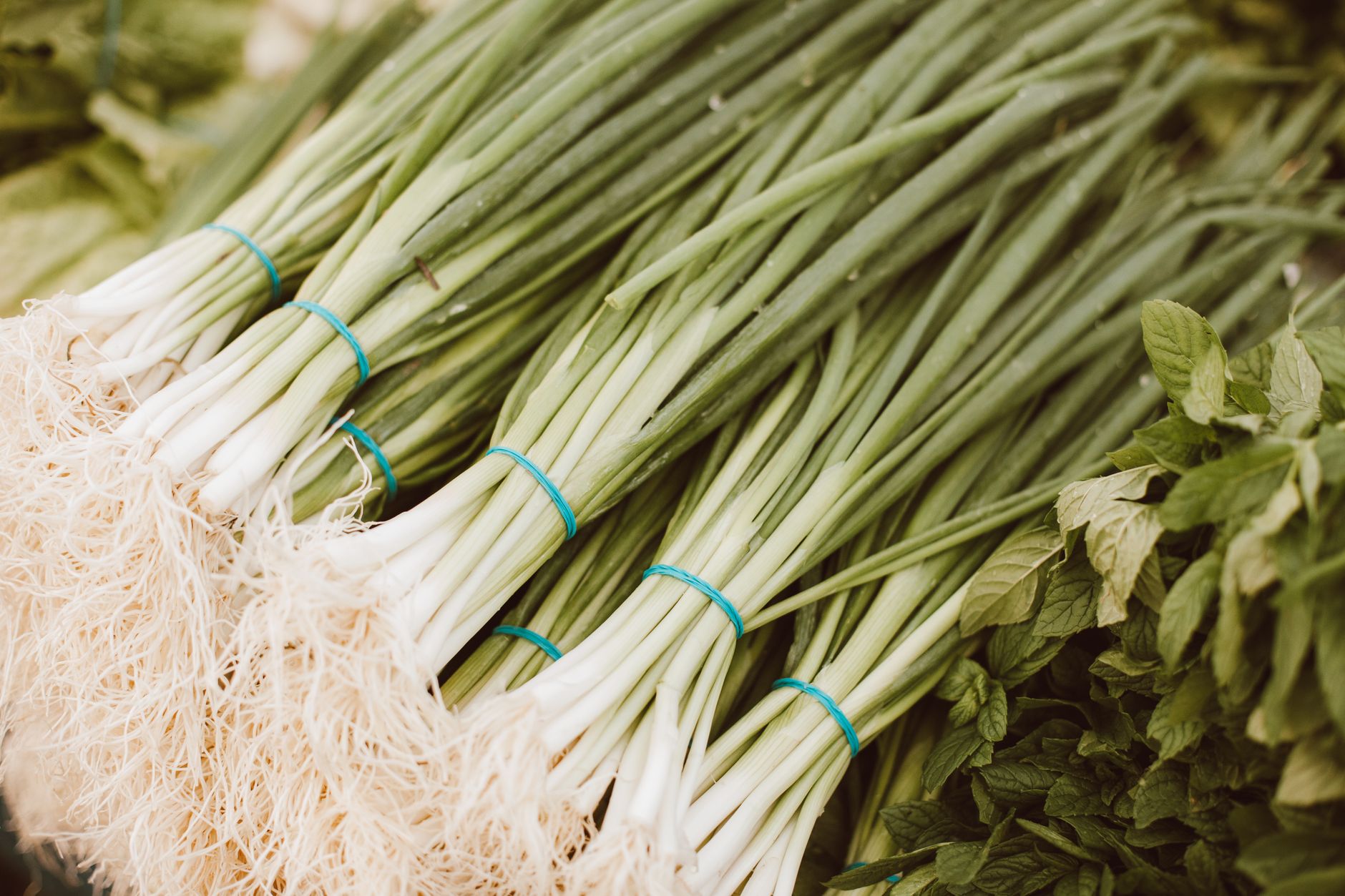
Learn the real differences between bunching onions and scallions, including varieties, planting, harvesting, and uses, with practical tips for home gardeners.
Bunching onions and scallions are often used interchangeably, but they are not the same thing. Scallions are any onion harvested young before the bulb forms, while bunching onions are a specific type of onion (Allium fistulosum) that never forms a bulb. This guide explains the differences, how to grow each, and which to choose for your garden.
What is the difference?
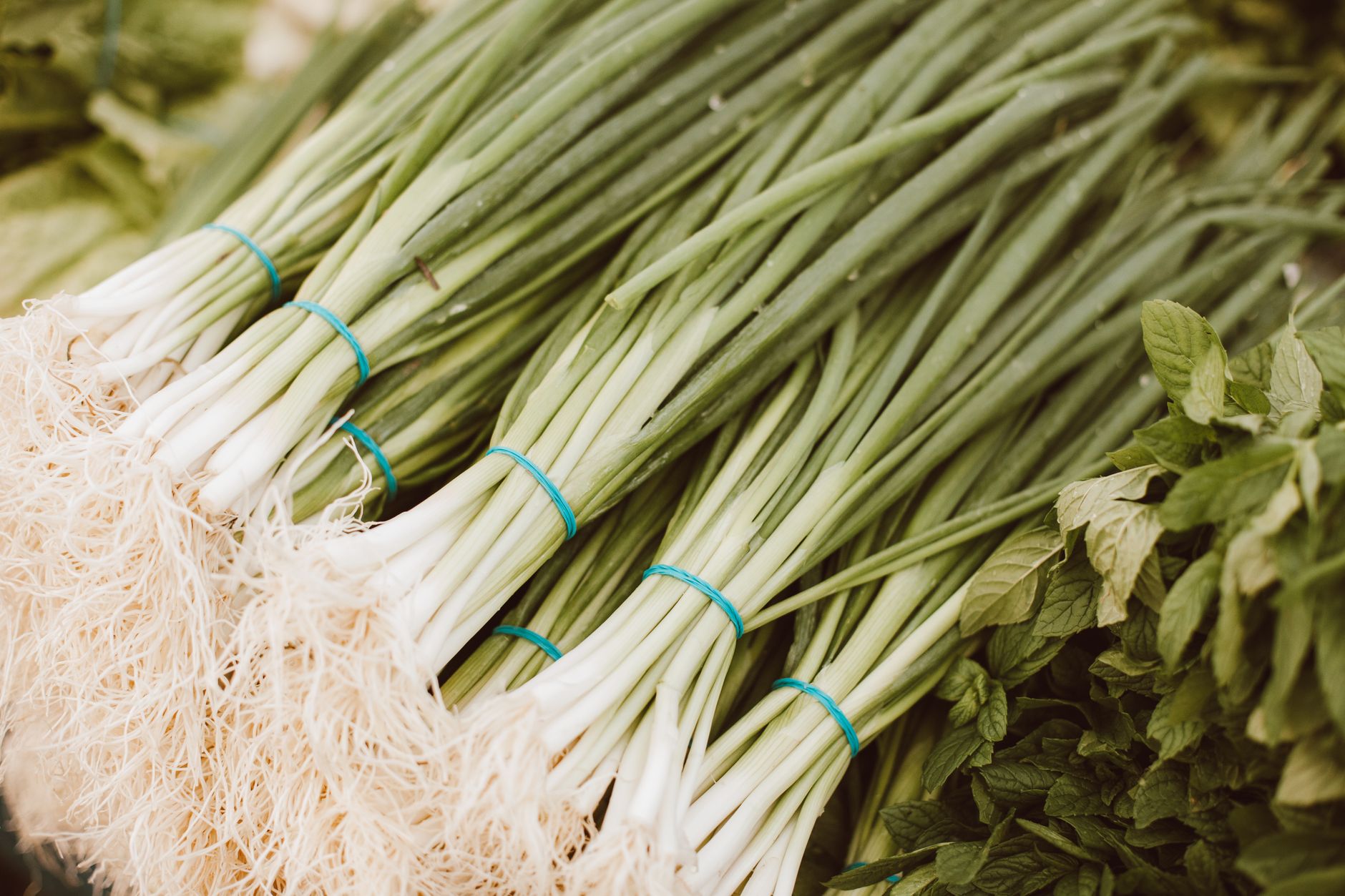
Scallions are immature onions pulled early, typically 50 to 60 days after sowing. They have a small, barely swollen base and a mild flavor. You can grow scallions from any onion variety, including standard bulb onions like ‘Yellow Sweet Spanish’ or ‘Red Burgermaster’, if you harvest them early.
Bunching onions, also called green onions or Welsh onions, are a distinct species, Allium fistulosum. They form clusters of slender stalks that stay thin and never bulb, even at maturity. They are perennial in USDA zones 5 to 9, meaning they come back year after year. Common varieties include ‘Evergreen Hardy White’, ‘Tokyo Long White’, and ‘Red Beard’.
In the store, both are sold as “green onions” or “scallions”, but for the gardener, the distinction matters: bunching o
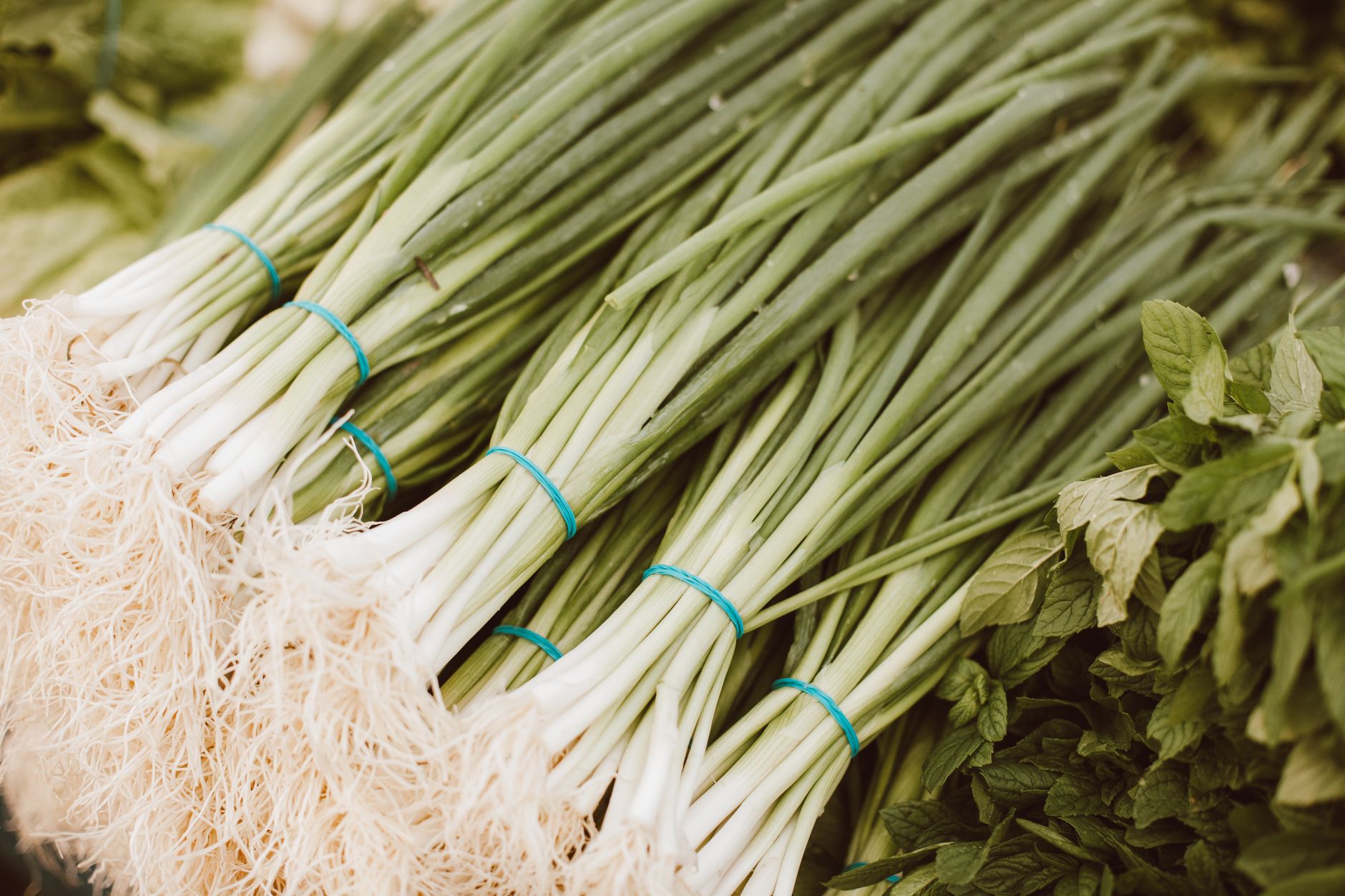 nions are a reliable perennial crop, while scallions are a quick harvest from any onion seed.
Growing bunching onions
Bunching onions are easy to grow from seed or divisions. They prefer full sun and well-drained soil with a pH between 6.0 and 7.0. Plant seeds directly in the garden as soon as the soil can be worked in spring, or start indoors 6 to 8 weeks before your last frost.
- Spacing: Sow seeds 1/4 inch deep, 1 inch apart in rows 12 inches apart. Thin to 2 to 3 inches apart for larger stalks.
- Planting time: Direct sow in early spring (as soon as soil is 50°F) or late summer for a fall crop. In mild climates, you can plant in fall for winter harvest.
- Watering: Keep soil consistently moist, about 1 inch per week.
- Fertilizing: Side-dress with compost or a balanced fertilizer (10-10-10) once a month.
- Harvesting: Cut individual stalks at the base with scissors or a knife, leaving the roots in the ground. The plant will regrow. For a full harvest, dig up the entire clump and divide.
Bunching onions are perennial, so they will survive winter in many zones. In colder areas (zone 4 and below), mulch heavily or grow them as annuals.
Growing scallions from bulb onions
If you want scallions, you can simply sow any onion seed thickly and harvest early. This is a great way to use extra seed or thin out a row of bulb onions.
- Planting: Sow seeds 1/4 inch deep, 1/2 inch apart in rows 12 inches apart. No need to thin if you are harvesting as scallions.
- Time to harvest: 50 to 60 days from seed, when stalks are about 12 inches tall and the base is less than 1 inch wide.
- Harvesting: Pull the entire plant, roots and all, and rinse. Use immediately or store in the fridge for up to a week.
You can also plant onion sets (small bulbs) and pull them early. For example, plant ‘Stuttgarter’ sets in spring and harvest as scallions in 4 to 6 weeks.
Varieties to try
For bunching onions, choose perennial types:
| Variety | Description |
|---|---|
| ‘Evergreen Hardy White’ | Classic, mild, vigorous, hardy to zone 4. |
| ‘Tokyo Long White’ | Tall, white stalks, very mild, good for salads. |
| ‘Red Beard’ | Red-tinged stalks, slightly spicy, ornamental. |
| ‘Parade’ | Hybrid, fast-growing, uniform, good for bunching. |
For scallions from bulb onions, any variety works, but these are known for good scallion quality:
| Variety | Description |
|---|---|
| ‘White Lisbon’ | Standard for scallions, quick to mature. |
| ‘Red Burgermaster’ | Red-skinned, mild, also good for bulbs. |
| ‘Yellow Sweet Spanish’ | Sweet, large, but harvest early for scallions. |
Harvesting and storing
Harvest bunching onions by cutting the greens about 2 inches above the soil line. They will regrow, giving you multiple harvests from one planting. For scallions, pull the whole plant when the base is about the size of a pencil.
Store both in the refrigerator in a plastic bag. They will keep for 5 to 7 days. For longer storage, chop and freeze them, or dry them in a dehydrator.
Cooking and uses
Both bunching onions and scallions are used similarly: chopped raw in salads, stir-fries, soups, and as a garnish. Bunching onions tend to be slightly more pungent when mature, but the young stalks are mild. Scallions from bulb onions are often sweeter and more tender.
Use the white part for cooking (it holds up to heat) and the green part raw for color and flavor.
FAQ
Can I use bunching onions like regular onions in cooking? Bunching onions are milder than storage onions. Use them fresh or lightly cooked. They are not suitable for long-cooking dishes where you need a strong onion flavor; use bulb onions for that.
Do bunching onions come back every year? Yes, in USDA zones 5 to 9, they are perennial. In colder zones, treat them as annuals or overwinter indoors.
Can I grow scallions from kitchen scraps? Yes, place the white root ends in a glass of water, change water daily, and they will regrow greens. This works for scallions and bunching onions, but the regrowth is limited; it is better to plant them in soil for a more sustained harvest.
When should I plant bunching onions for a fall harvest? Sow seeds in late summer, about 8 weeks before your first fall frost. They will grow in cool weather and can be harvested into early winter.
The bottom line
Bunching onions and scallions are both easy to grow, but they serve different purposes. Bunching onions are a perennial, low-maintenance crop that provides multiple harvests for years. Scallions are a quick crop from any onion seed, perfect for impatient gardeners. For a continuous supply, plant both: a row of bunching onions for long-term use, and a patch of scallions for early harvests. Start with ‘Evergreen Hardy White’ for bunching and ‘White Lisbon’ for scallions, and you will have green onions all season.
Whether you choose bunching onions or scallions, the key is to harvest young and often. This encourages new growth and keeps the flavor mild. With minimal effort, you can have a steady supply of fresh green onions from early spring to late fall.