Boiling onions vs pearl onions
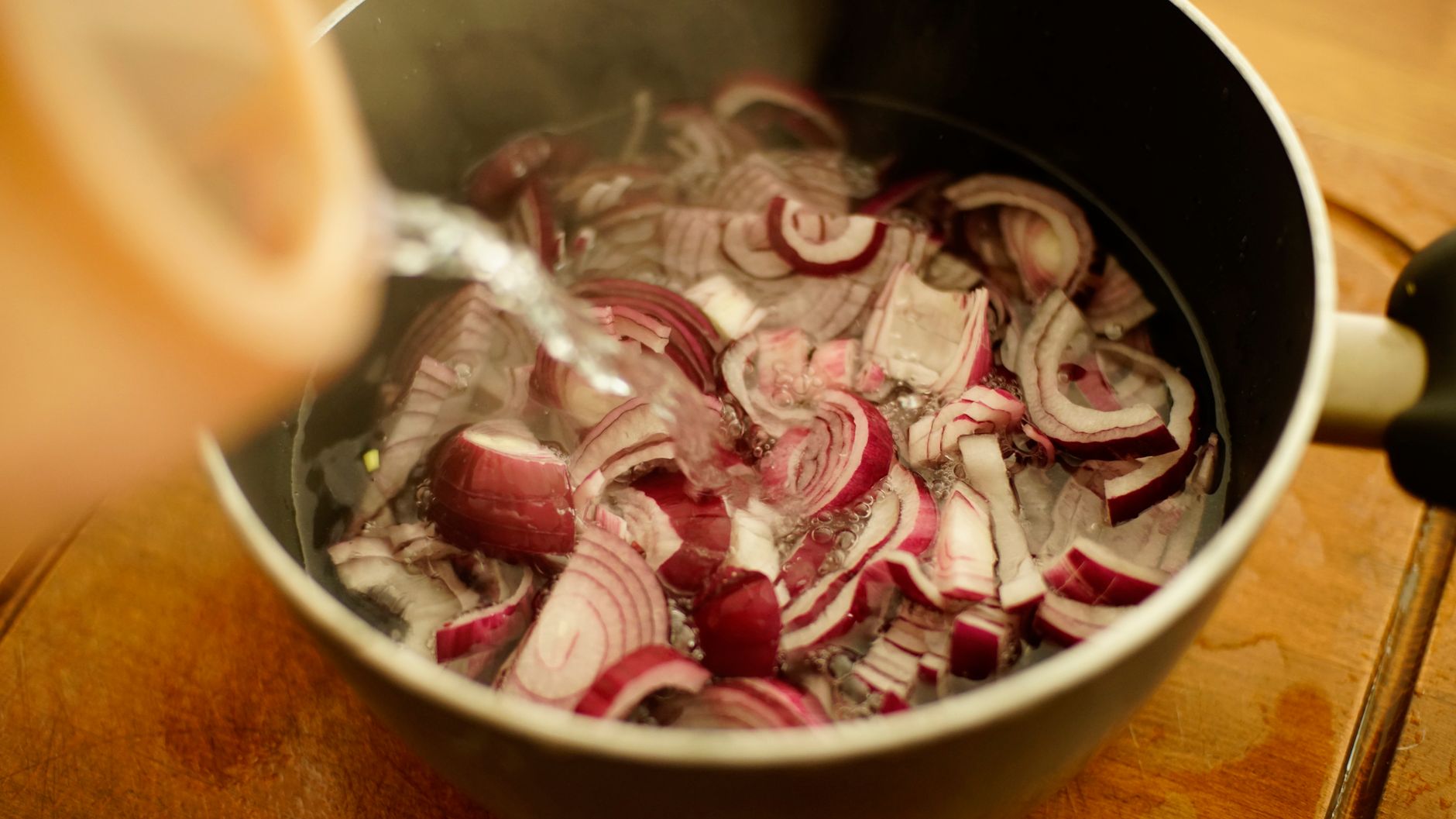
Learn the differences between boiling and pearl onions, including size, flavor, growing tips, and best uses. Choose the right onion for your garden and kitchen.
Boiling onions and pearl onions are both small, mild onions, but they are not the same. Boiling onions are larger, about 1 to 2 inches in diameter, while pearl onions are smaller, typically under 1 inch. Boiling onions are grown from specific varieties and are harvested young, while pearl onions are often just regular onion varieties picked early. This guide explains the differences in flavor, growing, and cooking, so you can decide which to plant or buy.
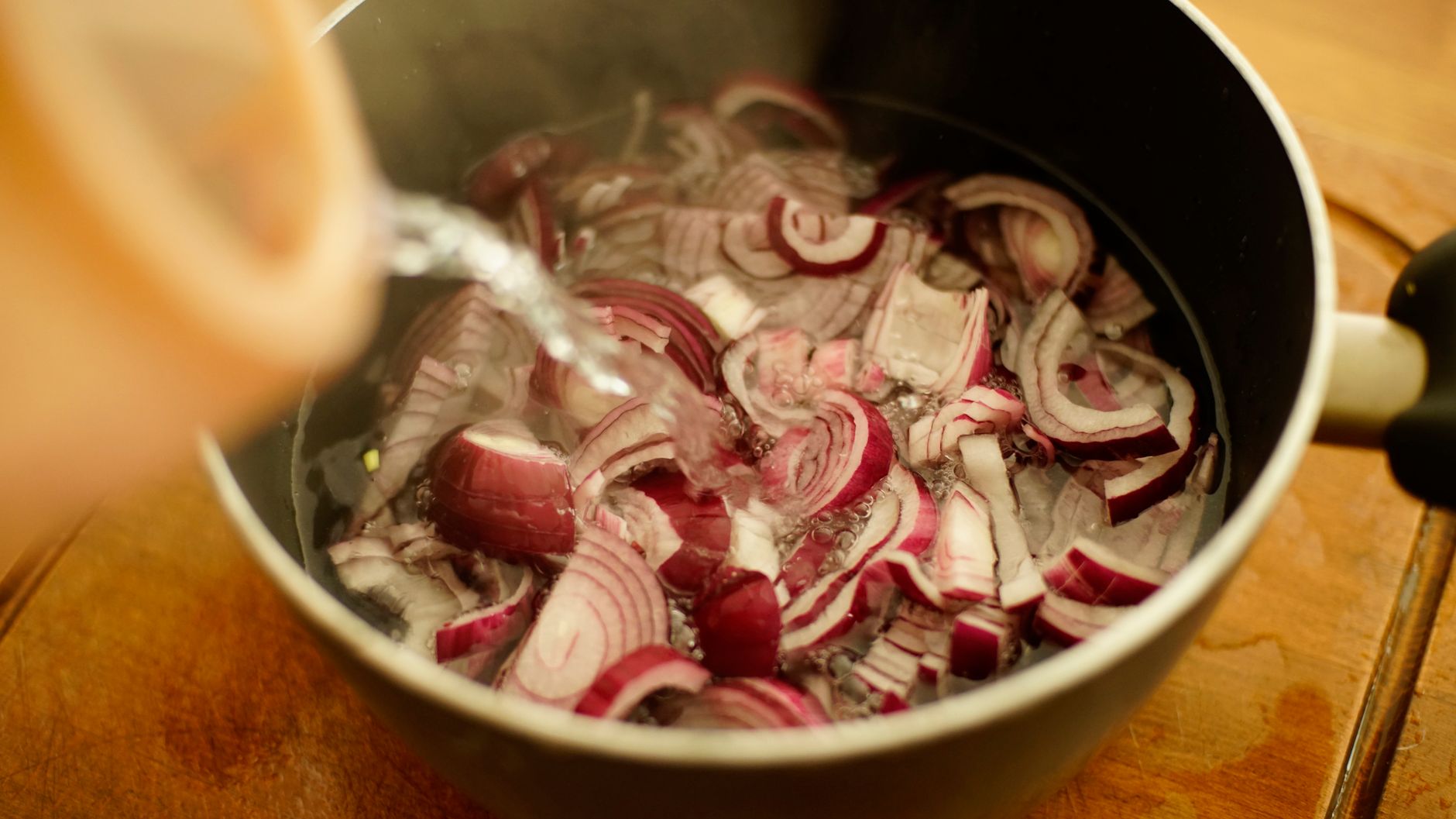
What are boiling onions?
Boiling onions are small onions, usually 1 to 2 inches across, with a mild, sweet flavor. They are called “boiling” because they hold their shape when simmered in stews, soups, and braises. They are not a separate species; they are simply onion varieties that are planted densely and harvested early. Common varieties include ‘Cipollini’ (actually a flat, Italian boiling onion), ‘Purplette’ (a small purple onion), and ‘Red Marble’ (a red boiling onion).
Boiling onions are typically planted in early spring (zones 3-9) and harvested in early summer, about 60 to 70 days after planting sets. They can also be grown from seed, but sets are easier and faster. Plant sets 1 inch deep and 2 inches
 apart in rows 12 inches apart. They need full sun and well-drained soil with a pH of 6.0 to 7.0.
What are pearl onions?
Pearl onions are tiny, usually less than 1 inch in diameter, with a delicate, sweet flavor. They are often used whole in cocktails, pickled, or roasted. Like boiling onions, they are not a distinct species but are regular onion varieties harvested very early. Common varieties include ‘White Pearl’, ‘Red Pearl’, and ‘Golden Pearl’. These are often grown from seed, planted in early spring, and harvested in about 60 days.
Pearl onions are more labor-intensive to peel, but their small size makes them ideal for elegant dishes. They are also more expensive to buy, often $4 to $6 per pound, whereas boiling onions are $2 to $3 per pound.
Key differences: size, flavor, and use
| Feature | Boiling Onions | Pearl Onions |
|---|---|---|
| Size | 1-2 inches | Less than 1 inch |
| Flavor | Mild, slightly sweet | Very mild, sweet |
| Best uses | Stews, soups, roasting | Pickling, cocktails, roasting whole |
| Growing time | 60-70 days | 60 days |
| Price (2026) | $2-$3 per pound | $4-$6 per pound |
Boiling onions are more versatile in cooking because they can be chopped or used whole. Pearl onions are best used whole, as peeling many tiny onions is tedious. If you want a steady supply of small onions for cooking, boiling onions are more practical. If you want to impress with tiny pickled onions, grow pearl onions.
How to grow them in your garden
Both types are easy to grow, but they have slightly different needs.
Growing boiling onions
- Plant sets (small bulbs) in early spring, as soon as soil can be worked, in zones 3-9.
- Space sets 2 inches apart, 1 inch deep, in rows 12 inches apart.
- Harvest when bulbs reach 1-2 inches, usually 60-70 days.
- For a fall crop, plant in late summer in zones 7-9.
Growing pearl onions
- Start from seed indoors 8-10 weeks before last frost, or sow directly in early spring.
- Thin seedlings to 1 inch apart.
- Harvest when bulbs are less than 1 inch, about 60 days.
- In mild zones (8-10), you can plant in fall for a spring harvest.
Both need consistent moisture and fertile soil. Add compost before planting. Onions are heavy feeders, so side-dress with nitrogen fertilizer (like blood meal) at 3 weeks and 6 weeks.
Cooking with boiling and pearl onions
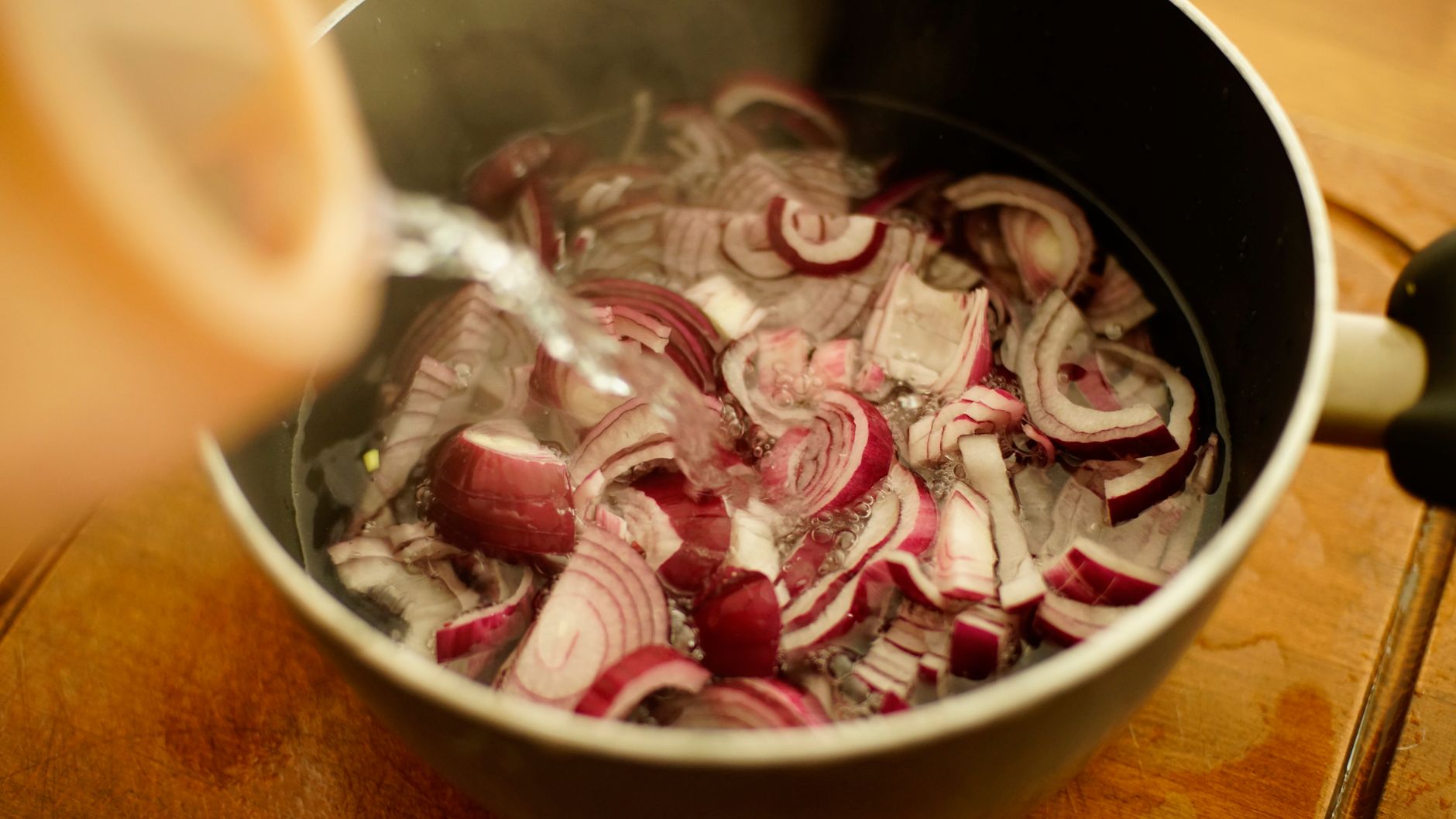
Boiling onions are perfect for beef stew, pot roast, and roasted vegetable medleys. They hold their shape when simmered. To peel them easily, blanch in boiling water for 30 seconds, then plunge into ice water; skins slip off.
Pearl onions are classic in coq au vin, boeuf bourguignon, and as a garnish for martinis. They are also great pickled. Use the same blanching method to peel them.
If you have a surplus, both can be frozen. Peel and blanch for 2 minutes, then freeze in a single layer on a baking sheet, then transfer to bags. They will keep for 6 months.
Which one should you choose?
Choose boiling onions if you want a versatile, easy-to-grow onion for everyday cooking. They are more productive per square foot because they are larger. Choose pearl onions if you want to make pickled onions or elegant dishes, and you don’t mind the extra peeling. For most gardeners, boiling onions are the better investment.
FAQ
Can I use pearl onions instead of boiling onions in a recipe?
Yes, but adjust cooking time. Pearl onions cook faster, so add them later. They also have a milder flavor, so you may need to add more to get the same onion taste.
Are boiling onions just immature regular onions?
Yes, they are regular onion varieties harvested early. But some varieties, like ‘Cipollini’, are bred specifically for small size and flat shape.
How do I store boiling and pearl onions?
Cure them in a warm, dry place for 2 weeks, then store in a cool, dark, dry place. They will keep for 1 to 2 months. Pearl onions have a shorter shelf life, about 3 weeks.
Can I grow pearl onions from sets?
You can, but sets are less common. Seeds offer more variety. If you use sets, plant them 1 inch apart and harvest early.
The bottom line
Boiling onions and pearl onions are both small, mild onions, but they differ in size, flavor, and use. Boiling onions are larger, more versatile, and easier to grow, making them ideal for most gardeners. Pearl onions are tiny, sweet, and best for pickling or elegant dishes. Choose based on your cooking needs and available space. For a practical harvest, plant boiling onion sets this spring; you will have a steady supply for stews and roasts by early summer.