Best way to store shallots
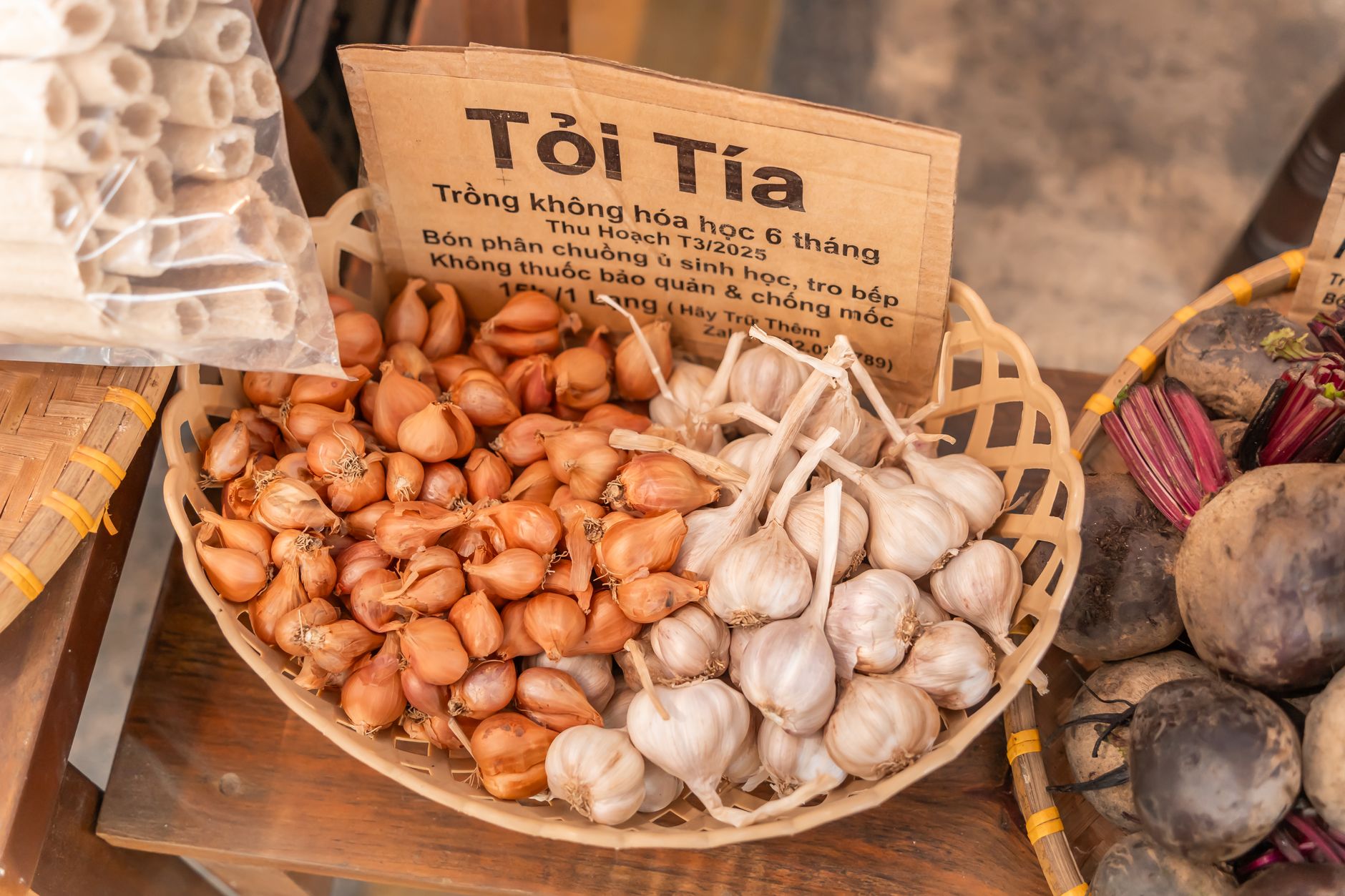
Learn the best way to store shallots: cure, trim, and keep them in a cool, dry, dark place for up to 8 months. Step-by-step guide with real tips.
The best way to store shallots is to cure them thoroughly after harvest, then keep them in a cool (50-60°F), dry, dark, well-ventilated place, such as a mesh bag or wire basket in a pantry or basement. Properly cured and stored shallots will keep for 6 to 8 months, while poorly cured ones may sprout or rot within weeks. Here’s the exact process I use on my farm, with the mistakes I’ve made so you don’t have to.
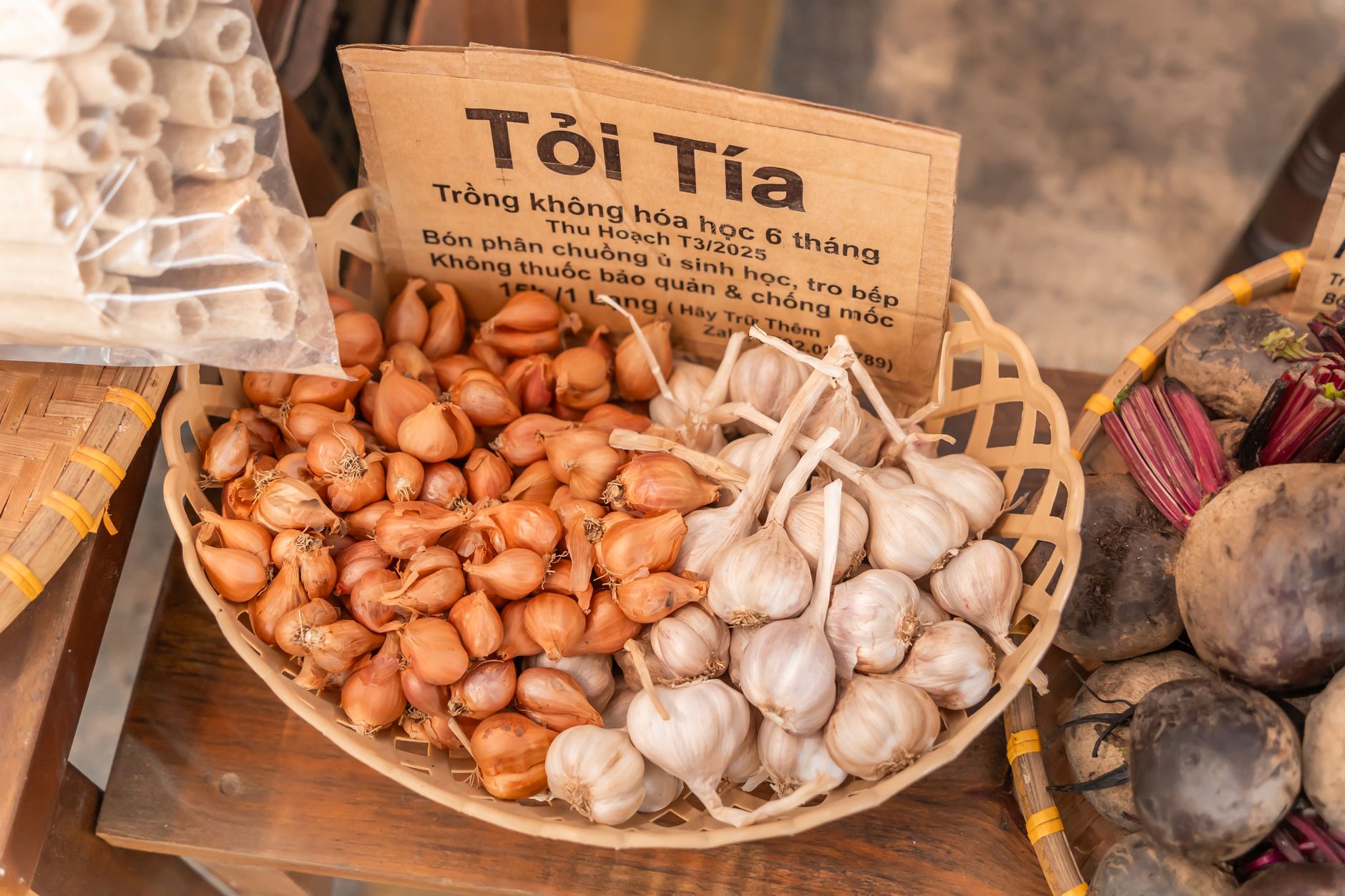
Why curing matters
Shallots are like onions: they need to dry out their necks and outer skins before storage. If you skip curing, moisture trapped inside leads to mold and rot. Curing also toughens the skin, which protects against pests an
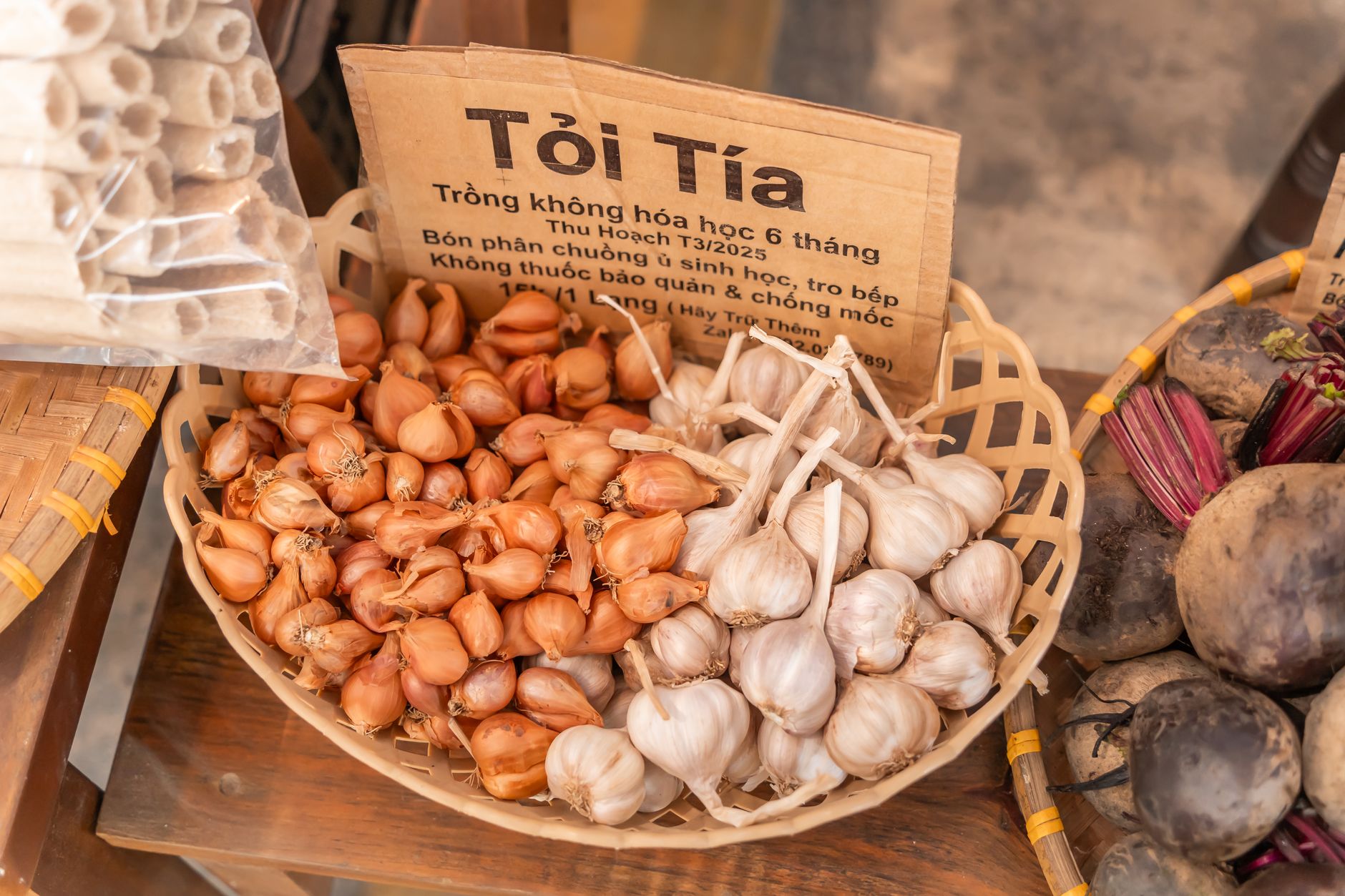 d dehydration. Plan to cure for 2 to 3 weeks in a warm, dry, airy spot out of direct sun.
Step-by-step: harvest to storage
1. Harvest at the right time
Stop watering shallots 2 weeks before harvest. When the tops flop over and start to yellow, that’s your cue. Gently lift with a fork, not a shovel, to avoid bruising. Do this on a dry day, ideally after a few days of no rain.
2. Cure properly
Leave the tops and roots on. Lay shallots in a single layer on a wire rack, hardware cloth, or a clean, dry pallet. Place them in a greenhouse, shed, or covered porch with good airflow. Avoid direct sunlight, which can scald them. Cure for 2 to 3 weeks until the necks are completely dry and the skins are papery. In humid climates, run a fan to keep air moving.
3. Trim for storage
Once cured, cut the tops down to 1 inch and the roots to 1/4 inch. Brush off loose dirt, but do not wash. Washing reintroduces moisture and invites rot. Sort out any with soft spots, cuts, or signs of disease; use those first within a few weeks.
4. Choose the right container
Use mesh bags, wire baskets, or shallow cardboard boxes with holes. The key is airflow. Avoid plastic bags, sealed containers, or stacking more than 2 layers deep. I use 10-gallon mesh produce bags (about $8 for a pack of 10) and hang them from hooks in my pantry.
5. Find the ideal spot
Store at 50-60°F with 60-70% humidity. A basement, garage, or cool pantry works. Keep them in the dark; light triggers sprouting. Check every 2 weeks and remove any that soften or sprout.
Storage options compared
| Method | Temperature | Humidity | Shelf life | Best for |
|---|---|---|---|---|
| Mesh bag in pantry | 50-60°F | 60-70% | 6-8 months | Most homes |
| Wire basket in basement | 50-60°F | 60-70% | 6-8 months | Larger quantities |
| Refrigerator (crisper) | 35-40°F | High | 2-3 months | Short-term, already peeled |
| Freezer (chopped) | 0°F | N/A | 8-12 months | Cooking convenience |
Refrigeration is not ideal for whole shallots because the humidity causes mold and the cold converts starches to sugars, altering flavor. Freezing works only if you chop or puree first; thawed shallots lose texture but are fine for cooking.
Varieties that store best
Some shallots naturally keep longer than others. In my trials, these are the top performers:
- French Gray (Griselle): Traditional, complex flavor, stores 6-8 months. Hard to find, but worth it.
- Dutch Yellow: Mild, large bulbs, stores 7-9 months. Reliable and widely available.
- Red Sun: Red-skinned, pungent, stores 6-8 months. Good for home gardens.
- Conservation: A French variety bred for long storage, up to 10 months.
Avoid soft-neck types like ‘Prisma’ if you need long-term storage; they tend to sprout earlier.
Common mistakes and how to avoid them
- Harvesting too early: Bulbs won’t cure fully. Wait for tops to flop.
- Curing in direct sun: Scorches skins, causing cracking. Use shade.
- Storing in plastic: Traps moisture, leads to rot. Use breathable materials.
- Stacking too deep: Crushes lower bulbs and restricts airflow. Keep to 2 layers max.
- Ignoring temperature: Above 70°F speeds sprouting. Below 40°F damages texture.
How to store cut or peeled shallots
If you’ve peeled more than you need, wrap in a damp paper towel and refrigerate in a sealed container for up to 5 days. For longer, chop and freeze in a single layer on a baking sheet, then transfer to a freezer bag. Frozen shallots are perfect for soups and stews; no need to thaw before adding.
FAQ
Can I store shallots in the refrigerator?
Whole shallots in the fridge will last 2-3 months, but the high humidity often causes mold. Only refrigerate if you have no cooler spot, and check frequently. Peeled or chopped shallots are fine in the fridge for a few days.
How do I know if shallots are going bad?
Signs include soft spots, dark mold, a sour smell, or sprouting green shoots. Sprouting doesn’t mean unsafe, but the flavor turns bitter. Use sprouted shallots immediately, cutting away the green shoot.
Should I wash shallots before storing?
No. Washing adds moisture and removes the protective skin. Brush off dry soil after curing. Wash only right before use.
What’s the best container for small kitchens?
A wire basket or a paper bag with holes works well. I use a 2-gallon wire basket (about $12) on my counter, but keep it away from the stove’s heat and steam.
The bottom line
Cure shallots for 2-3 weeks, trim them, and store in a breathable container in a cool, dark, dry spot. Follow these steps and you’ll have firm, flavorful shallots through winter. If you skip curing or use plastic, expect losses. It’s a small effort for months of good cooking.
For more on growing and storing alliums, check our guides on onions and garlic.