Best way to store leeks
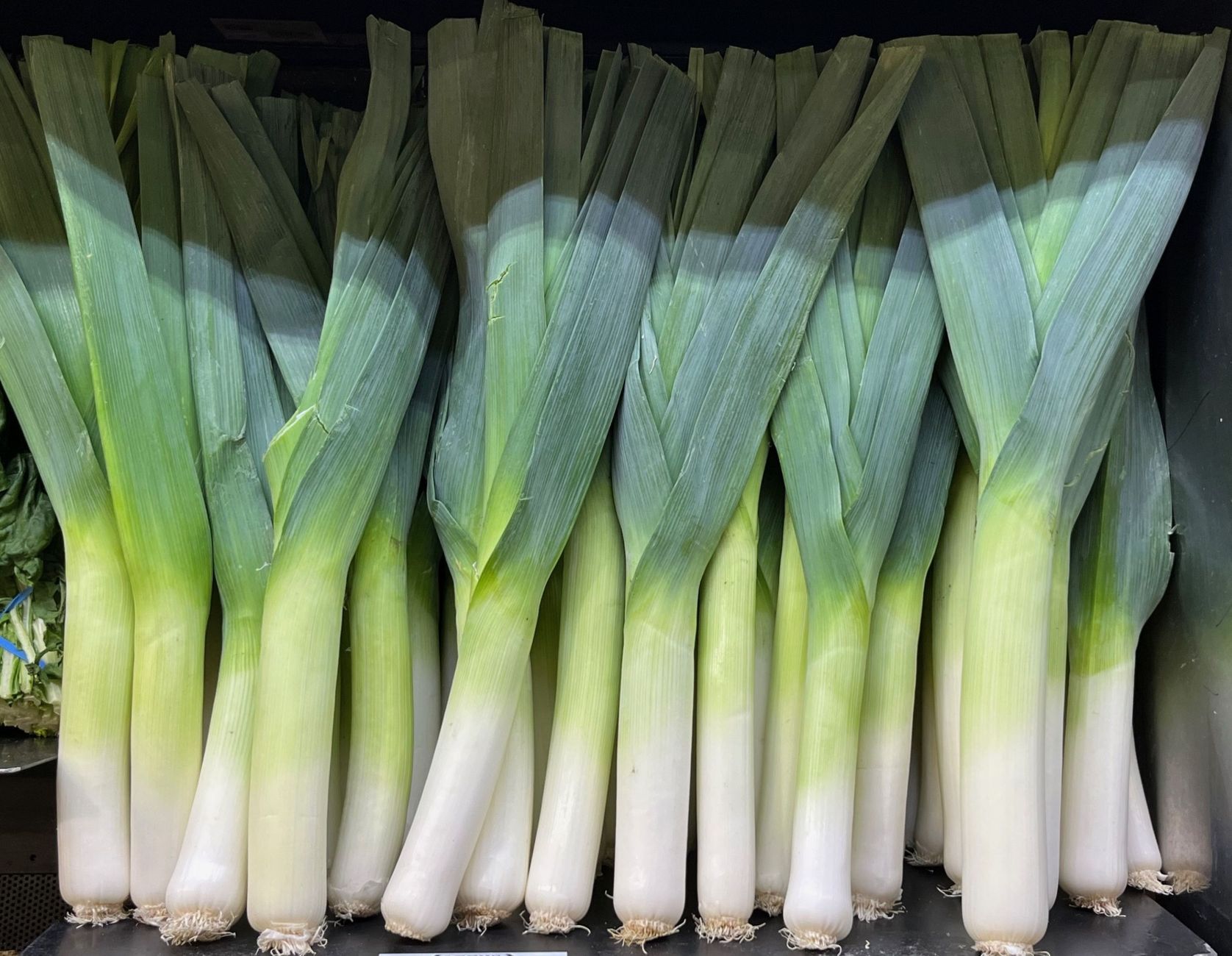
Learn the best way to store leeks from harvest through winter. Simple methods for root cellars, refrigerators, and freezing, with real steps and varieties.
The best way to store leeks depends on how long you need them. For short term, keep them in the refrigerator crisper drawer, unwashed, in a plastic bag with holes, where they will last 2 to 3 weeks. For long term, either bury them in a root cellar or freeze them; both methods preserve quality for months. Here is exactly how to do each, with the tools and steps that work.
Harvesting for storage
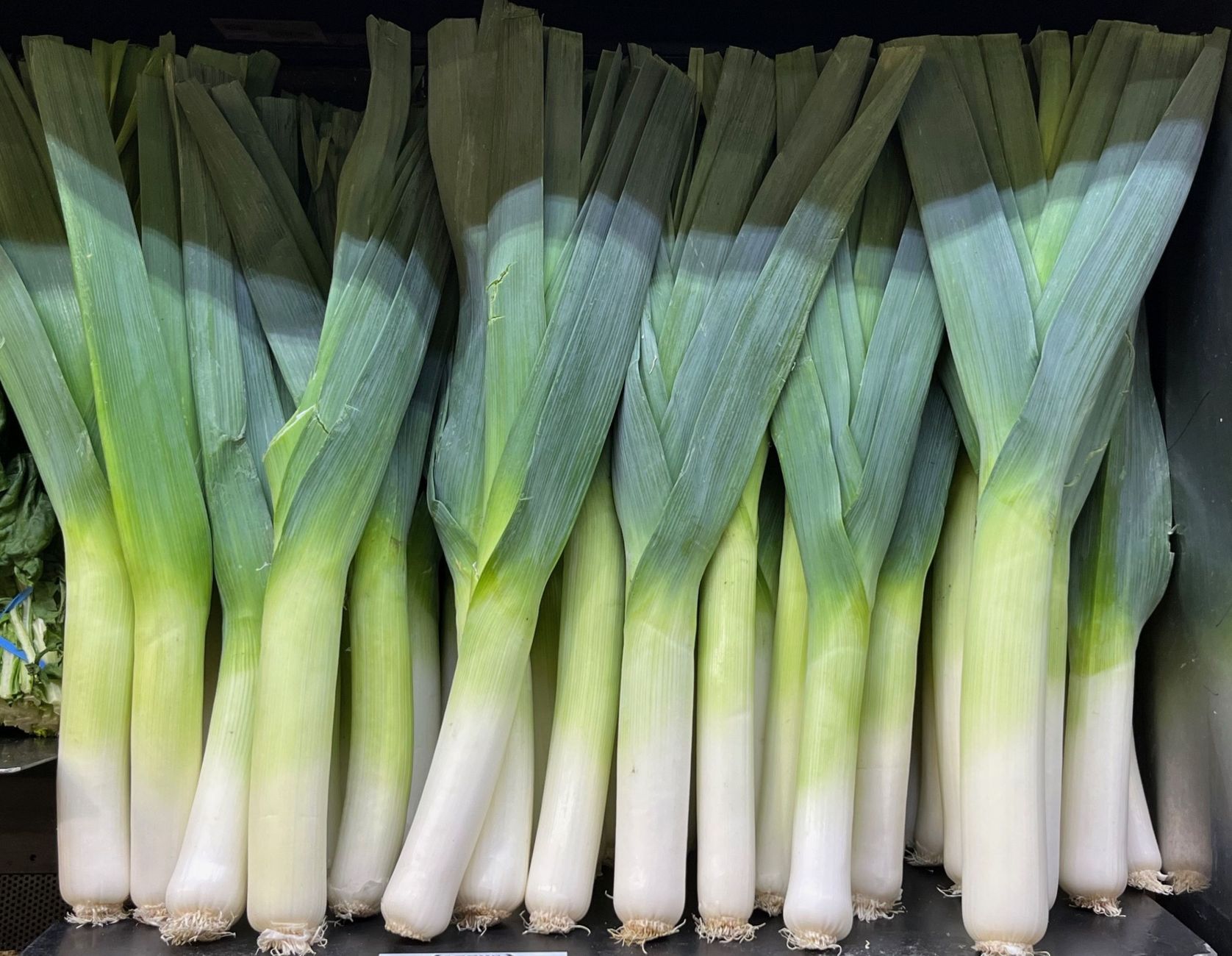
Leeks are hardy, but how you harvest affects storage life. Dig them up, don’t pull, to avoid bruising the base. Use a garden fork to loosen the soil, then lift by the base. Shake off loose soil, but do not wash. Trim the roots to about 1/2 inch and cut the dark green tops down to where the leaves are still firm, leaving about 2 inches of green above the white shaft. Remove any damaged or slimy outer leaves. For storage, only ke
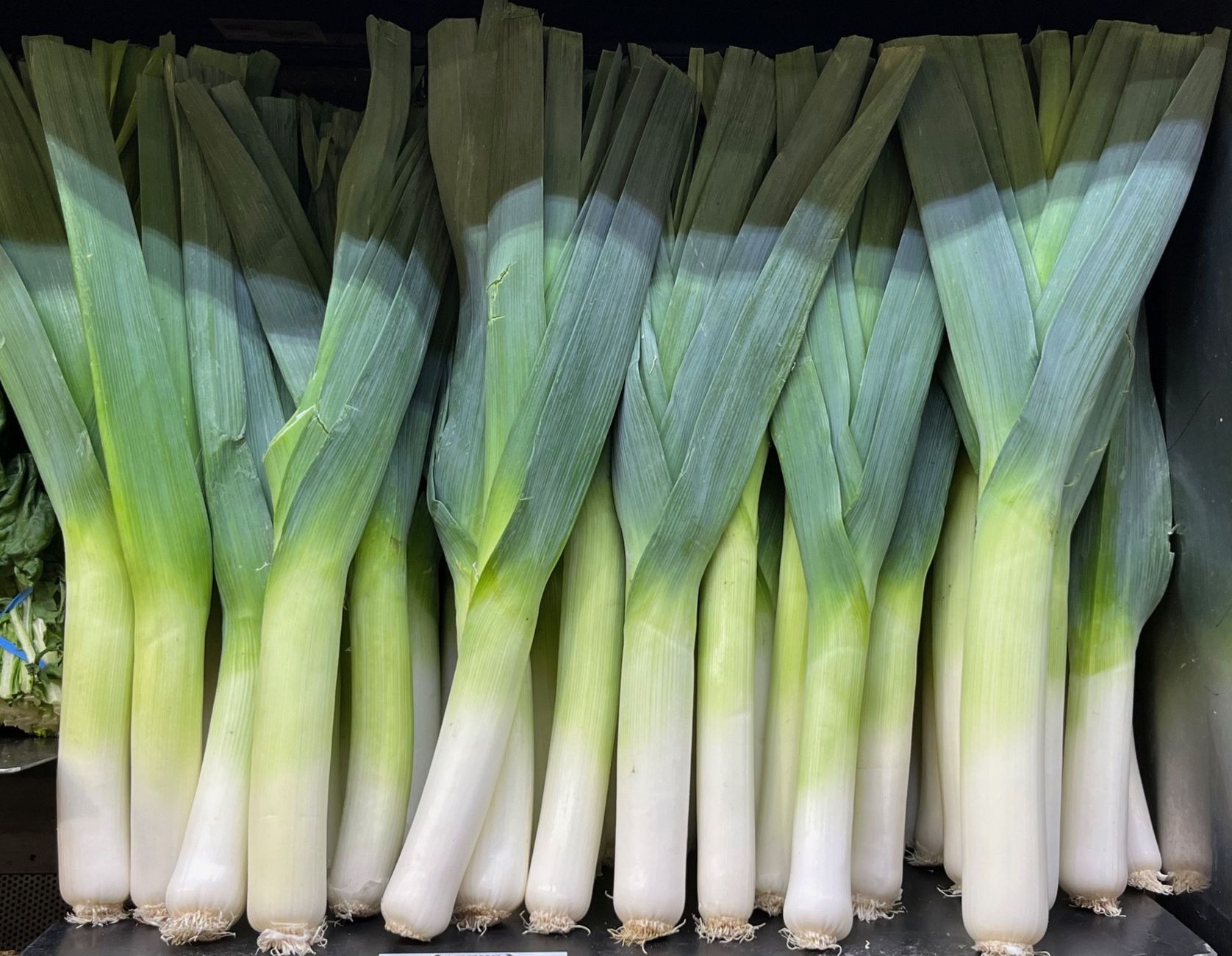 ep leeks that are firm and free of rot. A single soft spot can spoil a whole batch.
Short term: refrigerator (2 to 3 weeks)
For leeks you will use within a month, the fridge is best. Do not wash them first. Place the leeks in a perforated plastic bag, or wrap them in a damp paper towel and put them in a loose plastic bag. The key is high humidity and airflow. The crisper drawer is ideal. Set the humidity to high if your fridge has that option. Check weekly and remove any that start to soften. This method keeps leeks crisp for 2 to 3 weeks, sometimes longer if they are freshly harvested.
Long term: root cellar or cold storage (2 to 3 months)
If you have a root cellar, an unheated garage, or a cold closet that stays between 32°F and 40°F with high humidity, you can store leeks for 2 to 3 months. The classic method is to bury them in a bucket or box of damp sand or sawdust. Stand the leeks upright, with the roots down, and pack the medium around them so only the green tops peek out. Keep the sand slightly moist, not wet. Alternatively, you can leave leeks in the ground and mulch heavily with straw or leaves; in many zones they will survive the winter and you can harvest as needed. For zones 5 and warmer, this is often the easiest method. In colder zones, a root cellar is more reliable.
Freezing: best for long term (up to 12 months)
Freezing is the most practical for most homesteaders. It takes about 30 minutes of active time. Here is the process:
- Clean the leeks thoroughly. Cut off the roots and dark green tops, then slice the white and light green parts lengthwise and rinse under running water to remove grit.
- Slice into 1/2 inch rounds or chop as you prefer.
- Blanch in boiling water for 2 minutes, then plunge into ice water for 2 minutes. Drain well.
- Spread the pieces on a baking sheet in a single layer and freeze for 1 to 2 hours. This prevents clumping.
- Transfer to freezer bags or containers, press out air, and label with the date.
Frozen leeks will keep for up to 12 months. They will be softer than fresh, so use them in soups, stews, quiches, or sautés, not raw salads. You can skip blanching, but the texture and flavor degrade faster; blanching stops enzyme activity that causes off flavors.
Which method is best for you?
Here is a quick comparison:
| Method | Shelf life | Effort | Best for |
|---|---|---|---|
| Refrigerator | 2 to 3 weeks | Minimal | Quick use |
| Root cellar (sand) | 2 to 3 months | Moderate | Winter storage without freezing |
| In-ground with mulch | Until spring (zones 5+) | Low | Overwintering |
| Freezing | Up to 12 months | Moderate | Long term, cooked dishes |
For most gardeners, freezing is the best all-around method because it requires no special equipment and preserves quality for a year. If you have a root cellar, use it for leeks you plan to eat within a few months, and freeze the rest.
Varieties that store well
Some leek varieties are bred for storage. Look for “late season” or “winter” types. Good choices include:
- ‘American Flag’ (also called ‘Broad London’): reliable, stores moderately well.
- ‘King Richard’: early, but not as hardy for storage.
- ‘Giant Musselburgh’: a Scottish heirloom, very hardy, excellent for overwintering.
- ‘Blue Solaise’: a French winter leek, blue-green leaves, very cold tolerant.
- ‘Bandit’: a hybrid winter leek, stores well in the ground.
For freezing, any variety works, but the thicker-stemmed types like ‘Giant Musselburgh’ give more usable flesh.
Common mistakes to avoid
- Washing before storage: moisture promotes rot. Keep them dry until you are ready to use.
- Storing with apples or pears: these fruits emit ethylene gas, which can make leeks bitter and speed spoilage. Keep them separate.
- Freezing without blanching: it works, but the leeks will be mushier and lose flavor faster.
- Overheating in the root cellar: if the temperature rises above 40°F, leeks will start to grow or rot. Check regularly.
FAQ
Can I store leeks in the ground over winter?
Yes, in USDA zones 5 and warmer, leeks can stay in the ground with a thick layer of mulch (straw or leaves, 6 to 8 inches). They will go dormant and you can dig them as needed, even through snow. In colder zones, the ground freezes too hard, so dig them up and store in a root cellar or fridge.
How do I know if a stored leek has gone bad?
A leek is bad if it feels slimy, has a soft or mushy base, or smells sour. The outer leaves may yellow, but that is not a problem if the inner shaft is firm. Cut off the damaged parts; the rest is usually fine.
Can I freeze whole leeks?
Yes, but they will be very limp when thawed. It is better to slice or chop them first, because whole leeks take longer to thaw and are harder to portion. If you freeze whole, blanch for 3 minutes and then freeze on a tray.
What is the best way to clean leeks before freezing?
Leeks trap soil between their layers. Slice them lengthwise first, then rinse under running water, fanning the layers open. Or slice into rounds and swish in a bowl of cold water; the grit sinks, and you lift out the leeks with a slotted spoon.
The bottom line
For most gardeners, the best way to store leeks is to freeze them for long term, and keep a few in the fridge for immediate use. If you have a root cellar, use it for 2 to 3 months of fresh storage. Overwintering in the ground is a low-effort option for zones 5 and warmer. Whichever method you choose, start with clean, dry, undamaged leeks, and they will reward you with flavor all winter. Freezing takes a little time upfront, but it is the most reliable way to enjoy your harvest for up to a year.