Best time to plant shallots
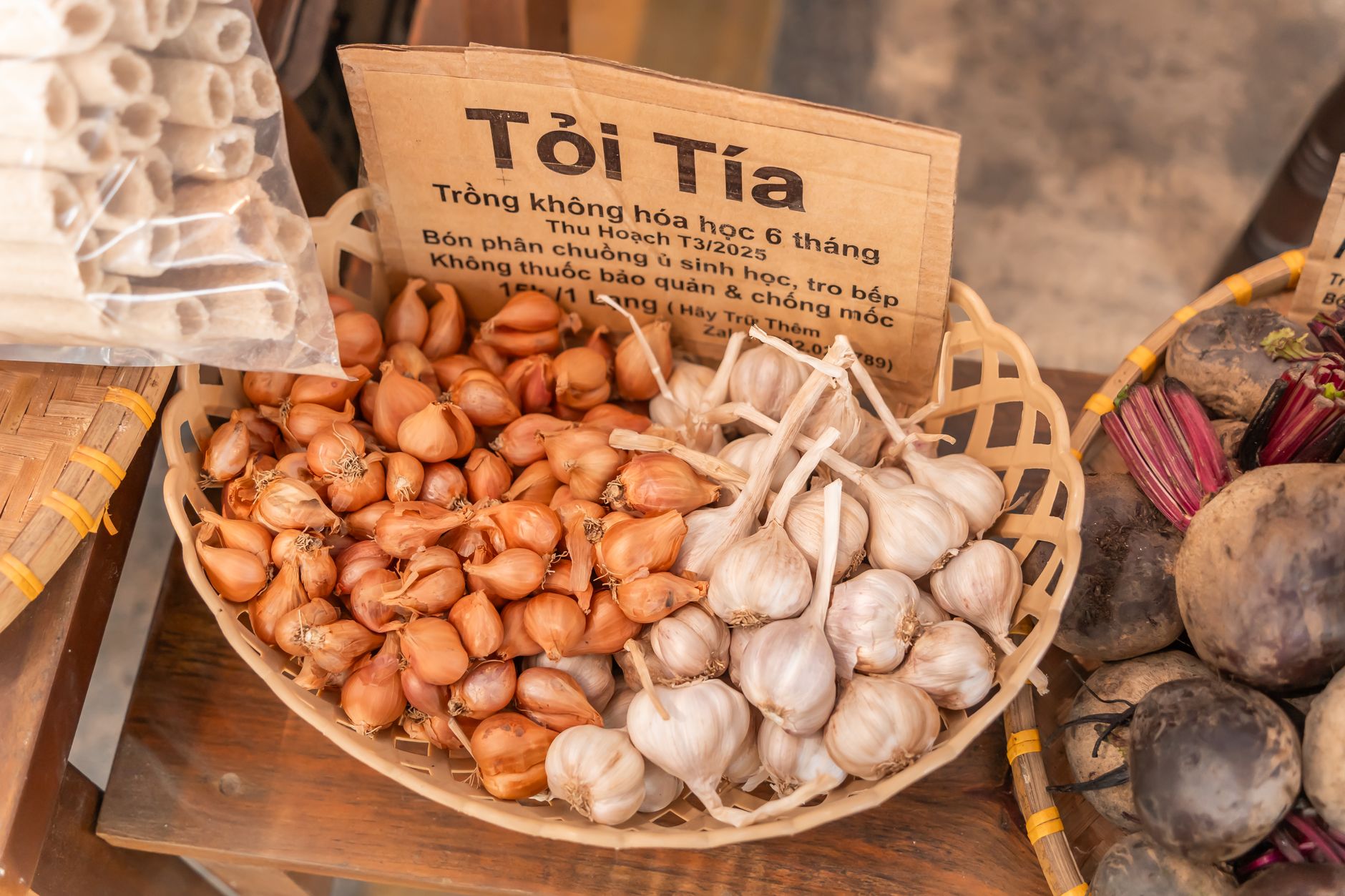
Learn the best time to plant shallots by USDA zone, with step-by-step planting tips, variety recommendations, and FAQs for a successful harvest.
Plant shallots in fall, about 4 to 6 weeks before your first hard frost, or in early spring as soon as the soil can be worked. Fall planting gives larger bulbs, while spring planting works for colder zones. This guide covers exact timing by zone, soil prep, planting depth, and variety choices so you can get it right the first time.
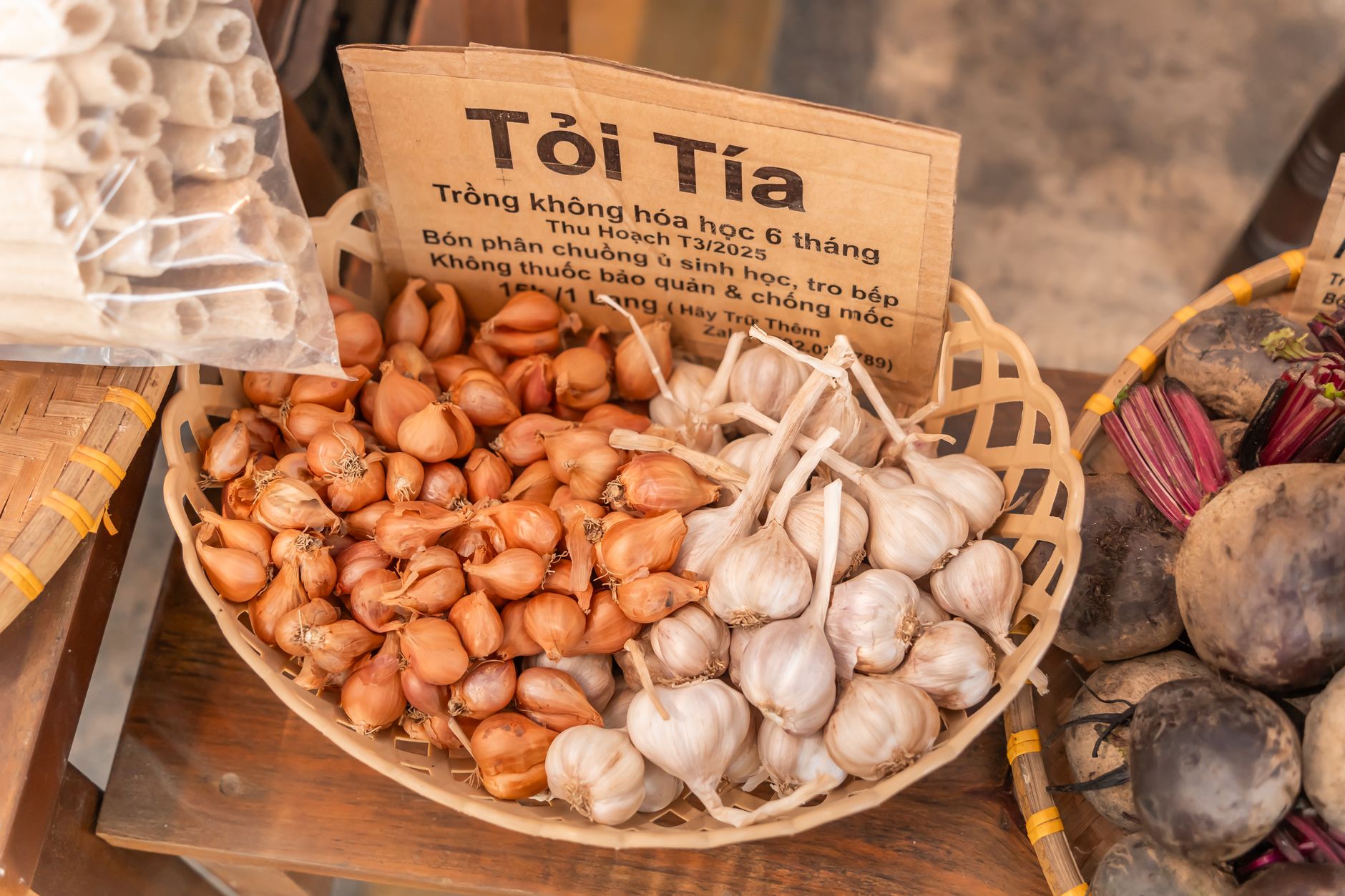
Why timing matters
Shallots need a period of cool weather to develop roots and then a warming trend to form bulbs. If planted too early in fall, they may sprout and then get killed by winter cold. If planted too late, they won’t establish roots before the ground freezes. In spring, planting too late means smalle
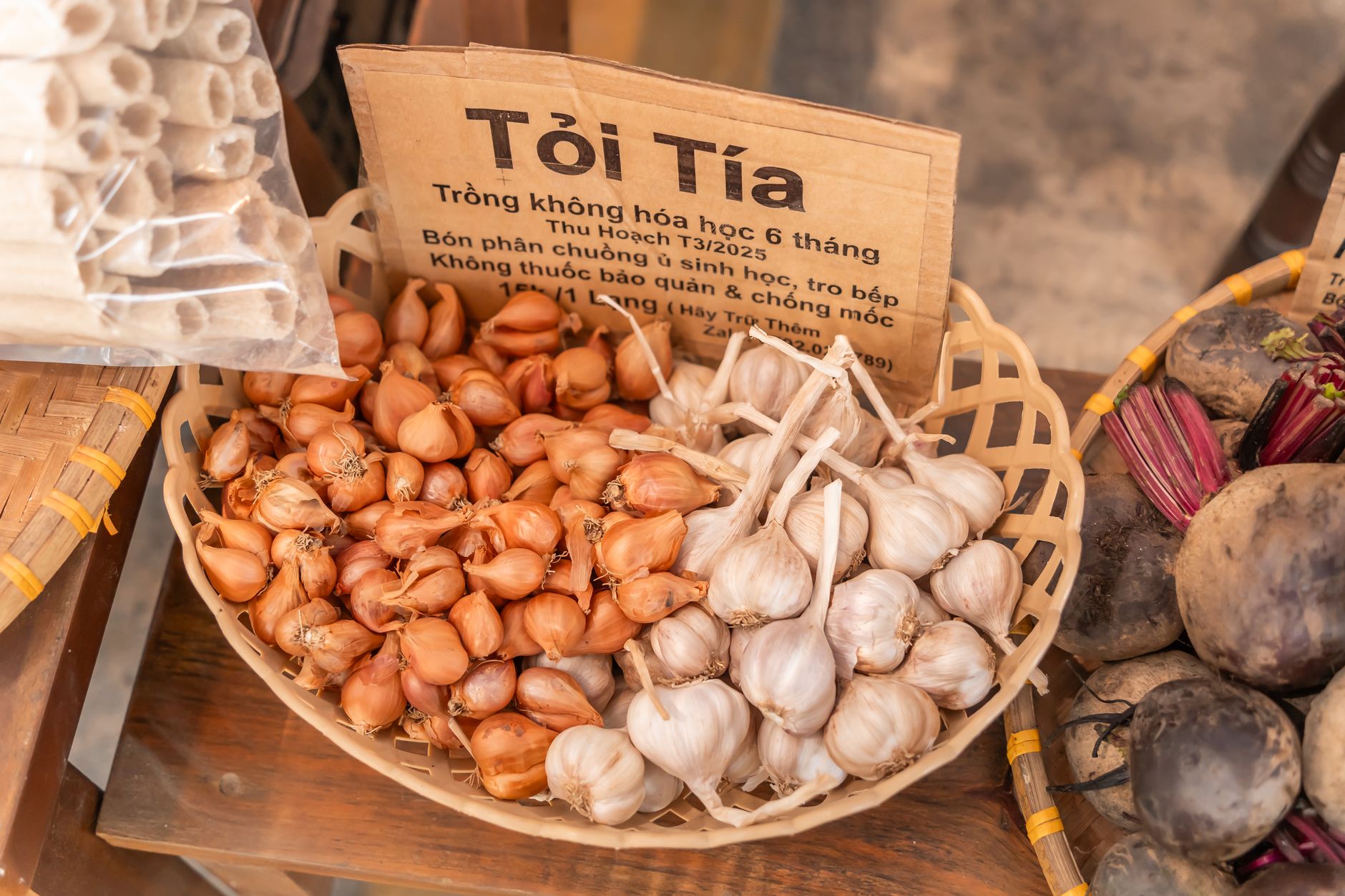 r bulbs because the plants won’t have enough cool days before summer heat triggers bulbing.
Fall planting: the preferred method
Fall planting is best for most gardeners because it gives shallots a head start. The bulbs develop roots in fall, go dormant in winter, and then grow vigorously in early spring. This results in larger bulbs by midsummer.
Timing by USDA zone
| Zone | Fall planting window | Spring planting window |
|---|---|---|
| 3-4 | Late September to early October | April, as soon as soil thaws |
| 5-6 | October | March to April |
| 7-8 | October to November | February to March |
| 9-10 | November to December | January to February |
In zones 3-4, fall planting is risky because winters are harsh. If you try it, mulch heavily with straw (6 inches) after the ground freezes. Otherwise, plant in spring for a smaller but reliable crop.
Spring planting: for cold climates or missed fall
If you live in zones 3-4 or you missed the fall window, plant as soon as the soil is workable in spring. The soil temperature should be at least 40°F. Use sets (small bulbs) rather than seeds to save time. Spring-planted shallots will be ready 2 to 4 weeks later than fall-planted ones, and bulbs may be slightly smaller.
Step-by-step planting guide
- Choose a sunny spot: Shallots need at least 6 hours of direct sun daily. Good drainage is critical; they rot in wet soil.
- Prepare the soil: Loosen to 8 inches deep, mix in 2 inches of compost or aged manure. Soil pH should be 6.0 to 7.0. Add a balanced fertilizer like 10-10-10 at 1 pound per 10 square feet.
- Select your shallots: Buy certified disease-free sets from a nursery or seed catalog. Popular varieties: ‘French Red’ (spicy, stores well), ‘Dutch Yellow’ (mild, large), ‘Gray’ (heirloom, strong flavor). A 1-pound bag of sets costs $8 to $12 and plants about 50 feet.
- Plant the sets: Press each set into the soil so the tip is just at the surface. Space them 6 inches apart in rows 12 inches apart. For fall planting, plant 1 inch deep; for spring, 1 to 2 inches deep.
- Water in: Give a thorough watering after planting. In fall, water once more before the ground freezes. In spring, keep soil evenly moist but not soggy.
- Mulch (fall only): After the ground freezes, apply 4 to 6 inches of straw or shredded leaves. Remove mulch in early spring when shoots appear.
Care through the season
- Watering: Shallots need about 1 inch of water per week during active growth. Stop watering when the tops start to yellow and fall over, about 2 weeks before harvest.
- Weeding: Keep the bed weed-free, but shallow cultivation to avoid damaging shallow roots.
- Fertilizing: Side-dress with compost or a high-nitrogen fertilizer (like blood meal) in early spring when growth resumes. Do not over-fertilize, or you’ll get lush tops and small bulbs.
- Pests and diseases: Onion maggots and thrips can be issues. Use row covers to prevent egg-laying. Rotate crops yearly to reduce disease.
Harvesting and storing
Harvest when about half the tops have yellowed and fallen over, typically 90 to 120 days after planting. Gently lift with a fork, let them cure in a warm, dry, airy place for 2 to 3 weeks. Then trim tops to 1 inch and store in a cool, dry, dark place. Properly cured shallots last 6 to 8 months.
FAQ
Can I plant shallots in containers? Yes, use a pot at least 12 inches deep with drainage holes. Space sets 4 inches apart. Water more frequently than in-ground, and protect from freezing in winter.
What happens if I plant too early in fall? If the soil is still warm (above 60°F), the sets may sprout and produce green tops. These tops will likely die back in winter, but the bulb may survive. To avoid this, wait until soil temperature drops to around 50°F.
Can I grow shallots from seed? Yes, but it takes longer. Start seeds indoors 8 to 10 weeks before your last frost date, then transplant. Bulbs will be smaller in the first year. Most gardeners prefer sets for ease and size.
How do I know if my shallots are ready to harvest? When the leaves turn yellow and flop over, that’s the signal. Check a bulb: it should be firm and the skin papery. If in doubt, wait a week; they store better if fully mature.
The bottom line
For most gardeners, fall planting is the best time to plant shallots, giving you larger bulbs and an earlier harvest. In cold zones, spring planting is a reliable backup. Follow the zone-specific dates, prepare well-drained soil, and use quality sets. With proper timing and care, you’ll have a pantry full of shallots that store for months.