Best time to plant leeks
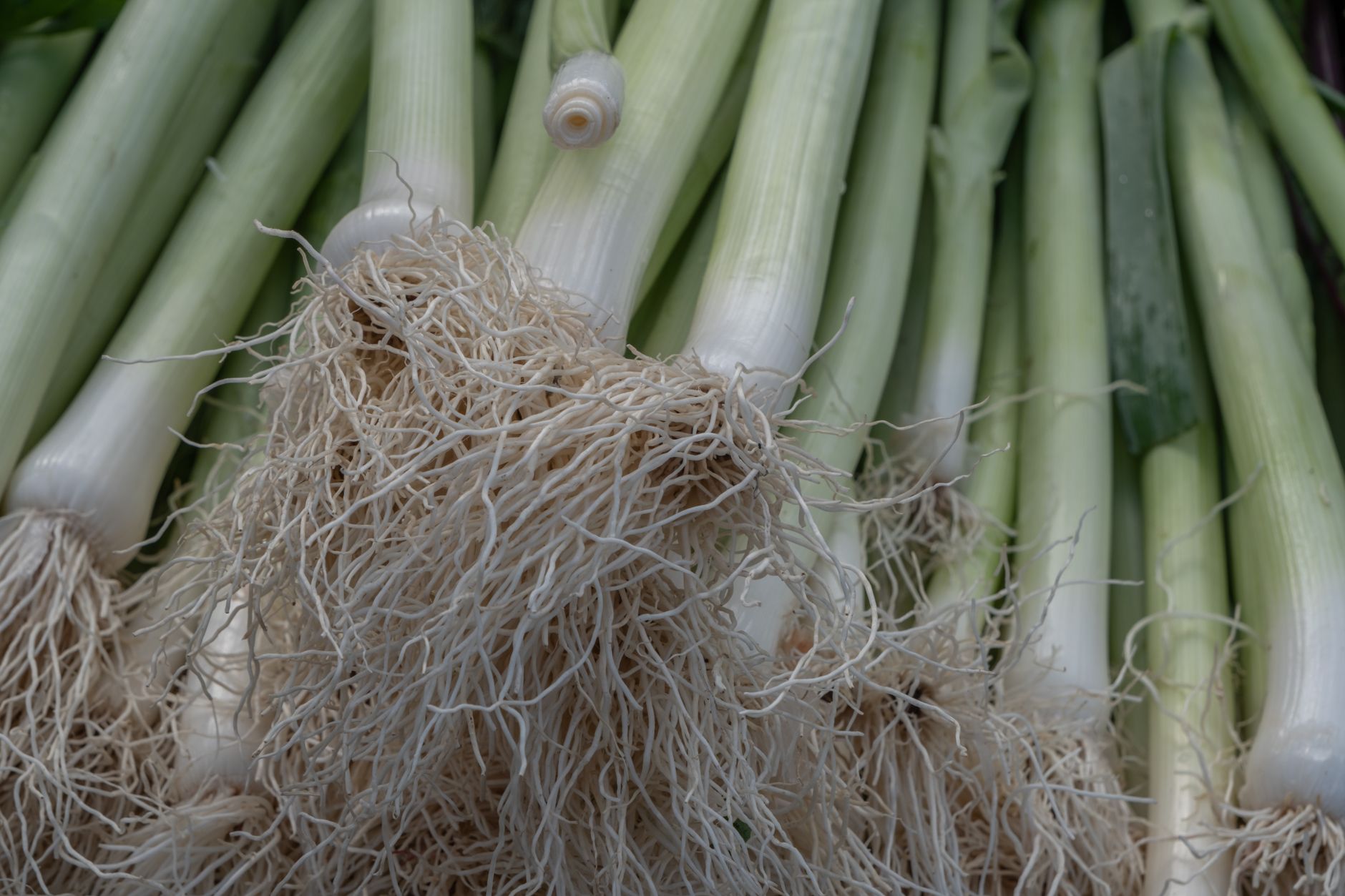
Learn the best time to plant leeks by zone, with specific dates, varieties, and steps for a successful harvest. Includes FAQ and bottom line.
The best time to plant leeks depends on your USDA zone and your goal: for a fall or winter harvest, start seeds indoors 8 to 10 weeks before your last spring frost, then transplant outdoors 2 to 3 weeks after that frost. For a summer harvest, you can also plant in late summer for overwintering in mild zones. Here is the direct answer: in zones 3 to 5, start seeds in February or March and transplant in April or May; in zones 6 to 8, start in January or February and transplant in March or April; in zones 9 to 10, start in October or November for a spring harvest. This guide breaks down exact dates, varieties, and steps so you can plant with confidence.
Why timing matters
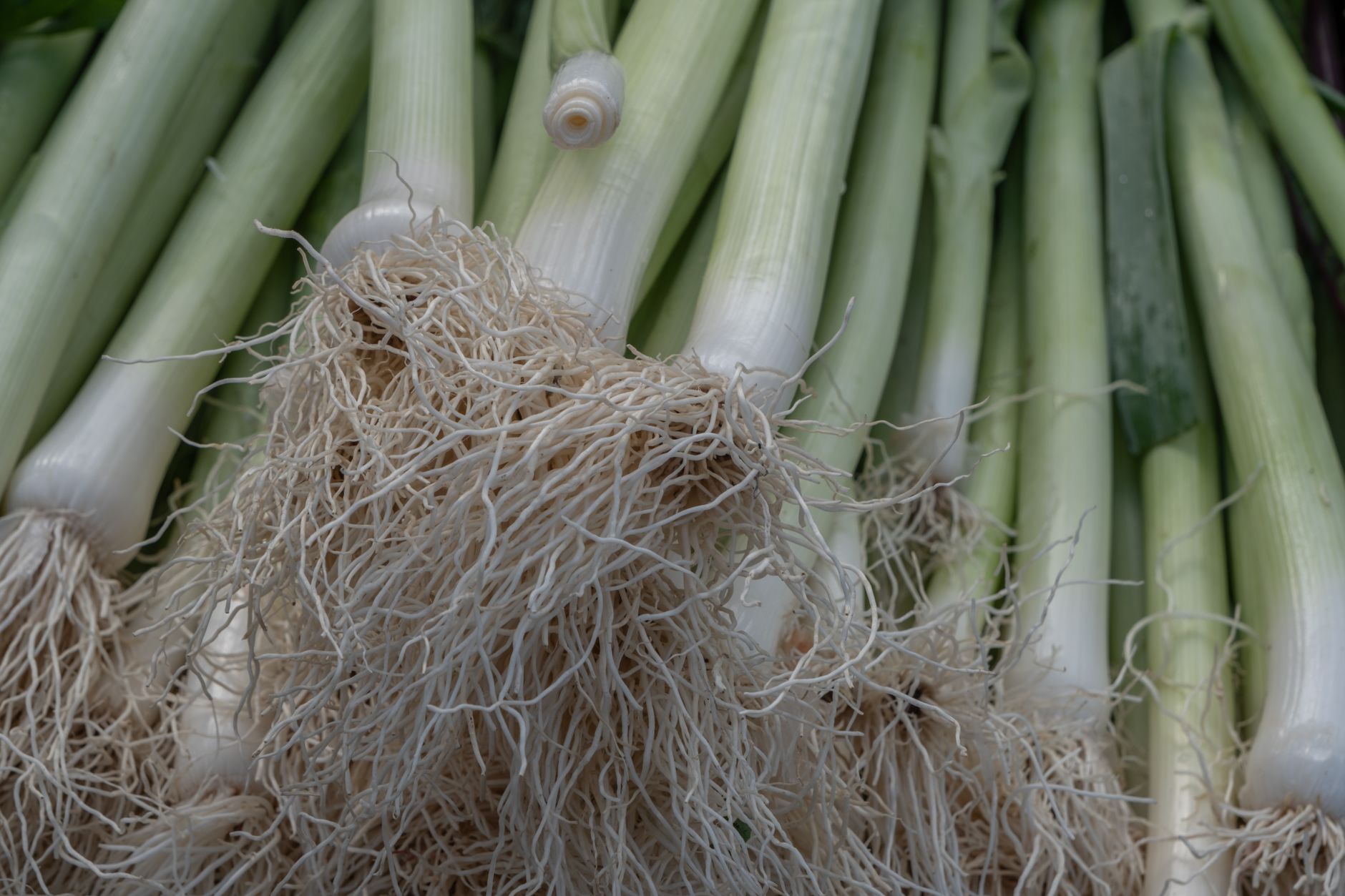
Leeks are slow growers, taking 100 to 150 days from seed to maturity. They are also cold hardy, so they can stay in the ground through winter in many zones. If you plant too late, they won’t size up before heat or frost; too early, and they may bolt
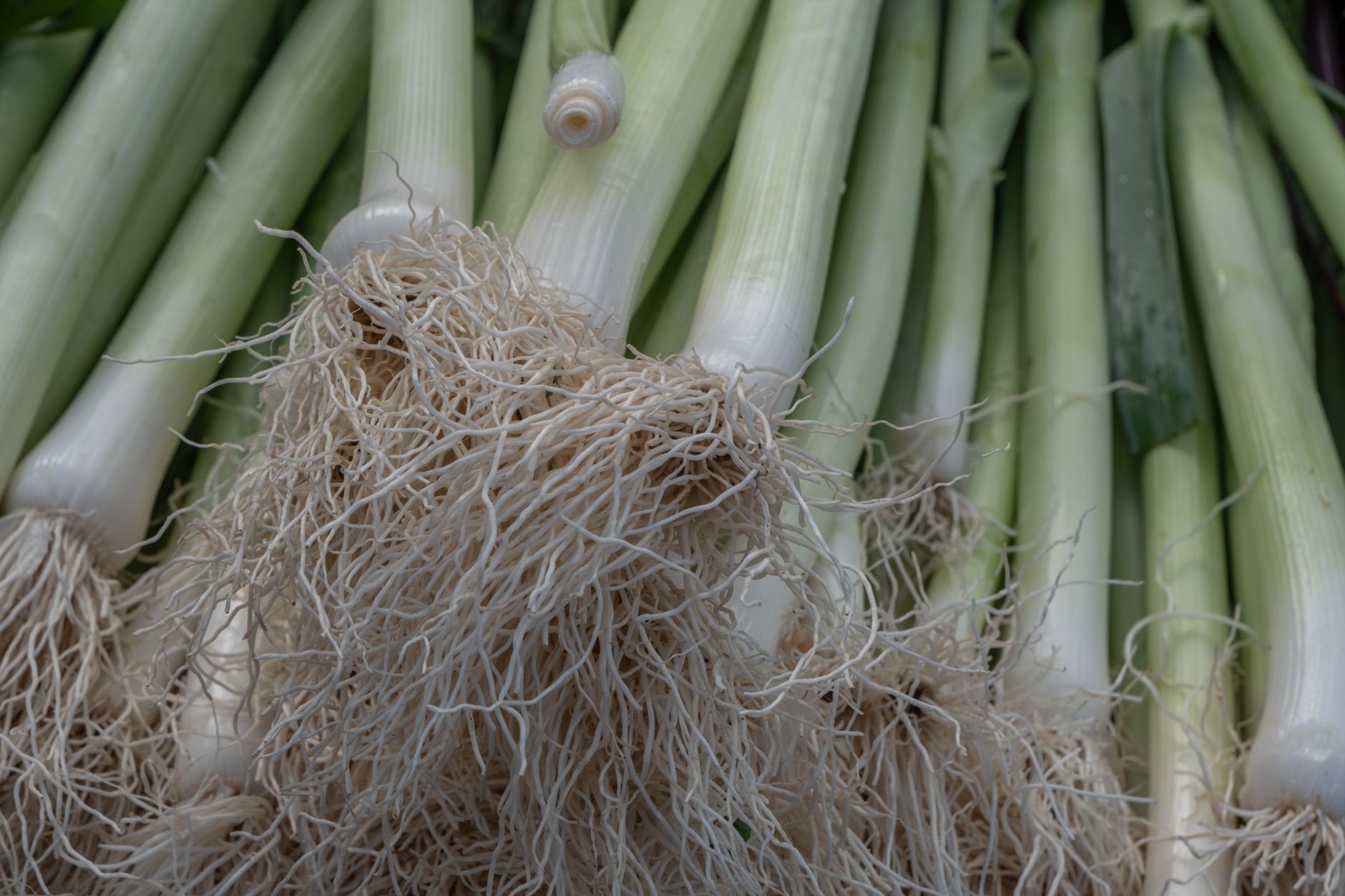 (go to seed) after a cold snap. The key is to give them a long, cool growing season.
Planting windows by USDA zone
Use these ranges as a starting point. Adjust for your local microclimate: if you have a short spring, start earlier indoors; if you have a long fall, you can plant later.
| Zone | Start seeds indoors | Transplant outdoors | Direct sow (optional) |
|---|---|---|---|
| 3-4 | Feb 15 - Mar 15 | Apr 15 - May 1 | Not recommended |
| 5-6 | Feb 1 - Mar 1 | Mar 15 - Apr 15 | Apr 1 - May 1 |
| 7-8 | Jan 15 - Feb 15 | Mar 1 - Apr 1 | Mar 1 - Apr 1 |
| 9-10 | Oct 1 - Nov 1 | Nov 15 - Dec 15 | Oct 15 - Nov 15 |
For zones 9 and 10, leeks are a cool-season crop. Plant in fall for a spring harvest, as summer heat causes them to bolt.
Seed starting indoors
Start seeds in cell trays or small pots with a quality seed-starting mix. Sow seeds 1/4 inch deep, 1 seed per cell. Keep soil moist and warm (65 to 70°F) until germination, which takes 7 to 14 days. Once sprouted, provide 12 to 14 hours of light per day using a grow light. A simple shop light with T8 fluorescent bulbs works fine; expect to spend $30 to $50 for a basic setup.
Harden off seedlings for 7 to 10 days before transplanting: set them outside in a sheltered spot for a few hours, gradually increasing time.
Transplanting outdoors
Choose a sunny spot with well-drained soil. Leeks prefer a pH of 6.0 to 7.0. Work in 2 inches of compost or aged manure before planting.
Two methods work well:
- Trench method: Dig a trench 6 inches deep and 4 inches wide. Set seedlings at the bottom, 6 inches apart. As they grow, gradually fill the trench with soil to blanch the stems.
- Hole method: Use a dibber (or a broom handle) to make holes 6 inches deep and 3 inches apart. Drop a seedling into each hole, then water in. The soil naturally backfills.
Either way, space rows 12 to 18 inches apart. Water well after planting.
Direct sowing
In zones 5 and warmer, you can direct sow seeds in early spring. Sow seeds 1/4 inch deep, 1 inch apart, in rows 12 inches apart. Thin to 6 inches apart when seedlings are 4 inches tall. Direct sowing is simpler but takes longer to mature, so it’s best for fall harvests in mild climates.
Best leek varieties for different seasons
Choose varieties based on your harvest time:
| Variety | Days to maturity | Best for | Notes |
|---|---|---|---|
| ‘King Richard’ | 75-80 | Early summer | Slim stems, fast grower |
| ‘American Flag’ | 100-120 | Fall | Classic, hardy |
| ‘Giant Musselburgh’ | 100-120 | Winter | Very cold hardy |
| ‘Bandit’ | 110-130 | Winter | Excellent for overwintering |
| ‘Blue Solaise’ | 120-140 | Winter | Blue-green leaves, sweet |
For zones 3 to 5, choose ‘King Richard’ for an early crop and ‘Giant Musselburgh’ for fall. For zones 6 to 8, ‘American Flag’ and ‘Bandit’ are reliable. In zones 9 and 10, ‘King Richard’ works for spring harvest.
Caring for leeks through the season
Water regularly: leeks need about 1 inch per week. Mulch with straw to retain moisture and suppress weeds. Side-dress with a balanced fertilizer (like 10-10-10) at 3 weeks and again at 6 weeks after transplanting; apply about 1 tablespoon per plant, worked into the soil.
Blanch the stems for more white shank: as plants grow, mound soil around the base, or use the trench method. This is optional but improves flavor and tenderness.
Pests are few: onion thrips and leek moths can be issues. Use floating row covers to exclude them. Diseases like rust can occur in humid areas; ensure good air circulation and avoid overhead watering.
Harvesting at the right time
Leeks are ready when the stems are at least 1 inch in diameter. Use a garden fork to loosen the soil, then pull gently. You can harvest as needed; they store well in the ground for weeks.
For winter storage, mulch heavily with straw or leaves in late fall. In zones 6 and warmer, leeks can stay in the ground all winter. In colder zones, harvest before the ground freezes solid and store in a cool, humid place (like a root cellar) for up to 2 months.
FAQ
Can I plant leeks in the fall for a spring harvest? Yes, in zones 7 to 10, plant seeds in late summer (August to September) and transplant in fall. They will grow slowly over winter and mature in spring. In colder zones, you can start seeds indoors in late summer and transplant in early fall, but they may not overwinter unless heavily mulched.
How long do leeks take to grow? From seed to harvest, 100 to 150 days depending on variety and season. Transplants speed things up by 8 to 10 weeks.
What happens if I plant leeks too late? They will be small at harvest. In hot weather, they may bolt, producing a tough, bitter stem. In cold zones, late planting means they won’t have enough time to size up before frost.
Do leeks need full sun? Yes, at least 6 hours of direct sun daily. They can tolerate partial shade, but growth will be slower.
The bottom line
Plant leeks at the right time for your zone: start seeds indoors 8 to 10 weeks before your last frost, transplant 2 to 3 weeks after. For a fall harvest, choose a variety like ‘American Flag’ or ‘Giant Musselburgh’. For winter, try ‘Bandit’ or ‘Blue Solaise’. With proper timing and care, you’ll have a steady supply of this mild onion relative from summer through winter.