Best shallots to grow uk
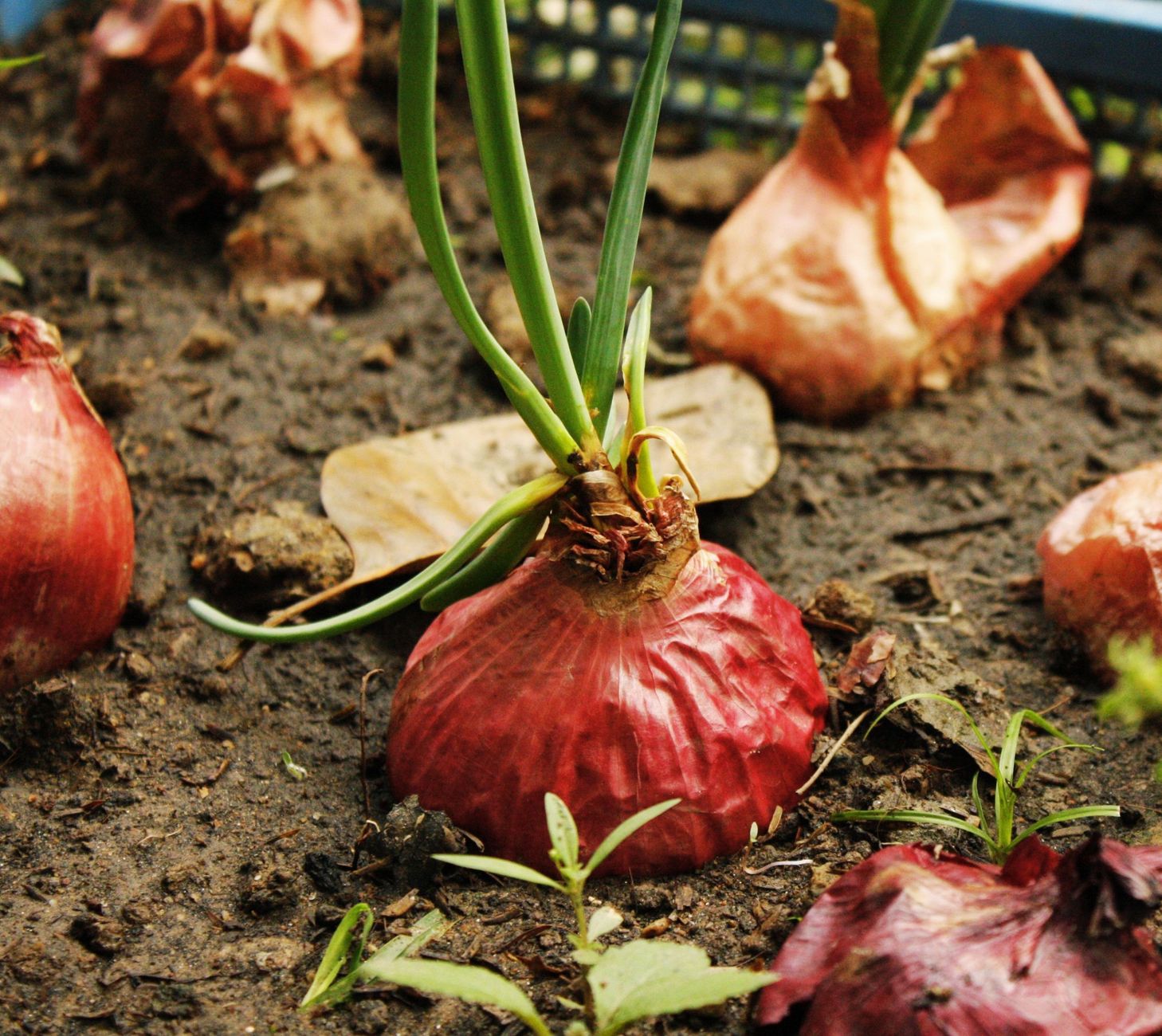
Discover the best shallot varieties for UK gardens, with planting dates, spacing, and yields. Get practical tips for a successful harvest.
If you’re growing shallots in the UK, you want varieties that cope with our damp, cool climate and store well. The best choices are ‘Jermor’, ‘Red Sun’, and ‘Golden Gourmet’, all reliable in UK conditions. Plant sets in late winter or early spring, or sow seeds in late summer for earlier crops. Here’s what you need to know to get a good harvest.
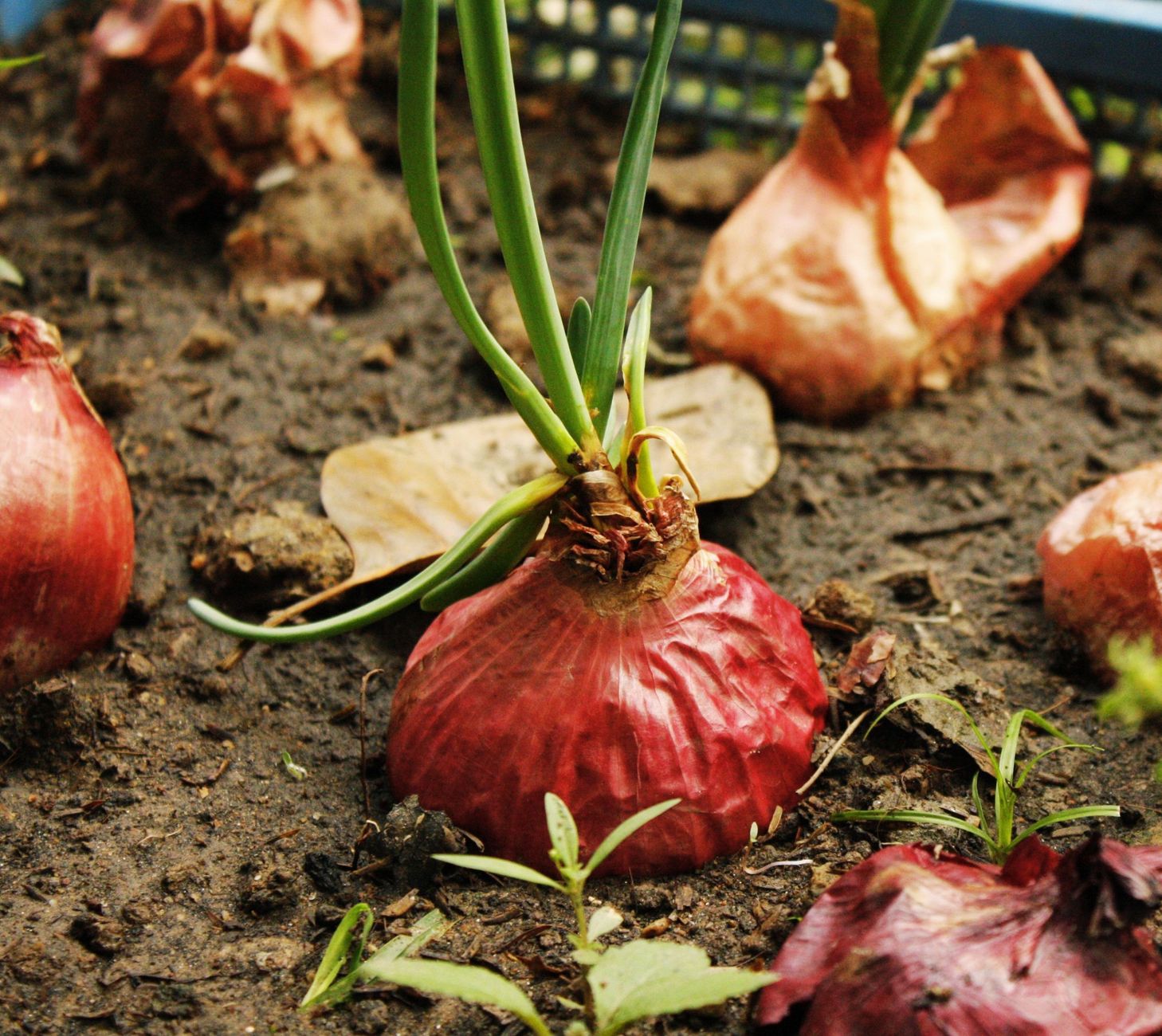
Why these varieties?
UK gardens often have heavy clay soil and unpredictable rain. The varieties below have proven disease resistance and good storage, which matters when you grow your own.
| Variety | Type | Bulb size | Flavour | Storage | Best for |
|---|---|---|---|---|---|
| ‘Jermor’ | French, half-long | Medium | Sweet, mild | 6-8 months | Classic French cooking |
| ‘Red Sun’ | Red, round | Large | Strong, pungent | 4-6 months | Pickling, raw in salads |
| ‘Golden Gourmet’ | Golden, round | Medium-large | Rich, sweet | 5-7 months | Roasting, caramelising |
‘Jermor’ is a traditional favourite, known for its elongated bulbs and excellent flavour. ‘Red Sun’ is a newer hybrid that gives high yields of large, red-skinned bulbs. ‘Golden Gourmet’
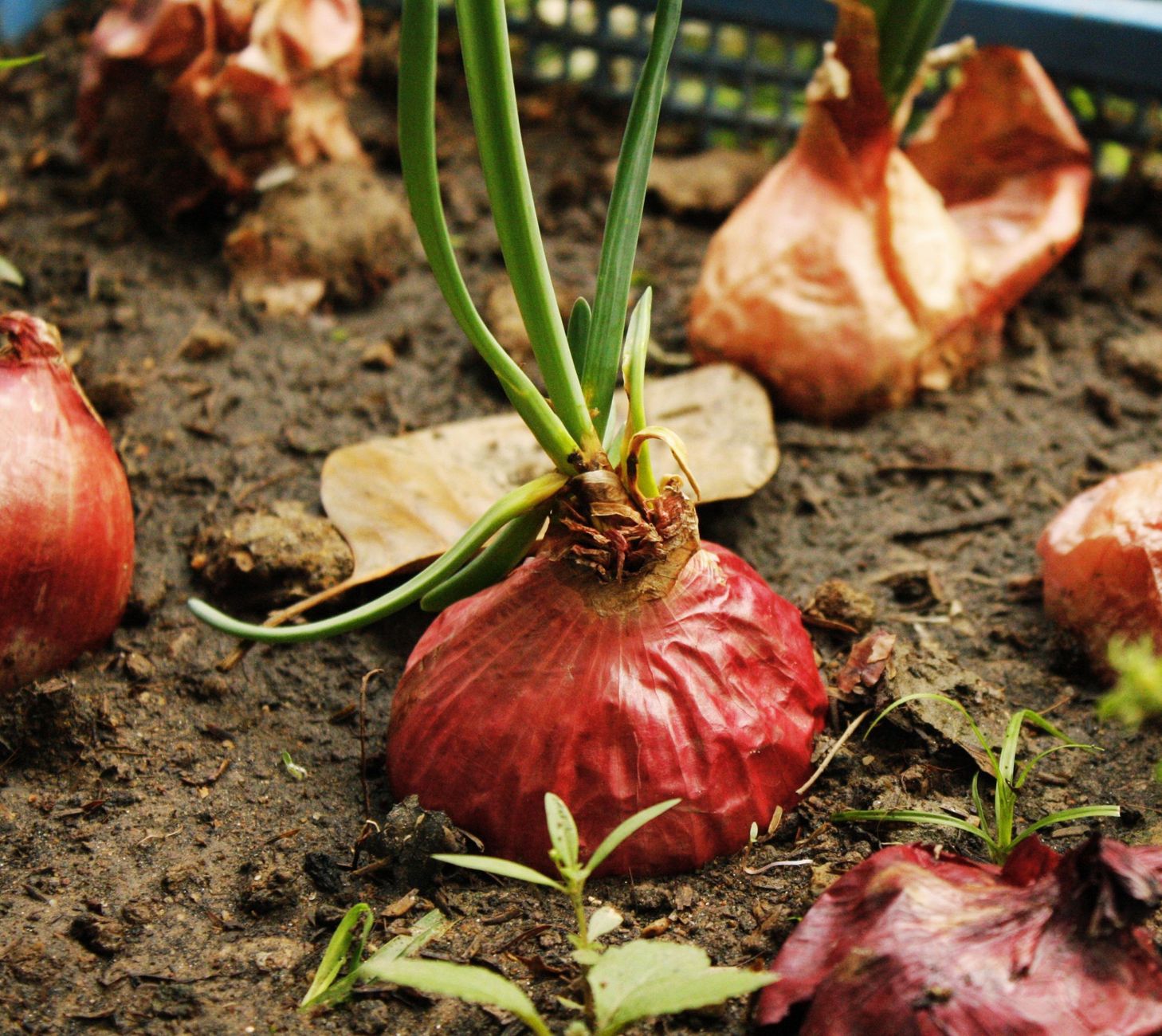 is a reliable cropper with a golden skin and a sweet taste that deepens when cooked.
When to plant
In the UK, you can plant shallot sets (small bulbs) in two windows:
- Overwintering: Plant in October to November for an early harvest in June. This works best in mild areas (zones 8-9) and with hardy varieties like ‘Jermor’.
- Spring planting: Plant in February to April for harvest in July to August. This suits colder areas (zones 7 and below) and avoids winter losses.
If you prefer to grow from seed, sow in late summer (August) in a cold frame or greenhouse, then transplant in spring. Seeds give you more choice, but they take longer and need more care.
How to plant
Shallots are easy to grow, but they need good drainage and full sun.
- Prepare the soil: Dig in well-rotted compost or manure a few weeks before planting. Aim for a pH of 6.0-7.0. If your soil is heavy clay, add grit or plant in raised beds.
- Plant the sets: Push each set into the soil so the tip is just visible. Space them 15-20 cm apart in rows 30 cm apart. For seeds, sow 1 cm deep, 5 cm apart, then thin to 15 cm.
- Water in: Give them a good soak after planting, then water only during dry spells. Overwatering can cause rot.
- Mulch: A layer of straw or grass clippings helps keep moisture in and suppress weeds.
Caring for your shallots
Shallots are low-maintenance but benefit from a few simple steps.
- Weed regularly: They don’t compete well with weeds, so hoe between rows every couple of weeks.
- Feed lightly: In spring, apply a high-potash fertiliser (like tomato feed) every 3-4 weeks to encourage bulb growth. Avoid high-nitrogen feeds, which make leafy growth at the expense of bulbs.
- Watch for pests: Onion fly and white rot are the main problems. Use fine mesh netting to keep flies off, and rotate crops to avoid disease build-up.
Harvesting and storing
You’ll know shallots are ready when the leaves turn yellow and flop over. This is usually 12-16 weeks after planting.
- Lift them gently: Use a fork to loosen the soil, then pull the bulbs out by hand. Don’t leave them in wet soil.
- Dry them: Lay them in a single layer in a dry, airy place (like a greenhouse or shed) for 2-3 weeks. They need good air circulation.
- Store: Once the skins are papery, trim the tops and roots, then store in a cool, dark, dry place. A mesh bag or old onion sack works well.
Expect a yield of about 5-8 bulbs per set, depending on variety and conditions. A 1 metre row of 6 sets can give you 30-48 shallots, which is plenty for most households.
Common mistakes to avoid
- Planting too deep: Sets should be just below the surface, not buried. Deep planting can cause rot.
- Overwatering: Shallots are drought-tolerant once established. Too much water leads to disease.
- Skipping crop rotation: Don’t plant shallots where onions or garlic grew the previous year. This increases the risk of white rot.
- Harvesting too early: Wait until the leaves have fully yellowed. Early lifting gives smaller, less flavoursome bulbs.
FAQ
Can I grow shallots in pots?
Yes, use a pot at least 20 cm deep and 30 cm wide. Plant 3-4 sets per pot, using a multipurpose compost with added grit for drainage. Feed every 2 weeks during the growing season.
How long do shallots last in storage?
Most varieties store for 4-8 months if kept cool, dry, and dark. Check them regularly and remove any that start to sprout or rot.
Do I need to water shallots?
Only during prolonged dry spells. Overwatering is more harmful than underwatering. In most UK summers, natural rainfall is enough.
Can I save my own sets for next year?
Yes, save the best bulbs from your harvest. Store them in a cool, dry place and replant the following spring. This saves money and can improve adaptation to your local conditions.
The bottom line
For UK growers, ‘Jermor’, ‘Red Sun’, and ‘Golden Gourmet’ are the best shallots to grow. They offer reliable yields, good flavour, and decent storage. Plant sets in spring for the easiest route, or overwinter for an early crop. With minimal care, you’ll have a steady supply of shallots for the kitchen. Start with a small row this year, and you’ll soon see why they’re a staple in the allotment.