Best shallots for pickling
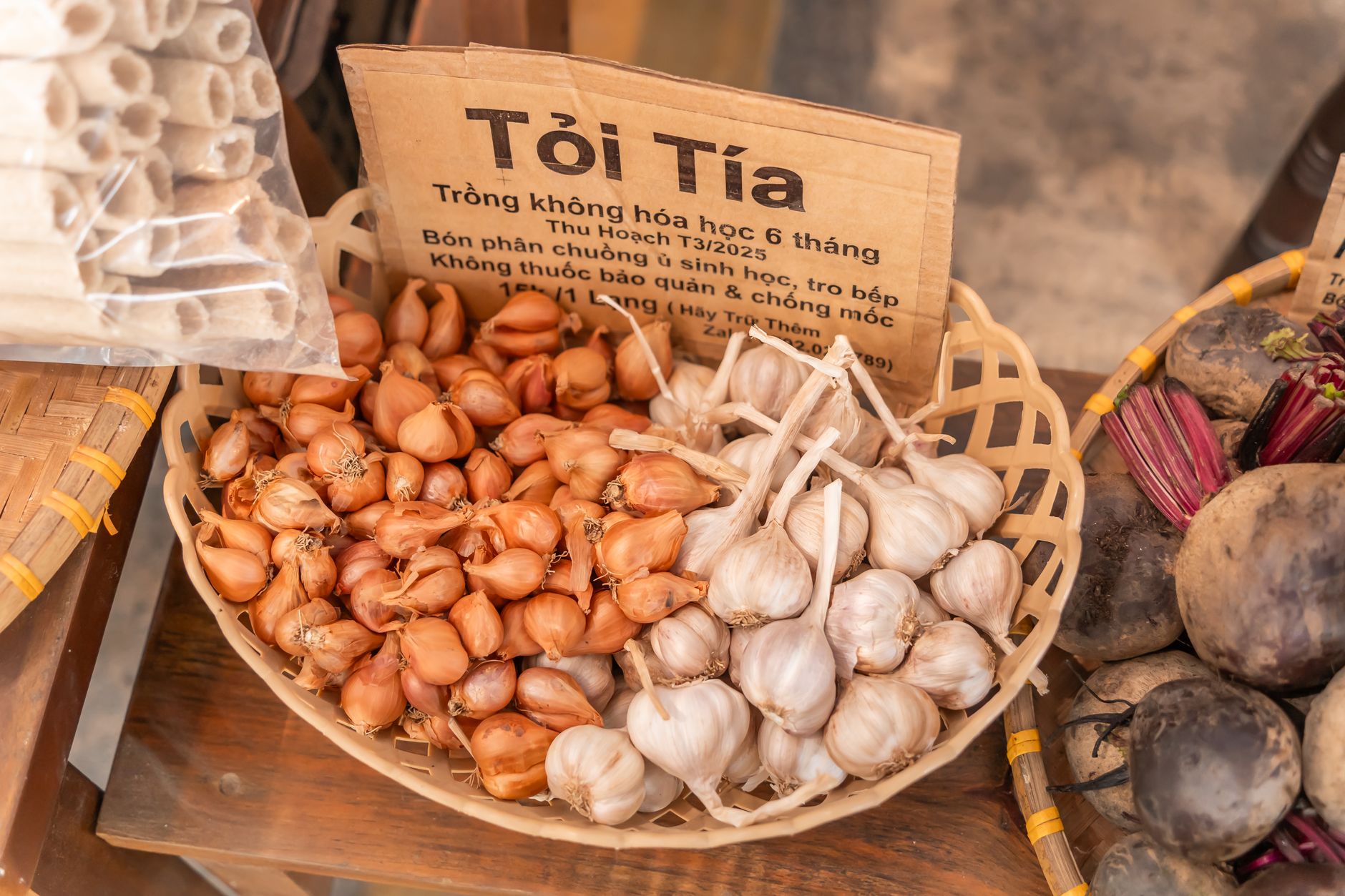
Discover the best shallot varieties for pickling, with planting dates, spacing, and a simple brine recipe for crisp, tangy results.
If you want pickled shallots that stay crisp and flavorful, choose varieties with firm flesh, thin skins, and a mild but distinct oniony bite. The best options are ‘Gray Griselle’, ‘French Red’, and ‘Champion’. Plant them in fall for zones 7-10 or early spring for zones 3-6, and harvest when the tops fall over. This guide covers the top varieties, planting specifics, and a foolproof pickling brine.
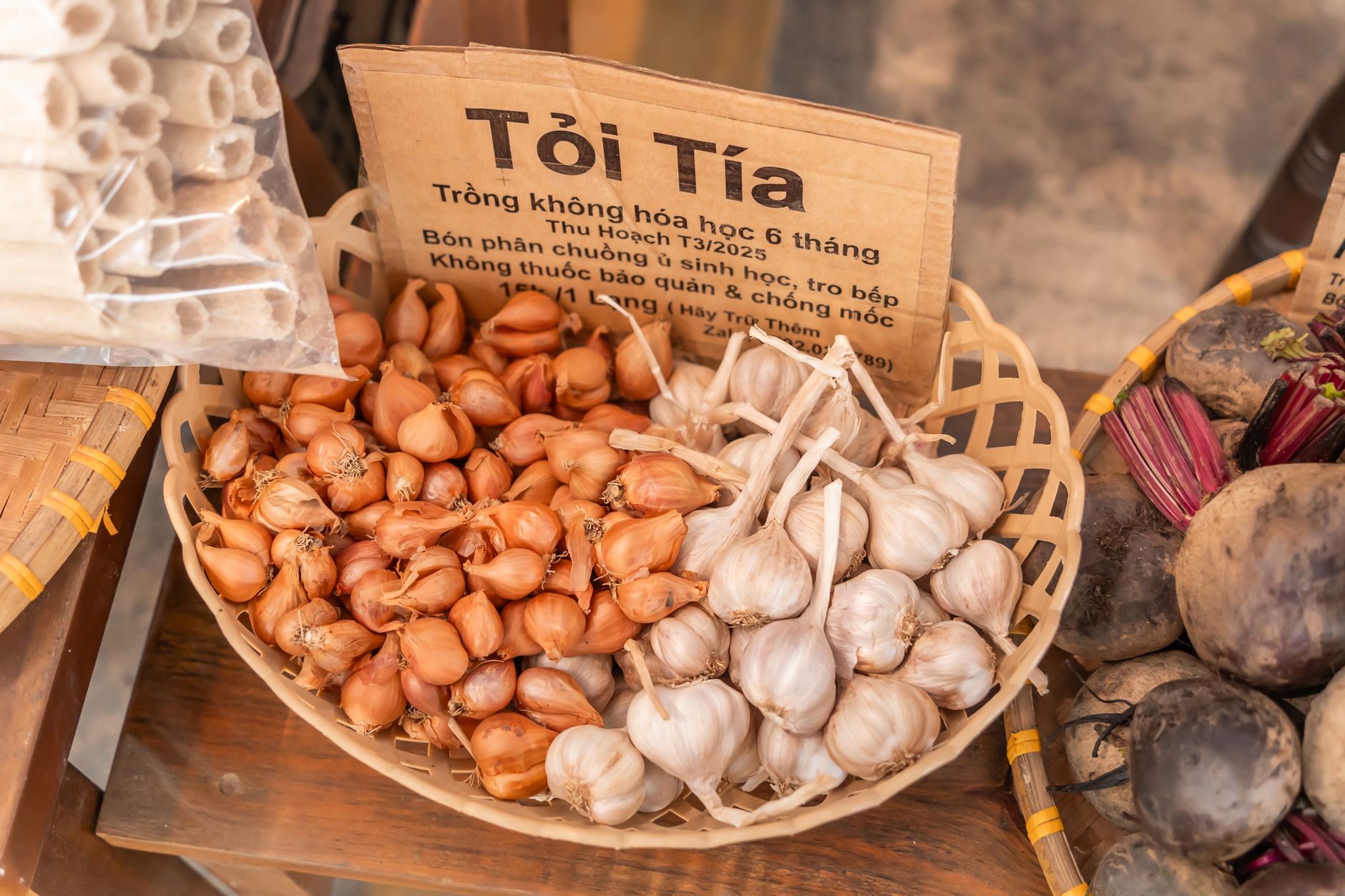
Top shallot varieties for pickling
Not all shallots pickle equally. Look for varieties that hold their shape and don’t turn mushy. Here are the ones I trust:
| Variety | Flavor | Pickling quality | Best zones |
|---|---|---|---|
| Gray Griselle | Rich, complex | Excellent: firm, crisp | 7-10 (fall), 3-6 (spring) |
| French Red | Mild, sweet | Very good: holds shape | 7-10 (fall), 3-6 (spring) |
| Champion | Mild, slightly sharp | Good: crisp but smaller | 7-10 (fall), 3-6 (spring) |
Gray Griselle is my top pick. It has a drier flesh and thinner skin, which means it absorbs brine without turning soft. French Red is a close second, especially if you prefer a sweeter pickle. Champion works well if you want smaller, pearl-like shallots for whole pic
 kling.
Avoid ‘Golden Gourmet’ or other soft-fleshed types; they turn mushy within weeks.
Planting and growing for pickling
Shallots for pickling need firm, well-cured bulbs. Start with sets (small bulbs) rather than seeds; they mature faster and produce more uniform sizes.
- Planting dates:
- Zones 7-10: Plant in October or November for a June harvest.
- Zones 3-6: Plant in early spring (March or April) as soon as soil is workable, harvest in August.
- Spacing: Plant sets 6 inches apart in rows 12 inches apart. Set them 1 inch deep, with the tip just below the surface.
- Soil: Well-drained, sandy loam with pH 6.0-7.0. Add compost before planting.
- Water: Keep soil evenly moist but not soggy. Stop watering once the tops start to yellow.
Harvest when the tops fall over and brown. Cure in a dry, shaded spot for 2-3 weeks until the necks are papery. For pickling, use bulbs that are 1-2 inches in diameter; larger ones can be halved or quartered.
The pickling process
Once your shallots are cured, you can pickle them within days. Here is a simple brine that keeps them crisp:
Ingredients:
- 1 pound shallots, peeled (about 20-25 small bulbs)
- 1 cup white vinegar (5% acidity)
- 1 cup water
- 1 tablespoon pickling salt (not table salt)
- 1 tablespoon sugar
- Optional: 1 teaspoon black peppercorns, 1 bay leaf, 1 garlic clove
Steps:
- Peel the shallots and trim the root ends, leaving the base intact so they don’t fall apart.
- Pack them into sterilized pint jars, leaving 1/2 inch headspace.
- In a saucepan, combine vinegar, water, salt, sugar, and spices. Bring to a boil, stirring to dissolve.
- Pour the hot brine over the shallots, covering them completely.
- Wipe the rims, seal with lids, and process in a boiling water bath for 10 minutes (adjust for altitude).
- Let cool, then store in a cool, dark place for at least 2 weeks before eating. They keep for up to a year.
For a quick refrigerator version, skip the water bath and store in the fridge; they’ll be ready in 3 days and last 2 months.
Tools and costs
You don’t need fancy equipment. Here’s what I use:
- Canning jars: Pint jars, about $12 for a dozen.
- Water bath canner: $30-$50 if you don’t have one; a large stockpot works too.
- Pickling salt: $4-$6 per pound.
- Shallot sets: $10-$15 per pound, enough for a 10-foot row.
Total start-up cost is under $50 if you already have basic kitchen tools.
FAQ
Can I pickle shallots without canning? Yes, use the refrigerator method. Just skip the water bath and store in the fridge. They’ll be ready in 3 days and last up to 2 months.
How long do pickled shallots last? Processed in a water bath, they last up to a year in a cool, dark pantry. Once opened, refrigerate and use within 1 month.
What if my shallots are too large? Halve or quarter them so they pickle evenly. Just make sure the pieces are uniform in size.
Can I reuse the brine? You can, but it will be weaker. For best flavor, make fresh brine for each batch.
The bottom line
For pickling, choose ‘Gray Griselle’ or ‘French Red’ shallots. Plant in fall or early spring depending on your zone, harvest when tops fall, cure properly, and use a vinegar brine with pickling salt. With minimal equipment and less than an hour of active time, you’ll have crisp, tangy pickled shallots that beat anything from the store. Start with a small batch this season to dial in your preferred flavor.