Best onions to grow
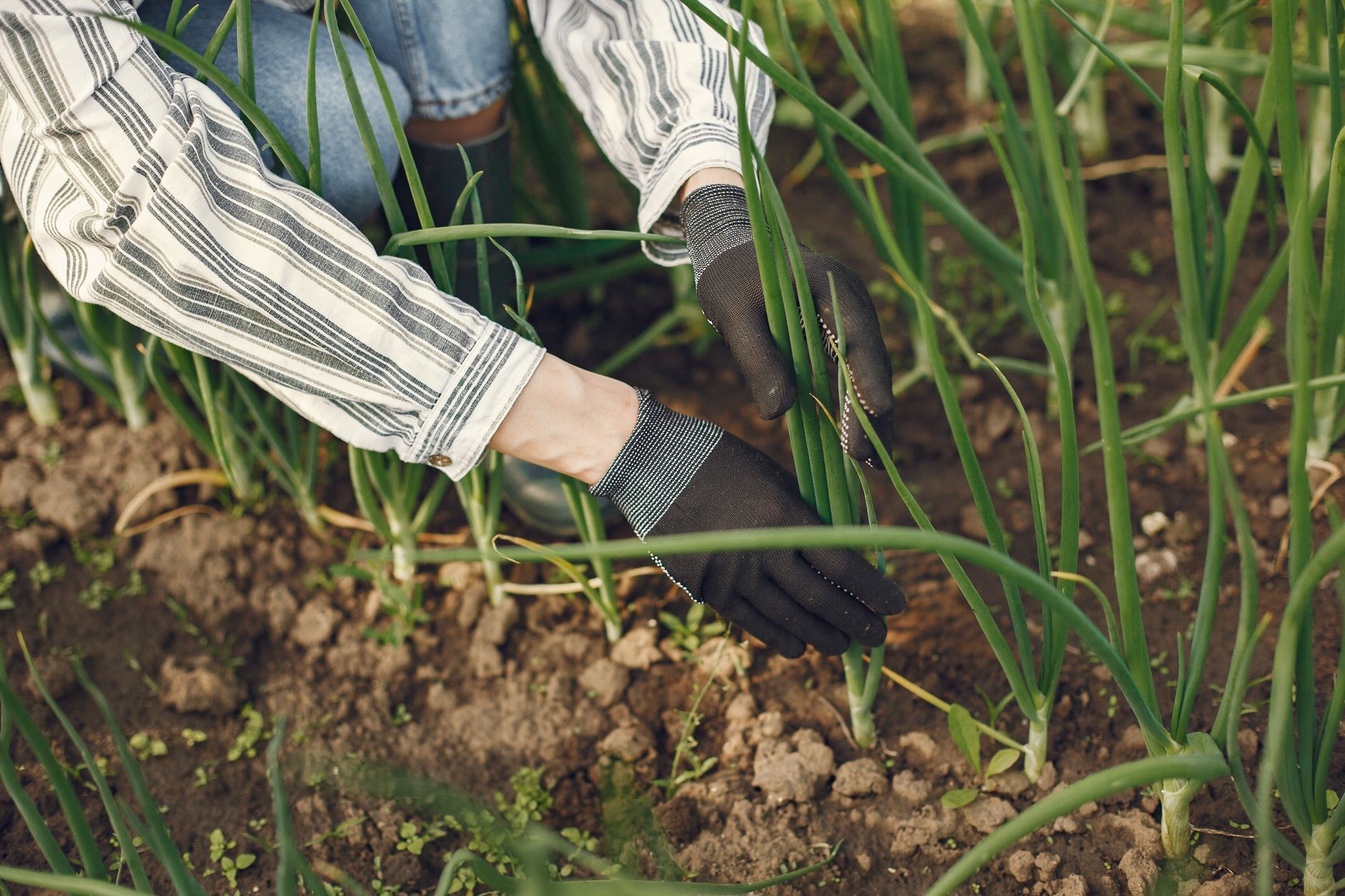
Discover the best onion varieties for your garden, with planting dates, spacing, and yields for US zones. Choose the right type for storage or fresh eating.
The best onions to grow are the ones that match your day length and storage needs. For most US gardeners, that means choosing between short-day, intermediate-day, and long-day varieties. Short-day onions bulb in the South, long-day onions in the North, and intermediate-day onions work in the middle. If you want onions that keep for months, pick a storage variety like ‘Copra’ or ‘Redwing’. For fresh eating, ‘Walla Walla’ or ‘Ailsa Craig’ are sweet but don’t store well. This guide breaks down the top choices by region and use, with real planting dates and spacing so you can get started this week.
Day length: the key to choosing
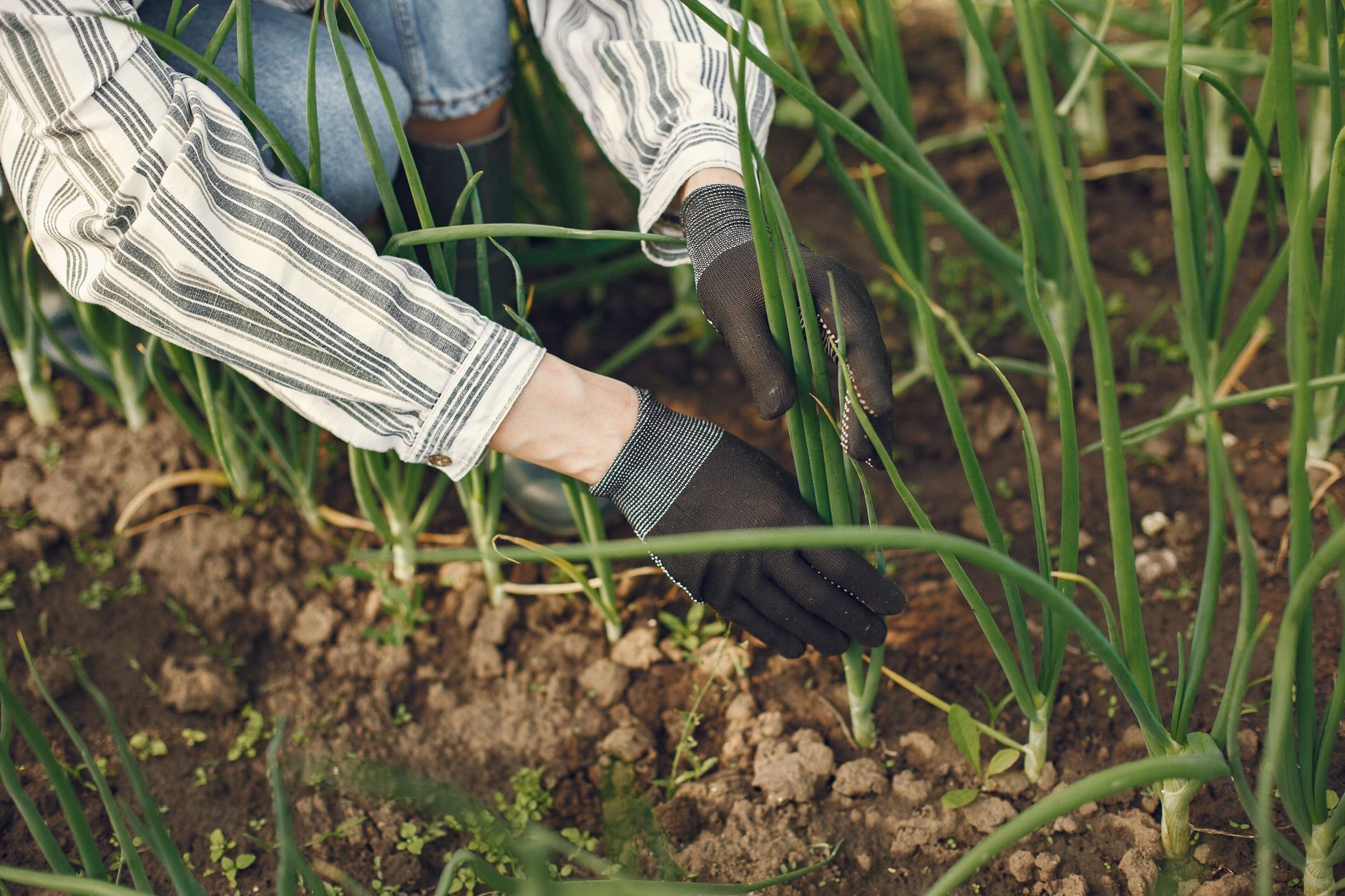
Onions bulb based on day length. Short-day varieties start bulbing when days reach 10 to 12 hours, which happens in winter in the South. Long-day varieties need 14 to 16 hours, common in northern summers. Intermediate-day onions bulb at 12 to 14 hours, suited to the middle latitudes. If you plant the wrong type, you get tops but no bulbs. Here is a quick reference by USDA zone:
| Zone | Day length type | Example varieties |
|---|---|---|
| 7 and warmer (South) | Short-day | ‘Red Creole’, ‘Texas SuperSweet’, ‘Yellow Granex’ |
| 5 to 6 (Transitional) | Intermediate-day | ‘Candy’, ‘Red Candy Apple’, ‘Superstar’ |
| 4 and colder (North) | Long-day | ‘Copra’, ‘Redwing’, ‘Walla Walla’ (if overwintered) |
For most gardeners, the safest bet is to buy sets or transplants from a local nursery that stocks varieti
 es suited to your area. Seed catalogs also list day length on each variety.
Top varieties by use
Best for storage
If you want onions that last through winter, choose firm, high-solids varieties. ‘Copra’ is a classic yellow storage onion that keeps 6 to 8 months. ‘Redwing’ is a red storage onion with good keeping quality. ‘Patterson’ is another yellow that stores well and resists bolting. These are long-day types, so they work best in zones 4 to 6. In the South, ‘Red Creole’ stores reasonably well for a short-day type, about 3 to 4 months.
Best for fresh eating
Sweet onions like ‘Walla Walla’ (long-day) and ‘Texas SuperSweet’ (short-day) are mild and crisp, perfect for salads and sandwiches. They have high water content, so they bruise easily and rot quickly. Use them within a few weeks of harvest. ‘Ailsa Craig’ is an intermediate-day variety that produces huge, sweet bulbs, but it does not store.
Best for sets vs. seeds
Onion sets (small bulbs) are the easiest way to start, especially for beginners. You can plant them directly in the ground in early spring. Seeds give you more variety and are cheaper, but they need a long growing season: start seeds indoors 8 to 10 weeks before your last frost. Transplants are a middle ground: you buy young plants and set them out at the right time. For most home gardeners, sets are the most reliable, but they are limited in variety.
Planting and spacing
Onions need full sun and well-drained soil with a pH between 6.0 and 7.0. Work in compost or a balanced fertilizer before planting. Plant sets or transplants 1 inch deep, with the tip just below the surface. Space them 4 to 6 inches apart in rows 12 to 18 inches apart. If you want larger bulbs, give them more space: 6 inches apart for big storage onions, 4 inches for smaller ones. For seeds, sow them 1/4 inch deep, then thin to 4 inches apart once they are a few inches tall.
Planting dates vary by zone:
- Zones 3 to 4: Plant sets or transplants in late April to early May, as soon as the soil can be worked.
- Zones 5 to 6: Plant in early to mid April.
- Zones 7 to 8: Plant short-day varieties in fall (October to November) for a spring harvest, or intermediate-day in early spring.
- Zones 9 and warmer: Plant short-day onions in fall for winter harvest.
A soil thermometer helps: plant when soil temperature is above 40°F. Onions can tolerate light frost, but not hard freezes.
Care and harvest
Water consistently: about 1 inch per week. Mulch to suppress weeds and retain moisture. Stop watering once the tops start to fall over, which signals maturity. Harvest when about half the tops have flopped. Gently lift the bulbs with a fork, then cure them in a warm, dry, airy place for 2 to 3 weeks. Cut the tops back to 1 inch and store in a cool, dry spot. For storage onions, keep them in a mesh bag or crate with good air circulation.
Tools and costs
You do not need much: a trowel or dibber for planting, a garden fork for harvesting, and a mesh bag for storage. A basic trowel costs $10 to $15. Onion sets run about $10 to $15 per pound, which plants about 50 feet of row. Transplants are $0.25 to $0.50 each. Seeds are $3 to $5 per packet, but you can grow hundreds of plants from one packet. If you want to start seeds indoors, a grow light setup costs $50 to $100, but you can also use a sunny windowsill.
FAQ
Can I grow onions from kitchen scraps?
No, onion scraps do not regrow into bulbs. They might sprout greens, but the bulb will not form. Start with sets, transplants, or seeds.
Why are my onions not forming bulbs?
The most common cause is wrong day length for your zone. Check that you chose a variety suited to your latitude. Other causes: planting too late, overcrowding, or too much nitrogen (which encourages tops over bulbs).
When should I harvest onions?
Harvest when about half the tops have fallen over naturally. Do not wait until all tops are down, or the bulbs may split. Cure them before storing.
How long do homegrown onions store?
Storage varieties like ‘Copra’ can last 6 to 8 months if cured properly and kept in a cool, dry place (40 to 50°F). Sweet onions last only a few weeks.
The bottom line
The best onions to grow are the ones that fit your day length and your storage needs. For northern gardeners, ‘Copra’ and ‘Redwing’ are reliable storage choices. For southern gardeners, ‘Red Creole’ and ‘Texas SuperSweet’ work well. If you want sweet, fresh onions, try ‘Walla Walla’ or ‘Candy’. Start with sets for ease, or seeds for variety. Plant at the right time for your zone, space them 4 to 6 inches apart, and harvest when tops flop. With a little attention, you can grow a year’s supply of onions for under $20.