Best onions to grow in minnesota
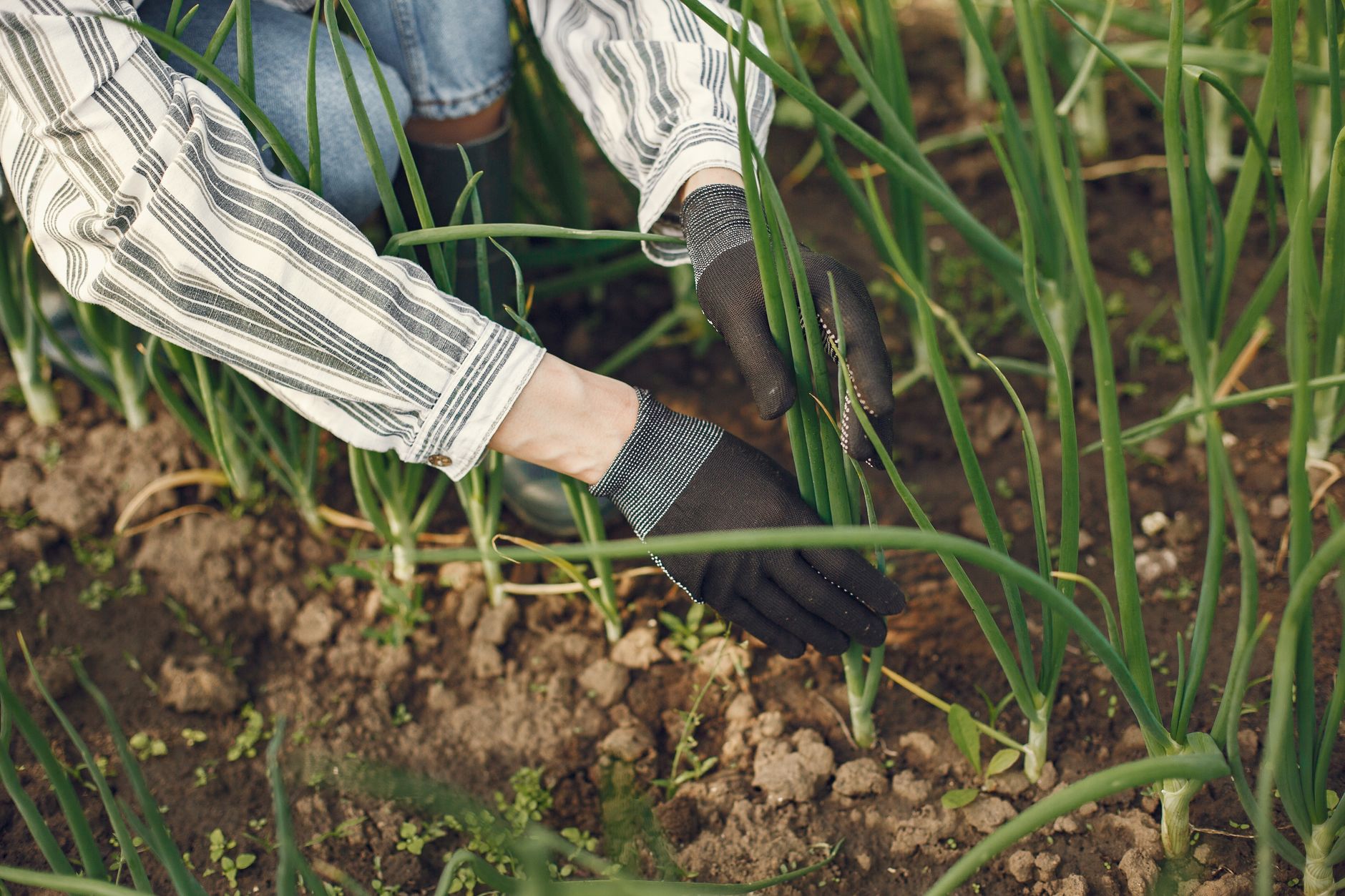
Discover the best onion varieties for Minnesota's climate, with planting dates, spacing, and tips for a successful harvest in USDA zones 3-4.
If you’re growing onions in Minnesota, your best bet is to choose long-day varieties that thrive in our northern climate. Short-day onions won’t bulb properly here because they need longer daylight hours than we get in summer. For reliable results, plant sets or transplants of varieties like ‘Patterson’, ‘Redwing’, or ‘Candy’ in early spring as soon as the soil can be worked, typically mid-April to early May. This guide covers the top performers, planting specifics, and common pitfalls to avoid.
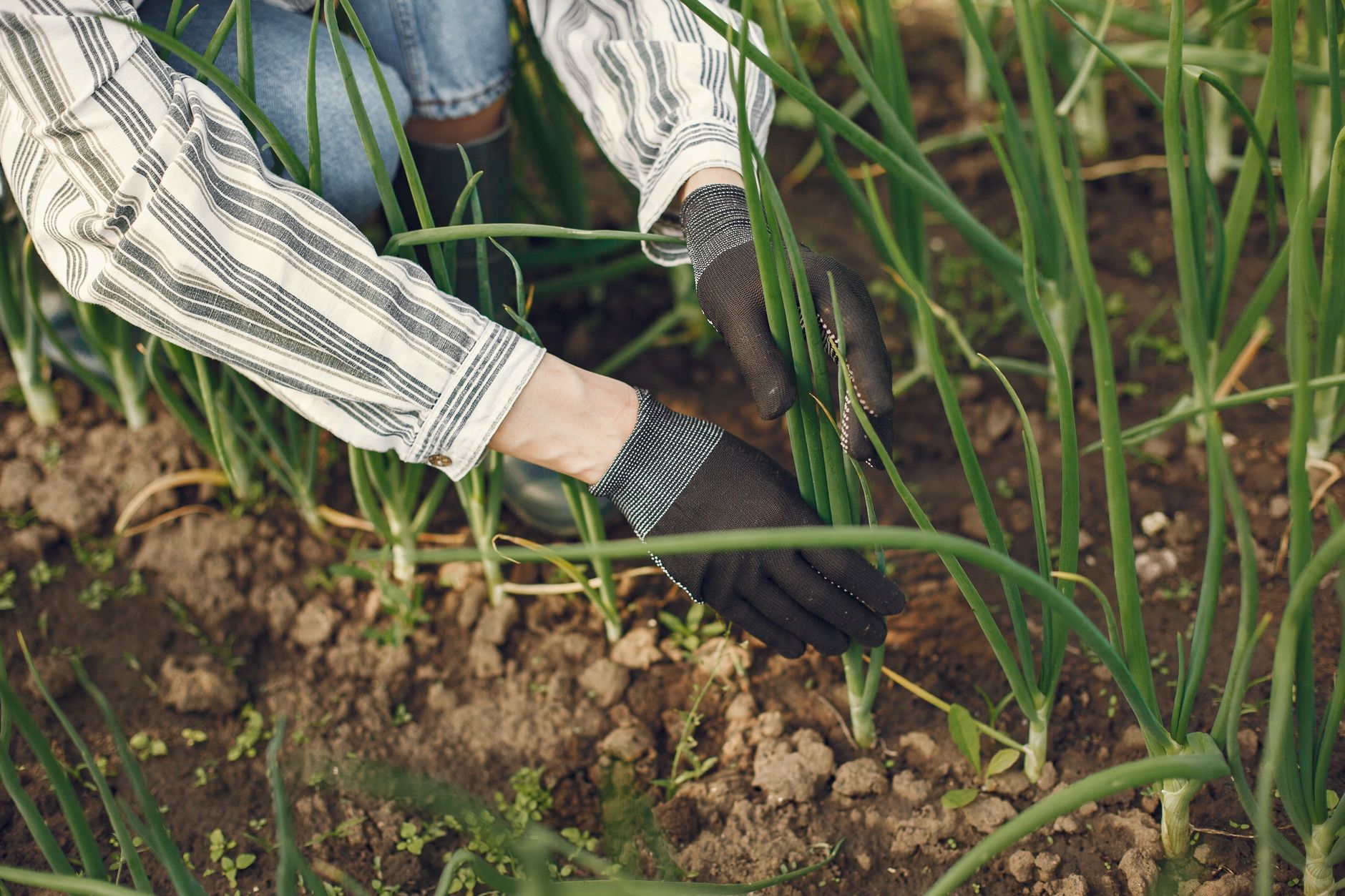
Understanding Onion Day-Length Requirements
Onions form bulbs based on day length. In Minnesota, we get about 15 to 16 hours of daylight in June and July, which is ideal for long-day onions. Short-day onions (like ‘Granex’) need only 10-12 hours and will just grow tops without bulbing. Intermediate-day onions (like ‘Can
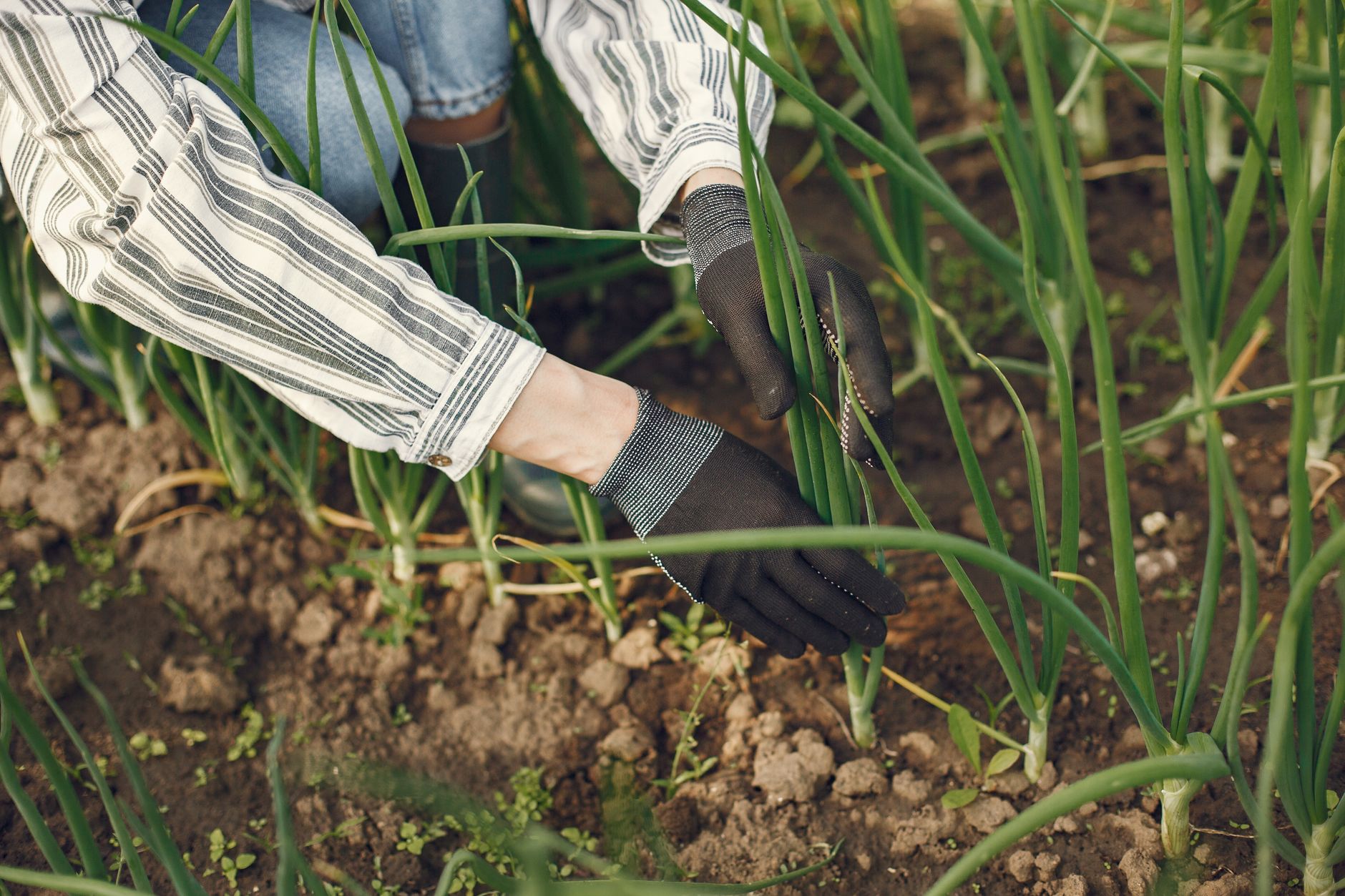 dy’) can also work but may be less predictable. Stick with long-day varieties for consistent results.
Top Onion Varieties for Minnesota
Here are the best onions for our state, based on reliability, storage quality, and flavor:
| Variety | Type | Days to Maturity | Storage Life | Flavor | Best Use |
|---|---|---|---|---|---|
| ‘Patterson’ | Yellow | 110 | 6-8 months | Mild, sweet | Storage, cooking |
| ‘Redwing’ | Red | 110 | 5-6 months | Mild, crisp | Fresh eating, salads |
| ‘Candy’ | Yellow | 100 | 3-4 months | Sweet | Fresh eating, short-term storage |
| ‘Copra’ | Yellow | 105 | 8-10 months | Pungent | Storage, cooking |
| ‘Wallala’ | Red | 95 | 2-3 months | Sweet | Fresh eating |
‘Patterson’ and ‘Copra’ are top choices for long-term storage. ‘Redwing’ is a reliable red that stores well. ‘Candy’ is a favorite for sweet flavor but doesn’t keep long, so eat it fresh. ‘Wallala’ is a sweet red that’s great for salads but not for storage.
Planting Onions in Minnesota
When to Plant
In Minnesota, plant onion sets or transplants as soon as the soil is workable in spring, usually mid-April to early May. Soil temperature should be at least 40°F. If you’re starting from seed, sow indoors 8-10 weeks before the last frost (typically late February to early March) and transplant in April.
Spacing and Depth
- Sets: Plant 1 inch deep, 4 inches apart in rows 12-18 inches apart.
- Transplants: Plant 1 inch deep, 4-6 inches apart in rows 12-18 inches apart.
- Seeds (direct sow): Plant 1/4 inch deep, 1 inch apart, then thin to 4 inches apart.
Soil Preparation
Onions prefer well-drained, loose soil with a pH between 6.0 and 7.0. Work in 2-3 inches of compost or aged manure before planting. Avoid fresh manure, which can cause rot. Onions are heavy feeders, so mix in a balanced fertilizer (10-10-10) at planting time.
Caring for Onions Throughout the Season
Watering
Keep soil consistently moist but not waterlogged. Onions need about 1 inch of water per week. Mulch with straw or grass clippings to retain moisture and suppress weeds.
Fertilizing
Side-dress with nitrogen fertilizer (like blood meal or 21-0-0) every 3-4 weeks until bulbs start to form (usually early July). Stop fertilizing once the tops begin to fall over.
Weed Control
Weeds compete with onions for nutrients and water. Hand-pull or hoe carefully, as onion roots are shallow. A layer of mulch helps.
Harvesting and Storing Onions
When to Harvest
Onions are ready when the tops yellow and fall over, typically 100-120 days after planting. For storage onions, wait until about 50% of the tops have fallen, then bend the rest over gently. Leave in the ground for 5-7 days to cure, or pull and cure in a dry, airy place.
Curing
Cure onions in a warm (75-85°F), dry, well-ventilated area for 2-3 weeks until the necks are tight and the skins are papery. Then trim roots and tops to 1 inch, and store in a cool (32-40°F), dry place. Good air circulation is key.
Storage Life
Storage onions like ‘Patterson’ and ‘Copra’ can last 6-10 months if cured properly. Sweet onions like ‘Candy’ and ‘Wallala’ have shorter storage life, so use them within a few months.
Common Problems and Solutions
- Bolting (flowering): Caused by cold snaps or temperature swings. Plant after the last hard frost, and choose bolt-resistant varieties like ‘Patterson’.
- Onion maggots: Use row covers to prevent flies from laying eggs, and rotate crops.
- Purple blotch: A fungal disease that causes purple spots on leaves. Avoid overhead watering, and apply fungicide if needed.
- Thrips: Tiny insects that cause silvery streaks. Use insecticidal soap or neem oil.
Frequently Asked Questions
Can I grow onions from seed in Minnesota?
Yes, but it takes longer. Start seeds indoors in late February or early March, and transplant in April. You’ll get a wider variety, but it requires more effort and a longer growing season.
What’s the difference between sets, transplants, and seeds?
Sets are small bulbs, easy to plant, and mature fastest. Transplants are started from seed and grown in a nursery, offering more variety. Seeds are cheapest but take the longest. For Minnesota, sets or transplants are easiest for beginners.
How many onions can I expect per square foot?
With 4-inch spacing, you’ll get about 9 onions per square foot. A 10-foot row with 4-inch spacing yields about 30 onions.
Should I plant onions in raised beds?
Raised beds are great for onions because they improve drainage and soil warmth. Just ensure the soil is loose and rich in organic matter.
The Bottom Line
For Minnesota gardeners, long-day onions are the only way to go. Choose ‘Patterson’ or ‘Copra’ for storage, ‘Redwing’ for a reliable red, and ‘Candy’ for sweet fresh eating. Plant sets or transplants in April, keep the soil moist and weed-free, and harvest in late summer. With proper curing, you’ll have onions that last through winter. Start with a small patch, learn the ropes, and expand next year.
Happy growing, and remember: the best onion is the one you grow yourself.