Best onions to grow in maryland
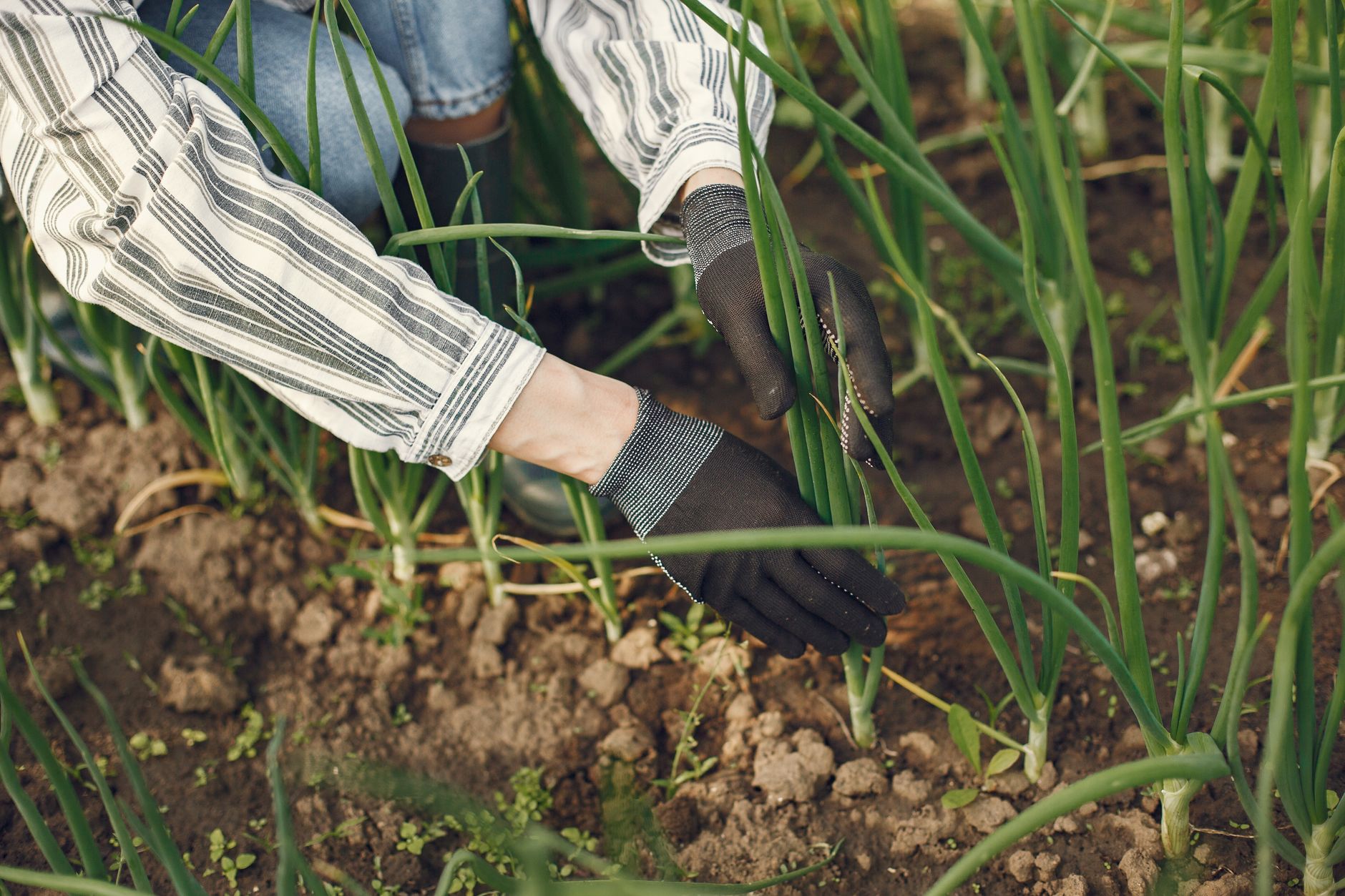
Discover the best onion varieties for Maryland's climate, with planting dates, spacing, and tips for a successful harvest in USDA zones 6-7.
If you’re growing onions in Maryland, your best bet is a mix of short-day and intermediate-day varieties, planted in early spring or fall. Maryland spans USDA zones 6 and 7, so you need onions that bulb before the summer heat peaks. Here’s what works, when to plant, and how to get a solid harvest.
Understanding Onion Day Length
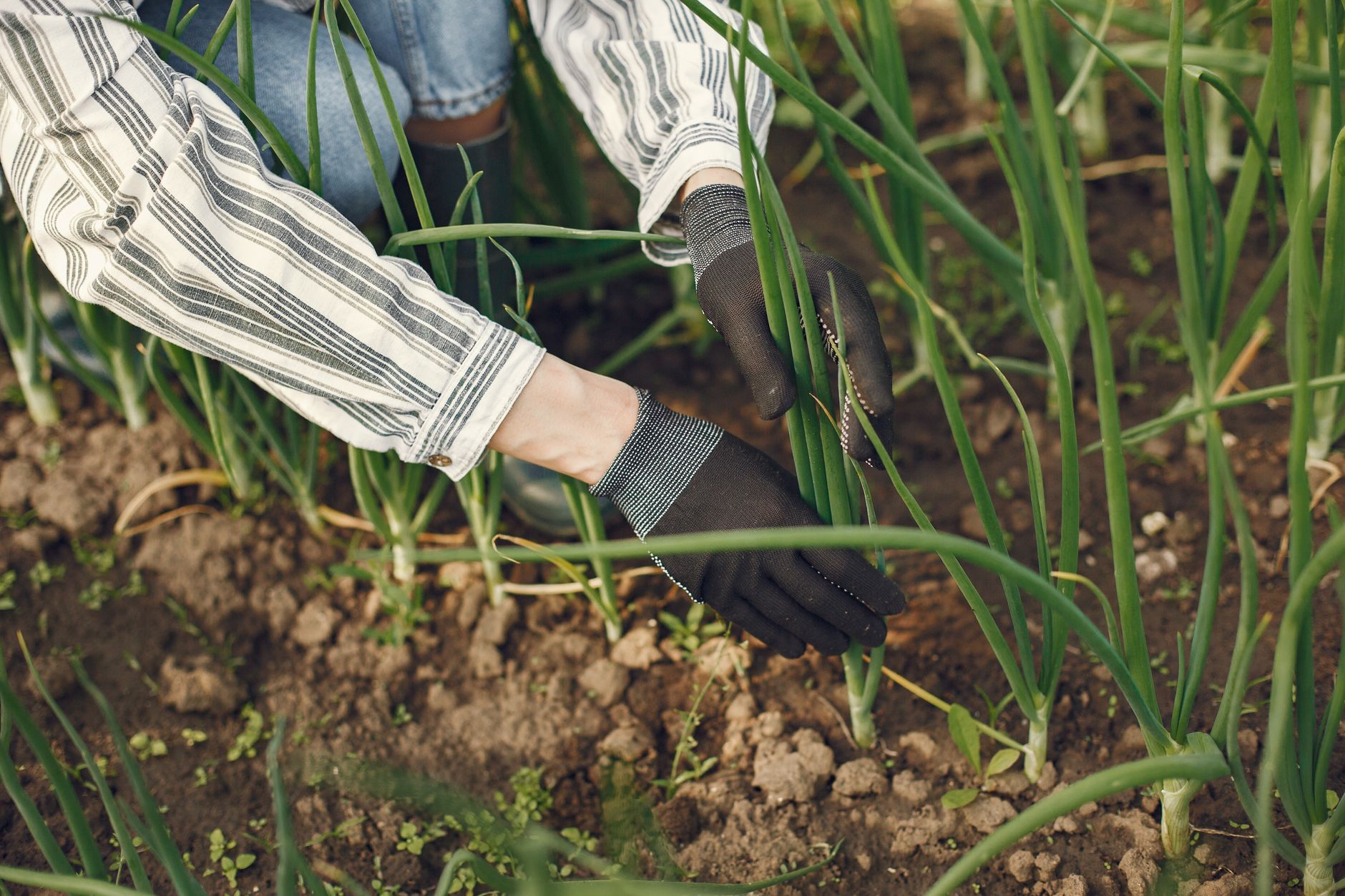
Onions bulb based on day length. Short-day varieties start bulbing when days reach 10-12 hours, which happens early in Maryland, making them a safe choice. Intermediate-day onions need 12-14 hours, which also works well. Long-day onions (14-16 hours) are better for northern states; in Maryland, they often produce lots of tops but small bulbs.
For Maryland, stick with sh
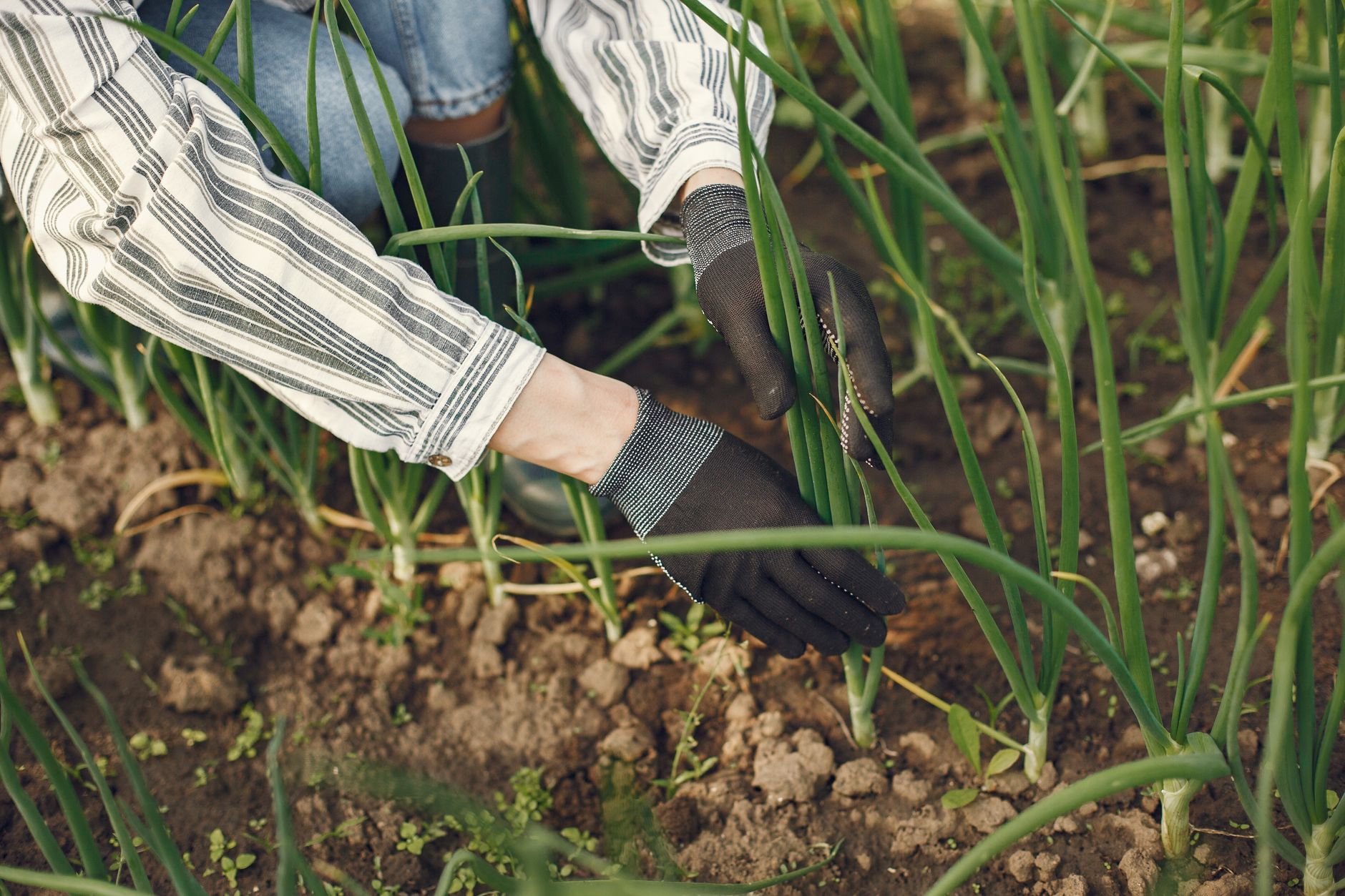 ort-day and intermediate-day types. This is the single most important factor in choosing varieties.
Best Varieties for Maryland
Here are proven performers for Maryland’s climate, with realistic yields and storage potential.
| Variety | Type | Days to Maturity | Storage | Notes |
|---|---|---|---|---|
| ‘Red Creole’ | Short-day | 95-110 | 3-4 months | Deep red, pungent, stores well |
| ‘Texas Early Grano’ | Short-day | 100-110 | 2-3 months | Mild, sweet, great for fresh eating |
| ‘Candy’ | Intermediate | 100-110 | 3-4 months | Large, sweet, reliable in MD |
| ‘Super Star’ | Intermediate | 100-110 | 2-3 months | White, mild, early |
| ‘Red Candy Apple’ | Intermediate | 100-110 | 3-4 months | Red, sweet, good storage |
| ‘Yellow Granex’ | Short-day | 100-110 | 2-3 months | Vidalia type, sweet, short storage |
These are all available as sets or transplants from local nurseries or online. Expect to pay $10-$15 for a pound of sets (about 50-60 sets) or $15-$25 for 50 transplants.
When to Plant in Maryland
Maryland’s climate allows two planting windows: spring and fall.
- Spring planting: For a summer harvest, plant sets or transplants 2-4 weeks before your last frost date. In zone 6, that’s typically mid-March to early April; in zone 7, late February to mid-March. Soil temperature should be at least 40°F.
- Fall planting: For an early summer harvest next year, plant sets in September or October, about 4-6 weeks before the first hard frost. They’ll overwinter and start growing in spring. In zone 6, plant in late September; in zone 7, early to mid-October.
If you plant from seed, start indoors 8-10 weeks before your last frost date. For fall planting, direct sow seeds in August.
Soil Preparation and Planting
Onions need well-drained, loose soil with a pH between 6.0 and 7.0. Work in 2-3 inches of compost or aged manure before planting. Add a balanced fertilizer like 10-10-10 at a rate of 1 pound per 10 square feet, worked into the top 6 inches.
Plant sets or transplants 1 inch deep, with the tip just below the surface. Space them 4-6 inches apart in rows 12-18 inches apart. If you want larger onions, give them more space: 6 inches apart for jumbo size.
For transplants, trim the roots to 1 inch and the tops to 6 inches before planting. This encourages new root growth.
Care and Maintenance
- Watering: Onions need about 1 inch of water per week. Keep the soil consistently moist, but not soggy. Mulch with straw or grass clippings to retain moisture and suppress weeds.
- Fertilizing: Side-dress with nitrogen (like blood meal or 21-0-0) every 3-4 weeks until the bulbs start to swell. Stop fertilizing once the tops begin to fall over.
- Weeding: Onions are poor competitors. Hand-pull weeds or use a hoe carefully, as onion roots are shallow.
- Pests and diseases: Watch for onion maggots and thrips. Use row covers to prevent maggots, and spray with insecticidal soap for thrips. Rotate crops to avoid soil-borne diseases like pink root.
Harvesting and Curing
Harvest when the tops have fallen over and the necks feel soft. This is usually 100-110 days after planting. Gently lift the bulbs with a fork, being careful not to bruise them.
Cure onions in a warm, dry, well-ventilated area for 2-3 weeks. Lay them on a screen or hang them in mesh bags. Once the necks are completely dry and the outer skins are papery, trim the roots and tops to 1 inch, and store in a cool, dry place (40-50°F) with good air circulation.
Realistic yields: from a 10-foot row, you can expect 10-15 pounds of onions, depending on variety and care.
FAQ
Can I grow onions from seeds in Maryland? Yes, but it takes longer. Start seeds indoors 8-10 weeks before your last frost. Transplants give a head start and are easier for beginners.
What’s the difference between sets and transplants? Sets are small bulbs that are easy to plant but may bolt (go to seed) if they get a cold snap. Transplants are young plants started from seed; they’re more reliable for bulb formation.
Why are my onions not forming bulbs? Likely causes: wrong day-length type, planted too late, or too much nitrogen. Make sure you’re using short-day or intermediate varieties, and don’t over-fertilize.
Can I grow sweet onions like Vidalia in Maryland? Yes, ‘Yellow Granex’ is the Vidalia type and grows well in Maryland. But they don’t store long, so use them within a few months.
The bottom line
For Maryland, choose short-day or intermediate-day onion varieties like ‘Red Creole’, ‘Candy’, or ‘Super Star’. Plant in early spring or fall, give them loose soil and consistent moisture, and harvest when tops fall over. With proper care, you’ll get a satisfying crop of fresh, flavorful onions. Start with sets or transplants for the easiest path to success.