Best onions for pickling
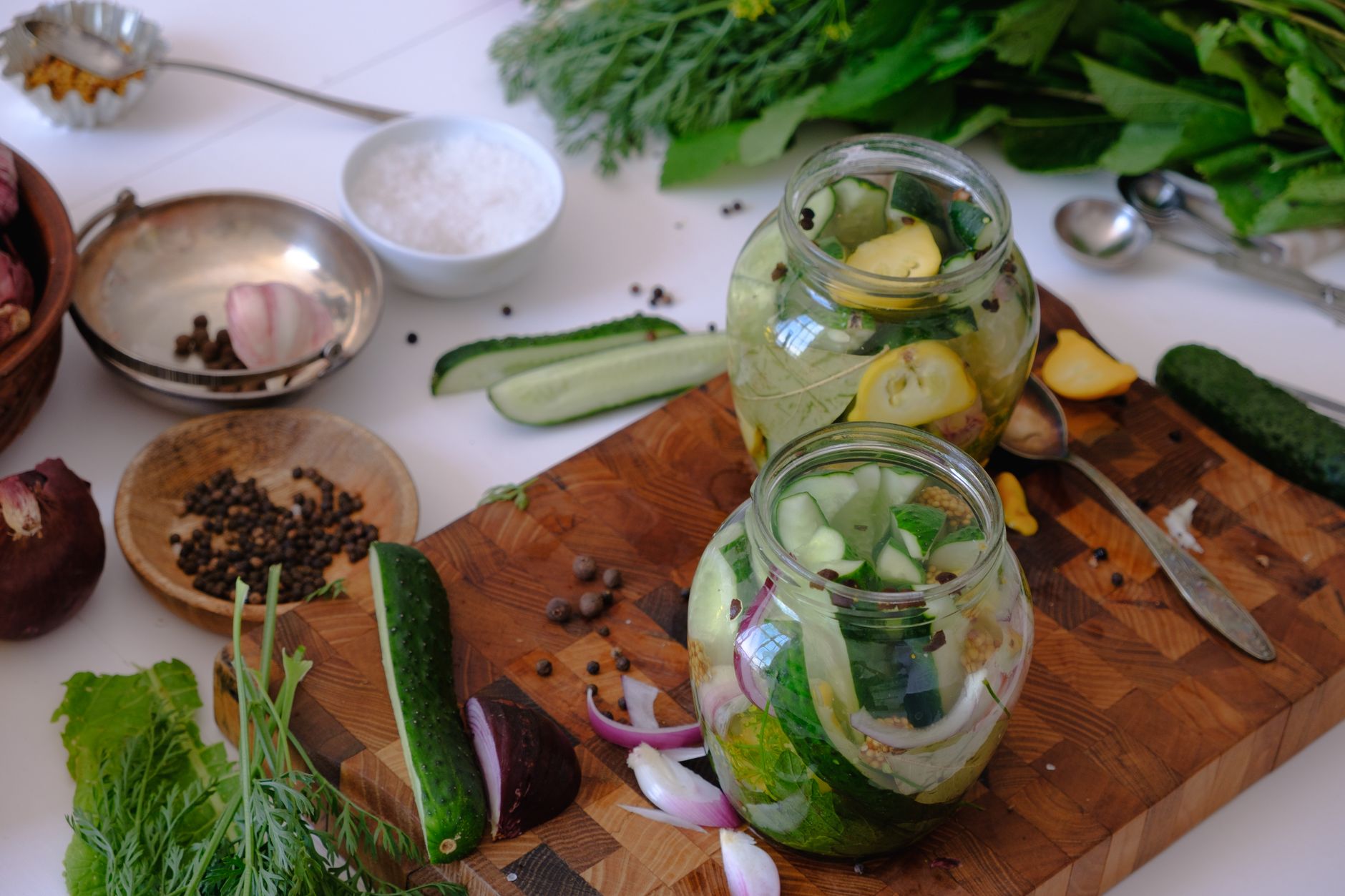
Discover the best onion varieties for pickling, with planting dates, spacing, and step-by-step pickling tips for crisp, flavorful results.
If you want pickled onions that stay crisp and sweet, choose small, firm varieties like ‘Purplette’, ‘Barletta’, or ‘Cipollini’. These onions are harvested young, have thin skins, and pickle beautifully without turning mushy. In this guide, I’ll share the top varieties, when to plant them for your zone, and a simple pickling method that works every time.
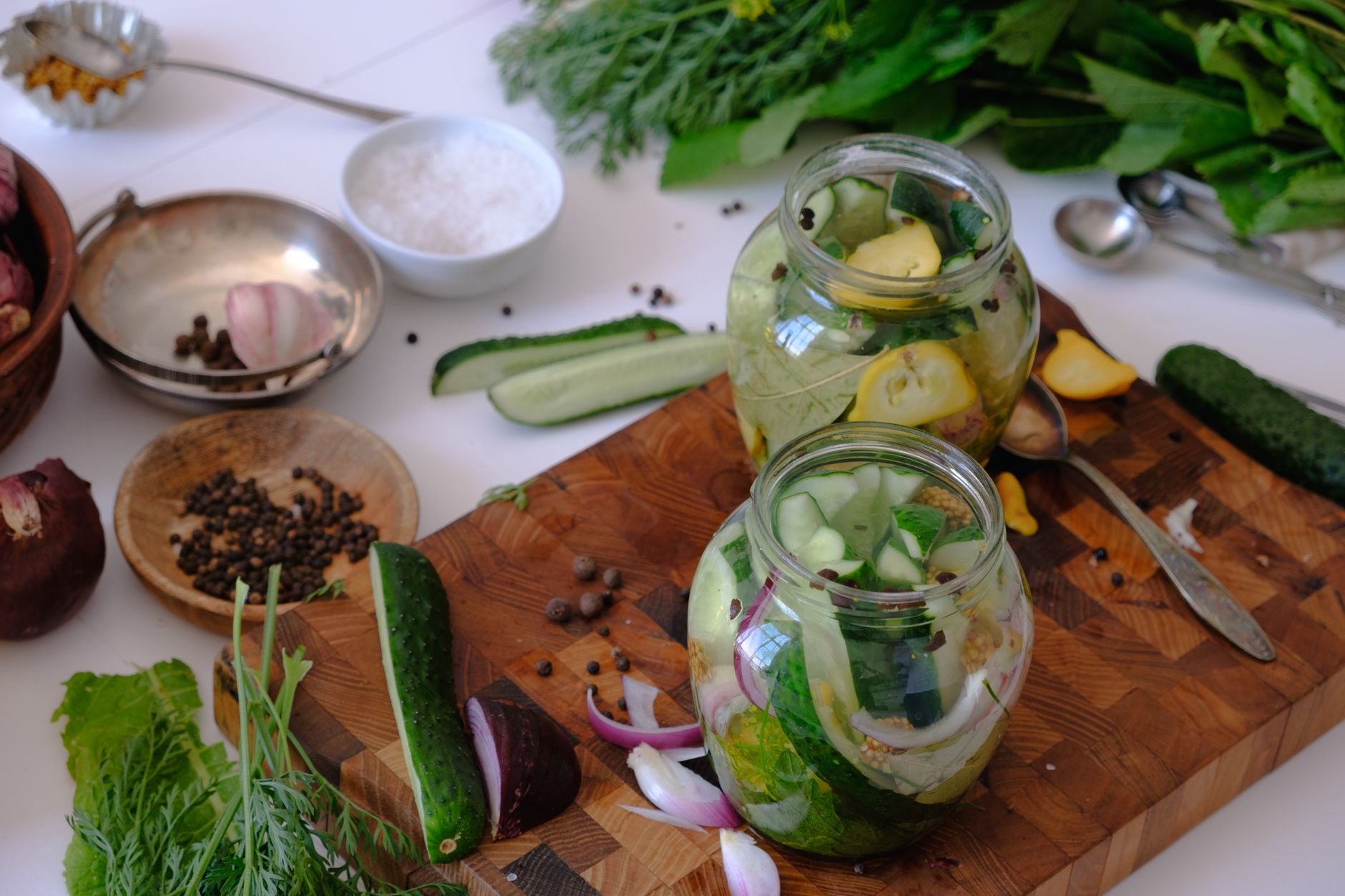
Why onion variety matters for pickling
Pickling is a test of texture and flavor. Standard storage onions like ‘Yellow Globe’ or ‘Red Burgermaster’ can become soft and overly pungent when pickled. Small specialty onions, on the other hand, have a higher sugar-to-water ratio and lower pyruvic acid (the compound that makes you cry), so they taste milder and hold their crunch better. Look for varieties labeled as “pickling” or “pearl” onion
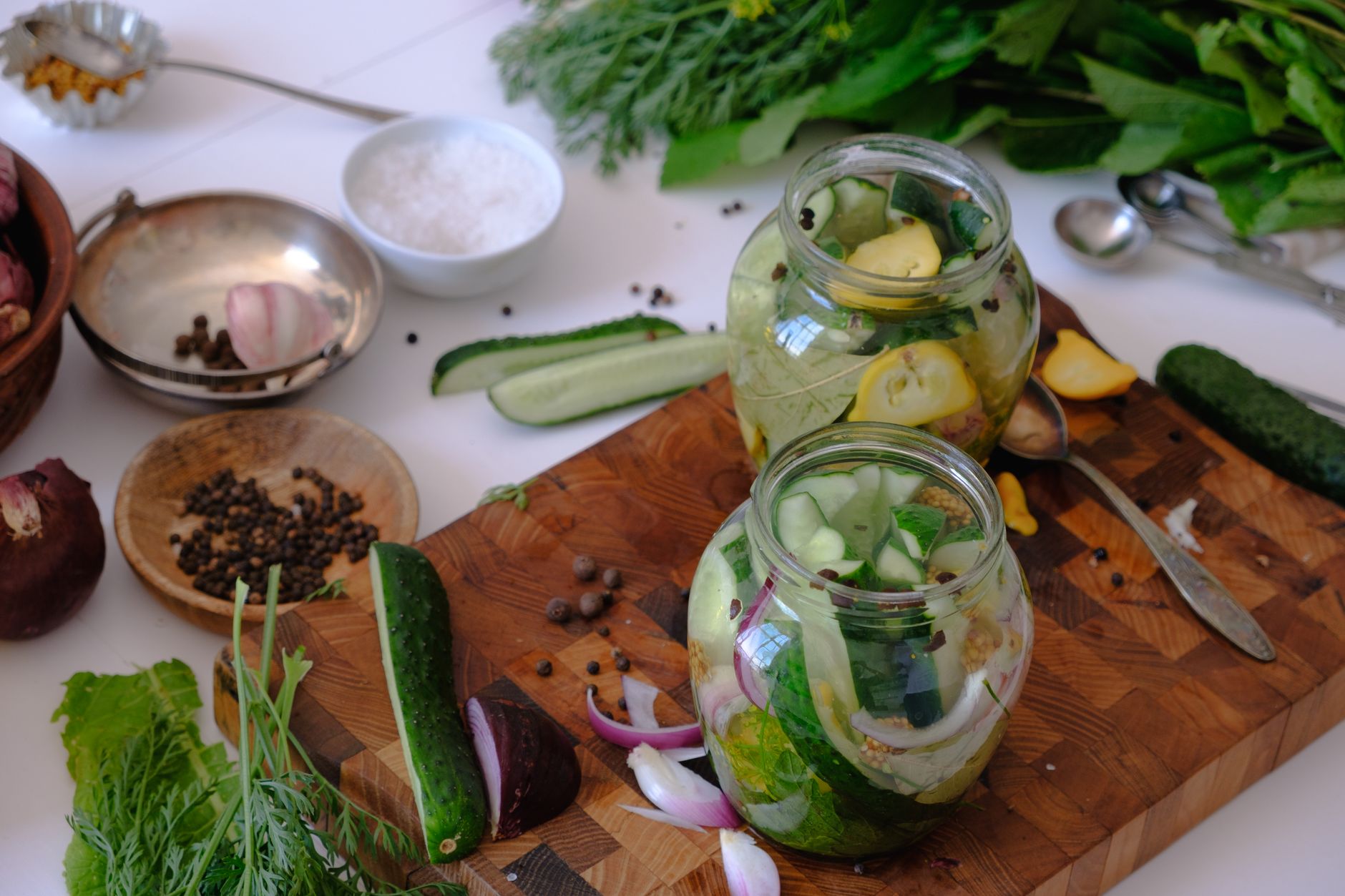 s, or choose any onion you can harvest at a small size (1 to 1.5 inches in diameter).
Top pickling onion varieties for 2026
Here are the varieties I’ve grown and tested, with realistic notes on flavor and performance:
| Variety | Type | Days to Maturity | Flavor | Best For |
|---|---|---|---|---|
| ‘Purplette’ | Bunching/Perennial | 60-70 | Mild, sweet | Quick pickles, fresh use |
| ‘Barletta’ | Pearl (white) | 65-75 | Sweet, mild | Classic pickled onions |
| ‘Cipollini’ | Flat, Italian | 90-100 | Sweet, rich | Roasting and pickling |
| ‘Red Marble’ | Pearl (red) | 65-75 | Mild, slightly spicy | Colorful pickles |
| ‘White Lisbon’ | Bunching | 60-70 | Mild, crisp | Scallion-style pickles |
‘Purplette’ is a reliable choice for northern gardeners because it forms small bulbs even in short seasons. ‘Barletta’ is the classic white pearl onion, perfect for traditional vinegar pickles. ‘Cipollini’ has a distinctive flat shape and a sweetness that stands up to bold pickling spices. If you want red onions for color, ‘Red Marble’ holds its hue well.
Planting and growing for pickling
Onions are cool-season crops. Plant sets or seeds as soon as the soil can be worked in spring, typically 2-4 weeks before your last frost date. For a fall harvest, plant in late summer for overwintering in mild zones (8-10).
- Spacing: For small pickling onions, space sets 1-2 inches apart in rows 12 inches apart. If you want larger bulbs, space 4 inches apart.
- Depth: Plant sets 1 inch deep, with the tip just below the surface. Seeds: 1/4 inch deep.
- Soil: Well-drained, loose soil with a pH of 6.0-6.8. Add compost before planting.
- Water: Keep soil consistently moist, about 1 inch per week.
- Fertilizer: Side-dress with nitrogen (like blood meal) when tops are 6 inches tall.
For a continuous supply, plant a short-day variety in the South (zones 7-10) and a long-day variety in the North (zones 3-6). ‘Purplette’ is day-neutral and works anywhere.
Harvesting for pickling
Harvest when bulbs are 1 to 1.5 inches in diameter, usually 60-75 days after planting sets. Gently lift with a fork, let them cure in a dry, shaded spot for a few days, then trim tops and roots. For the crispiest pickles, use them within a week of harvest.
The best pickling method for crisp onions
Here’s a simple brine that keeps onions crunchy. This recipe makes about 4 pints.
Ingredients:
- 2 pounds small pickling onions, peeled
- 1 cup white vinegar (5% acidity)
- 1 cup water
- 1 tablespoon sugar
- 1 teaspoon salt
- Optional: 1 teaspoon pickling spice, 1 clove garlic, 1 bay leaf
Steps:
- Peel onions: blanch in boiling water for 30 seconds, then plunge into ice water. Skins slip right off.
- Pack onions into sterilized jars, leaving 1/2 inch headspace. Add garlic or spices if using.
- In a saucepan, combine vinegar, water, sugar, and salt. Bring to a boil, stirring to dissolve.
- Pour hot brine over onions, covering them completely.
- Wipe rims, seal with lids, and process in a boiling water bath for 10 minutes (adjust for altitude).
For refrigerator pickles, skip the water bath and store in the fridge for up to 2 months. For shelf-stable pickles, use the water bath method.
Why this method works
The blanching step relaxes the onion’s cell walls, which helps the brine penetrate without making them mushy. The vinegar and salt create an acidic environment that preserves texture and flavor. Using small onions ensures even pickling.
Storage and shelf life
Properly processed pickled onions will keep for up to 12 months in a cool, dark pantry. Once opened, refrigerate and use within 1-2 months. Refrigerator pickles are best within 2-3 weeks for peak crunch.
Cost and yield
Growing your own pickling onions is economical. A packet of ‘Barletta’ seeds costs $3-$5 and yields about 100 onions per 10-foot row. Onion sets cost $8-$12 per pound and produce roughly 50-60 bulbs per pound. In 2026, a jar of artisan pickled onions costs $8-$12 at farmers’ markets, so home pickling saves you money if you grow your own.
FAQ
Can I pickle regular onions instead of special varieties? Yes, but they’ll be stronger and softer. Choose sweet varieties like ‘Vidalia’ or ‘Walla Walla’, and slice them instead of leaving whole. They’re better for quick refrigerator pickles.
What’s the best vinegar for pickling onions? White vinegar (5% acidity) gives a clean, sharp taste. Cider vinegar adds a fruity note, but it can darken red onions. Use a vinegar with at least 5% acidity for safety.
How long do pickled onions last? Processed jars last up to a year in the pantry. Refrigerator pickles last 1-2 months. Always check for signs of spoilage like cloudiness or bulging lids.
Can I use onion sets for pickling? Yes, choose small sets (about 1 inch) and plant them close together. Harvest as soon as they reach pickling size, before they start to bulb out.
The bottom line
For the best pickled onions, grow ‘Purplette’, ‘Barletta’, or ‘Cipollini’ and harvest them small. Plant in early spring, space tightly, and use a simple vinegar brine with a quick blanch to keep them crisp. With a little planning, you’ll have a pantry full of tangy, sweet onions that beat anything from the store.