Best onions for onion rings
Discover the best onion varieties for crispy, sweet onion rings, with planting tips, varieties for all zones, and step-by-step cooking advice.
If you want onion rings that are sweet, mild, and crisp, choose sweet onion varieties like Walla Walla, Vidalia, or Ailsa Craig. These onions have higher sugar and water content, which makes them less pungent and better for frying. For the best results, plant them in early spring or fall, depending on your zone, and harvest when the tops fall over.
Why sweet onions win for rings
Sweet onions contain less sulfur and more water than storage onions, so they are milder and less likely to overpower the batter. When fried, they caramelize quickly and turn tender, not mushy.
 Storage onions like Yellow Globe or Copra are too sharp and can leave a bitter aftertaste.
Top varieties for onion rings
Here are the best sweet onion varieties, with days to maturity and storage life:
| Variety | Days to Maturity | Storage Life | Flavor | Best Zones |
|---|---|---|---|---|
| Walla Walla | 125-140 | 1-2 months | Very sweet, mild | 4-8 |
| Vidalia (Granex) | 90-110 | 1-2 months | Sweet, juicy | 8-10 |
| Ailsa Craig | 110-130 | 2-3 months | Sweet, large | 3-9 |
| Candy | 100-115 | 2-3 months | Sweet, crisp | 3-8 |
| Texas SuperSweet | 100-120 | 1 month | Sweet, mild | 7-10 |
For northern zones (3-5), plant long-day varieties like Walla Walla or Ailsa Craig. For southern zones (6-10), choose short-day or intermediate varieties like Vidalia or Texas SuperSweet. If you want a reliable all-rounder, Candy works in most zones.
How to grow onions for rings
Onions need full sun, loose soil, and consistent moisture. Plant sets or transplants in early spring as soon as the ground can be worked, or in fall for overwintering in mild zones. Space them 4-6 inches apart in rows 12-18 inches apart. Plant sets 1 inch deep, transplants at the same depth they were in the pot.
Fertilize with a balanced 10-10-10 at planting, then side-dress with nitrogen every 3 weeks until bulbs start to form. Keep the soil evenly moist, but not soggy. Stop watering when the tops begin to yellow and fall over.
Harvest when about half the tops have fallen over. Pull them on a dry day, then cure in a warm, dry, shaded spot for 2-3 weeks. Sweet onions do not store long, so use them within a month or two.
Making perfect onion rings
For the best rings, slice onions 1/4 to 1/2 inch thick. Separate the rings and soak them in cold water for 30 minutes to reduce sharpness and help the batter stick. Pat dry before battering.
Use a simple batter: 1 cup all-purpose flour, 1 cup cold beer or sparkling water, 1 teaspoon salt, and 1/2 teaspoon paprika. Whisk until smooth, then dip rings and fry in oil at 375°F for 2-3 minutes per side until golden. Drain on paper towels and serve immediately.
For a thicker coating, use a double dip: flour, then batter, then flour again. For a gluten-free option, use rice flour and cornstarch.
FAQ
Can I use red onions for onion rings?
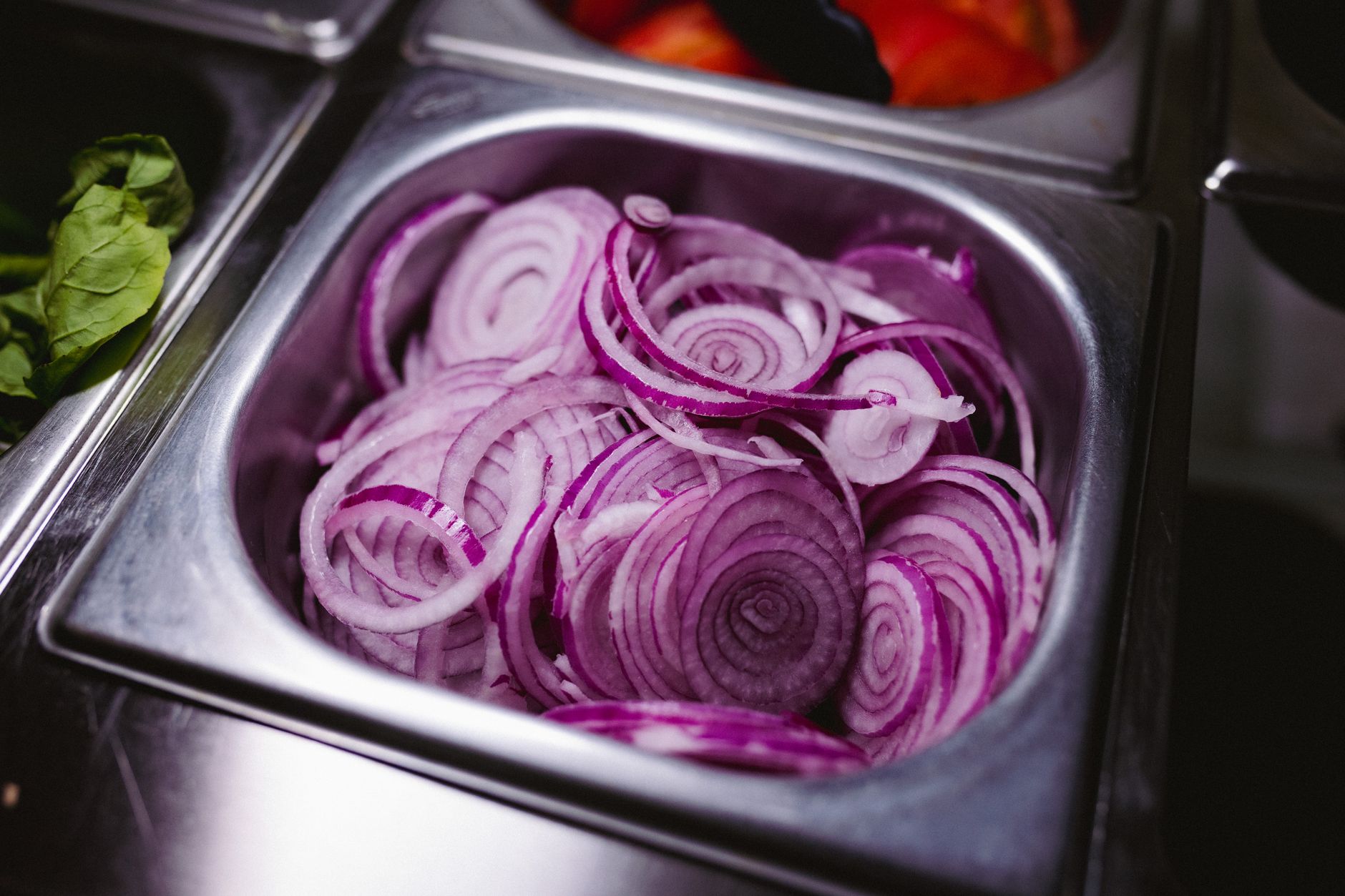
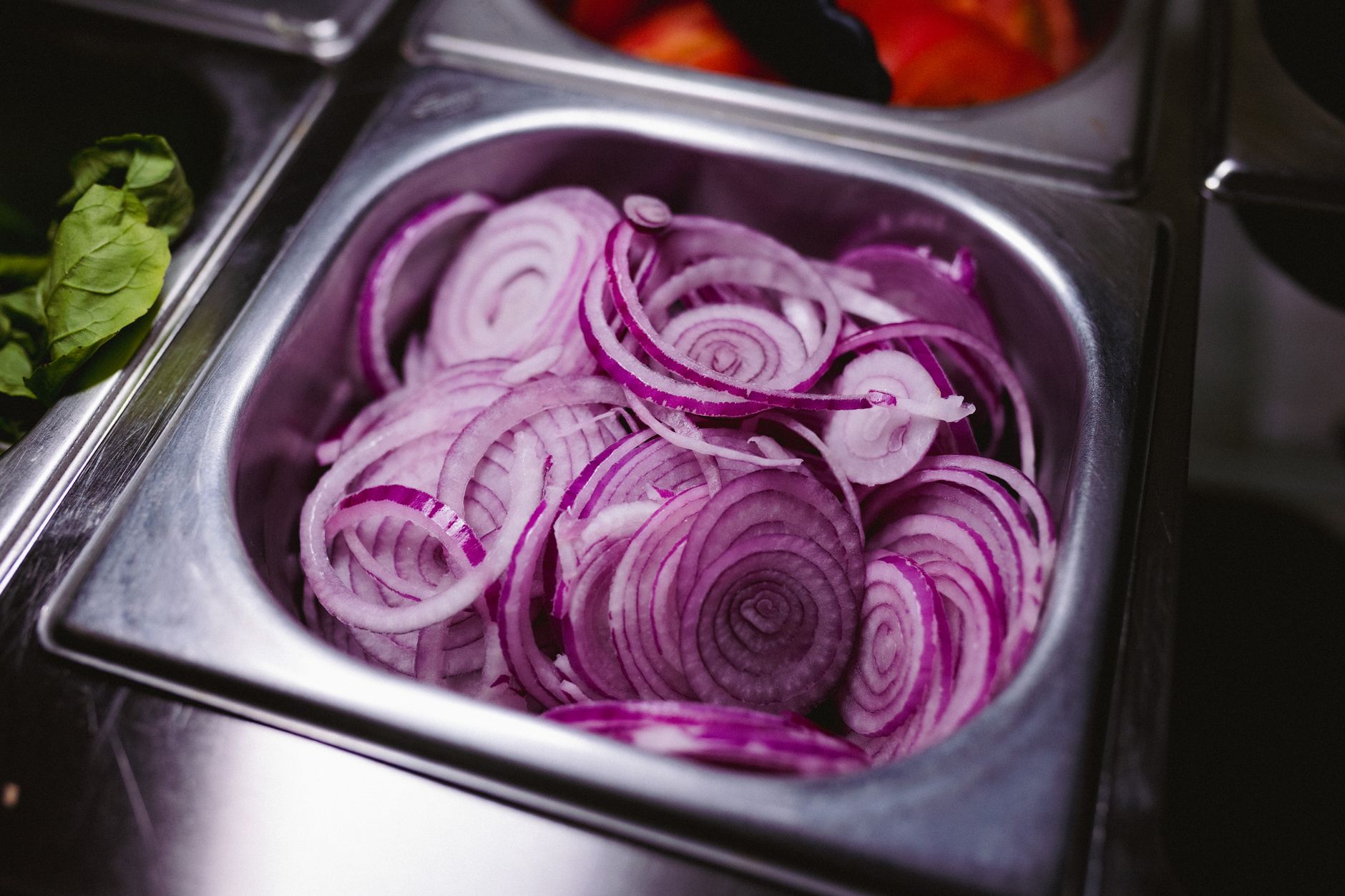
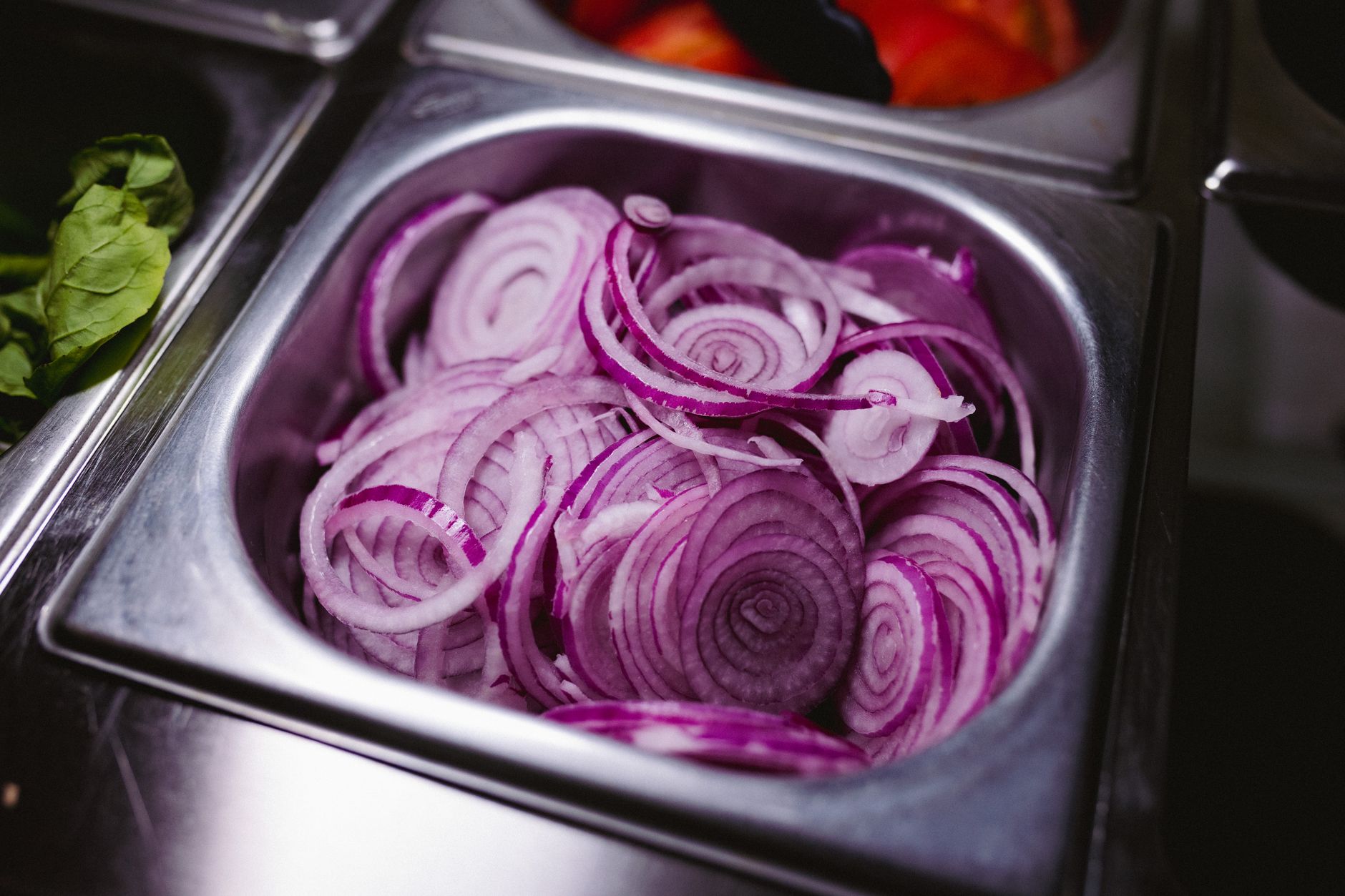
Yes, red onions are milder than yellow storage onions and work well, but they are not as sweet as Walla Walla or Vidalia. They also turn slightly purple when fried, which can be fun.
What is the best way to store sweet onions?
Sweet onions have high water content, so they spoil faster. Store them in a cool, dry place with good air circulation, not in plastic bags. Use within 1-2 months. For longer storage, chop and freeze them.
Can I grow sweet onions in containers?
Yes, you can grow onions in containers at least 10 inches deep. Plant sets 3-4 inches apart, use quality potting soil, and water regularly. Choose compact varieties like Candy or Ailsa Craig.
Why are my onion rings soggy?
Soggy rings usually come from oil that is not hot enough or batter that is too thin. Heat oil to 375°F, and make sure the batter is thick enough to coat the onion. Also, dry the onion slices thoroughly before battering.
The bottom line
For the best onion rings, grow sweet onion varieties like Walla Walla, Vidalia, or Ailsa Craig. They are mild, sweet, and fry up crispy. Plant them at the right time for your zone, give them consistent moisture, and harvest when the tops fall. Then slice, soak, batter, and fry at the right temperature for restaurant-quality rings at home.