Best onions for grilling
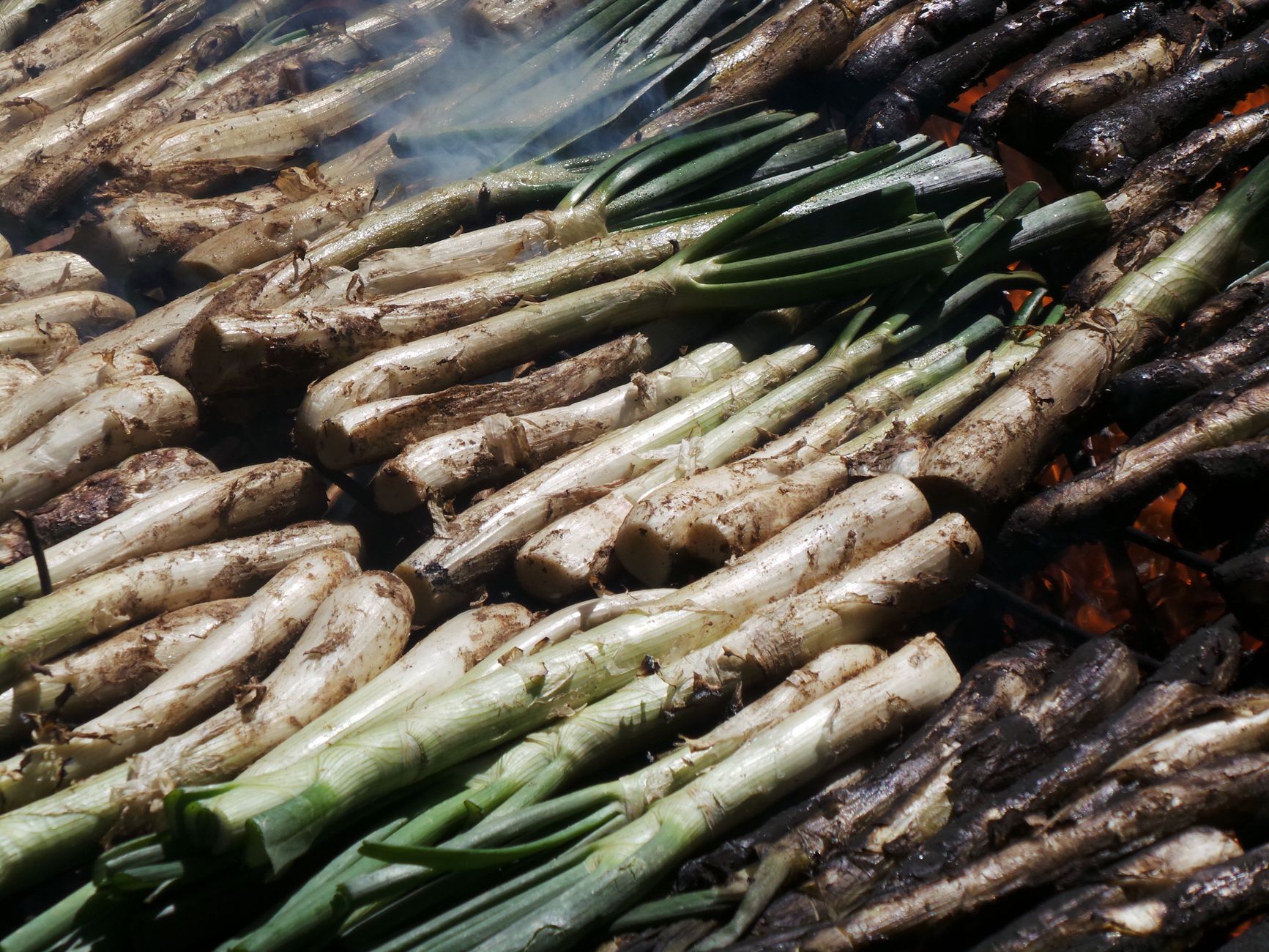
Discover the best onion varieties for grilling, with planting tips, spacing, harvest times, and how to get perfect char every time.
If you want onions that hold up on the grill, turn sweet and caramelized, and don’t turn to mush, choose varieties with high sugar content and firm flesh. The best options are sweet onions like Walla Walla, Vidalia, and Candy, plus specialty grilling onions like Cipollini and Torpedo. Plant them in early spring (zones 3-6) or late winter (zones 7-10), and you’ll have grill-ready onions by midsummer.
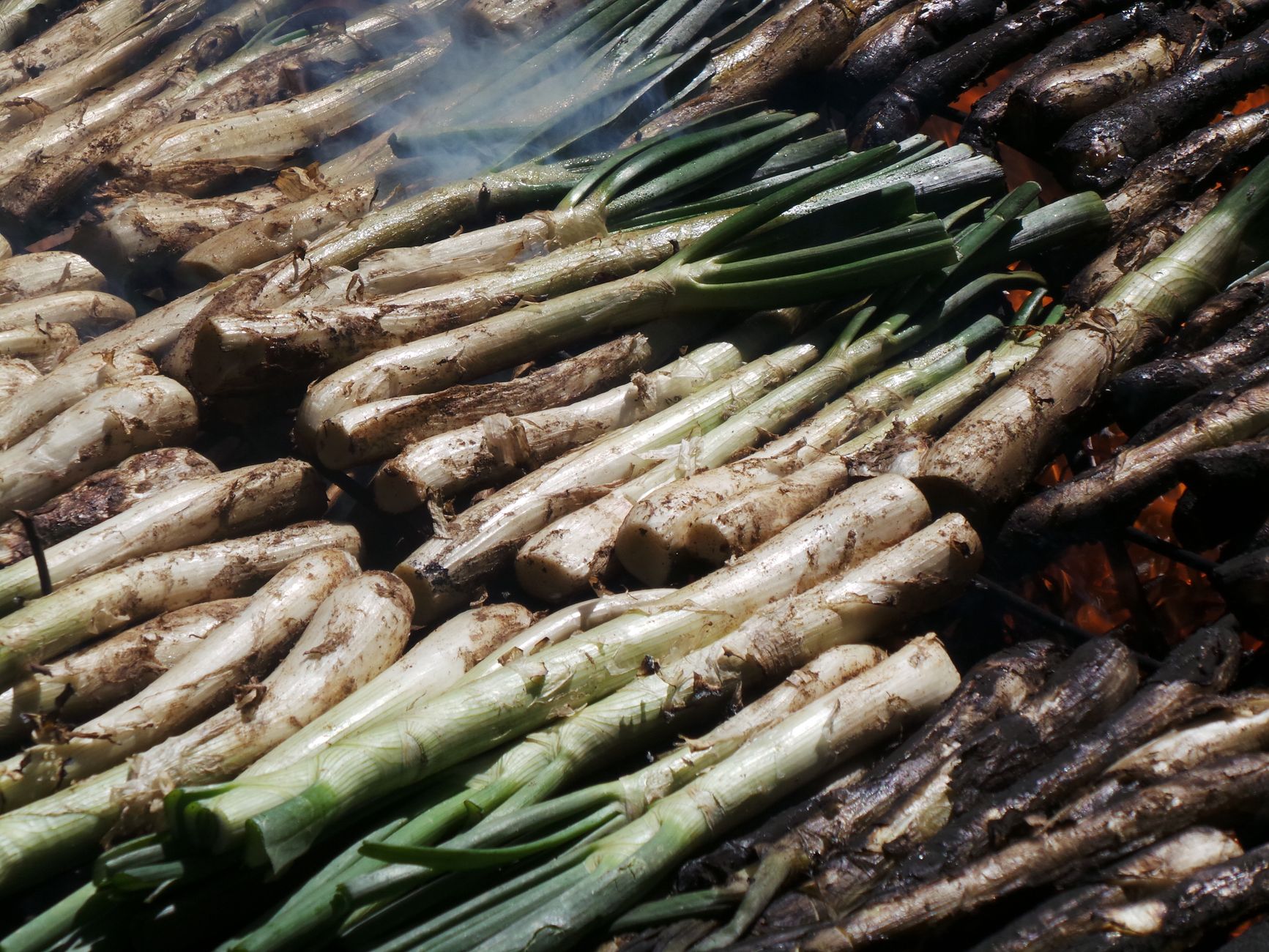
What makes an onion good for grilling?
Grilling onions need two things: high sugar content for caramelization and firm, layered flesh that holds together over high heat. Sweet onions (like Walla Walla) have lower sulfur compounds, which means less pungency and more sugar. Firm varieties like Cipollini have a dense texture that doesn’t fall apart.
Avoid storage onions (like yellow or red storage types) for grilling: they’re more pungent and can turn bitter when charre
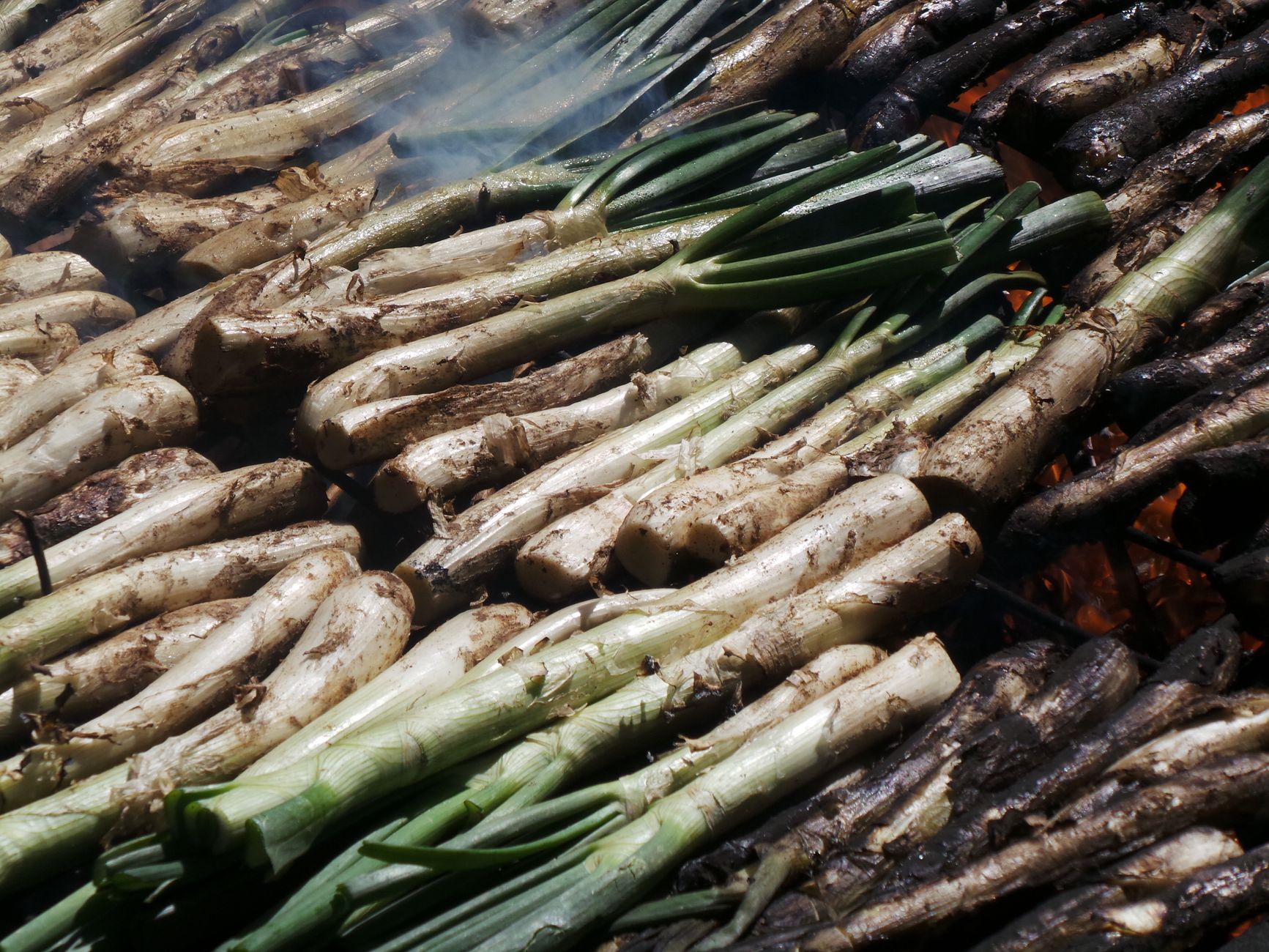 d. They also have higher water content, which can cause steaming instead of browning.
Top varieties for grilling
Here are the best varieties, with real characteristics and growing details. All are day-neutral or intermediate-day, so they work in most US zones.
| Variety | Type | Days to Maturity | Best Zones | Grilling Quality |
|---|---|---|---|---|
| Walla Walla | Sweet | 100-110 | 3-7 | Very sweet, mild, large; grills to golden brown |
| Vidalia (Granex) | Sweet | 90-100 | 5-10 | Sweet, flat shape; great for slices |
| Candy | Hybrid sweet | 95-105 | 3-8 | Large, sweet, stores a bit longer than Walla Walla |
| Cipollini | Specialty | 80-90 | 3-9 | Small, flat, dense; caramelizes beautifully whole |
| Torpedo | Italian heirloom | 90-100 | 4-9 | Elongated, mild, sweet; great for skewers |
| Red Burgermaster | Red sweet | 95-105 | 3-8 | Sweet red, good for grilling and fresh use |
For most gardeners, I recommend Walla Walla or Candy for their size and sweetness. Cipollini is a fun specialty for appetizers, but yields are lower per square foot.
How to grow grill-ready onions
Planting times by zone
Onions are cool-season crops. Start seeds indoors 8-10 weeks before last frost, or plant sets (small bulbs) directly in early spring.
- Zones 3-4: Plant sets in early April, or start seeds indoors in late February.
- Zones 5-6: Plant sets in late March to early April.
- Zones 7-8: Plant sets in February or March, or start seeds in January.
- Zones 9-10: Plant sets in late fall (November) for spring harvest, or in January for summer.
Spacing and depth
- Plant sets 1 inch deep, with the tip just below the soil surface.
- Space sets 4-6 inches apart in rows 12-18 inches apart. For larger bulbs, give 6 inches.
- For seeds, sow 1/4 inch deep, thin to 4-6 inches apart.
Soil and fertilizer
Onions need well-drained soil with a pH of 6.0-7.0. Before planting, work in 1-2 inches of compost. Fertilize with a balanced organic fertilizer (like 10-10-10) at planting, then side-dress with nitrogen (blood meal or fish emulsion) every 3 weeks until bulbs start to form.
Watering
Keep soil consistently moist, about 1 inch per week. Mulch with straw to retain moisture and suppress weeds.
Harvesting
Harvest when tops start to yellow and fall over (about 2/3 of the tops). For grilling, you can harvest earlier for smaller, sweeter bulbs. Cure in a dry, shaded spot for 1-2 weeks if you want to store them, but for grilling, use fresh within a week.
Grilling techniques for perfect onions
Slices vs. halves vs. whole
- Slices: Cut into 1/2-inch thick rings. Brush with oil, season with salt and pepper. Grill 4-5 minutes per side over medium-high heat (400-450°F).
- Halves: Cut in half through the root, leaving the root intact to hold layers together. Brush with oil. Grill cut-side down for 5-6 minutes, then flip and grill 5-6 minutes more.
- Whole (Cipollini): Toss with oil and salt, grill in a grill basket or on skewers, turning frequently, for 10-15 minutes until charred and tender.
Tools and tips
- Use a grill basket for small pieces to avoid falling through grates.
- Soak wooden skewers for 30 minutes before using.
- For extra flavor, brush with a balsamic glaze or herb butter in the last 2 minutes.
- Don’t move the onions too early; let them develop a good sear.
Storage and preservation
If you grow more than you can grill, here’s what to do:
- Freeze: Grill slices, cool, and freeze in single layers on a baking sheet, then transfer to bags. Use within 6 months.
- Pickle: Quick-pickle grilled onions in vinegar, sugar, and salt for a condiment that lasts 2 weeks in the fridge.
- Dehydrate: Dry grilled onions in a dehydrator at 135°F for 6-8 hours, then store in an airtight jar.
Cost and yield expectations
- Onion sets: $8-$12 per pound (about 50-75 sets). A 10-foot row with 6-inch spacing yields 20-30 bulbs.
- Seeds: $3-$5 per packet (about 250 seeds).
- Fresh sweet onions at market: $2-$3 per pound, but homegrown taste better and cost less.
FAQ
Can I use regular yellow onions for grilling? Yes, but they’ll be more pungent and may turn bitter. If you must, choose a mild yellow like ‘Ailsa Craig’ and slice thick.
How do I keep grilled onions from falling apart? Leave the root end intact when cutting halves or wedges. For slices, use a sharp knife and cut thick (1/2 inch).
What’s the best way to caramelize onions on the grill? Use a cast-iron skillet or grill pan. Cook over medium heat with a little oil, stirring occasionally, for 20-30 minutes until deep brown.
Can I grow sweet onions in zone 4? Yes, Walla Walla and Candy are day-neutral and work in zone 4. Start seeds indoors early and transplant after last frost.
The bottom line
For the best grilled onions, grow sweet varieties like Walla Walla, Candy, or Cipollini. Plant them in early spring, give them consistent moisture, and harvest when the tops fall over. Grill them thick, don’t move them too soon, and enjoy the caramelized sweetness that only homegrown onions can deliver. Start with a small row this year, and you’ll never go back to store-bought.