Best onions for french onion soup
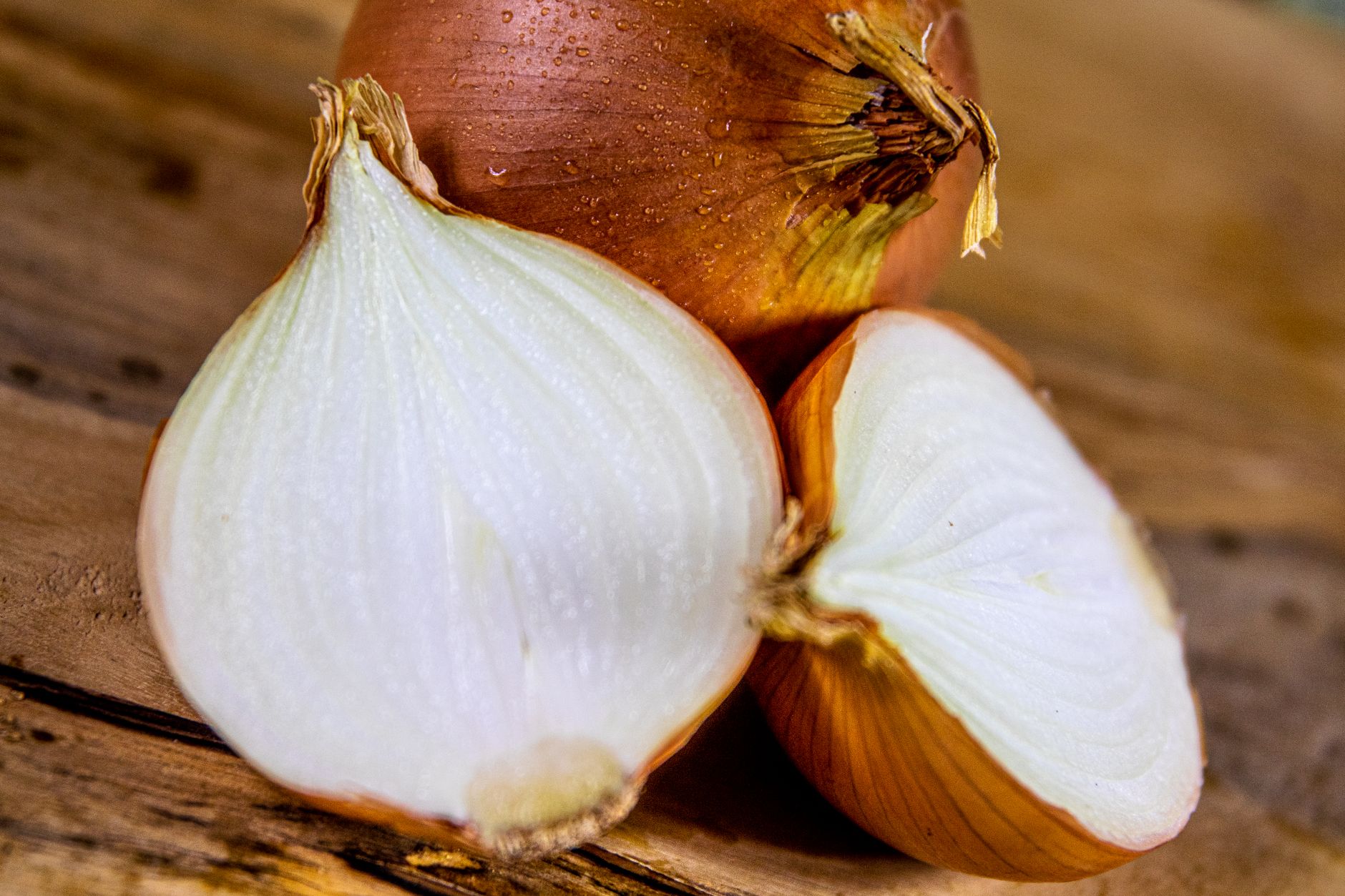
Discover the best onion varieties for French onion soup, with planting tips, storage advice, and realistic yields for home gardeners.
If you want French onion soup with deep, sweet, caramelized flavor, choose the right onion. The best onions are sweet, high in sugar, and low in pungency, like ‘Walla Walla’, ‘Vidalia’, or ‘Ailsa Craig’. Plant them in early spring (zones 5-8) or fall (zones 9-10), and harvest in late summer. This guide covers the top varieties, how to grow them, and how to store them for soup all winter.
Why onion variety matters for French onion soup
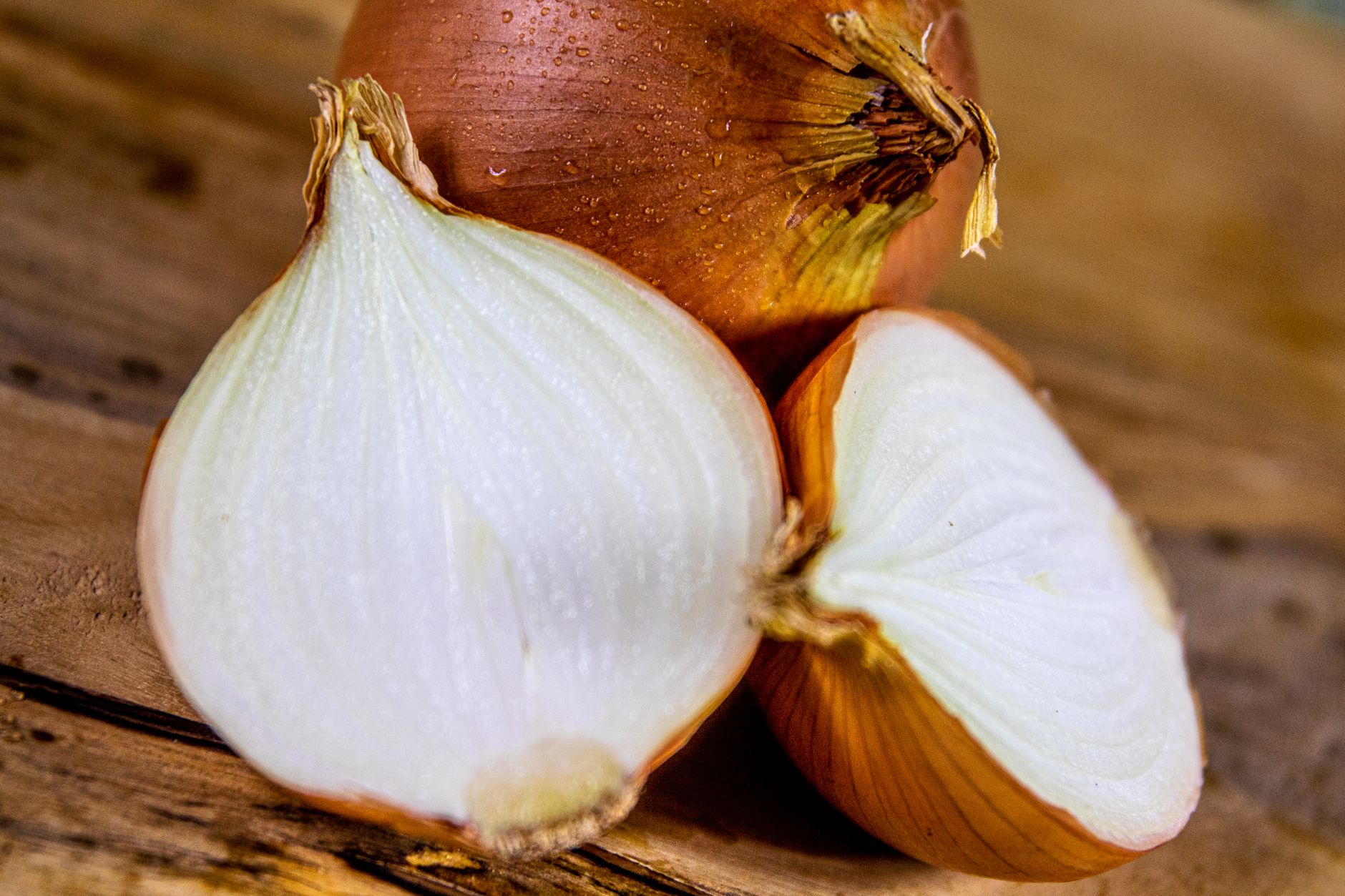
French onion soup relies on slow caramelization, which breaks down sugars and brings out sweetness. Sweet onions have higher water and sugar content, so they caramelize faster and deeper. Pungent storage onions (like ‘Yellow Globe’) are sharper and can turn bitter when cooked
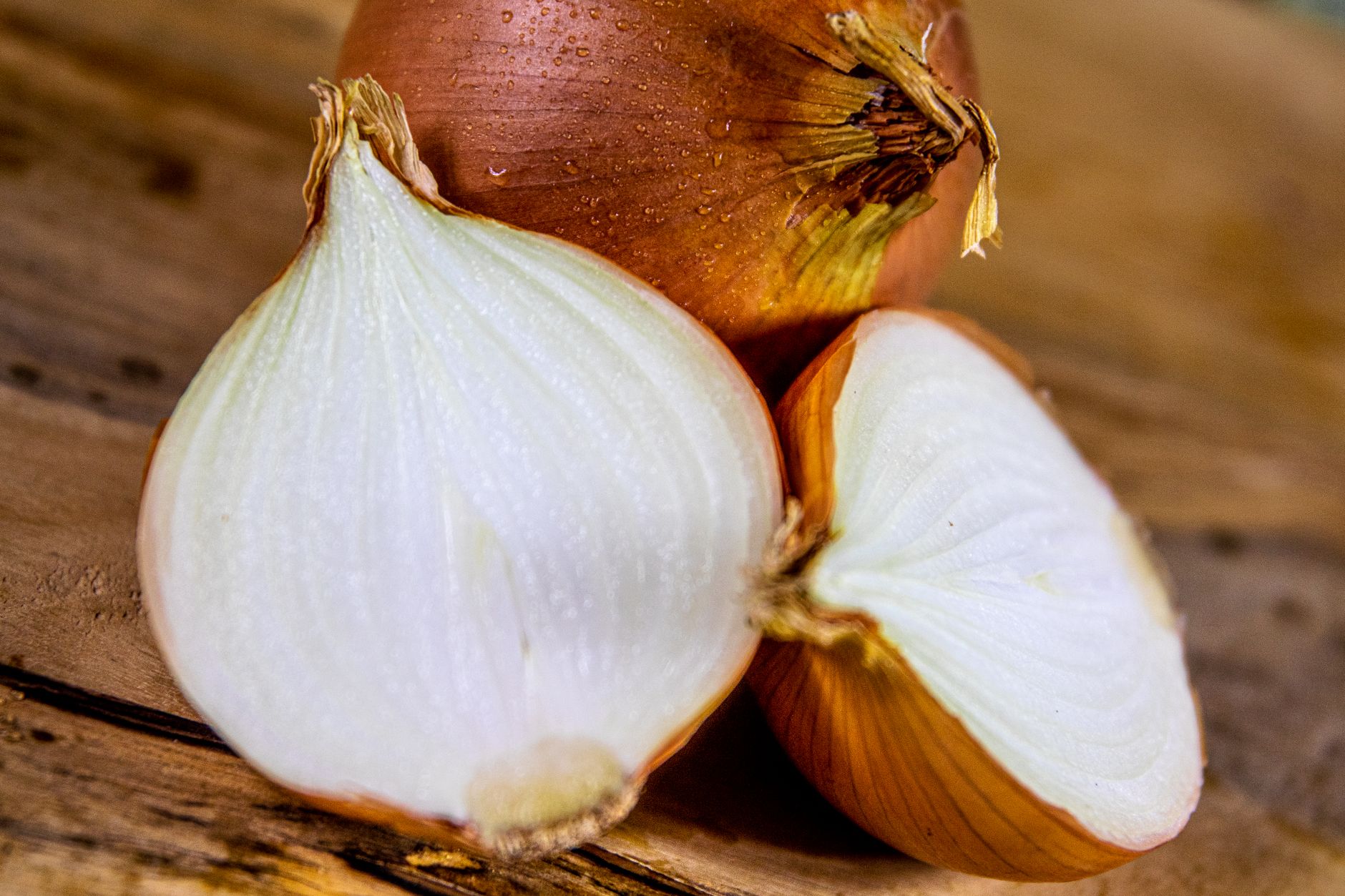 long. For the best soup, use sweet onions, but you can also mix in a few storage types for complexity.
Top onion varieties for French onion soup
Here are the best varieties, grouped by type. All are reliable for home gardeners in most US zones.
Sweet onions (best for caramelizing)
- ‘Walla Walla’: Large, mild, and very sweet. Grows well in the Pacific Northwest and other cool regions. Stores 1-2 months. Days to maturity: 100-120.
- ‘Vidalia’ (e.g., ‘Yellow Granex’): Classic sweet onion from Georgia, but can be grown elsewhere. Short-day type, best for southern zones (8-10). Stores poorly (1-2 months). Days: 90-110.
- ‘Ailsa Craig’: Huge, sweet onions from Scotland. Great for northern gardens (zones 3-7). Stores 2-3 months. Days: 110-130.
- ‘Candy’: A hybrid sweet onion, reliable in many zones. Stores 2-3 months. Days: 100-115.
Intermediate-day onions (good balance)
- ‘Super Star’: Large, sweet, and early. Grows in zones 5-8. Stores 1-2 months. Days: 85-100.
- ‘Red Wing’: Red onion with mild sweetness. Stores 3-4 months. Days: 110-120.
Storage onions (for depth, use sparingly)
- ‘Yellow Sweet Spanish’: Classic storage onion, but sweeter than most. Stores 4-6 months. Days: 110-125.
- ‘Copra’: Excellent storage, but pungent. Use 1/4 in soup for depth. Stores 8-10 months. Days: 105-115.
Variety comparison table
| Variety | Type | Sweetness | Storage | Days to Maturity | Best Zones |
|---|---|---|---|---|---|
| Walla Walla | Long-day | High | 1-2 months | 100-120 | 3-7 |
| Vidalia (Yellow Granex) | Short-day | High | 1-2 months | 90-110 | 8-10 |
| Ailsa Craig | Long-day | High | 2-3 months | 110-130 | 3-7 |
| Candy | Intermediate | High | 2-3 months | 100-115 | 5-8 |
| Super Star | Intermediate | Medium-High | 1-2 months | 85-100 | 5-8 |
| Red Wing | Intermediate | Medium | 3-4 months | 110-120 | 5-8 |
| Yellow Sweet Spanish | Long-day | Medium | 4-6 months | 110-125 | 3-7 |
| Copra | Long-day | Low | 8-10 months | 105-115 | 3-7 |
How to grow onions for soup
Planting by zone
Onions are day-length sensitive. Choose the right type for your latitude:
- Zones 3-5: Long-day onions (e.g., ‘Walla Walla’, ‘Ailsa Craig’). Plant sets or transplants in early spring, as soon as soil can be worked (March-April).
- Zones 6-7: Intermediate-day onions (e.g., ‘Candy’, ‘Super Star’). Plant in early spring (March-April).
- Zones 8-10: Short-day onions (e.g., ‘Vidalia’). Plant in fall (October-November) for spring harvest.
Soil and spacing
Onions need loose, well-drained soil with pH 6.0-7.0. Work in compost before planting. Space sets or transplants 4-6 inches apart in rows 12-18 inches apart. Plant sets 1 inch deep, transplants at the same depth they were in the pot.
Watering and fertilizing
Keep soil consistently moist, about 1 inch of water per week. Fertilize with a balanced fertilizer (10-10-10) at planting, then side-dress with nitrogen (blood meal or fish emulsion) every 3 weeks until bulbs start to form. Stop fertilizing when the tops begin to yellow.
Harvesting and curing
Harvest when tops fall over and start to brown, usually 90-130 days after planting. Pull onions on a dry day, leave them in the field for a day to dry, then cure in a warm, airy place (80-90°F) for 2-3 weeks. Cut tops to 1 inch and roots, then store in a cool, dry place (40-50°F) in mesh bags or braids.
Storing onions for soup
Sweet onions don’t store as long as storage types. Use them within 1-3 months. For longer storage, grow a mix: sweet for immediate use, storage for winter. Store in a single layer in a cool, dark, well-ventilated area. Check regularly and remove any that sprout or rot.
Making the soup: a quick tip
For the best flavor, slice onions thinly and caramelize slowly in butter or oil over low heat for 30-45 minutes until deep golden brown. Use a heavy pot (like a Dutch oven) to avoid burning. Add a splash of white wine or sherry, then beef broth, and simmer. Top with toasted baguette and Gruyère cheese.
FAQ
Can I use red onions for French onion soup? Yes, but they are less sweet and can turn a muddy color. Use a mild red like ‘Red Wing’ and mix with sweet onions for best results.
What if I only have storage onions? You can still make good soup, but add a pinch of sugar to help caramelization. Use a mix of storage and sweet if possible.
When is the best time to plant onions for soup? In zones 3-7, plant in early spring. In zones 8-10, plant in fall. This ensures a summer harvest for soup season.
How many onions do I need for a batch of soup? For 4 servings, use about 4-5 medium onions (about 2 pounds). A 10-foot row yields about 10-15 pounds of onions, enough for several batches.
The bottom line
For the best French onion soup, grow sweet onions like ‘Walla Walla’, ‘Vidalia’, or ‘Ailsa Craig’. They caramelize beautifully and give that rich, sweet flavor. Plant according to your zone, give them space and water, and store properly. With a little planning, you’ll have homegrown onions for soup all winter.