Best onions for caramelizing
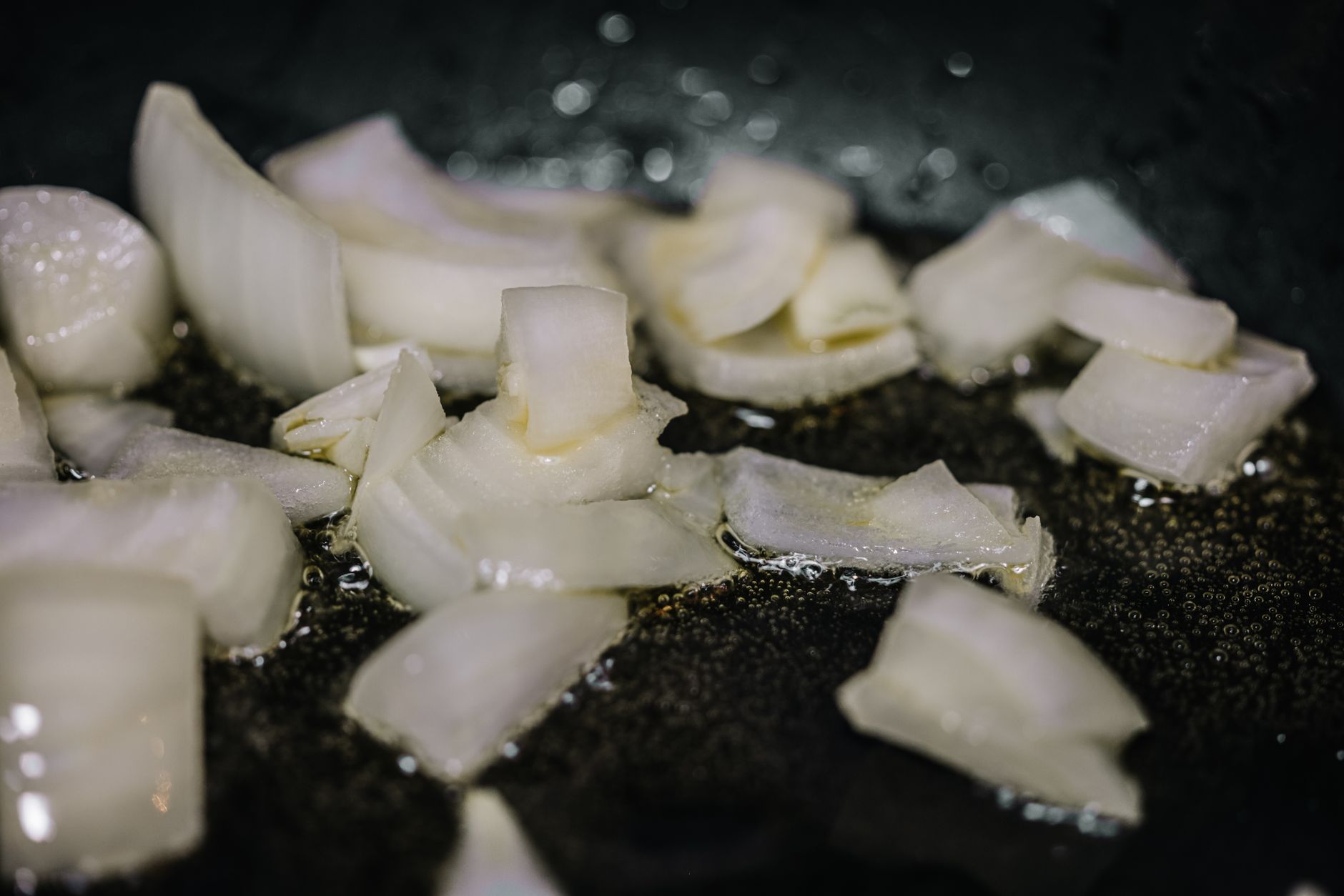
Discover the best onion varieties for caramelizing, with planting tips, yields, and cost data for gardeners and homesteaders.
If you want deep, sweet, jammy caramelized onions, start with the right variety. High sugar content and low water content are key: sugar caramelizes, water steams. The best choices are sweet onions like Walla Walla, Vidalia, or Candy, but you can also use standard yellow onions for a more savory result. Here’s what works, how to grow them, and what to expect in cost and yield.
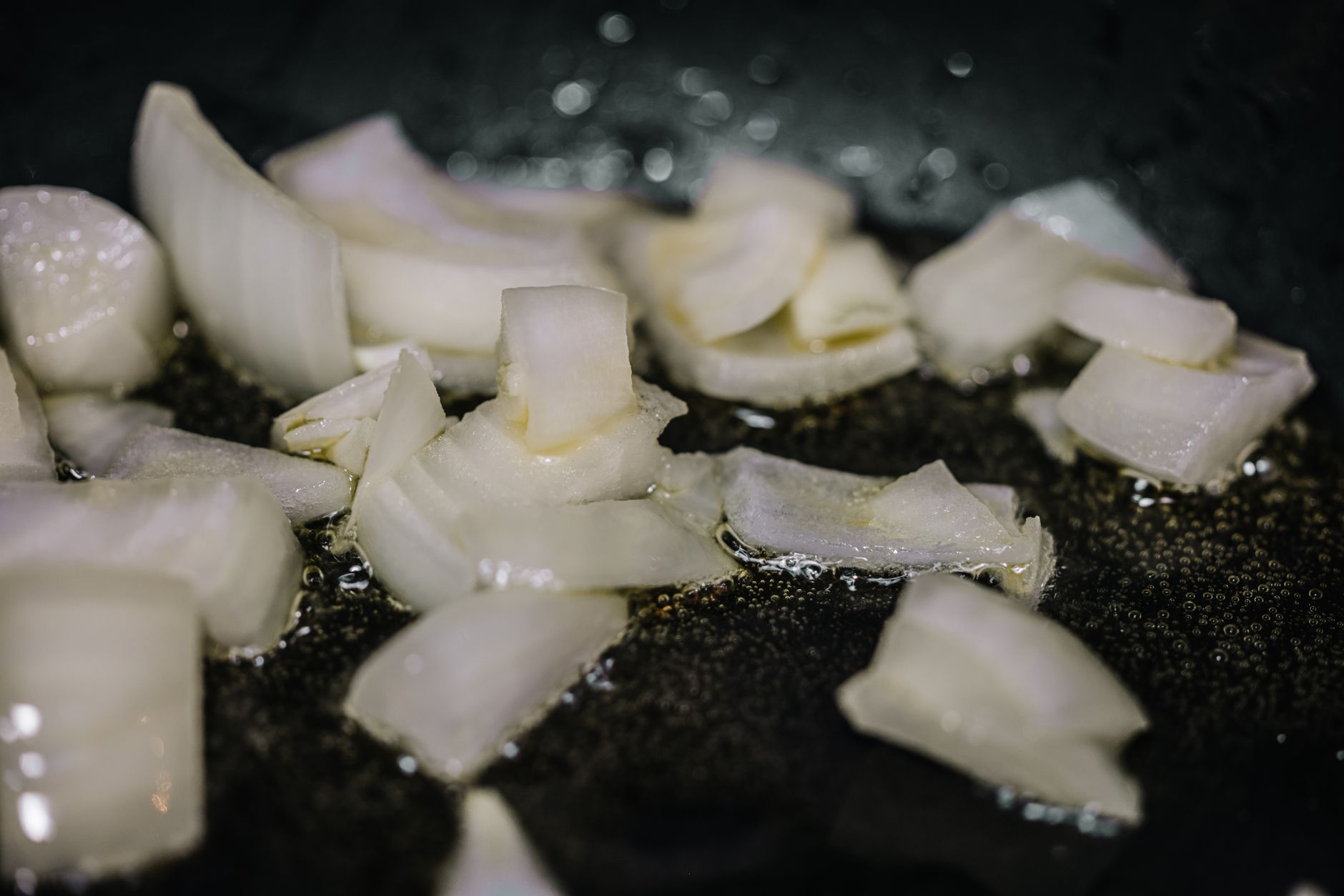
Why variety matters
Caramelization is the browning of sugars, so onions with more sugar and less water brown faster and sweeter. Sweet onions, such as Walla Walla or Vidalia, contain up to 12% sugar, while storage onions like Yellow Globe have about 6%. Sweet onions also have higher water content, which means longer cooking time, but t
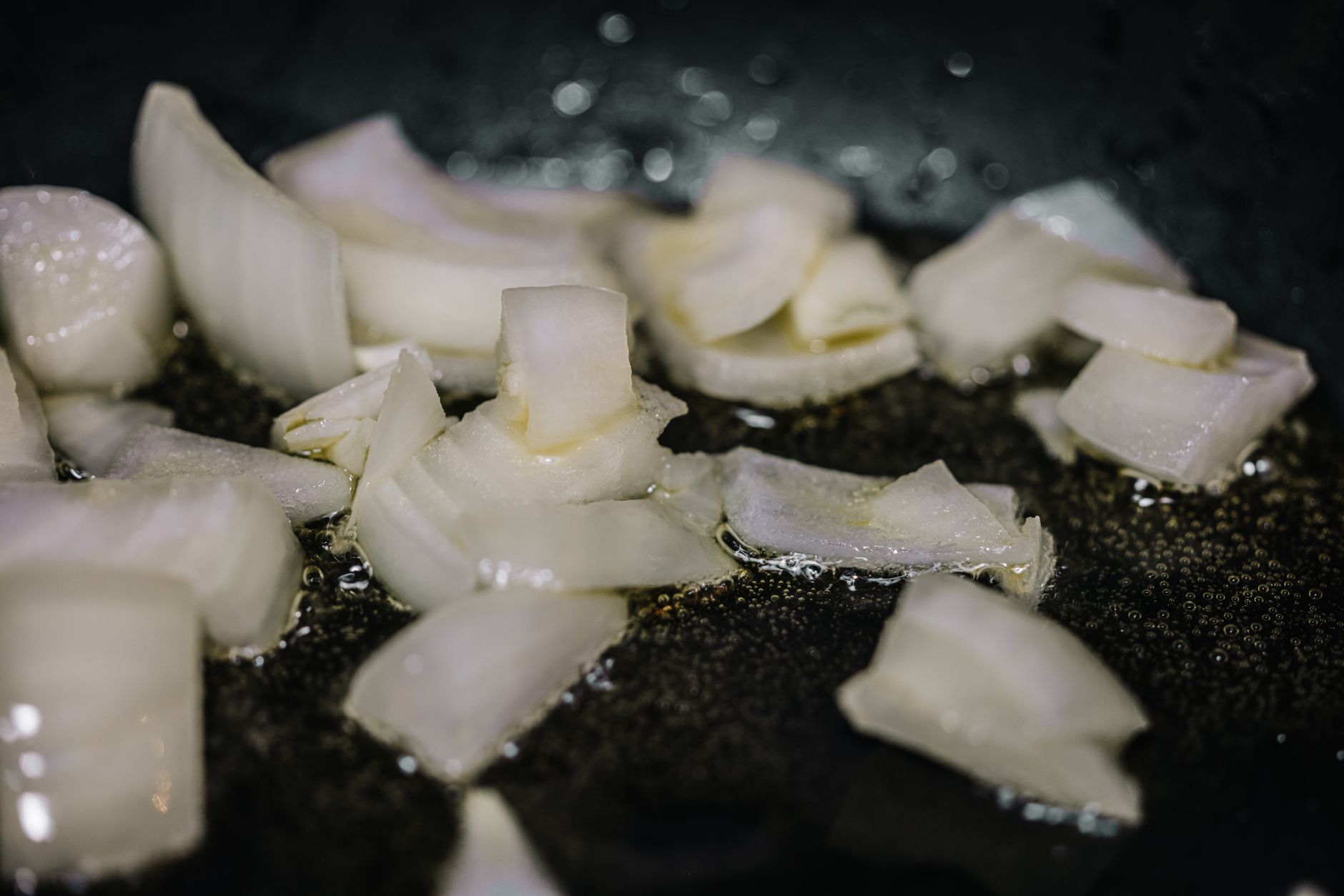 he result is worth it. For a balance of sweetness and structure, try ‘Candy’ or ‘Super Star’.
Top varieties for caramelizing
Here are the best onions for caramelizing, with notes on flavor and growing:
| Variety | Type | Sugar Content | Best For | Days to Maturity |
|---|---|---|---|---|
| Walla Walla | Sweet | High | Classic sweet caramelized onions | 125-135 |
| Vidalia (e.g., ‘Granex’) | Sweet | High | Mild, sweet, great for slow cooking | 100-120 |
| Candy | Hybrid sweet | High | Early harvest, good storage | 110-120 |
| Super Star | Hybrid sweet | High | Large, sweet, excellent for caramelizing | 100-110 |
| Yellow Globe | Storage | Medium | Savory, robust caramelized flavor | 100-110 |
| Red Burgermaster | Sweet red | Medium | Colorful, sweet, mild | 110-120 |
For most gardeners, ‘Candy’ is a reliable choice: it’s sweet, stores well, and grows in many zones. If you want a true Vidalia, grow ‘Granex’ in the Southeast or similar mild climates. In cooler areas, Walla Walla thrives.
Growing tips for maximum sweetness
Sweet onions need a long, cool growing season. Plant sets or seeds in early spring as soon as the soil can be worked. In USDA zones 6 and warmer, you can also plant in fall for a spring harvest.
- Spacing: Plant sets 4-6 inches apart, rows 12-18 inches apart. Closer spacing yields smaller bulbs, but for caramelizing, size doesn’t matter much.
- Soil: Rich, well-drained soil with a pH of 6.0-6.8. Add compost before planting. Onions are heavy feeders; side-dress with nitrogen every 3-4 weeks.
- Water: Keep soil consistently moist, about 1 inch per week. Stress from drought can make onions pungent.
- Harvest: When tops fall over, stop watering and let bulbs cure for 2-3 weeks in a dry, shaded spot. Sweet onions don’t store as long as storage types, so use them within 2-3 months.
Cost and yield expectations
Growing your own onions is cost-effective. A packet of seeds costs $3-$5 and yields hundreds of seedlings, but you need to start them indoors 8-10 weeks before last frost. Onion sets (small bulbs) cost $8-$12 per pound, enough for about 50-60 plants. Expect a yield of 10-15 pounds per 10-foot row. At grocery prices of $1.50-$2.50 per pound for sweet onions, you’ll save money if you have space.
Caramelizing techniques
Even the best onion won’t caramelize if you rush it. Here’s the method that works:
- Slice onions thinly (1/8 inch) for even cooking.
- Heat a heavy pan (cast iron or stainless) over medium heat. Add butter or oil: about 1 tablespoon per large onion.
- Add onions and a pinch of salt. Salt draws out moisture, which helps break down the onions.
- Cook slowly, stirring every 5-10 minutes, for 30-45 minutes. If they stick, add a splash of water or broth.
- For deeper flavor, add a teaspoon of balsamic vinegar or a pinch of sugar at the end.
A 5-pound bag of sweet onions will caramelize down to about 1.5 cups, enough for a French onion soup or a batch of onion jam. Plan for 1 large onion per person for a side dish.
Storage and preservation
Caramelized onions freeze beautifully. Make a big batch, cool, and freeze in ice cube trays or freezer bags. They’ll keep for 3 months. You can also can them in a water bath with vinegar for a shelf-stable condiment, but that’s more work. For fresh storage, keep sweet onions in a cool, dry place, but use them within a few weeks.
FAQ
Can I use red onions for caramelizing? Yes, red onions work, especially sweet varieties like ‘Red Burgermaster’. They caramelize to a deep purple-brown and have a milder flavor. They’re great for color in dishes.
Do I need to grow sweet onions, or can I use regular yellow onions? Regular yellow onions work, but they’ll be more savory and less sweet. If you’re making French onion soup, a mix of sweet and yellow gives depth. For a sweeter result, stick with sweet varieties.
How long does it take to caramelize onions? Expect 30-45 minutes over medium heat. You can speed it up by adding a pinch of baking soda (which raises pH and speeds browning), but it can make onions mushy. Better to be patient.
What if I don’t have space to grow onions? You can buy sweet onions at the store. Look for Walla Walla or Vidalia in season. They cost more, but you can caramelize a big batch and freeze for later.
The bottom line
For the best caramelized onions, grow ‘Candy’ or ‘Walla Walla’ if you have a cool climate, or ‘Granex’ in the South. They’re sweet, high-yielding, and worth the space. If you’re in a pinch, any sweet onion from the market will do. The key is slow cooking and patience. Start your onion patch this spring, and you’ll be rewarded with rich, golden onions that elevate any dish.