Best of leeks
Discover the best leek varieties for your garden, with planting dates, spacing, and harvest tips for 2026. Real advice for real yields.
If you want a reliable, cold-hardy allium that stores in the ground all winter, leeks are your answer. The best leeks for your garden depend on your zone and when you want to harvest, but a few varieties stand out for flavor, size, and disease resistance. In this guide, I’ll walk you through the top picks, planting schedules, and the simple tricks that make leek growing foolproof.
Why Leeks Deserve a Spot in Your Garden
Leeks are easier than onions: they don’t form bulbs, so they tolerate a wider range of day lengths and temperatures. They also resist pests like onion maggots better than their cousins. A row of leeks gives you fresh allium flavor from late summer through early spring, even in sn
 ow. Plus, they store in place, so you don’t need a root cellar.
The Best Leek Varieties for 2026
I’ve grown dozens of varieties over the years. These are the ones that consistently perform, taste great, and are available from major seed companies.
For Early Harvest (Summer)
- King Richard: Fast maturing (75 days), long white shafts, mild flavor. Best for zones 3-9. Sow indoors in late winter, transplant in early spring. Harvest from mid-summer.
- Jolant: A hybrid with excellent uniformity, good for early fall. Resistant to rust. Zones 3-9.
For Main Crop (Fall and Winter)
- American Flag: A classic heirloom, thick stems, robust flavor. Takes 130 days, so start early. Zones 3-9.
- Lancelot: Hybrid, very winter hardy, great for fall harvest. Stores well. Zones 3-9.
- Bandit: Extremely cold hardy, can survive zone 2 winters with mulch. Slow growing (150 days), but worth it for spring harvest.
For Overwintering (Spring Harvest)
- Blue Solaise: French heirloom, blue-green leaves, sweet after frost. Hardy to zone 4. Sow in midsummer for harvest next spring.
- Giant Musselburgh: Scottish heirloom, thick, tender, very hardy. Zones 3-9.
Table: Variety Comparison
| Variety | Days to Maturity | Hardiness | Best Use |
|---|---|---|---|
| King Richard | 75 | Zones 3-9 | Early summer |
| American Flag | 130 | Zones 3-9 | Fall/winter |
| Bandit | 150 | Zones 2-9 | Overwinter |
| Blue Solaise | 120 | Zones 4-9 | Spring harvest |
When and How to Plant Leeks
Leeks are slow from seed, so start indoors 8-10 weeks before your last frost. For a summer harvest, sow in late February or early March for zones 5-7. For fall and winter, sow in March or April. For overwintering, sow in June or July.
Planting Steps:
- Fill seed trays with a light potting mix. Sow seeds 1/4 inch deep, 1 inch apart.
- Keep soil moist and warm (65-70°F). Seedlings emerge in 7-14 days.
- When seedlings are pencil-thick (about 6-8 weeks), harden off for a week.
- Transplant outdoors when soil is workable, spacing 6 inches apart in rows 12-18 inches apart. Dig a 6-inch deep trench or use a dibber to make holes 6 inches deep. Drop a seedling in, water in, and let soil settle naturally. Do not fill the hole; it will fill as the leek grows.
Direct sowing: In zones 6 and warmer, you can direct sow in early spring for fall harvest. Sow seeds 1/2 inch deep, thin to 6 inches apart.
Growing Tips for Thick, White Shafts
Leeks need two things: consistent moisture and blanching. Blanching means keeping the shaft out of light to keep it white and tender.
- Hilling: As leeks grow, mound soil around the stems every few weeks. Start when plants are 6 inches tall, and hill up to the leaf junction. This is the simplest method.
- Trench method: If you planted in a trench, gradually fill it with soil as they grow.
- Mulch: A thick layer of straw or grass clippings keeps soil moist and suppresses weeds. Leeks have shallow roots, so don’t cultivate deeply.
Fertilizing: Feed with a balanced organic fertilizer (like 10-10-10) at transplant and again a month later. Leeks are light feeders, so don’t overdo nitrogen, or you’ll get lush tops and thin shafts.
Watering: Give 1 inch of water per week. Mulch helps retain moisture.
Harvesting and Storing
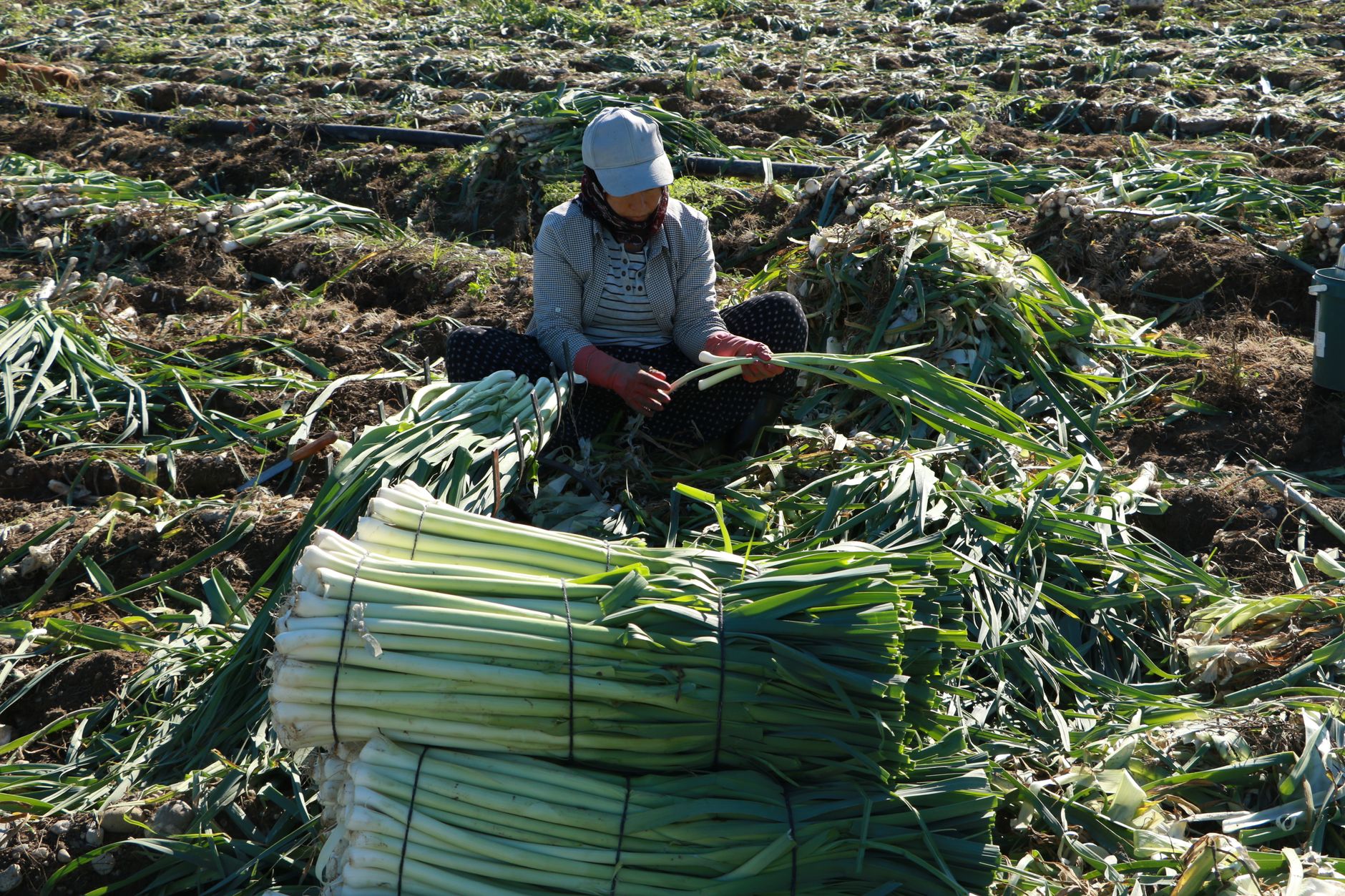
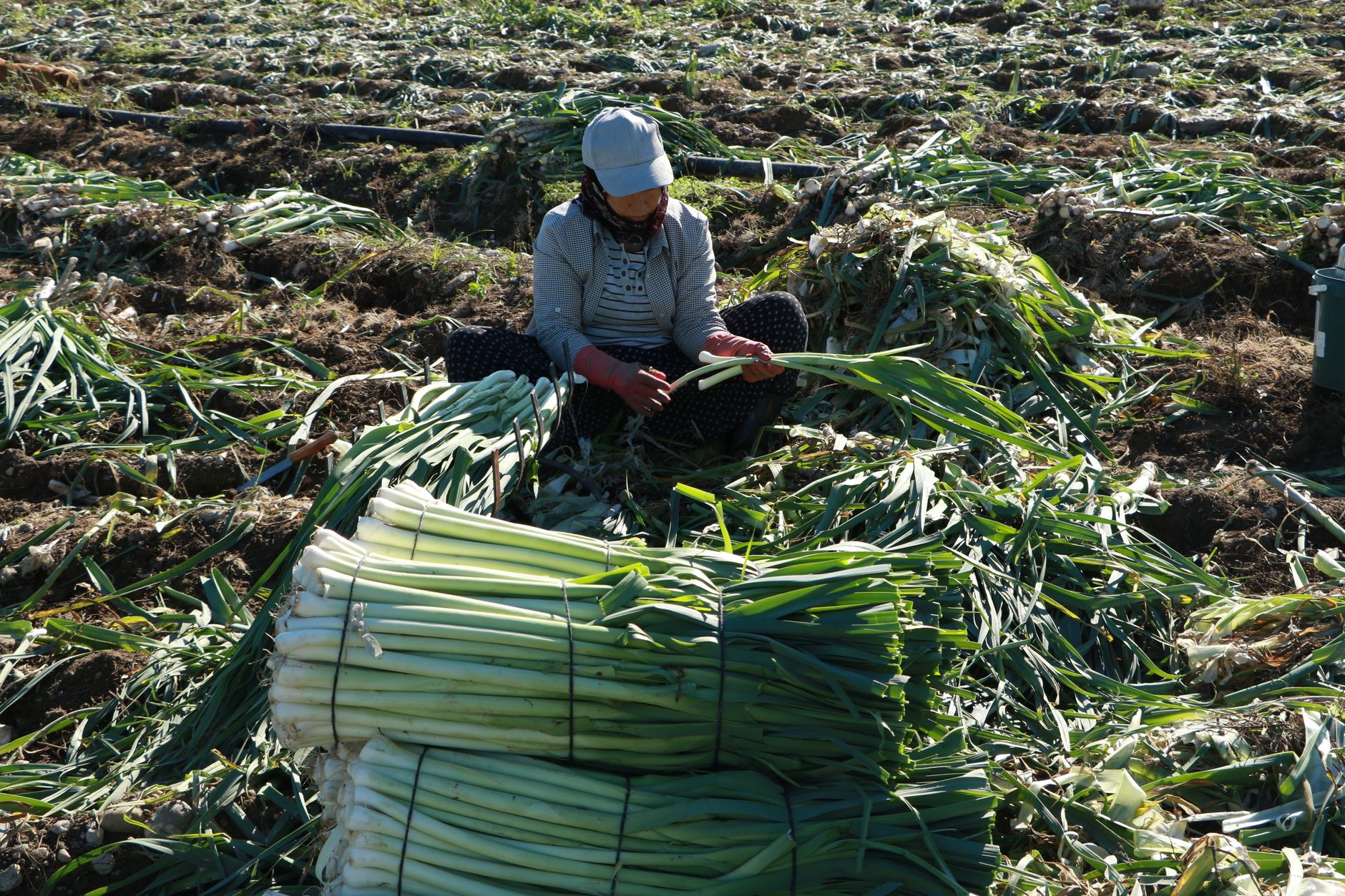
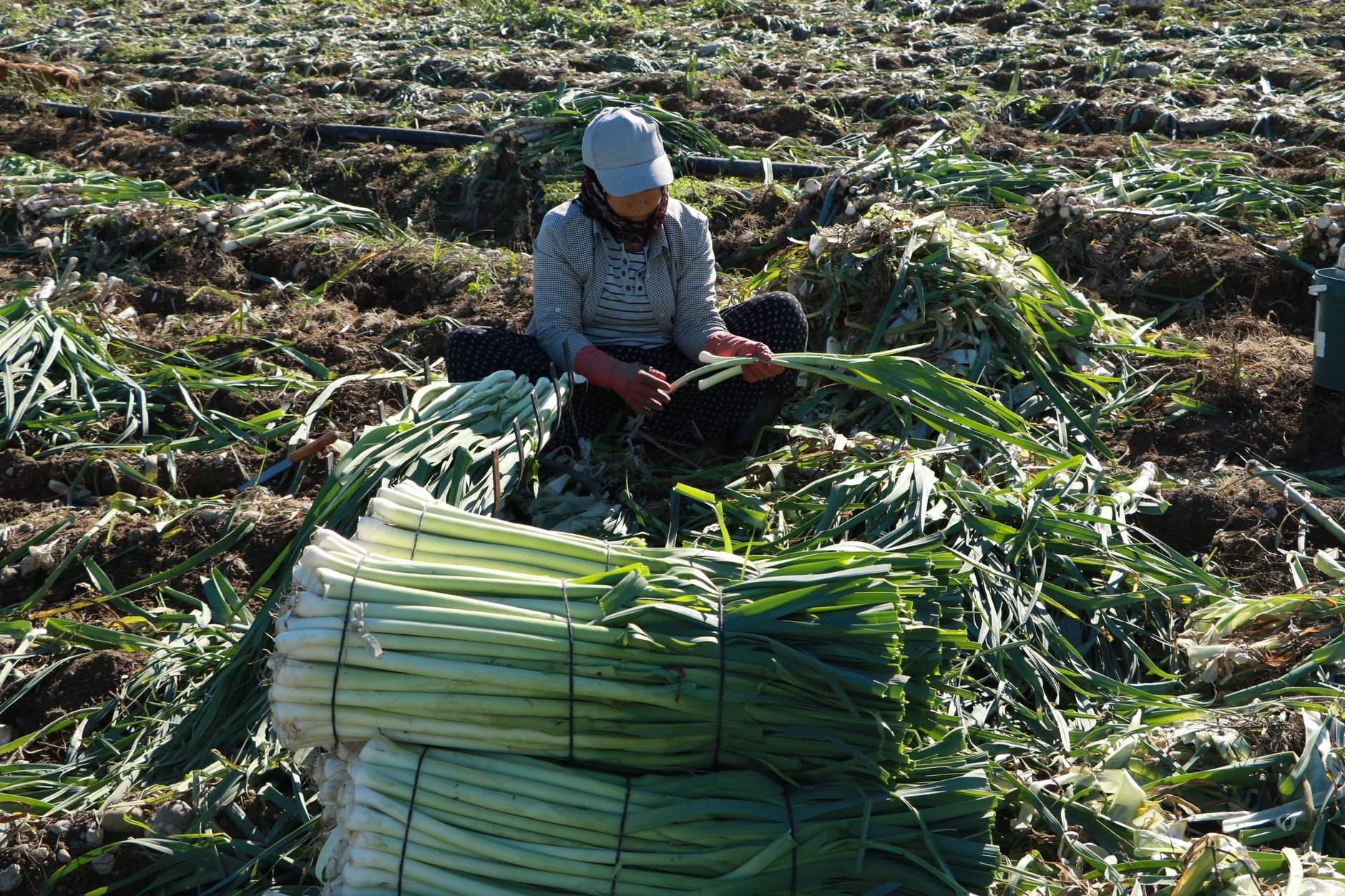
You can harvest leeks as soon as they reach 1 inch in diameter, but they get sweeter after a frost. Use a garden fork to loosen the soil, then pull gently. Trim roots and dark green tops, leaving 2 inches of green.
Storage: Fresh leeks keep in the fridge for 2 weeks. For longer storage, leave them in the ground and dig as needed, even in winter if the ground isn’t frozen solid. In cold zones, mulch heavily with straw to extend the harvest. You can also store in a root cellar in damp sand at 32-40°F for up to 3 months.
Common Problems and Solutions
- Rust: Orange pustules on leaves. Choose resistant varieties like Jolant, and avoid overhead watering.
- Onion thrips: Tiny insects that cause silvery streaks. Use row covers early, and spray with insecticidal soap if needed.
- Bolting: If leeks flower early, it’s usually due to cold snaps or stress. Plant at the right time for your zone, and keep moisture consistent.
Cost and Yield
A packet of leek seeds (about 100 seeds) costs $3-$5. You’ll get 80-90 usable plants if you sow carefully. At market, leeks sell for $2-$3 per pound. A 10-foot row yields 15-20 pounds, so you’re saving $30-$60 per row. For a family, 20 plants is plenty.
FAQ
Q: Can I grow leeks in containers? A: Yes, but use a deep pot (at least 12 inches) and plant 3-4 per 5-gallon bucket. Keep them well-watered and hill with soil or mulch.
Q: What’s the best way to clean leeks? A: Slice lengthwise, then rinse under running water, fanning the layers. They trap soil, so be thorough.
Q: Can I eat the green tops? A: Yes, they’re tough but flavorful. Use them for stock or chop finely for soups. They don’t store as well as the white part.
Q: How do I know when to harvest overwintered leeks? A: In early spring, when the ground thaws and new growth appears, dig them. They’ll be sweeter after winter cold.
The Bottom Line
For the best leeks, choose varieties suited to your harvest time: King Richard for early, American Flag for fall, and Bandit for overwintering. Start seeds indoors, transplant into holes, and hill them for white shafts. With minimal fuss, you’ll have a steady supply of this gourmet allium for months. Buy seeds from reputable sources like Johnny’s Selected Seeds or Burpee, and you’ll be set for a successful 2026 season.