Best leeks to grow
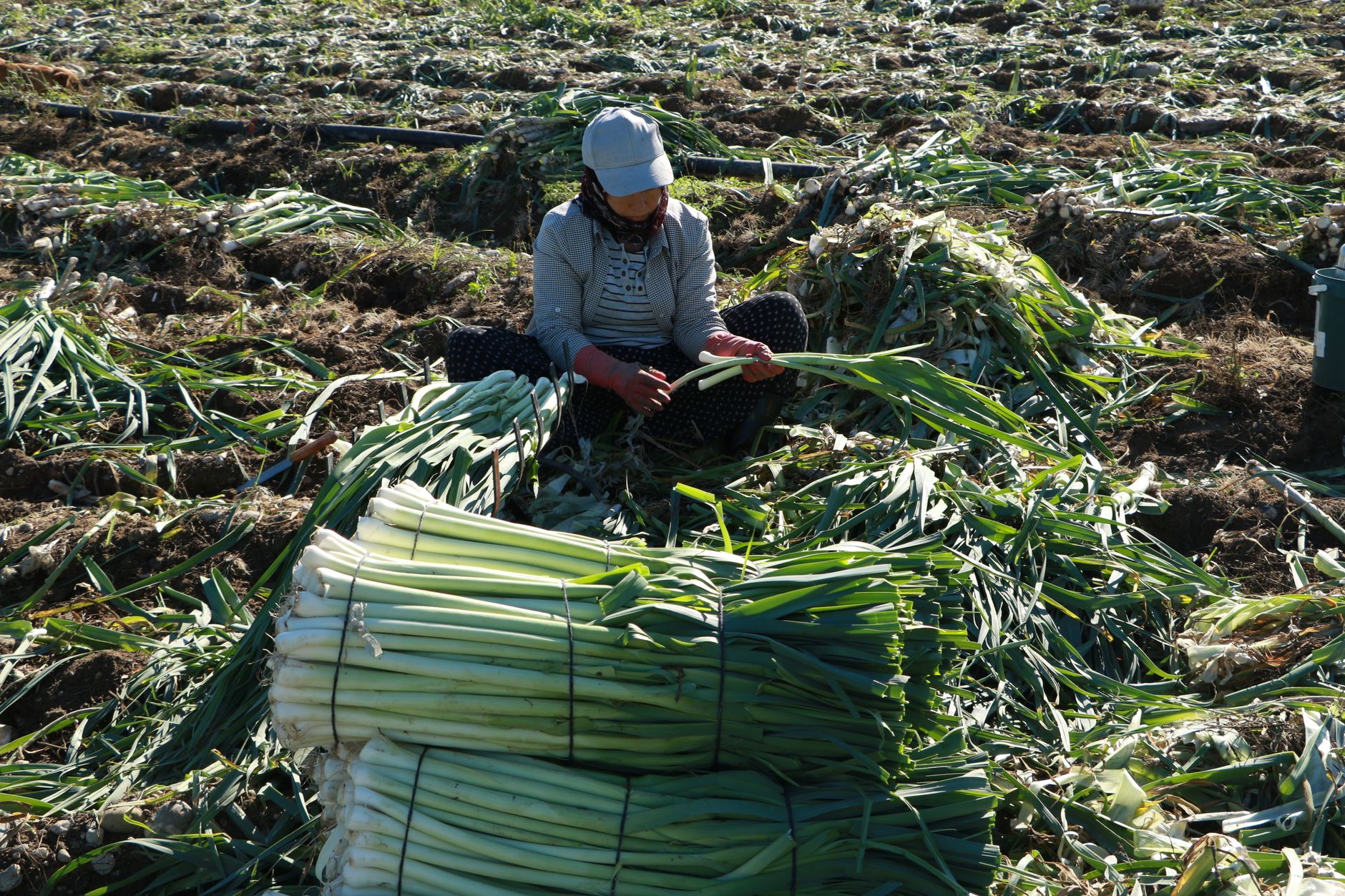
Discover the best leek varieties for your garden, with planting dates, spacing, and harvest tips for USDA zones 3-9. Real results, no fluff.
If you want a reliable, cold-hardy crop that stores well and tastes better than anything from the store, leeks are a smart choice. The best leeks to grow are the ones that match your climate and harvest window. For most gardeners, that means choosing between early, midseason, and late varieties, and planting them at the right time for your zone. Here is the straight talk on which leeks earn their space, and how to grow them without fuss.
Choosing the right leek for your zone
Leeks are biennials grown as annuals. They need a long, cool growing season, about 120 to 150 days from seed to harvest. The key is matching the variety’s maturity to your first frost date. In general:
- Early varieties (60-80 days): best for zones 7-9, plant in fall for spring harvest, or in early spring for summer harvest.
- Midseason varieties (80-100 days): good for zones 5-7, plant in early spring for fall harvest.
- Late varieties (100-120 days): best for zones 3-5, plant in late spring for fall or winter harvest. They are the most cold-hardy.
If you are in a warm zone (8-9), you can also grow leeks as a winter
 crop, planting in late summer for harvest in late winter or early spring.
The best leek varieties for home gardens
Here are the varieties that consistently perform well, based on my own trials and reports from other growers. I’ve listed them by harvest season.
Early season (60-80 days)
- King Richard: A classic early leek, tall and slender, with a mild flavor. It matures in about 75 days. Best for zones 6-9. Plant in early spring for summer harvest, or in fall for spring harvest in mild areas. It does not store well, so use it fresh.
- Varna: Another early, with a shorter, thicker shaft. Matures in about 65 days. Good for zones 5-9. It is more cold-tolerant than King Richard, so it can be overwintered in zone 7 and warmer.
Midseason (80-100 days)
- Lancelot: A reliable midseason leek, thick and sturdy, with a good flavor. Matures in about 90 days. It is fairly cold-hardy, so it can handle light frosts. Good for zones 5-8. I’ve had success with this one in zone 6, planting in early April and harvesting in late September.
- American Flag: Also known as ‘Giant Musselburgh’, this is a heritage variety that has been around for over a century. It is hardy, with a thick, long shaft. Matures in about 90-100 days. It overwinters well in zones 5-7, and can be harvested into early winter if mulched. Great for storage.
Late season (100-120 days)
- Blue Solaise: A French heirloom with blue-green leaves and a robust, sweet flavor. Matures in about 110 days. It is extremely cold-hardy, surviving down to zone 3 with snow cover. Harvest in late fall or even after frost. It stores well for several months.
- Bandit: A modern hybrid that is very cold-hardy, maturing in about 100 days. It has a long, thick shaft and a mild flavor. It can be overwintered in zones 5-9, and is one of the best for winter harvest. I’ve pulled Bandit leeks from under snow in February in zone 6.
Planting and spacing for success
Leeks are not difficult, but they do need specific conditions. Here is the step-by-step.
Starting from seed
Leeks are slow to germinate, so start them indoors 8-10 weeks before your last frost date. Use a seed tray with a good seed-starting mix. Sow seeds 1/4 inch deep, keep the soil moist at 65-75°F. They germinate in 7-14 days. Once they are 6 inches tall, harden them off for a week before transplanting.
If you want to skip indoor starting, you can direct sow in early spring as soon as the soil can be worked, but you will get a later harvest.
Transplanting
Leeks like rich, well-drained soil with a pH of 6.0-7.0. Before planting, work in 2 inches of compost or aged manure. Space rows 12 inches apart, and set plants 6 inches apart in the row. To get a long white shaft, you can plant in a trench: dig a trench 6 inches deep, place the seedlings at the bottom, and gradually fill in the trench as they grow. Or you can simply plant them deep, up to the first leaf.
Water well after transplanting. Leeks need consistent moisture, about 1 inch per week, so mulch with straw to retain water and keep weeds down.
Care and feeding
Leeks are heavy feeders. Side-dress with a balanced organic fertilizer (like 10-10-10) at transplanting and again a month later. Keep the soil moist, but do not let it become waterlogged.
Blanching is key for a long white shaft. As the leeks grow, mound soil or mulch around the stems, or use a cardboard tube or a leek blanch tube. This blocks light and keeps the shaft white and tender.
Harvesting and storing
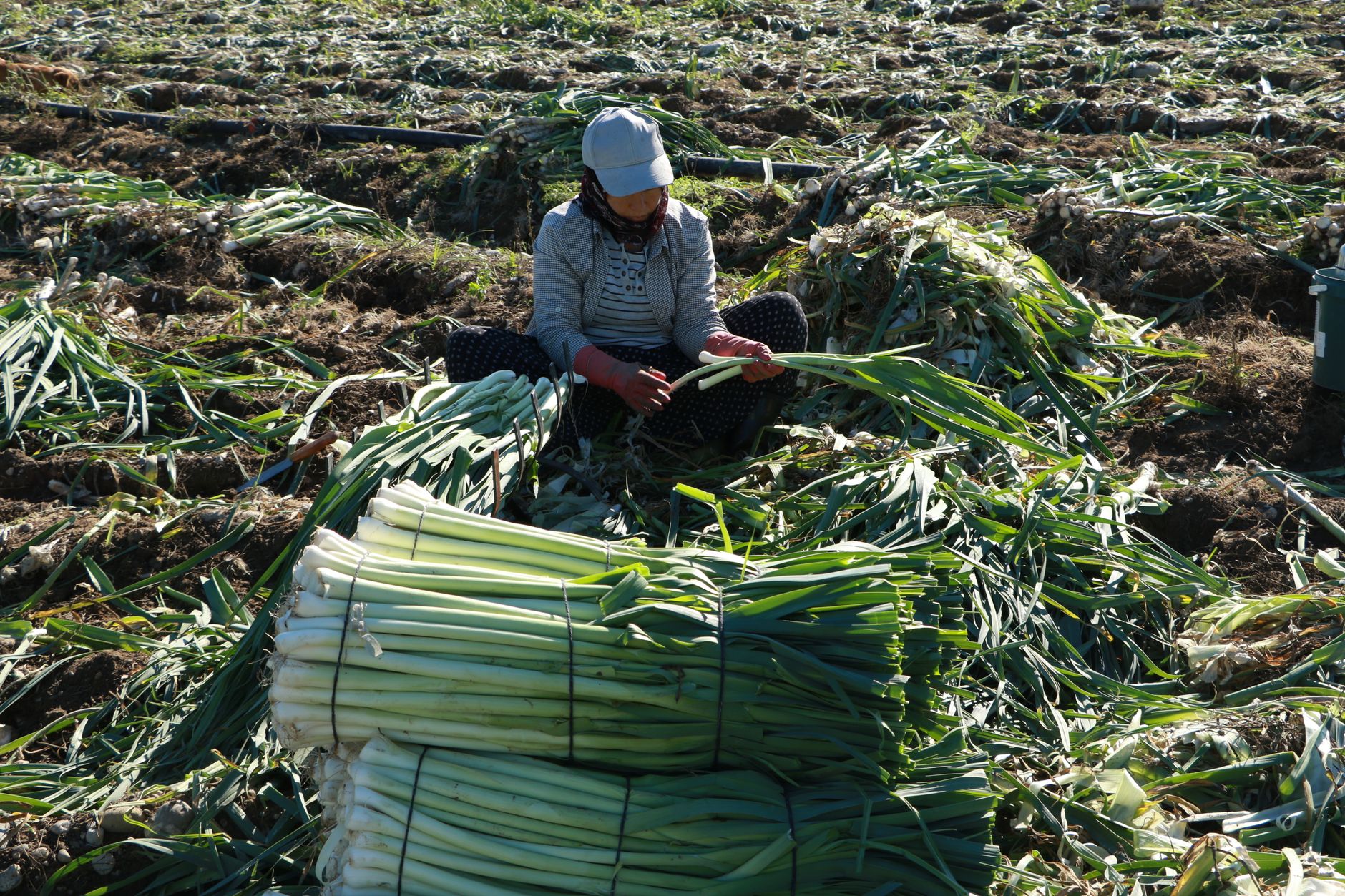
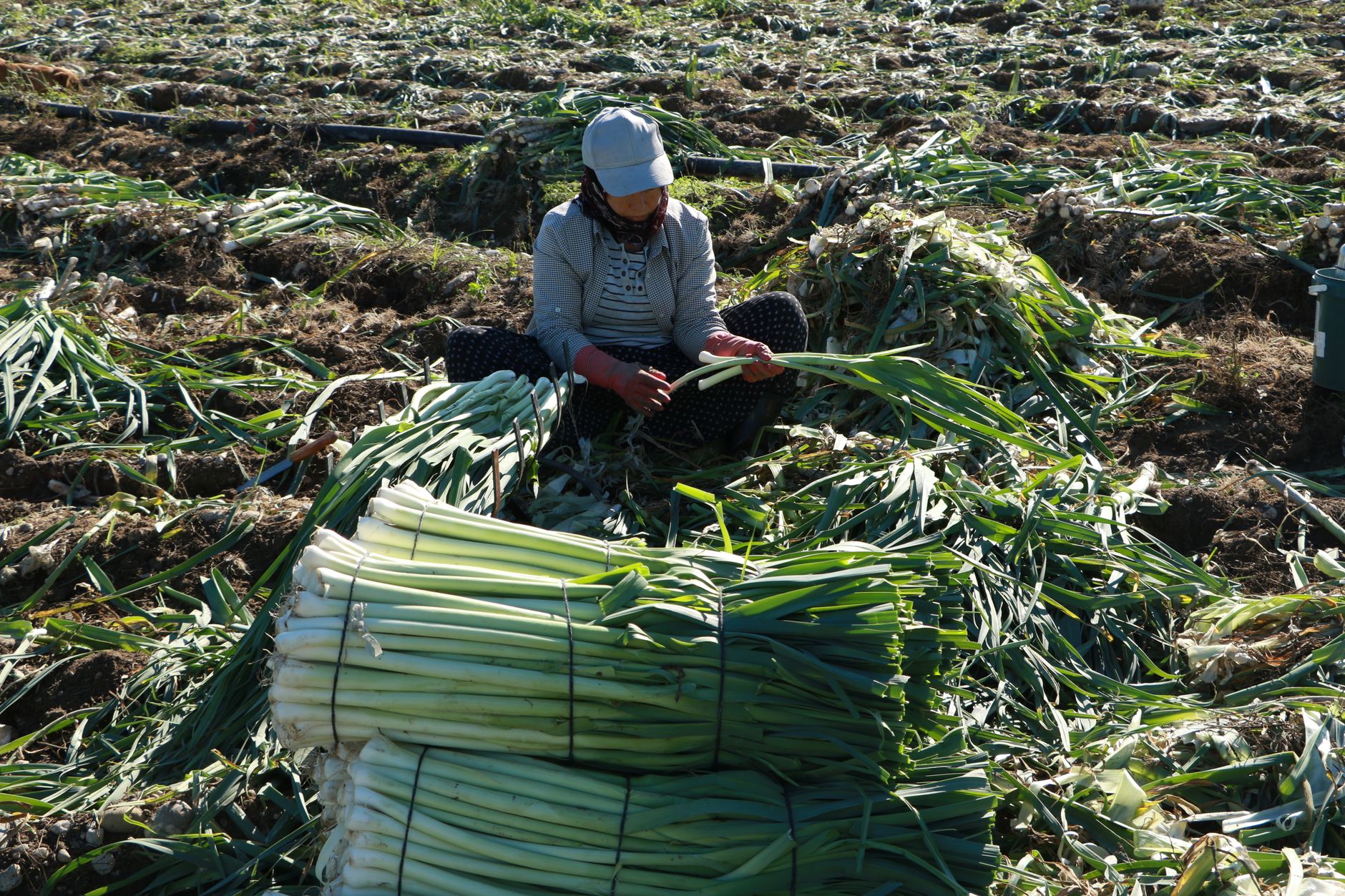
You can start harvesting leeks when they are about 1 inch in diameter, but for full size, wait until they are 1.5 to 2 inches. Use a garden fork to loosen the soil, then pull the leek by the base. Do not wash them until you are ready to use them.
Leeks store well. In the refrigerator, they will keep for 2-3 weeks. For longer storage, you can blanch and freeze them, or store them in a root cellar in damp sand at 32-40°F. They will keep for up to 3 months.
In zones 5-9, you can leave leeks in the ground over winter and harvest as needed. Mulch heavily with straw or leaves to keep the soil from freezing solid. This is the easiest way to store them, and they actually get sweeter after a frost.
Common problems and how to avoid them
- Thrips: These tiny insects can cause silvery streaks on leaves. Use row covers to prevent them, and spray with insecticidal soap if you see them.
- Onion maggots: These larvae attack the roots. Rotate your crops, and use row covers to keep adult flies away.
- Rust: This fungal disease causes orange spots on leaves. It is more common in wet weather. Plant resistant varieties like ‘Bandit’ and ensure good air circulation.
- Bolting: If leeks flower early, it is usually due to cold stress or a sudden warm spell. Plant at the right time for your zone, and avoid transplanting too early.
FAQ
Can I grow leeks in containers? Yes, you can. Use a container at least 12 inches deep and 10 inches wide per plant. Fill with a rich potting mix, and plant one leek per container, or space them 6 inches apart in a larger pot. Water regularly, and feed every 2 weeks with a liquid fertilizer.
How do I know when leeks are ready to harvest? Leeks are ready when the shaft is at least 1 inch in diameter. You can also check by gently pulling back the soil at the base. If the shaft looks thick and white, it is ready. Do not wait too long, as they can become tough and woody.
Can I grow leeks from kitchen scraps? You can regrow the root end of a leek in water, but it will only produce a small amount of leafy growth, not a full leek. It is a fun experiment, but not a practical way to get a harvest.
What is the best way to clean leeks? Leeks trap soil between their layers. Slice them lengthwise, then rinse under running water, fanning the layers to remove grit. Alternatively, soak them in a bowl of cold water for a few minutes, then lift them out, leaving the dirt behind.
The bottom line
For most gardeners, the best leeks are the ones that fit your growing season. If you are in a cold zone, go with ‘Blue Solaise’ or ‘Bandit’ for winter hardiness. In milder zones, ‘King Richard’ or ‘Lancelot’ will give you a reliable summer or fall harvest. Start seeds indoors, plant at the right time, and keep them watered. With a little care, you will have a steady supply of sweet, mild leeks from late summer through early spring. Choose one or two varieties this year, and see what works in your garden. You will not be disappointed.