Best leeks to grow uk
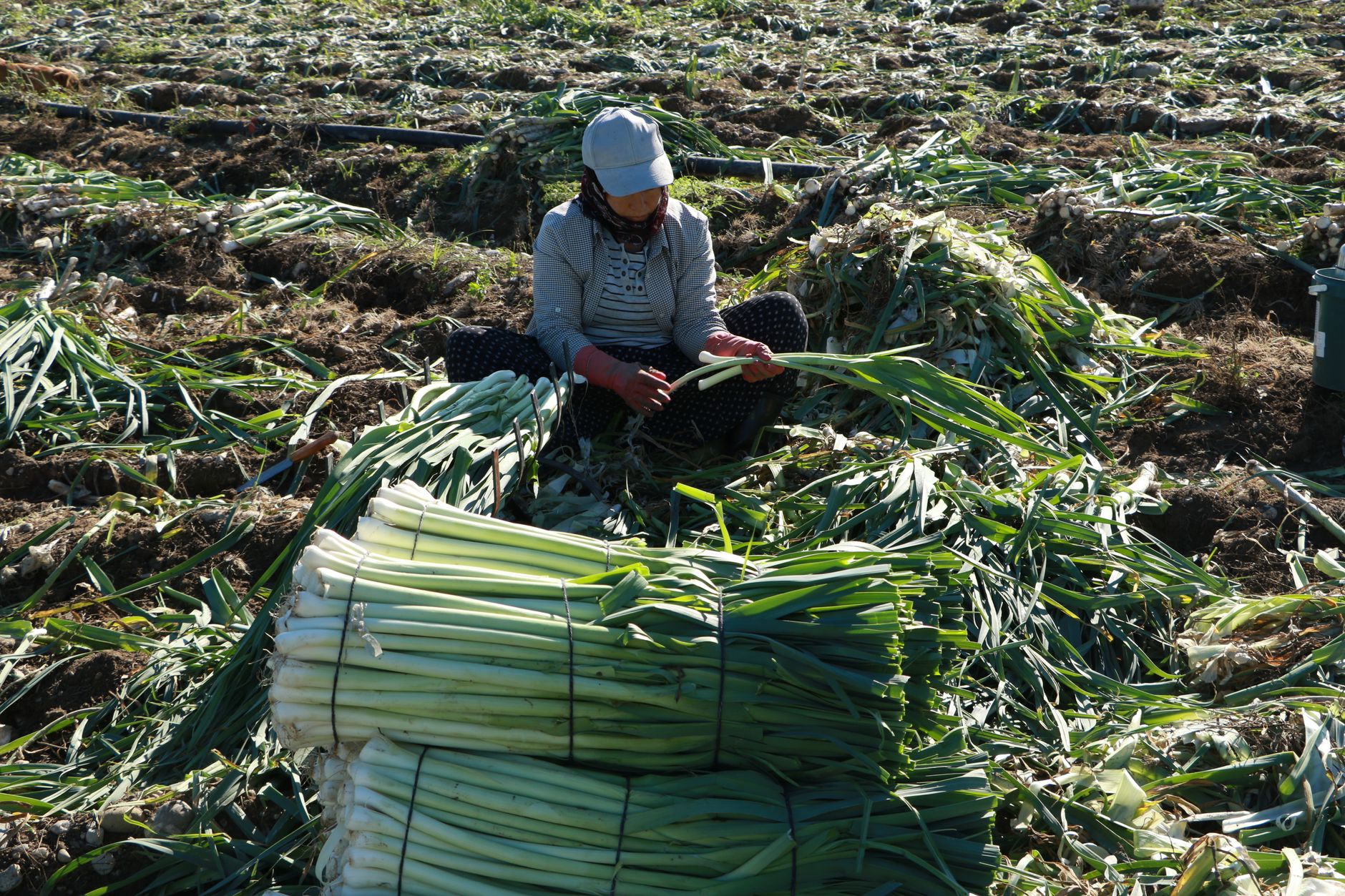
Discover the best leek varieties for UK gardens, with planting times, spacing, and harvest tips for a reliable crop.
If you’re growing leeks in the UK, you want varieties that cope with our wet, cool climate and deliver a decent crop without fuss. The best choices are hardy, slow-bolting types that stand through winter and give you a long harvest window. In this guide, I’ll name the top varieties for UK conditions, give you real planting dates and spacing, and tell you what actually works in practice.
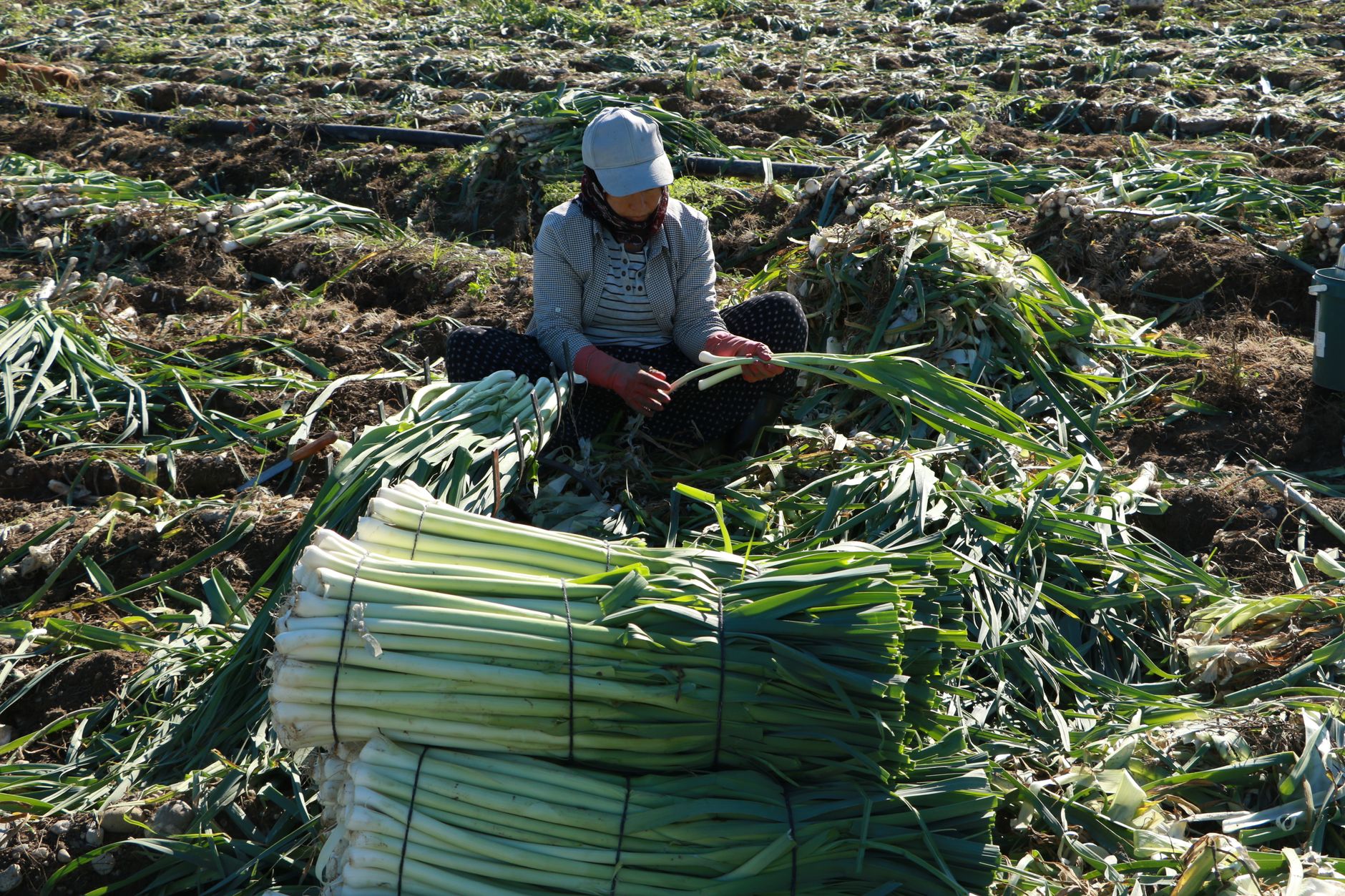
What Makes a Leek Variety Good for the UK?
The UK’s climate is perfect for leeks: cool, moist, and not too extreme. But you need varieties that resist bolting (going to seed) after a cold snap, and that can handle heavy soil. Look for ‘winter hardy’ or ‘late’ types if you want to harvest into spring. Early varieties are quicker but less hardy. For mo
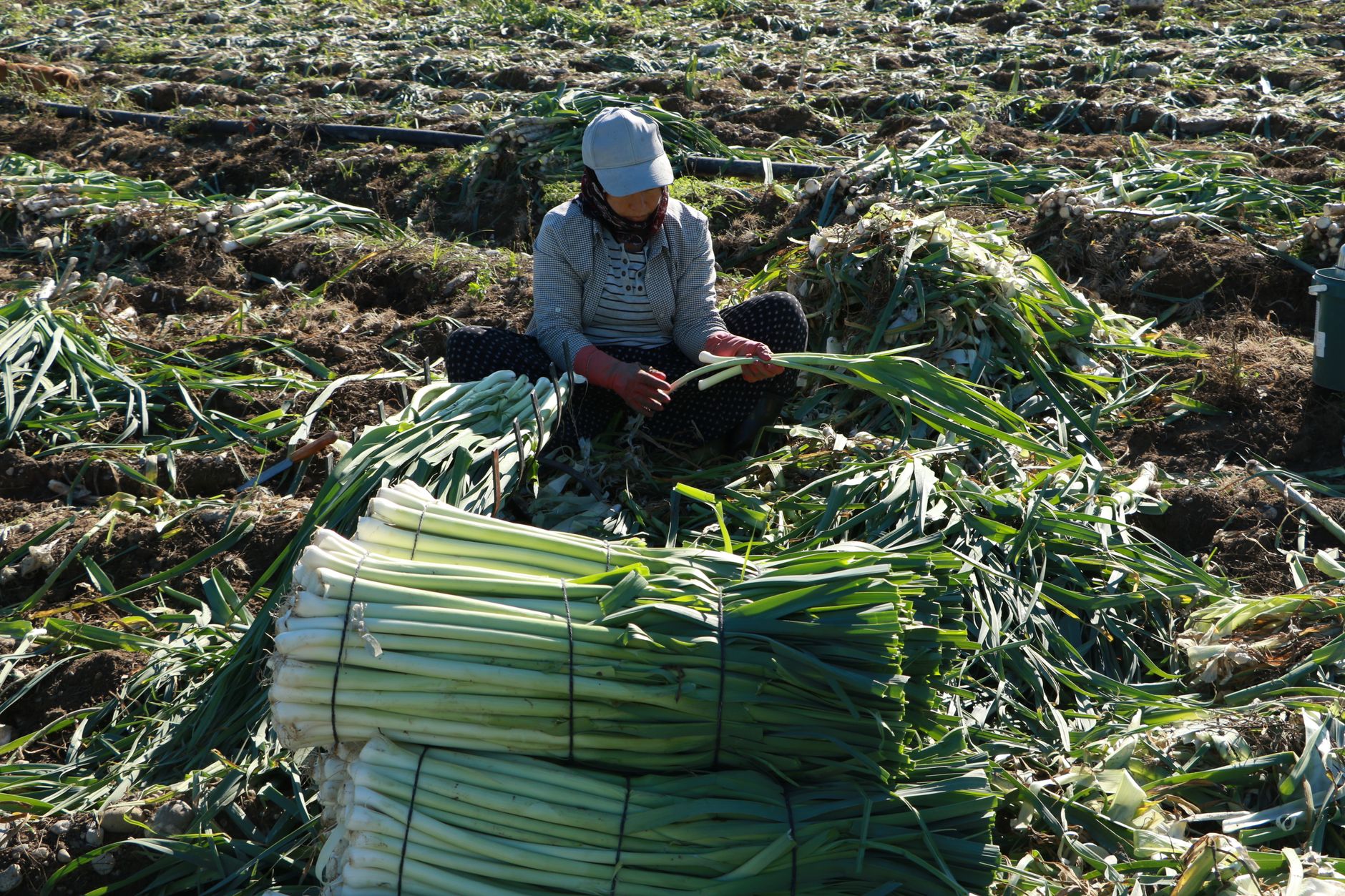 st UK gardeners, a mix of early and late gives you leeks from September to May.
Top Leek Varieties for the UK
Here are the varieties that have proven themselves in UK trials and allotments. I’ve grouped them by harvest time.
Early (harvest September to November)
- ‘King Richard’ - A classic early leek, long and slender, with a mild flavour. It’s quick to mature, about 90 days from transplant. Not very winter hardy, so lift by November. Expect 2-3 cm stem width.
- ‘Jolant’ - A reliable early that’s slightly hardier than ‘King Richard’. Good for autumn use, with a nice blue-green leaf. Harvest from October.
Mid-season (harvest November to January)
- ‘Musselburgh’ - The old Scottish favourite, very hardy and dependable. Thick, sturdy stems with a robust flavour. It stands well into winter and is a great all-rounder. Harvest from November to February.
- ‘Toledo’ - A modern F1 hybrid with good disease resistance and a long white shank. It’s vigorous and yields well. Harvest from November to January.
Late (harvest January to May)
- ‘Bandit’ - Extremely hardy, bred for winter survival. It has a strong, slightly spicy taste and thick stems. You can leave it in the ground until spring. Harvest from January to April.
- ‘Autumn Giant - Porbella’ - A reliable late variety with a long, thick stem. It’s very winter hardy and stores well in the ground. Harvest from December to March.
Planting Times and Spacing for UK Gardens
Leeks are usually started indoors or in a seedbed, then transplanted. Here are the key dates for UK (USDA zones 8-9, but works for most of the UK):
| Variety Type | Sow Indoors (for transplant) | Transplant Outdoors | Spacing (in-row) | Spacing (between rows) | Harvest Window |
|---|---|---|---|---|---|
| Early | February to March | April to May | 6 inches | 12 inches | September to November |
| Mid-season | March to April | May to June | 6 inches | 12 inches | November to January |
| Late | April to May | June to July | 6 inches | 12 inches | January to May |
For direct sowing (if you have a mild area), sow in March to April in a seedbed, then transplant when pencil-thick. In colder northern UK, start indoors to get a head start.
How to Grow Leeks Successfully in the UK
Leeks are not difficult, but they need a few things: rich soil, steady moisture, and no competition from weeds.
- Prepare the soil: Dig in well-rotted manure or compost in autumn. Leeks like a pH of 6.0-7.0. Add a general fertiliser like Growmore at 4 oz per square yard before planting.
- Sow seeds: Use modular trays or a seedbed. Sow 1 inch apart, 0.5 inch deep. Keep moist. Germination takes 14-21 days.
- Transplant: When seedlings are pencil-thick (about 6-8 weeks), lift them carefully. Trim the roots to 1 inch and the leaves to 6 inches. Make a hole 6 inches deep with a dibber, drop the seedling in, and water in. Do not fill the hole; it will naturally fill as the leek grows, blanching the stem.
- Water and weed: Keep the soil moist, especially in dry spells. Mulch with straw to retain moisture and suppress weeds. Hand-weed regularly; leeks hate competition.
- Feed: In September, give a liquid feed (like comfrey tea or a balanced liquid fertiliser) to boost growth.
Harvesting and Storing
Harvest leeks as you need them. Use a fork to loosen the soil, then pull gently. For winter storage, you can leave them in the ground and dig as needed. In very wet or freezing conditions, lift a batch and store in a cool shed with roots in damp sand. They’ll keep for 2-3 months.
Common Problems and Solutions
- Bolting: Caused by cold snaps after a mild spell. Choose hardy varieties like ‘Bandit’ or ‘Musselburgh’ for winter.
- Leek rust: Orange pustules on leaves. Improve air circulation, avoid overcrowding, and choose resistant varieties like ‘Toledo’.
- Onion fly: Maggots tunnel into stems. Use fine mesh netting or grow under fleece. Rotate crops.
- White tip: Leaf tips turn white, often due to stress. Keep soil moist and avoid over-feeding.
FAQ
Can I grow leeks in containers? Yes, use a deep pot (at least 12 inches) and plant 3-4 leeks per 10-inch pot. Use a rich compost and keep well-watered. Expect smaller stems, but it works for patios.
What’s the best leek for a beginner? ‘Musselburgh’ is forgiving and hardy. It’s a traditional variety that rarely fails.
How long do leeks take to mature? From transplant, early varieties take 90-100 days, mid-season 120-140 days, late 150-180 days.
Can I leave leeks in the ground over winter? Yes, hardy varieties like ‘Bandit’ and ‘Musselburgh’ can stay in the ground and be harvested as needed. In very cold areas, cover with a cloche or straw.
The Bottom Line
For the UK, plant ‘King Richard’ for early harvest, ‘Musselburgh’ for a reliable main crop, and ‘Bandit’ for winter hardiness. Start seeds indoors in spring, transplant at pencil-thickness, and keep them weed-free and watered. With these varieties and a bit of care, you’ll have leeks from September to May. Buy seeds from a reputable UK supplier like Mr Fothergill’s or Thompson & Morgan; a packet costs around £2-3 and will give you enough for a 10-foot row.