Best garlic to plant in pennsylvania
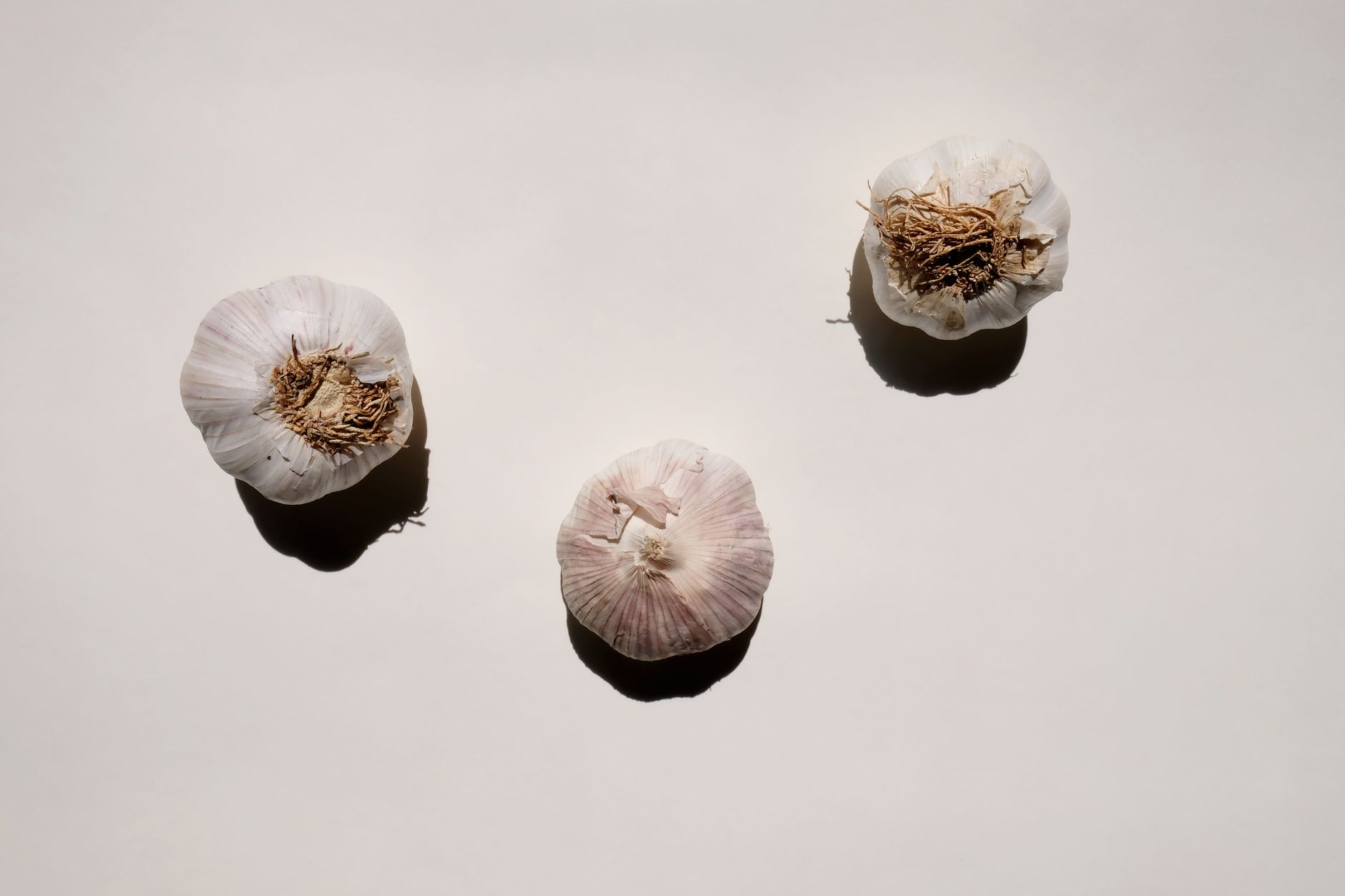
Discover the best garlic varieties for Pennsylvania, with planting dates, spacing, and tips for a successful harvest in USDA zones 5-7.
If you’re planting garlic in Pennsylvania, your best bets are hardneck varieties like ‘German Extra Hardy’, ‘Music’, and ‘Chesnok Red’. These thrive in our cold winters and produce large, flavorful cloves. Plant them in mid-October, about 4 to 6 weeks before the ground freezes, and you’ll harvest in early July.
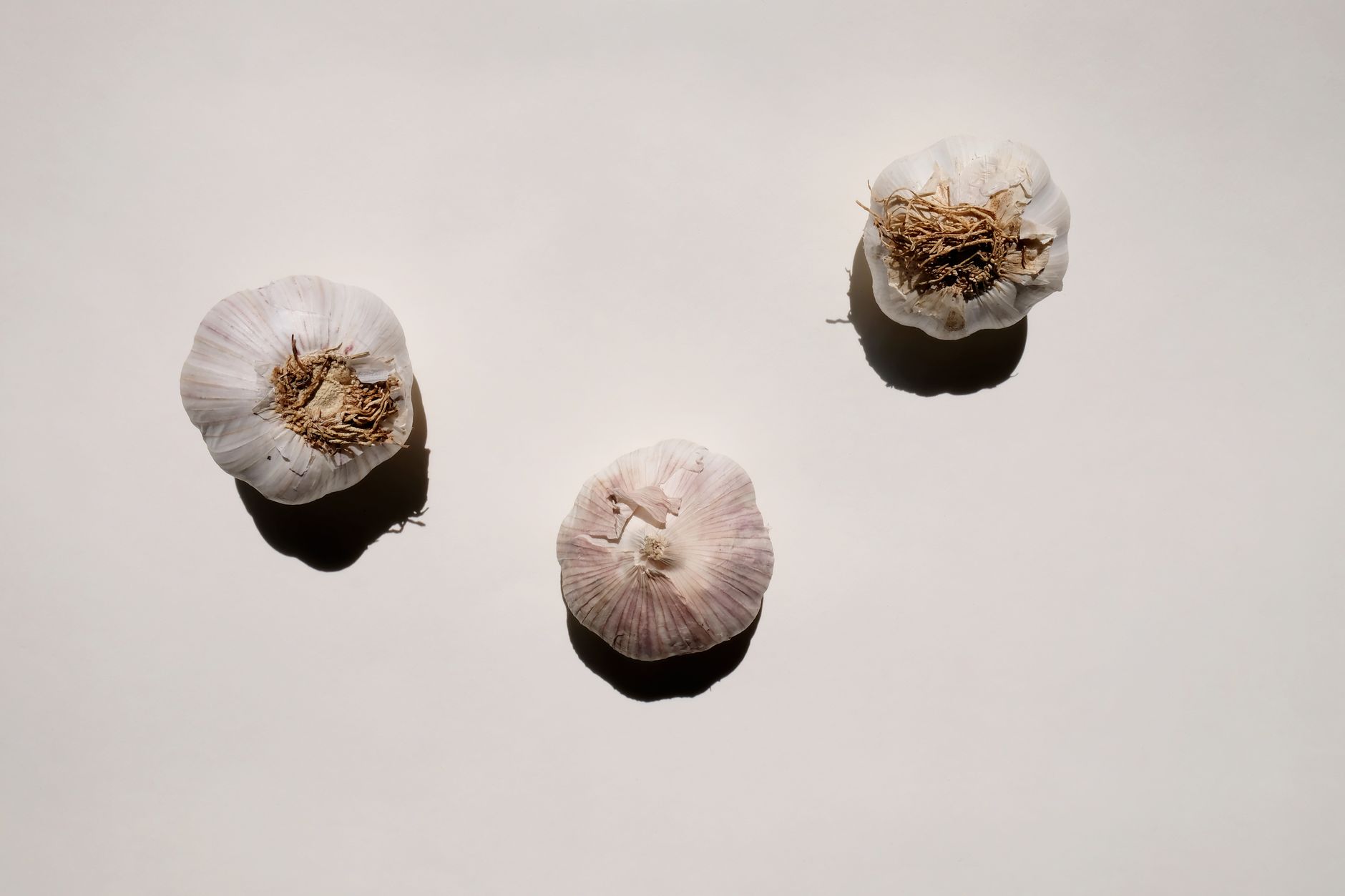
Why Hardneck Garlic Wins in Pennsylvania
Pennsylvania spans USDA zones 5 through 7, with most of the state in zones 5b to 6b. Hardneck garlic (Allium sativum var. ophioscorodon) is the clear winner here because it requires a period of cold dormancy (vernalization) to form bulbs. Our winters provide that naturally. Softneck varieties, which prefer milder climates, often produce smaller bulbs and are more prone to disease in our humidity.
Hardneck garlic also gives you scapes, the curly flower stalks that appear
 in late spring. Cut them off to direct energy to the bulb, and you get a bonus crop for pesto or stir-fries.
Top Varieties for Pennsylvania
These three hardneck varieties consistently perform well in Pennsylvania gardens. They are widely available from seed catalogs and local farm stores.
| Variety | Type | Flavor | Storage Life | Yield per 10 lbs planted |
|---|---|---|---|---|
| ‘German Extra Hardy’ | Rocambole | Rich, spicy | 4-6 months | 8-10 lbs |
| ‘Music’ | Porcelain | Strong, hot | 6-8 months | 8-10 lbs |
| ‘Chesnok Red’ | Purple Stripe | Sweet, mild | 4-5 months | 7-9 lbs |
‘German Extra Hardy’ is a reliable rocambole with large, easy-to-peel cloves. ‘Music’ is a porcelain that stores longer, making it a good choice if you want garlic into winter. ‘Chesnok Red’ is a purple stripe that roasts beautifully and has a more mellow flavor.
If you want to try something different, ‘Korean Red’ (a hardneck) is known for its pungency and cold hardiness. ‘Spanish Roja’ is an heirloom rocambole with excellent flavor, though it stores only 3 to 4 months.
When and How to Plant
Timing is critical. Plant garlic in Pennsylvania between October 1 and November 15, depending on your zone. The goal is to get roots established before the ground freezes, but not so early that shoots emerge above ground.
- Zone 5: Plant mid-October
- Zone 6: Plant late October to early November
- Zone 7: Plant early November to mid-November
Here’s the step-by-step process:
-
Prepare the soil: Garlic prefers loose, well-drained soil with a pH of 6.0 to 7.0. Work in 2 to 3 inches of compost or aged manure a week before planting. If your soil is heavy clay, consider raised beds.
-
Break apart bulbs: Separate cloves from the bulb, keeping the papery skin on. Choose the largest cloves; small ones produce small bulbs.
-
Plant cloves: Plant each clove pointy side up, 2 inches deep and 6 inches apart. Rows should be 12 inches apart. In zone 5, you might plant 3 inches deep for extra insulation.
-
Mulch: After planting, cover the bed with 4 to 6 inches of straw or shredded leaves. This insulates the soil, prevents heaving from freeze-thaw cycles, and suppresses weeds.
-
Water: Give the bed a good watering after planting if the soil is dry. You want moisture, but not soggy conditions.
Caring for Garlic Through the Seasons
Spring: In March or April, when shoots emerge, remove some mulch to let the soil warm. Fertilize with a balanced organic fertilizer, like 5-5-5, at a rate of 1 pound per 10 square feet. Water weekly if rainfall is less than 1 inch.
Scapes: In late May or June, garlic scapes will curl. Cut them off with scissors when they make one full loop. This redirects energy to bulb growth. Use them in recipes or compost them.
Pests and diseases: The main issues in Pennsylvania are garlic rust and white rot. Ensure good air circulation by spacing properly and avoid overhead watering. Rotate crops, not planting garlic in the same spot more than once every 3 years.
Harvesting and Curing
Harvest when the lower leaves turn brown, but the upper leaves are still green. In Pennsylvania, this is usually early to mid-July. Dig up bulbs carefully with a fork, don’t pull them by the tops.
Cure garlic in a dry, shaded, well-ventilated area for 2 to 4 weeks. Hang them in bundles or lay them on a screen. Once the roots are dry and the skin is papery, trim the roots and cut the stems to 1 inch above the bulb.
Store cured garlic in a cool (50-60°F), dry place. Hardneck varieties typically store 4 to 6 months, so use the milder ones first and save the spicier ones for later.
Where to Buy Garlic Seed
You can buy garlic seed (cloves) from local garden centers or online catalogs. Expect to pay $10 to $15 per pound for seed garlic, which covers about 50 to 60 cloves. A 10-pound bag plants roughly 100 square feet. Order in August or September, as popular varieties sell out.
Some reputable online sources include Keene Garlic, Filaree Garlic Farm, and Territorial Seed Company. Or, save your own cloves from this year’s harvest, but only if you had no disease issues.
FAQ
Can I plant garlic in the spring in Pennsylvania?
Yes, but you’ll get smaller bulbs. Spring-planted garlic doesn’t get the cold period it needs, so it forms a single round instead of a divided bulb. If you must plant in spring, choose a softneck variety and plant as early as the soil can be worked.
How much garlic should I plant?
For a family of four, plant about 40 to 50 cloves, which is roughly 1 pound. That yields 40 to 50 bulbs, enough for cooking and some to save for seed. If you want to sell at a farmers market, start with 100 cloves.
Why are my garlic bulbs small?
Small bulbs usually result from planting too late, using small cloves, or poor soil nutrition. Ensure you plant the largest cloves, amend the soil with compost, and fertilize in early spring. Also, don’t harvest too early; wait until the leaves signal readiness.
What’s the difference between hardneck and softneck garlic?
Hardneck garlic has a stiff stem and produces scapes. It’s more cold-hardy and has more complex flavors. Softneck garlic has flexible stems, stores longer, and is what you typically find in grocery stores. In Pennsylvania, hardneck is the better choice for flavor and reliability.
The bottom line
For Pennsylvania gardeners, hardneck garlic varieties like ‘German Extra Hardy’, ‘Music’, and ‘Chesnok Red’ are your best bet. Plant in October, mulch well, and harvest in July. With minimal effort, you’ll have a year’s supply of flavorful garlic that beats anything from the store. Start with a pound of seed garlic, follow the steps, and you’ll be rewarded with a bountiful harvest.