Best garlic to grow in mississippi
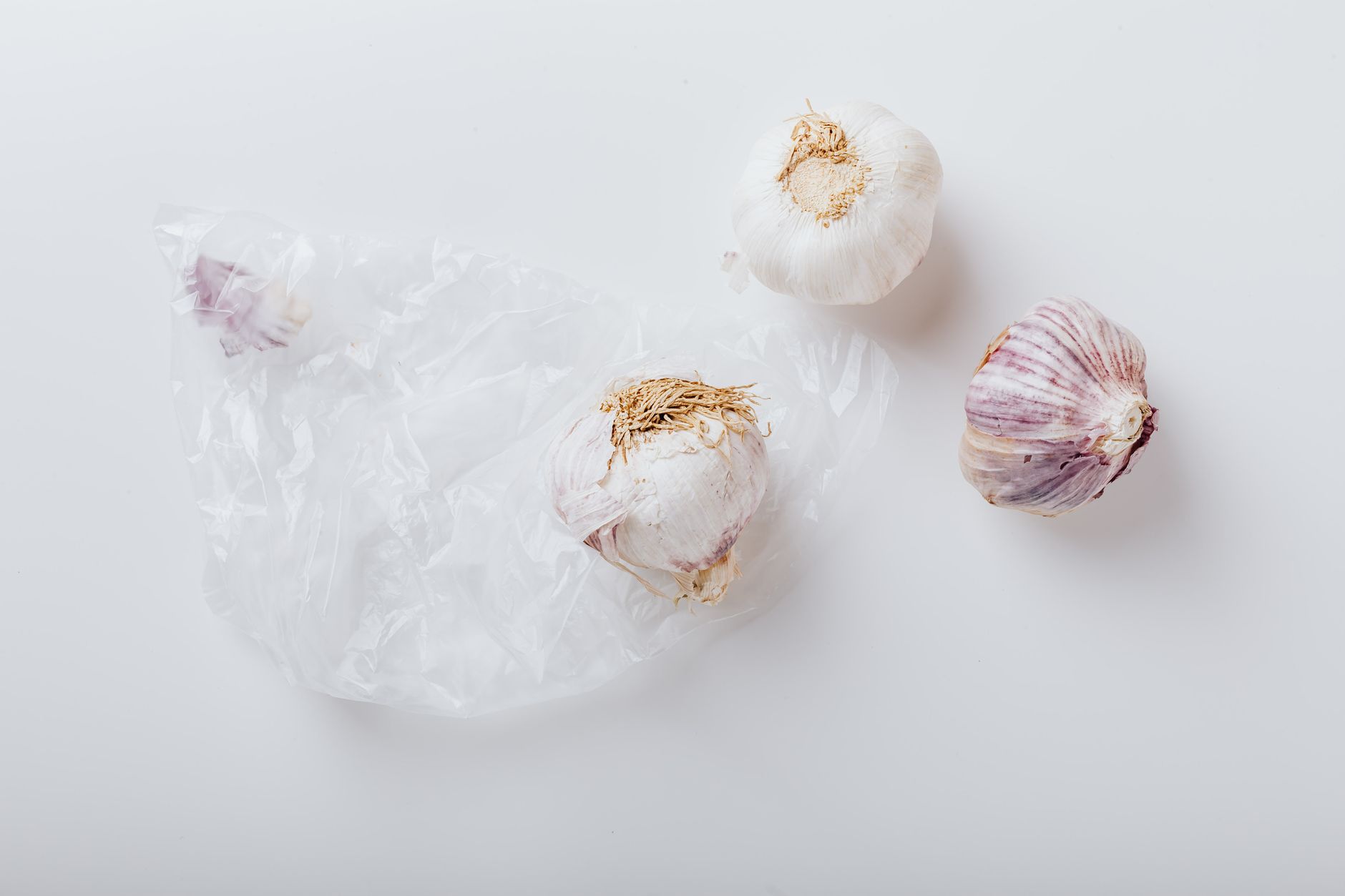
Discover the best garlic varieties for Mississippi's climate, planting dates, and tips for a successful harvest in USDA zones 7-9.
If you’re in Mississippi, your best garlic choices are softneck varieties like ‘California Early’ and ‘Inchelium Red’, with hardneck ‘Chesnok Red’ as a possible but riskier option. Plant in October or November, about 2 inches deep and 6 inches apart, and you’ll harvest in late May or June. Here’s how to pick the right garlic and grow it successfully in the Magnolia State.
Understanding Mississippi’s Climate for Garlic
Mississippi spans USDA zones 7b to 9a, with mild winters and hot, humid springs. Garlic needs a cold period (vernalization) to form bulbs, but our winters are often not cold enough for true hardnecks. Softnecks are the reliable choice because they don’t require a hard freeze and they store longer, which is a plus in our heat. Hardnecks can
 grow, but they may produce smaller bulbs and bolt (send up a flower stalk) prematurely if winter is mild.
Top Garlic Varieties for Mississippi
Based on trials and local grower reports, these varieties perform best:
| Variety | Type | Flavor | Storage | Notes |
|---|---|---|---|---|
| ‘California Early’ | Softneck | Mild, classic | 6-8 months | Early maturing, good for our spring heat |
| ‘Inchelium Red’ | Softneck | Rich, mild | 6-8 months | A top winner in taste tests, adapts well |
| ‘Creole Red’ | Softneck | Pungent, spicy | 8-10 months | Tolerates mild winters, excellent flavor |
| ‘Chesnok Red’ | Hardneck | Sweet, rich | 4-6 months | Try only if you have a cold microclimate |
For most Mississippi gardeners, stick with ‘California Early’ or ‘Inchelium Red’. If you want a spicier kick, ‘Creole Red’ is a great softneck that handles our winters well. Avoid hardnecks like ‘Music’ or ‘German Extra Hardy’ unless you’re in the northernmost parts of the state and willing to risk smaller bulbs.
When to Plant Garlic in Mississippi
Timing is critical. Plant garlic 4 to 6 weeks before the first hard frost, which gives roots time to establish before winter dormancy. In Mississippi, that’s typically:
- North Mississippi (Zone 7b): Mid-October to early November
- Central Mississippi (Zone 8a): Late October to mid-November
- South Mississippi (Zone 9a): November to early December
If you plant too early, garlic may sprout too much before winter; too late, and roots won’t establish. Use a soil thermometer: plant when soil temperature at 2 inches is around 50°F.
How to Plant Garlic: Step-by-Step
- Buy seed garlic from a reputable supplier. Do not use supermarket garlic; it’s often treated to prevent sprouting. Expect to pay $10 to $20 per pound for seed garlic, which covers about 50 to 60 cloves.
- Prepare the soil: Garlic prefers well-drained, loose soil with a pH of 6.0 to 7.0. Amend with compost or aged manure a few weeks before planting. Avoid fresh manure, which can burn roots.
- Break apart bulbs into individual cloves, keeping the papery skin on. Choose the largest cloves for planting; they produce the biggest bulbs.
- Plant cloves 2 inches deep, pointed end up, and 6 inches apart in rows 12 inches apart. In heavy clay, plant 1 inch deep and mulch heavily.
- Water thoroughly after planting, then apply a 4 to 6 inch layer of straw or shredded leaves. Mulch conserves moisture, suppresses weeds, and moderates soil temperature.
Caring for Garlic Through the Season
- Fertilize in early spring when shoots emerge (usually February) with a high-nitrogen fertilizer like blood meal or a balanced 10-10-10 at a rate of 1 pound per 100 square feet. Side-dress again in April.
- Water about 1 inch per week if rainfall is scarce. Reduce watering in May as bulbs mature; too much water can cause rot.
- Remove scapes from hardneck varieties (if you planted any) in late spring to direct energy to bulb growth. Scapes are edible and make great pesto.
- Weed regularly; garlic doesn’t compete well with weeds.
Harvesting and Curing Garlic
Garlic is ready to harvest when the lower leaves turn brown but the upper leaves are still green, usually late May to June. Dig carefully with a fork, don’t pull, to avoid bruising. Cure in a dry, shaded, well-ventilated area for 2 to 3 weeks. Then trim roots and cut stems to 1 inch, or braid softnecks. Store in a cool, dry place (50-60°F) with good air circulation. Properly cured softnecks can last 6 to 8 months.
Common Problems and Solutions
- Rust or white rot: These fungal diseases thrive in humid conditions. Rotate crops, avoid overhead watering, and ensure good drainage.
- Small bulbs: Often due to planting too late, overcrowding, or insufficient water in spring.
- Bolting in softnecks: Rare, but can happen if the weather swings wildly. Remove flower stalks immediately.
FAQ
Can I grow garlic from grocery store bulbs?
It’s possible, but not recommended. Store garlic is often treated to prevent sprouting, and it may carry diseases. Buy certified disease-free seed garlic from a nursery or online supplier for best results.
When should I fertilize garlic in Mississippi?
Apply a balanced fertilizer at planting, then side-dress with nitrogen in early spring (February) and again in April. Avoid high-nitrogen fertilizers after April, as they can delay bulb formation.
How much garlic can I expect to harvest?
With proper care, you can expect 10 to 20 bulbs per pound of seed garlic planted. Each clove yields one bulb, so a 1-pound bag (about 50 cloves) yields 40 to 50 bulbs, depending on losses.
Do I need to refrigerate garlic before planting in Mississippi?
No. Our winters are mild enough that garlic doesn’t need artificial vernalization. If you’re in a warmer area (south Mississippi), choose softneck varieties that adapt to mild winters.
The Bottom Line
For Mississippi, choose softneck garlic like ‘California Early’ or ‘Inchelium Red’ for reliable yields and good storage. Plant in October or November, 2 inches deep and 6 inches apart, and mulch well. With minimal care, you’ll harvest a crop that lasts through the summer. Avoid hardnecks unless you’re in the far north and want to experiment. Start with a pound of seed garlic, and you’ll have enough to cook with and save some for next year’s planting.