Best garlic to grow in michigan
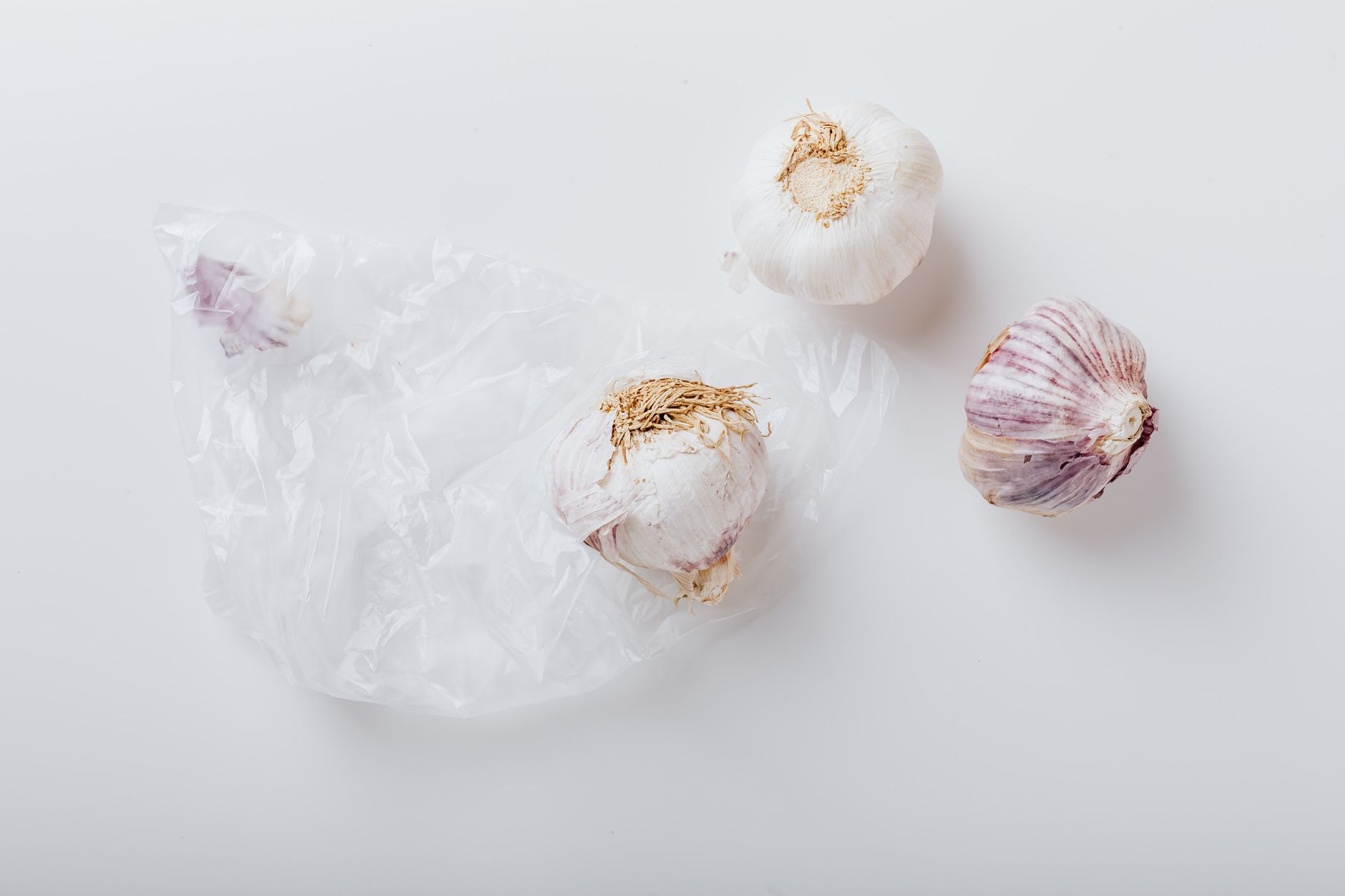
Discover the best garlic varieties for Michigan, with planting times, spacing, and harvest tips for zones 4-6. Grow hardneck garlic successfully.
If you want the best garlic for Michigan, plant hardneck varieties. They handle the cold winters and produce the rich, complex flavors that make homegrown garlic worth the effort. Softneck types can grow here, but they often struggle with our freeze-thaw cycles and produce smaller bulbs. Stick with hardnecks like German White, Music, and Chesnook Red for reliable results.
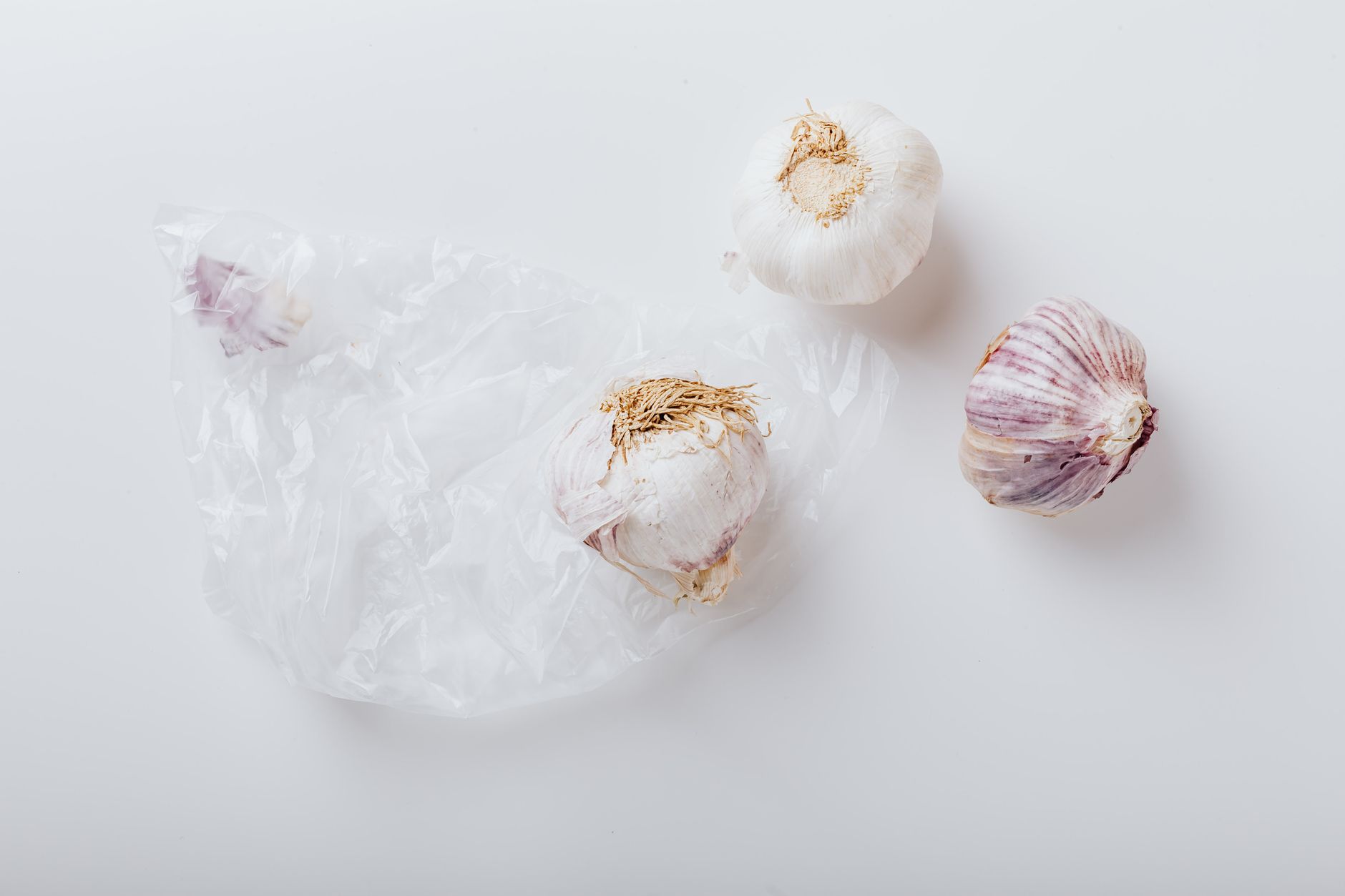
Why hardneck garlic wins in Michigan
Michigan’s climate, with its cold winters and variable springs, suits hardneck garlic perfectly. Hardnecks are bred for northern conditions. They need a period of cold (vernalization) to form bulbs, and Michigan’s winter provides that naturally. Softnecks, which prefer milder winters, often bolt or produce poor bulbs when stres
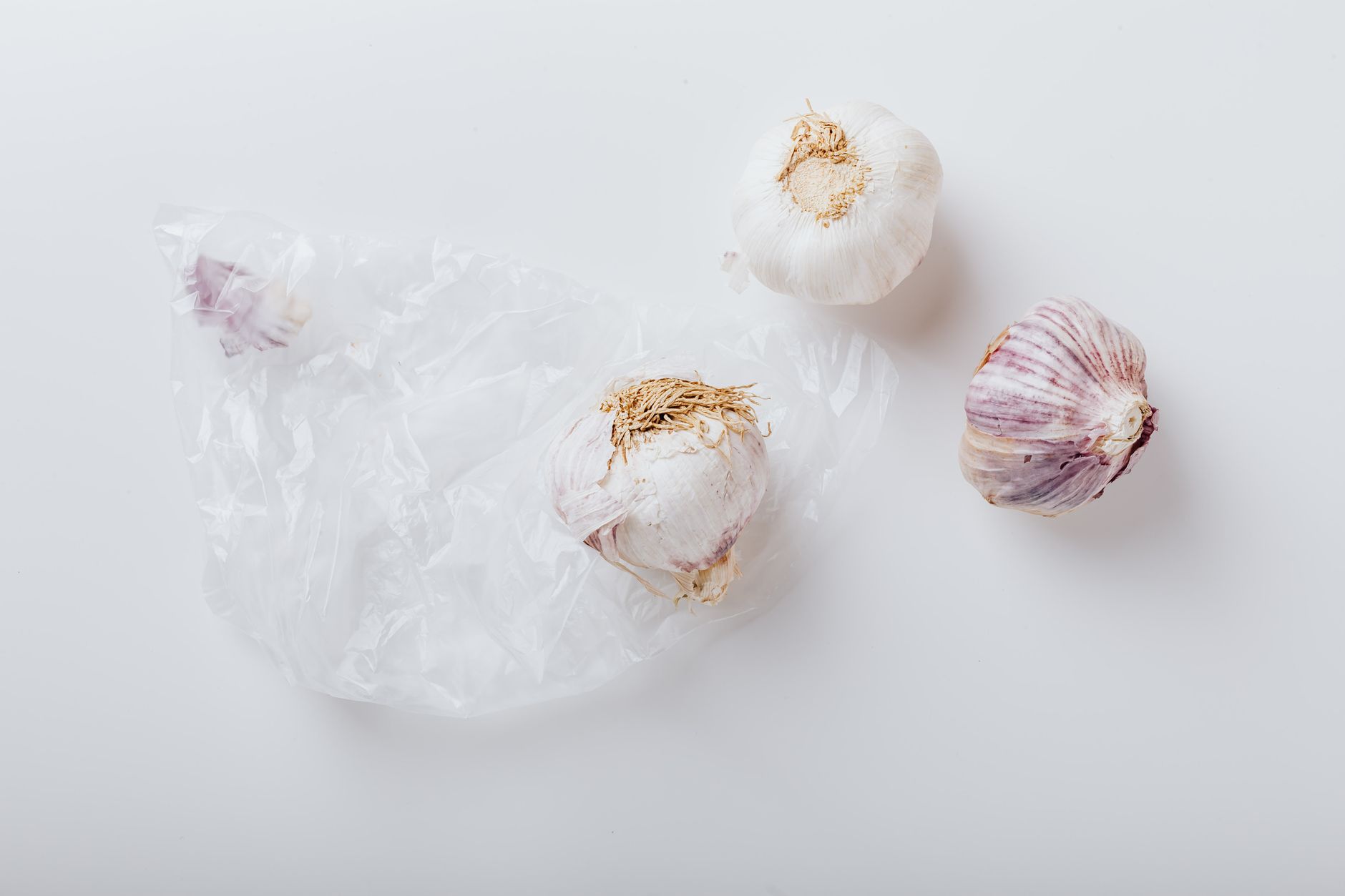 sed by cold. Hardnecks also give you scapes in early summer, a tasty bonus you can sauté or pickle.
Top varieties for Michigan gardens
Here are the hardneck varieties that perform best in Michigan’s USDA zones 4 to 6. I’ve grown all of these in my own plot.
| Variety | Type | Flavor | Bulb Size | Storage Life | Best For |
|---|---|---|---|---|---|
| German White | Rocambole | Rich, spicy | Large | 4-6 months | Roasting, raw |
| Music | Porcelain | Mild, sweet | Very large | 6-8 months | Long-term storage |
| Chesnook Red | Rocambole | Bold, earthy | Large | 4-6 months | Cooking, sauces |
| Purple Glazer | Purple Stripe | Sweet, mild | Medium | 5-7 months | Fresh eating |
| Siberian | Porcelain | Mild, slightly hot | Medium | 6-8 months | Cold hardiness |
German White is my go-to for its reliable size and flavor. Music stores longer, so I plant extra for winter use. Purple Glazer adds variety and does well in zone 5.
When to plant garlic in Michigan
Plant garlic in the fall, 4 to 6 weeks before the ground freezes. In Michigan, that’s usually mid-October to early November. The goal is for the cloves to establish roots before winter, but not to sprout above ground. Soil temperature at planting should be around 50°F. Use a soil thermometer to check.
For zones 4 and 5, aim for October 15 to November 1. For zone 6, you can push to mid-November. If you miss the window, you can plant in early spring, but bulbs will be smaller. Fall planting is essential for full-size heads.
How to plant garlic for success
-
Choose your seed garlic: Buy from a local nursery or reputable online source. Grocery store garlic is often treated to prevent sprouting and may carry disease. Expect to pay $10 to $15 per pound for seed garlic, which covers about 50 cloves.
-
Prepare the soil: Garlic needs well-drained, loose soil with a pH of 6.0 to 7.0. Test your soil and amend with compost or aged manure. Add a balanced fertilizer like 10-10-10 at planting, about 1 pound per 100 square feet.
-
Break apart the bulbs: Separate cloves from the bulb, keeping the papery skin on. Use the largest cloves for planting; save smaller ones for eating. Each clove will grow into a full bulb.
-
Plant the cloves: Space cloves 6 inches apart in rows 12 inches apart. Plant each clove pointy side up, 2 to 3 inches deep. In heavy clay, plant shallower; in sandy soil, deeper.
-
Mulch: After planting, cover the bed with 4 to 6 inches of straw or shredded leaves. This insulates the soil, prevents heaving, and suppresses weeds. In spring, pull back the mulch once shoots appear.
Caring for garlic through the season
Garlic needs consistent moisture, especially in May and June when bulbs are forming. Water about 1 inch per week if rain is scarce. Stop watering in late June to let the bulbs cure.
Fertilize in early spring when shoots are 6 inches tall with a nitrogen-rich feed like blood meal or fish emulsion. Side-dress along the rows. Avoid over-fertilizing, which can cause lush tops but small bulbs.
Remove scapes (the curly flower stalks) in late May or early June. Cut them off with scissors when they curl. This directs energy to bulb growth. Scapes are edible, so use them in pesto or stir-fries.
Harvesting and curing garlic
Harvest when the lower leaves turn brown, usually in mid-July in Michigan. Dig up a bulb to check; the wrapper should be dry and tight. Use a garden fork to loosen soil, then pull bulbs gently. Do not wash them.
Cure garlic in a dry, shaded, well-ventilated spot for 2 to 4 weeks. Hang them in bundles or lay them on a screen. Once the necks are dry and the roots are shriveled, trim the roots and cut the stems to 1 inch. Store in a cool, dark place at 50 to 60°F with moderate humidity.
Common problems and how to avoid them
- White rot: A fungal disease that causes yellowing and rot. Avoid planting garlic in the same spot for 3 to 4 years. Choose disease-free seed.
- Garlic rust: Orange pustules on leaves. Improve air circulation and avoid overhead watering.
- Onion thrips: Tiny insects that cause white streaks. Use insecticidal soap if needed.
- Bolting in softnecks: If you plant softnecks, they may bolt (send up a flower stalk) in cold springs. Hardnecks always bolt, which is normal.
FAQ
Can I grow garlic in containers in Michigan?
Yes, but choose a pot at least 12 inches deep and wide. Plant cloves 6 inches apart. Containers freeze harder, so mulch heavily or move to a sheltered spot. Expect smaller bulbs than in-ground.
What is the best garlic for zone 4 in Michigan?
German White and Siberian are top choices for zone 4. They tolerate extreme cold and produce well. Music also does fine with good snow cover.
How much garlic should I plant for a year’s supply?
Plan on 10 to 15 bulbs per person per year. Each bulb yields about 8 to 12 cloves, so plant 10 to 15 cloves per person for fresh use, plus extra for seed. A 100-foot row with 6-inch spacing gives about 200 plants, enough for a family of four.
Can I plant garlic in spring in Michigan?
Yes, but you’ll get smaller bulbs. Plant as soon as the soil can be worked in March or April. Use a hardneck variety that has been cold-treated (check with your supplier). Expect 50% to 75% of fall-planted size.
The bottom line
For Michigan, hardneck garlic is the clear winner. Plant German White, Music, or Chesnook Red in mid-October, space cloves 6 inches apart, and mulch well. Harvest in July, cure properly, and you’ll have flavorful garlic that stores for months. Start with a small bed this fall, and expand next year. Your taste buds will thank you.