Best garlic to grow in kansas
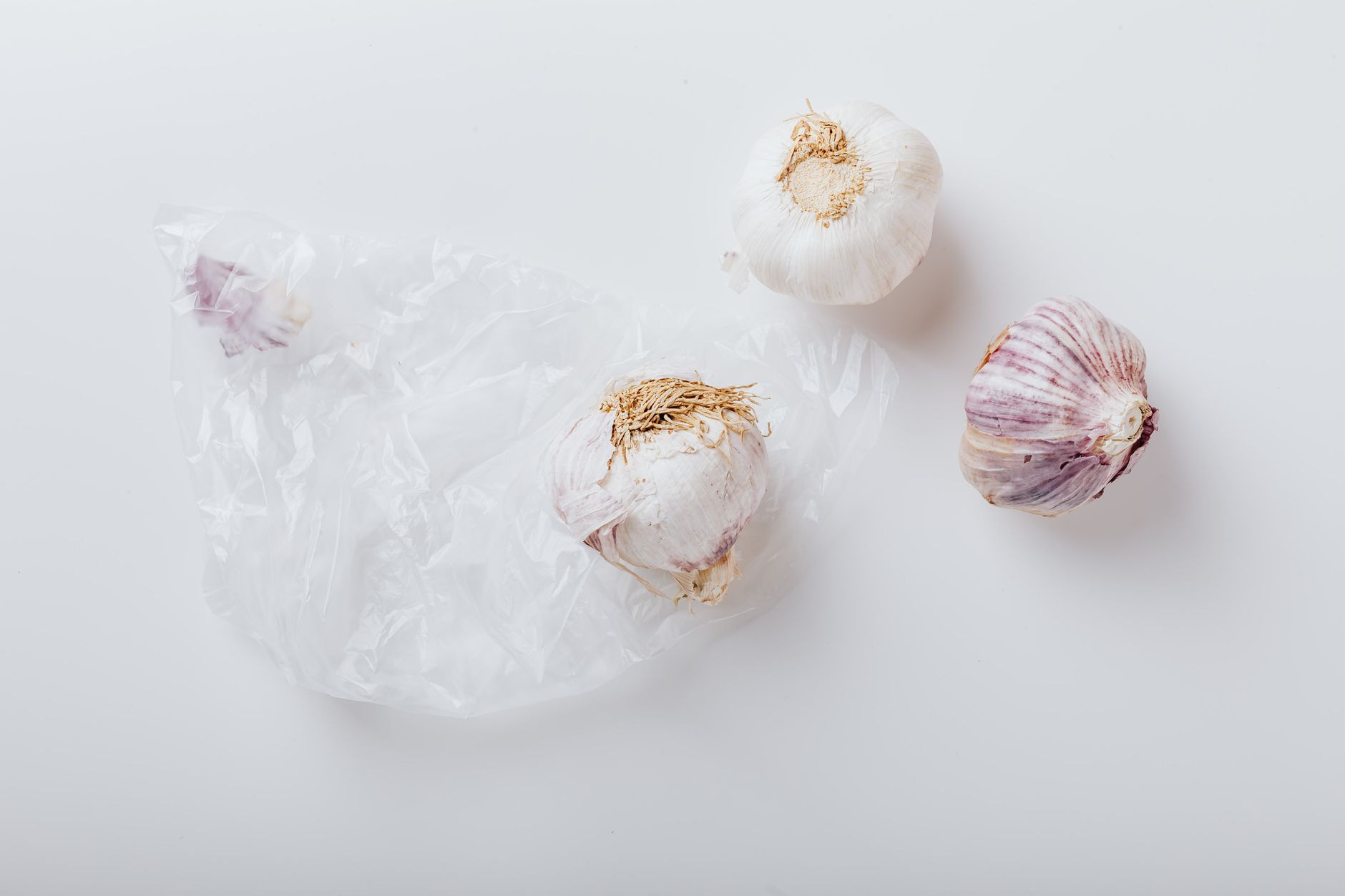
Discover the best garlic varieties for Kansas, with planting dates, spacing, and tips for a successful harvest in USDA zones 5-6.
If you’re growing garlic in Kansas, your best bet is hardneck varieties like ‘German Red’ and ‘Music’, which handle the cold winters and produce large, flavorful cloves. Softnecks like ‘California Early’ also work, but they may not form bulbs as well in our zone. Plant in October, about 4 to 6 weeks before the ground freezes, and you’ll harvest in late June or early July.
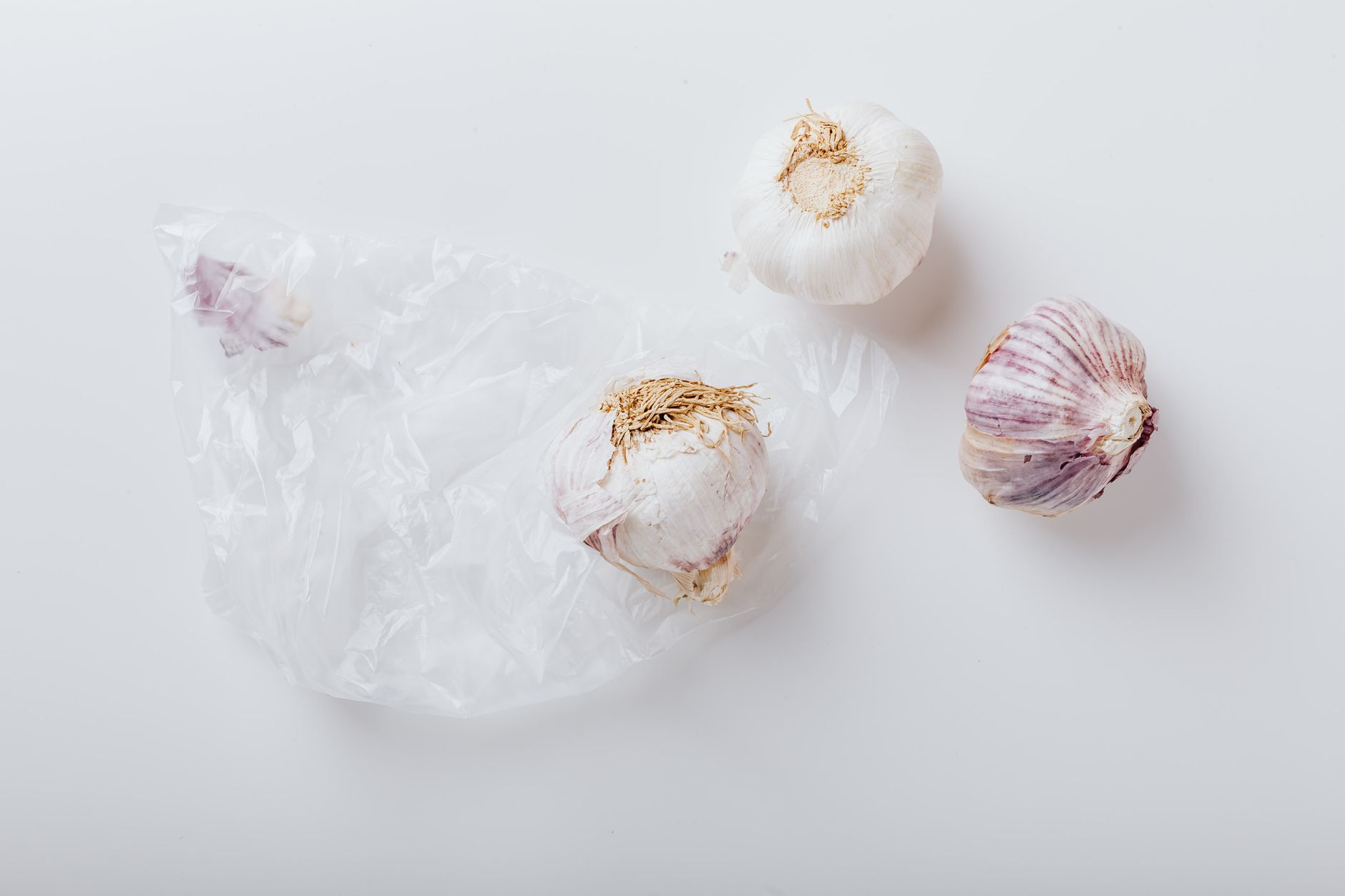
Why Hardneck Garlic Wins in Kansas
Kansas spans USDA zones 5 and 6, with cold winters that hardneck garlic loves. Hardnecks need a period of cold (vernalization) to form bulbs, and our climate provides that naturally. They also produce a flower stalk (scape) that you can harvest and eat, a bonus for the kitchen. Softneck garlic, which is what you often see in grocery stores, does not require cold and can be grown
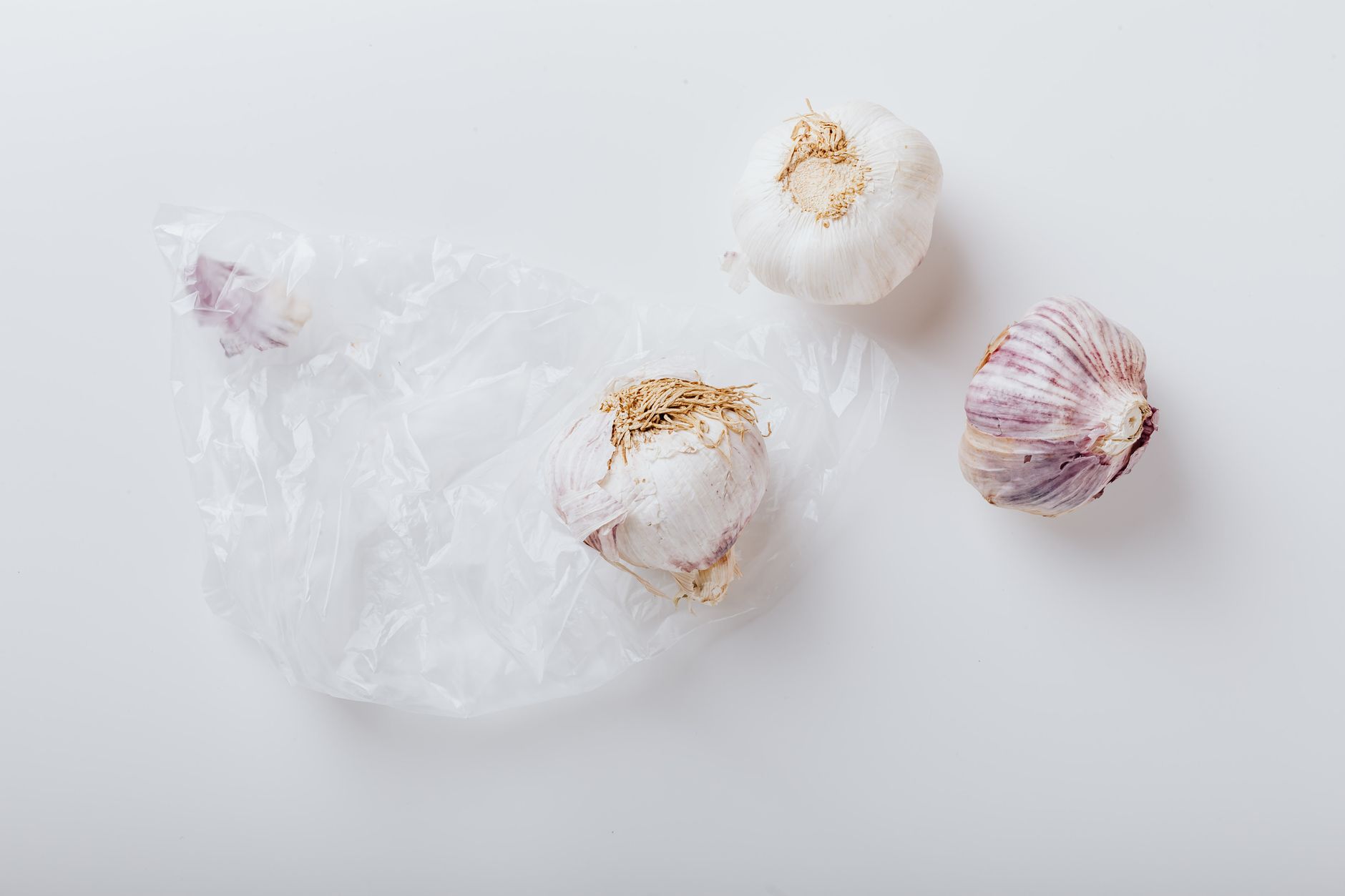 here, but it tends to produce smaller bulbs and is more prone to disease in our humid summers.
Top Varieties for Kansas
Here are the varieties I’ve had success with, along with their characteristics:
| Variety | Type | Flavor | Storage Life | Notes |
|---|---|---|---|---|
| ‘German Red’ | Hardneck | Rich, spicy | 4-5 months | Large cloves, easy to peel, excellent for roasting. |
| ‘Music’ | Hardneck | Mild, slightly sweet | 5-6 months | Very hardy, reliable, big bulbs. |
| ‘Chesnok Red’ | Hardneck | Sweet, complex | 4-5 months | Great for baking, stores moderately well. |
| ‘California Early’ | Softneck | Mild | 6-8 months | Good for braiding, but may not form large bulbs in Kansas. |
| ‘Inchelium Red’ | Softneck | Mild | 6-8 months | One of the best softnecks for our area, but still not as robust as hardnecks. |
For most Kansas gardeners, I recommend starting with ‘German Red’ and ‘Music’. They are forgiving, productive, and taste great. If you want a softneck for storage, try ‘Inchelium Red’, but manage your expectations on bulb size.
When and How to Plant
Planting Dates
In Kansas, plant garlic in October, about 4 to 6 weeks before the first hard freeze. For zone 5, that’s usually mid-October; for zone 6, late October. The goal is for the cloves to establish roots before the ground freezes, but not to sprout above ground until spring.
Soil Preparation
Garlic needs well-drained soil with a pH between 6.0 and 7.0. If your soil is heavy clay, add compost or aged manure to improve drainage. I also work in a balanced fertilizer like 10-10-10 at planting time, about 2 pounds per 100 square feet.
Planting Steps
- Break apart the garlic bulb into individual cloves, keeping the papery skin on. Choose the largest cloves for planting; use the smaller ones in the kitchen.
- Plant each clove pointy side up, 2 inches deep and 6 inches apart in rows that are 12 inches apart.
- Cover with soil and water in well.
- Mulch with 4 to 6 inches of straw or shredded leaves. This insulates the soil, prevents heaving during freeze-thaw cycles, and suppresses weeds.
Caring for Garlic Through the Season
Spring Care
In early spring, when shoots emerge, remove some mulch to let the soil warm, but keep a thin layer for moisture retention. Fertilize with a high-nitrogen source like blood meal or fish emulsion at a rate of 1 pound per 50 square feet. Water about 1 inch per week if rain is scarce.
Scapes and Bulb Formation
In late May or early June, hardneck garlic will send up a curly scape. Cut these off when they curl, to direct energy to bulb growth. You can eat them, they taste like a mild garlic. After scape removal, the bulbs will start to swell. Stop watering about 2 weeks before harvest to let the bulbs cure.
Harvesting and Curing
Harvest when the lower leaves turn brown but the upper leaves are still green, usually late June to early July. Use a garden fork to loosen the soil, then gently pull the bulbs. Do not wash them; instead, brush off excess soil.
Cure garlic in a dry, shaded, well-ventilated area for 2 to 4 weeks. Hang them in bunches or lay them on a screen. Once the leaves and roots are dry, trim them and store the bulbs in a cool, dark place (50-60°F) with good air circulation.
Common Problems and Solutions
- Rust or fungal diseases: Rotate crops, avoid overhead watering, and ensure good air circulation.
- Small bulbs: Often due to planting too late, too shallow, or not enough water in spring.
- Garlic mites or nematodes: Practice crop rotation and buy certified disease-free seed garlic.
FAQ
Can I grow garlic from grocery store bulbs?
It’s possible, but not recommended. Grocery store garlic may be treated to prevent sprouting, and it may carry diseases. Buy seed garlic from a reputable nursery or online supplier for best results.
How much garlic should I plant?
Plan for about 10 to 15 bulbs per person for a year’s supply. A pound of seed garlic (about 8 to 10 bulbs) will plant roughly 50 to 60 cloves, yielding 50 to 60 bulbs.
When should I fertilize garlic in Kansas?
Fertilize at planting and again in early spring when shoots are 4 to 6 inches tall. Use a balanced fertilizer at planting, then a high-nitrogen one in spring.
Can I grow garlic in containers in Kansas?
Yes, but use a container at least 12 inches deep and wide. Plant cloves 6 inches apart, and be sure to protect the container from extreme cold by moving it against a wall or wrapping it.
The Bottom Line
For Kansas, hardneck garlic varieties like ‘German Red’ and ‘Music’ are your best choice for flavor and reliability. Plant in October, give them well-drained soil and a good mulch, and you’ll be rewarded with a bountiful harvest next summer. Start with a small plot, learn the ropes, and expand as you gain confidence. Garlic is one of the easiest crops for a beginner, and the taste of homegrown cloves will beat anything from the store.