Best garlic to grow in colorado
Discover the best garlic varieties for Colorado's climate, with planting dates, spacing, and tips for a successful harvest in 2026.
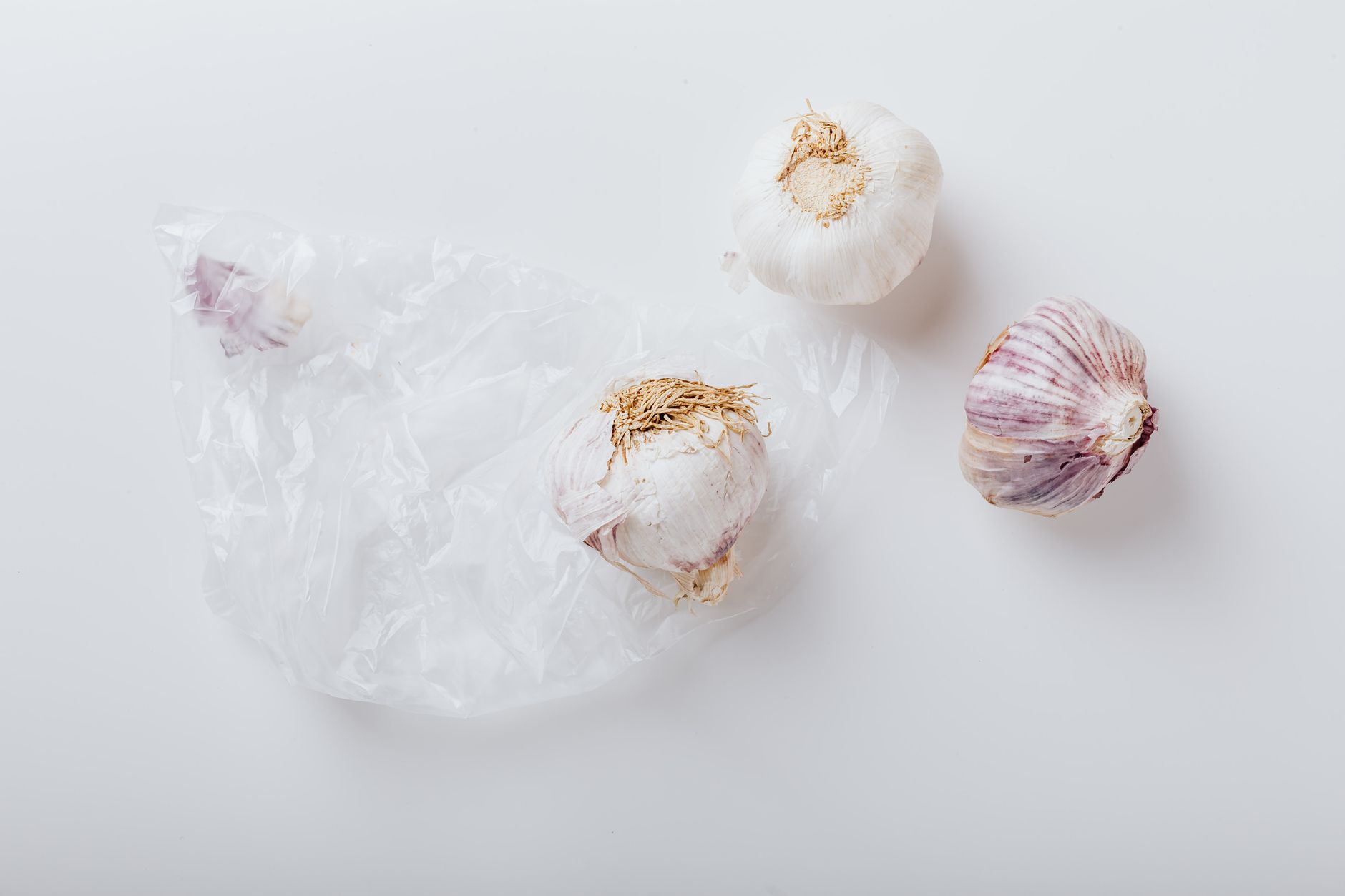
If you’re growing garlic in Colorado, your best bet is hardneck varieties, specifically Rocambole and Purple Stripe types. They handle the cold winters and short growing season better than softnecks, and they produce the rich, complex flavors that make homegrown garlic worth the effort. For most of the state (USDA zones 3 to 6), plant in late September to mid-October, about 4 to 6 weeks before the ground freezes solid. This gives the cloves time to root without sprouting above ground, which is key for a strong harvest next July.
Why hardneck garlic wins in Colorado
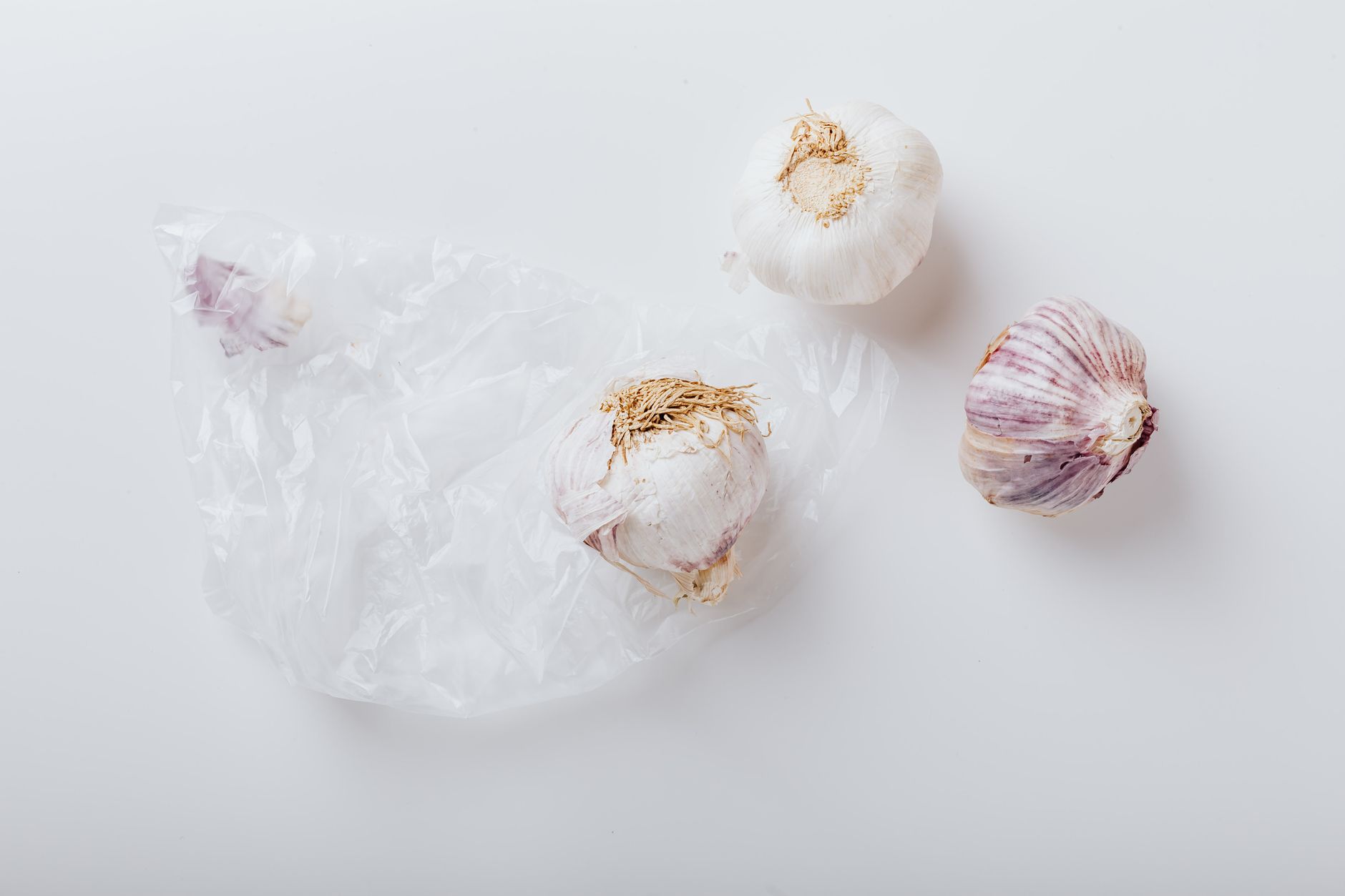
Colorado’s high altitude, intense sun, and dramatic temperature swings favor hardneck garlic. Hardnecks are more cold-hardy than softnecks, and they thrive in the state’s well-drained, often sandy or clay soils. They also produce a flower stalk (the scape) in early summer, which you can harvest and eat, a bonus that softnecks don’t offer. In my experience, Rocambole varieties like ‘German Red’ and ‘Spanish Roja’ are the most reliable, with bold, full-bodied flavor and good storage for a hardneck (about 4 to 6 months). Purple Stripes, such as ‘Chesnok Red’ and ‘Purple Glazer’, are slightly more heat-tolerant and have a milder, more nuanced taste, making them great for roasting.
If you’re in a warmer pocket, like the Front Range or lower elevations in zones 6 or 7, you can try softneck varieties like ‘California Early’ or ‘Inchelium Red’. They store longer (6 to 8 months) and are easier to braid, but they may not form as large bulbs
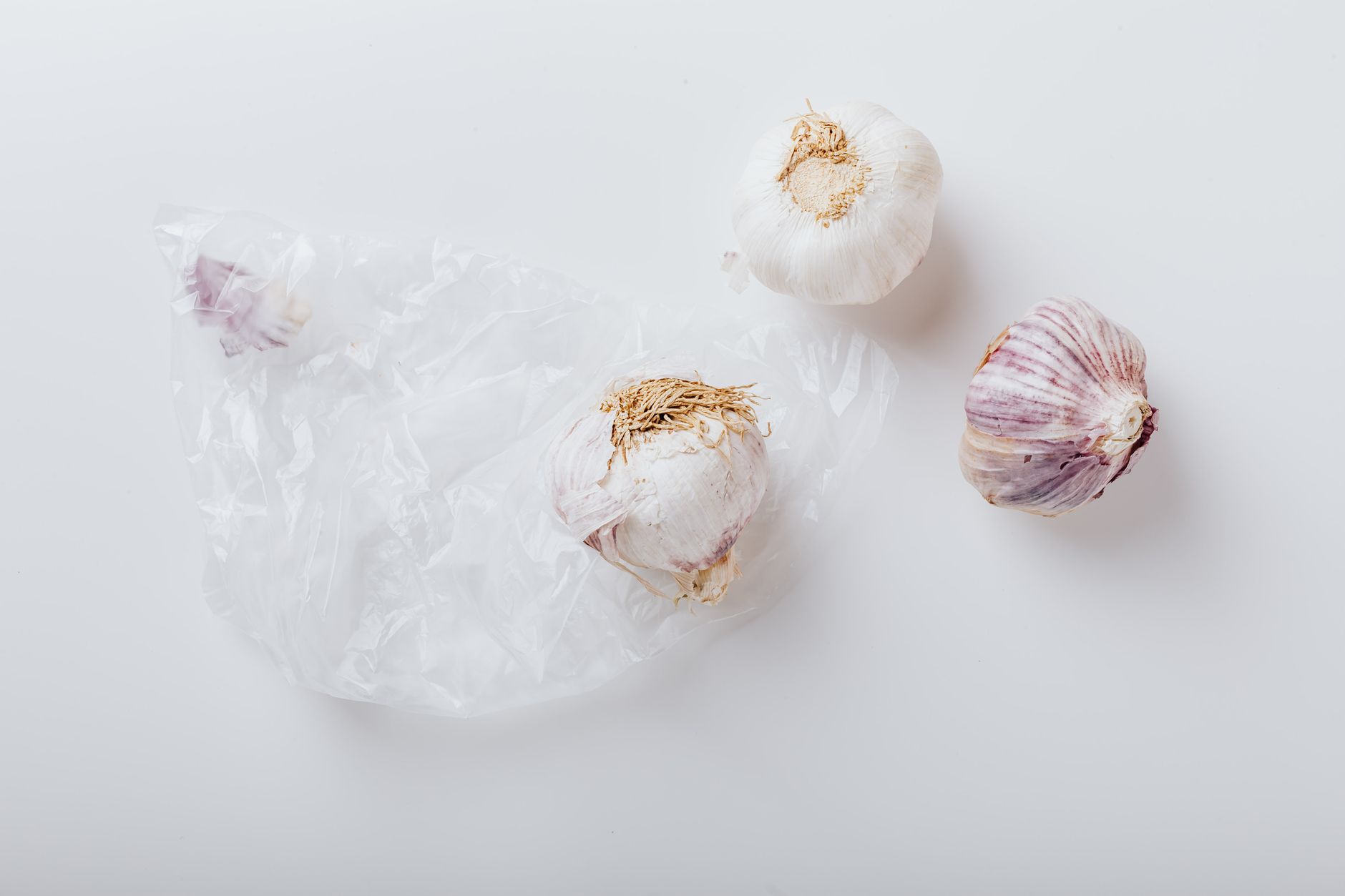 in Colorado’s short springs. Stick with hardnecks unless you have a specific need for long storage.
Planting dates and spacing for Colorado
Timing is everything. Plant too early, and the cloves may sprout before winter, leaving them vulnerable to freeze damage. Plant too late, and they won’t root enough to survive the deep cold. Here are the recommended planting windows by zone:
| USDA Zone | Planting Window | Harvest Time (next year) |
|---|---|---|
| 3 (e.g., Steamboat Springs) | Sept 15 - Oct 1 | Mid-July |
| 4 (e.g., Fort Collins, Boulder) | Sept 20 - Oct 10 | Late July |
| 5 (e.g., Denver, Colorado Springs) | Oct 1 - Oct 15 | Late July to early Aug |
| 6 (e.g., Grand Junction, Pueblo) | Oct 10 - Oct 25 | Early to mid-Aug |
In all zones, aim for soil temperatures around 50°F at planting depth. Use a soil thermometer to check; it’s a $10 tool that saves you from guessing.
Spacing: plant cloves 6 inches apart in rows 12 inches apart. Set each clove pointy side up, 2 to 3 inches deep, measured from the top of the clove to the soil surface. In heavier clay soils, go 2 inches deep; in sandy soils, 3 inches. After planting, mulch with 4 to 6 inches of straw or shredded leaves. This insulates the soil, prevents heaving during freeze-thaw cycles, and suppresses weeds come spring.
Soil preparation and fertilization
Garlic needs loose, fertile soil with a pH between 6.0 and 7.5. Before planting, work in 2 to 3 inches of compost and a balanced organic fertilizer, like a 4-4-4 or 5-5-5, at a rate of about 2 pounds per 100 square feet. Avoid fresh manure; it can burn roots and introduce pathogens. If your soil is heavy clay, consider raised beds or add coarse sand to improve drainage. Garlic hates wet feet, and Colorado’s clay can hold water, leading to rot.
In spring, when shoots emerge (usually March or April), side-dress with a nitrogen-rich fertilizer, such as blood meal or fish emulsion, at 1 pound per 100 square feet. Do this again in late April to support bulb development. Stop fertilizing once the scapes appear in June.
Watering and weed control
Garlic needs consistent moisture, especially during bulb formation in May and June. In Colorado’s dry climate, that means watering deeply once a week, about 1 inch of water, unless it rains. Use drip irrigation or a soaker hose to keep foliage dry and prevent fungal diseases. Mulch helps retain moisture, so keep it in place through the growing season.
Weeds compete for water and nutrients, so pull them as soon as they appear. Hand weeding is best; hoeing too deep can damage shallow roots. A thick mulch layer will cut down on most weeds, but you’ll still need to patrol.
Harvesting and curing
Harvest when the lower leaves turn brown but the upper leaves are still green, typically 3 to 4 weeks after scapes appear. Dig gently with a fork, being careful not to bruise the bulbs. Shake off excess soil, but don’t wash them. Cure in a dry, shaded, well-ventilated area, like a garage or shed, for 2 to 4 weeks. Hang them in bundles or lay them on a screen. Once the necks are dry and the outer skins are papery, trim the roots and cut the stems to about 1 inch above the bulb, or braid softnecks if you prefer.
Store cured garlic in a cool, dark place (50-60°F) with moderate humidity. Hardnecks will last 4 to 6 months; softnecks 6 to 8 months. Check periodically for soft spots or sprouts.
Varieties that perform best in Colorado
Based on trials from Colorado State University Extension and local growers, these are the top performers:
| Variety | Type | Flavor | Storage | Notes |
|---|---|---|---|---|
| German Red | Rocambole | Rich, spicy | 4-5 months | Large bulbs, easy to peel |
| Spanish Roja | Rocambole | Bold, earthy | 4-5 months | Heirloom, excellent for roasting |
| Chesnok Red | Purple Stripe | Sweet, mild | 5-6 months | Good for baking, stores well |
| Purple Glazer | Purple Stripe | Mild, slightly sweet | 5-6 months | Attractive purple stripes |
| California Early | Softneck | Mild | 6-7 months | Best for warmer zones, braidable |
| Inchelium Red | Softneck | Mild, slightly hot | 6-8 months | Long storage, good for raw eating |
You can buy seed garlic from local nurseries or reputable online suppliers like Keene Garlic or Filaree Farm. Expect to pay $10 to $15 per pound for seed stock, which plants about 50 to 60 cloves. For a 100-square-foot bed, you’ll need about 2 pounds, so $20 to $30. That’s a solid investment when a single head of gourmet garlic costs $2 to $3 at the store.
Common problems and how to avoid them
Garlic is relatively pest-free, but Colorado growers face a few challenges:
- Garlic rust: This fungal disease appears as orange spots on leaves. It thrives in cool, wet conditions. Prevent by spacing plants well, watering at the base, and rotating crops. If it appears, remove affected leaves and apply a copper fungicide.
- White rot: A soil-borne fungus that yellows leaves and rots bulbs. There’s no cure; avoid by not planting garlic in the same spot for at least 4 years and buying certified disease-free seed.
- Onion thrips: Tiny insects that suck sap, causing silvery streaks. Use insecticidal soap or neem oil if infestations are heavy. Good weed control helps.
- Bolting: Hardnecks naturally produce scapes; that’s normal. But if softnecks bolt, it’s stress-related. Keep watering consistent to avoid it.
FAQ
Can I grow garlic from grocery store bulbs?
Technically yes, but it’s risky. Grocery store garlic is often treated to prevent sprouting, and it may carry diseases. For reliable results, buy certified seed garlic from a reputable source.
When should I plant garlic in Colorado?
Plant in late September to mid-October, depending on your zone. Aim for 4 to 6 weeks before the ground freezes. Check your local frost dates and soil temperature.
How much garlic can I expect from a 100-square-foot bed?
With proper spacing, you can plant about 100 cloves in a 100-square-foot bed (10 rows of 10). Expect a harvest of 80 to 100 bulbs, or 8 to 10 pounds, depending on variety and conditions.
Do I need to water garlic in winter?
No. In most of Colorado, winter precipitation and snow provide enough moisture. Overwatering can cause rot. Check in early spring; if the soil is dry and there’s no snow, give a light watering.
The bottom line
For Colorado, choose hardneck varieties like German Red or Chesnok Red, plant them in late September to mid-October, and give them well-drained soil, consistent water, and a good mulch. With minimal effort, you’ll harvest flavorful bulbs that beat anything from the store. Start with a small bed this fall, and you’ll be hooked. Garlic is one of the easiest and most rewarding crops for Colorado gardeners, as long as you match the variety to your zone and give it what it needs.