Why are grain farms usually farther away
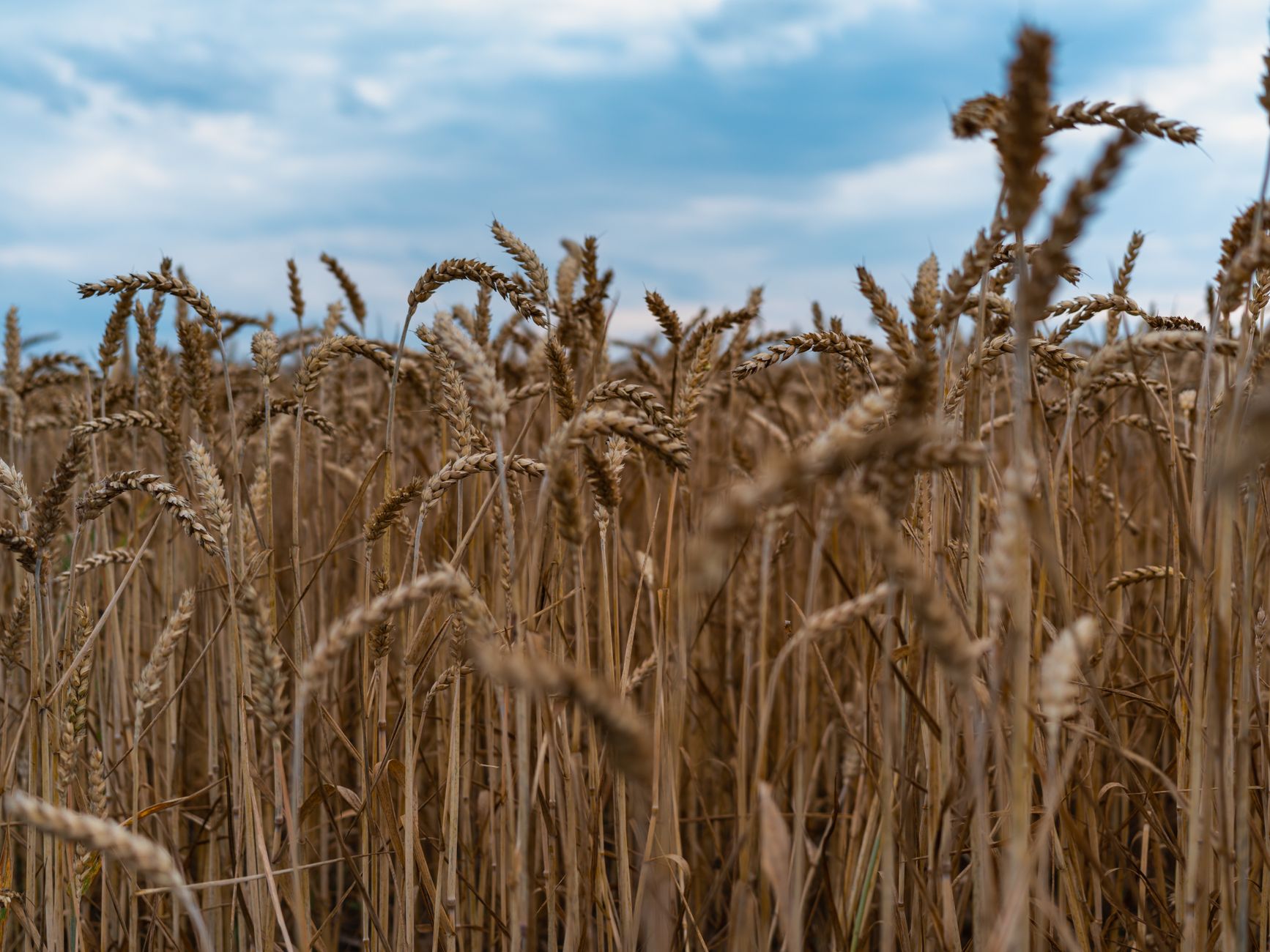
Discover why grain farms are typically located far from cities, the economics of land and transport, and what it means for homesteaders and gardeners.
Grain farms are usually farther away from cities because they need vast, flat, and relatively inexpensive land, which is rarely found near urban centers where land prices are high. Growing wheat, corn, or soybeans profitably requires hundreds or thousands of acres, and the profit per acre is thin, so farmers cannot afford to pay urban land prices. This article explains the economic and geographic reasons behind this pattern, and what it means for you if you’re a gardener, homesteader, or small farmer looking to source local grains.
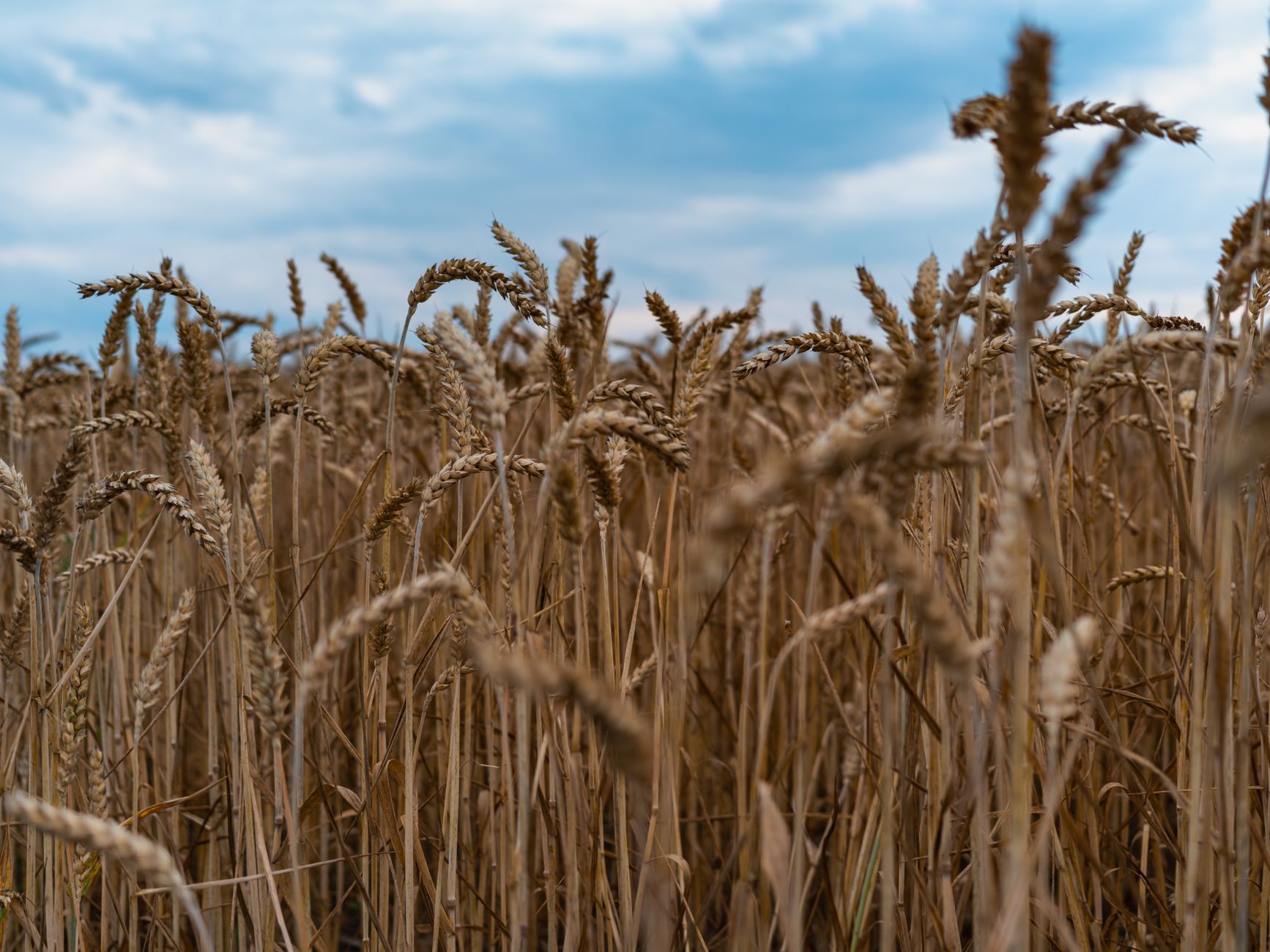
The economics of grain farming
Grain farming is a volume business. A typical wheat farm in the U.S. might yield 50 to 80 bushels per acre, and at $5 to $7 per bushel (2026 prices), that’s $250 to $560 per acre in revenue. After seed, fertilizer, fuel, equipment, and labor, the net profit is often $50 to $150 per acre. To make a living, a farmer needs at least 500 to 1,000 acres, often more. In contrast, a vegetable farm can gross $10,000 to $30,000 per acre with intensive practices, so it can survive on 5 to 10 acres near a city.
Land prices reflect this. Agricultural land within 50 miles of a major city can cost $10,000 to $20,000 per acre (2026), while prime grain land in the Midwest might be $5,000 to $8,000 per acre, and marginal land in the Plains can be under $2,000. Paying urban land prices
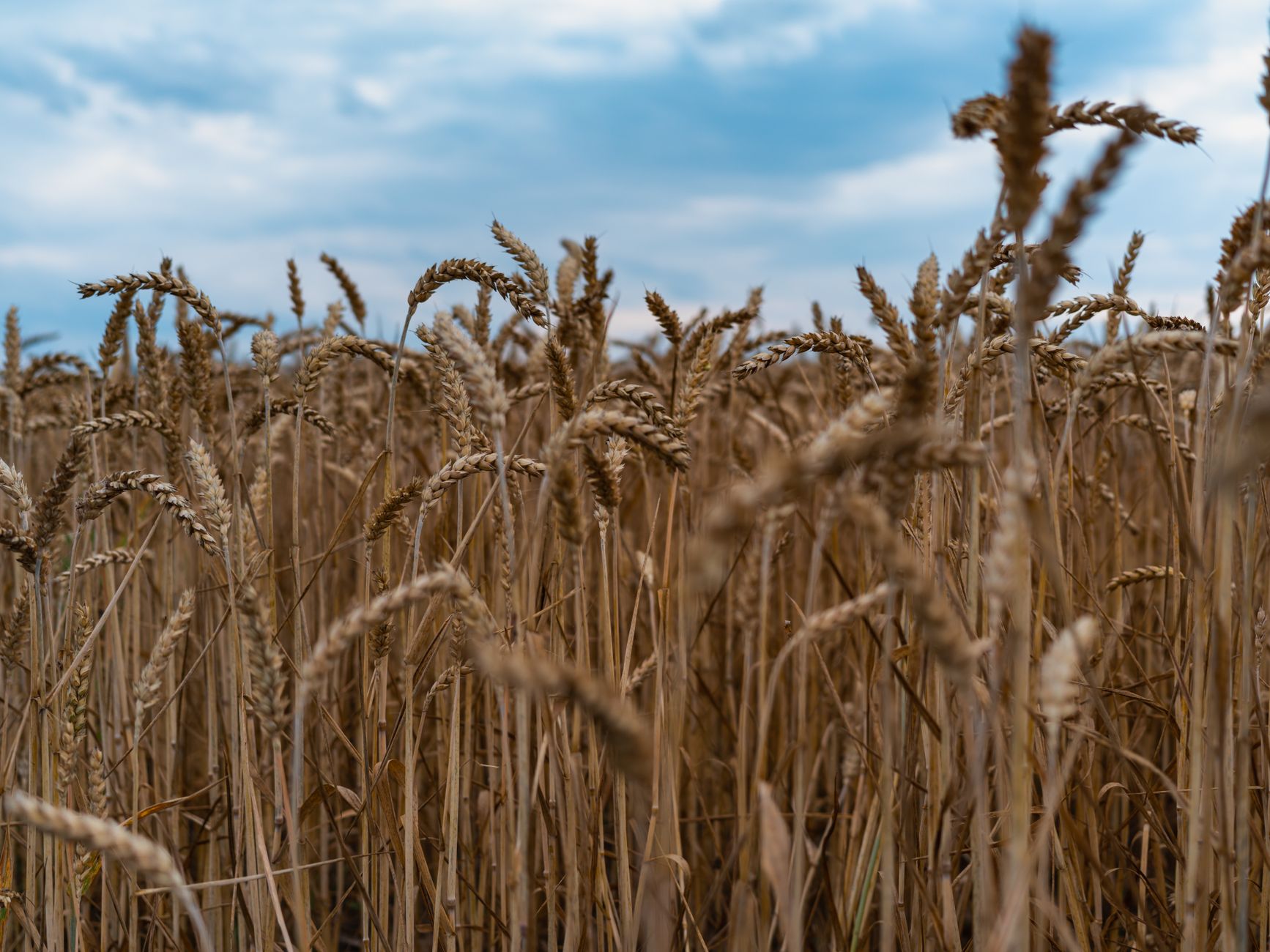 would make grain farming impossible, so grain farms push outward where land is cheaper and available in large tracts.
The need for large, flat fields
Grain farming relies on large machinery: combines, tractors, and grain carts. A modern combine is 30 to 40 feet wide and costs $400,000 to $700,000. To justify that investment, you need long, straight rows and big fields. Irregular, hilly, or fragmented land near cities is inefficient. Also, grains like wheat and corn need full sun and well-drained soil, which is more common in rural areas with fewer trees and less shade.
Transportation and infrastructure
Grain is heavy and bulky. A semi-truck can haul about 1,000 bushels of wheat (60,000 pounds). Moving grain long distances is expensive, but it’s still cheaper than moving it from small, scattered fields. Grain farms are often located near rail lines, interstate highways, or river barges to get their crop to market. These corridors are rarely in urban cores. For example, the majority of U.S. corn and soybeans are grown in the Corn Belt (Iowa, Illinois, Indiana), which is hundreds of miles from major cities like Chicago or New York.
What this means for homesteaders and gardeners
If you want to grow your own grain on a small scale, you can, but it’s not efficient. A 100-square-foot plot of wheat might yield 5 to 10 pounds of grain, enough for a few loaves of bread. You’ll spend more time and money than buying flour, but it can be rewarding for specialty varieties. For larger homesteads (1 to 5 acres), you can grow enough for your family’s bread and animal feed, but you’ll need to invest in a small grain drill, a combine or a scythe, and a thresher. Expect to pay $500 to $2,000 for used small-scale equipment.
If you want to buy local grain, look for farms within 100 miles that sell directly to consumers. Many will sell 50-pound bags of wheat berries for $15 to $25 (2026). You can also join a grain CSA or co-op. But don’t expect to find a grain farm next to a suburban subdivision; it’s just not economically viable.
Practical steps you can take this week
- Assess your space: Measure your available land. Even a 10x10 foot plot can grow a small test patch of grain.
- Choose a variety: For spring wheat, try ‘Glenn’ or ‘Red Fife’. For winter wheat, ‘Hard Red Winter’ or ‘Soft White’. For corn, ‘Painted Mountain’ or ‘Blue Clarage’. For oats, ‘Hulless’ varieties like ‘Streaker’.
- Get a soil test: Your local extension office offers tests for $10 to $20. Grains prefer pH 6.0 to 7.0.
- Plant at the right time: In USDA zones 3-5, plant winter wheat in September to October; spring wheat in April to May. In zones 6-8, plant winter wheat in October to November; spring wheat in February to March.
- Use the right tools: For small plots, a hand-crank seeder like the Earthway 1001-B ($40 to $60) works. For harvest, a scythe or a small sickle bar mower. For threshing, a plastic tarp and a flail, or a small pedal-powered thresher ($200 to $400).
FAQ
Can I grow grain in my backyard garden? Yes, you can grow a small patch of wheat or oats, but yields will be low. A 100-square-foot plot might give you 5 to 10 pounds of grain, which is enough for a few loaves of bread. It’s more of a novelty than a staple.
Why is grain so cheap in stores? Because it’s grown on massive farms with economies of scale, and the price is subsidized by government programs and global trade. A loaf of bread costs less than $3, but the wheat in it is only about 10 cents.
Is it worth growing my own grain? For most homesteaders, no, unless you value the experience or want a specific heirloom variety. It’s cheaper to buy organic wheat berries in bulk. But if you have the space and time, it can be a satisfying project.
What about community-supported agriculture (CSA) for grains? Some CSAs offer grain shares. You pay upfront for a season’s worth of wheat, corn, or oats, and pick it up at a local farm or drop-off point. This supports local farmers and gives you fresh, local grain.
The bottom line
Grain farms are far away because they need cheap land, large fields, and efficient transport, all of which are found in rural areas. For gardeners and homesteaders, this means you can either buy grain from afar or grow a small amount yourself, but don’t expect to replicate the economics of a commercial grain farm. If you want to try, start small, choose the right variety for your zone, and be prepared for a labor-intensive but rewarding experience.