Why are factory farms bad
Factory farms harm animals, the environment, and rural communities. Learn the real costs and practical steps to avoid supporting them.
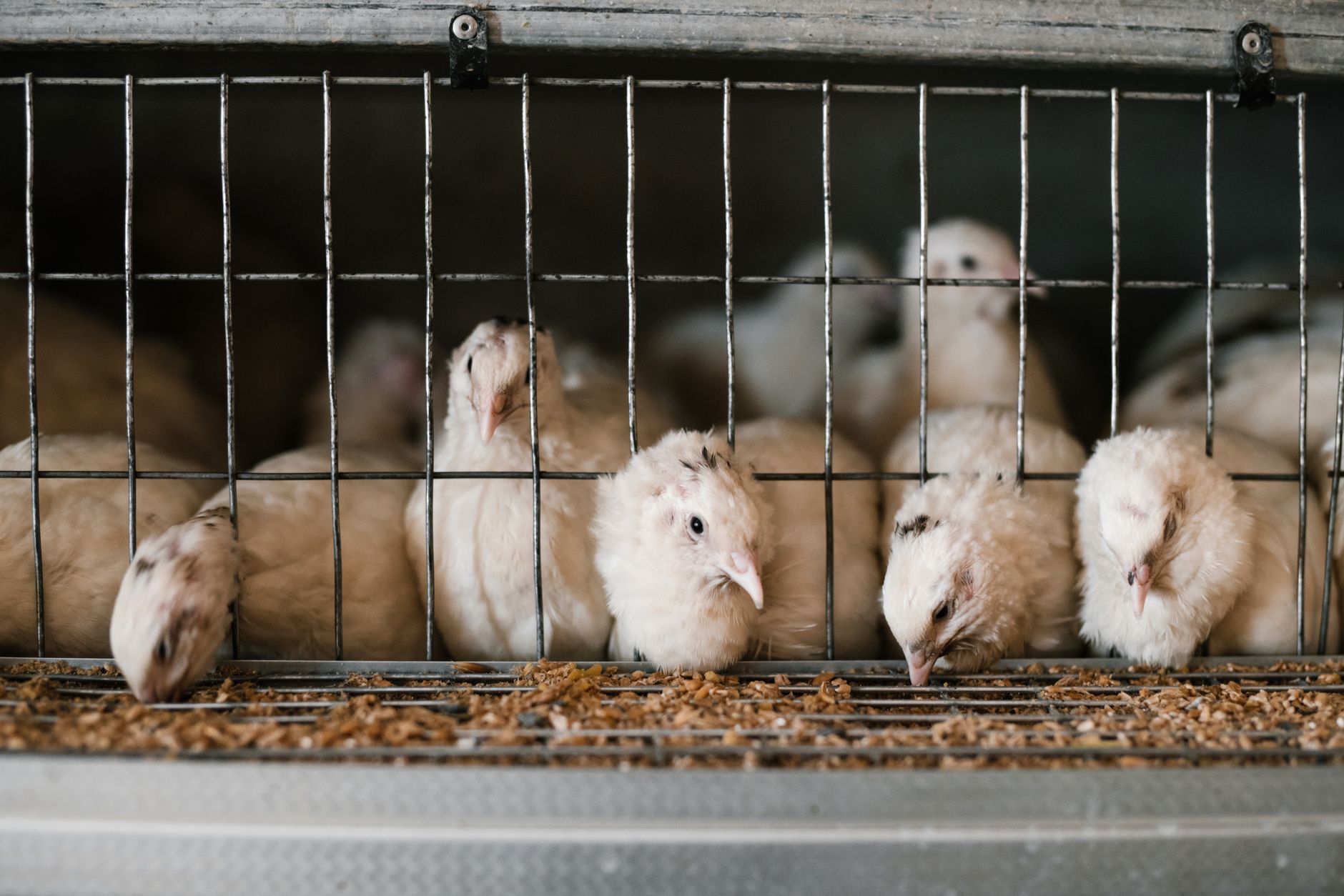
Factory farms, also known as concentrated animal feeding operations (CAFOs), are bad because they concentrate thousands of animals in tight quarters, leading to severe animal suffering, environmental degradation, and public health risks. They also undermine local economies and food security. If you’re a gardener or homesteader, you already have tools to push back. Here’s what you need to know and what to do this week.
The animal welfare problem
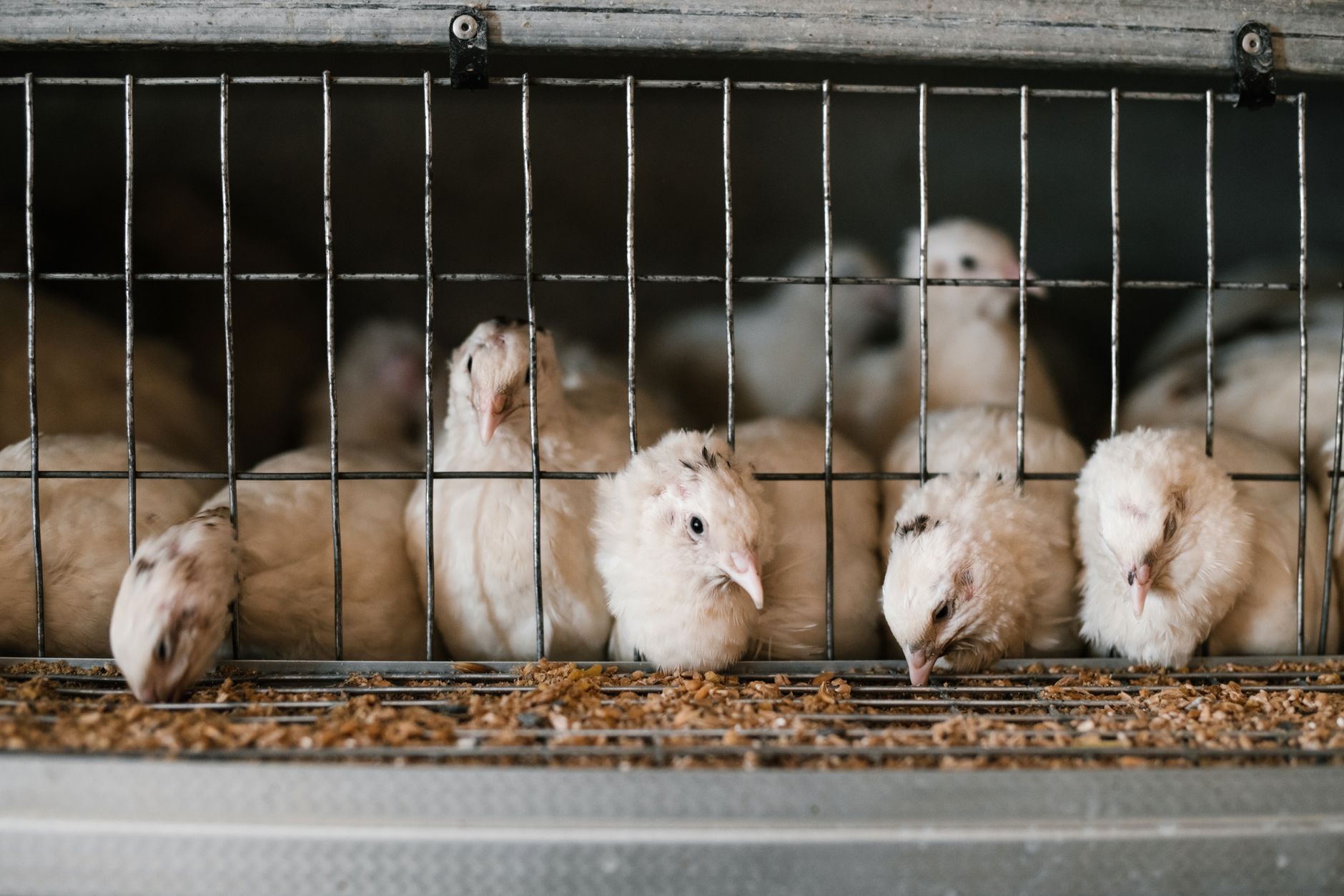
In a CAFO, animals are treated as production units, not living beings. Egg-laying hens are often kept in battery cages with less space than a sheet of paper per bird. Pigs are confined to gestation crates so narrow they cannot turn around. Beef cattle stand on concrete slats over manure pits. These conditions cause physical and psychological distress, leading to injuries, disease, and abnormal behaviors like tail-biting and feather-pecking.
Even “cage-free” and “free-range” labels can be misleading. Cage-free hens still live indoors in massive flocks, often with beak trimming. Free-range may mean a small door to a concrete pad, not pasture.
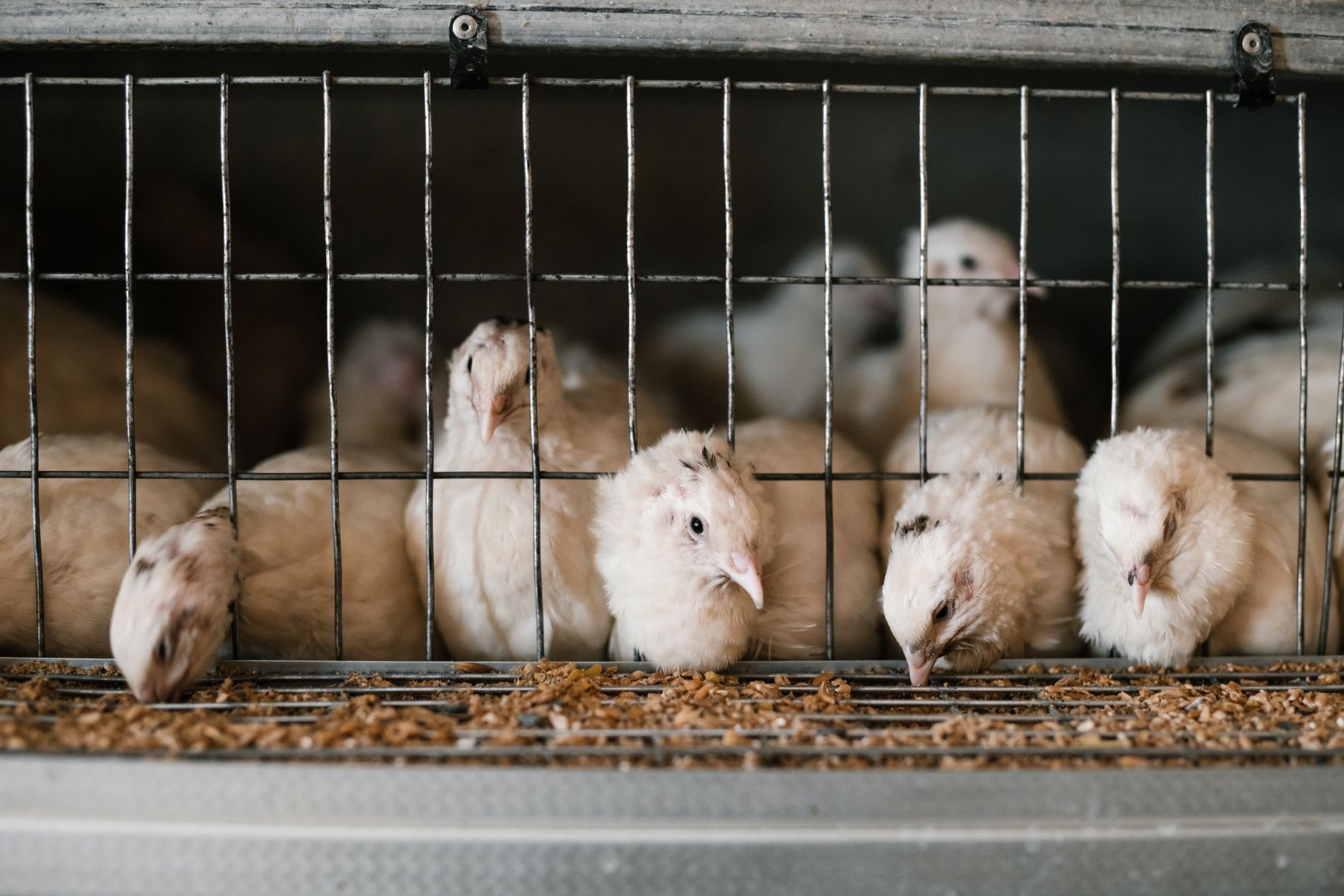 If you want truly humane eggs, look for pasture-raised, or better yet, raise your own.
Environmental damage
Factory farms generate enormous amounts of manure, far more than the surrounding land can absorb. For example, a 5,000-head hog operation produces as much waste as a city of 20,000 people, but without a sewage treatment plant. This manure is stored in open lagoons that can leak or overflow, contaminating groundwater and nearby streams with nitrogen, phosphorus, and pathogens. The result: algal blooms, dead zones in waterways, and polluted drinking water.
They also consume massive resources. It takes about 1,800 gallons of water to produce one pound of beef from a CAFO, versus around 300 gallons for pasture-raised beef. Feed crops like corn and soy are grown with synthetic fertilizers and pesticides, further taxing soil and water.
Public health risks
The crowded, unsanitary conditions in CAFOs are breeding grounds for disease. Antibiotics are routinely fed to healthy animals to promote growth and prevent illness, which drives antibiotic resistance. The CDC estimates that at least 2.8 million antibiotic-resistant infections occur in the U.S. each year, with over 35,000 deaths. CAFOs also emit ammonia, hydrogen sulfide, and particulate matter, harming the respiratory health of workers and nearby residents.
Economic and community harm
Factory farms often drive small family farms out of business by undercutting prices. They also concentrate wealth: in 2026, a typical CAFO can cost $1 million to $5 million to build, while a small pasture-based farm might start at $50,000. Rural communities near CAFOs see property values drop, and they bear the cost of cleaning up pollution and treating health issues.
What you can do this week
You don’t have to wait for policy change. Here are five concrete steps you can take now:
-
Buy from local farmers. Visit a farmers market or join a CSA. Ask how animals are raised. Look for “pasture-raised” and “grass-fed” labels, but verify by visiting the farm if possible. Expect to pay $6 to $10 per dozen for pasture-raised eggs, versus $3 to $4 for conventional.
-
Start a backyard flock. If you have space, raising 3 to 5 hens is manageable. A small coop kit costs $300 to $600, and hens cost $5 to $20 each. You’ll get fresh eggs and know exactly how they lived.
-
Grow your own vegetables. Even a 4x8 raised bed can produce 50 to 100 pounds of produce per season. That’s less reliance on industrial agriculture.
-
Support policy change. Write to your state representatives about CAFO regulations. Support local ordinances that require setbacks from homes and schools.
-
Educate others. Share this article, or host a farm tour. The more people know, the more they can make informed choices.
A realistic look at alternatives
Pasture-raised meat and eggs are more expensive, and that’s a fact. A pasture-raised chicken costs $5 to $8 per pound, versus $2 to $3 for conventional. But you’re paying for better animal welfare, better nutrition (pasture-raised eggs have more omega-3s), and less environmental harm. If budget is tight, use meat as a side dish, not the main event.
For homesteaders, consider heritage breeds that thrive on pasture, like Red Rangers for meat chickens or Australorps for eggs. They grow slower than industrial breeds but are hardier and tastier.
FAQ
Q: Are all large farms bad? No. Size isn’t the problem; practices are. Some large farms use rotational grazing and humane handling. Look for certifications like Animal Welfare Approved or Certified Humane, which have stricter standards.
Q: Can I trust labels like “organic”? Organic means no antibiotics or hormones, and organic feed, but it doesn’t guarantee pasture access. For meat, “100% grass-fed” is better. For eggs, “pasture-raised” is the label to seek.
Q: How much land do I need to raise my own meat? For a small flock of 10 meat chickens, you need about 100 square feet of pasture if you rotate them daily. For a family cow, you need 2 to 5 acres of good pasture. Start small.
Q: What’s the cheapest way to start? Begin with a few hens. A used coop can be found for $100 to $200, and hens cost $5 each. You’ll break even on egg costs within a year if you eat eggs regularly.
The bottom line
Factory farms are bad for animals, the environment, your health, and rural communities. But you have power as a consumer and a grower. Every dollar you spend on local, pasture-raised food supports a better system. Every plant you grow reduces demand for industrial crops. Start small, ask questions, and vote with your fork. It’s not about being perfect; it’s about making better choices one meal at a time.