When to plant pumpkins in oregon
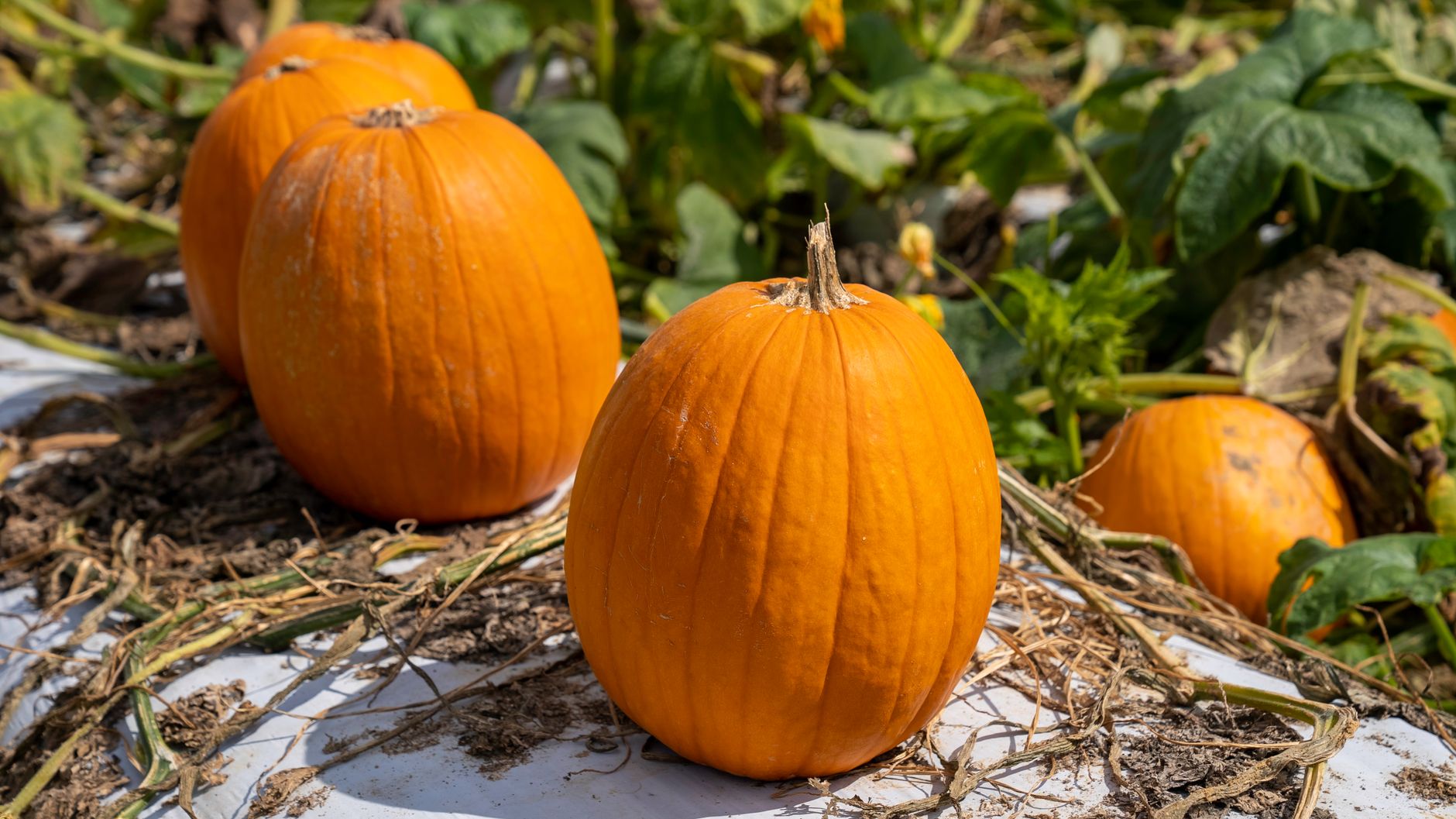
Learn the best time to plant pumpkins in Oregon by zone, with variety picks, soil prep, and a month-by-month calendar for a fall harvest.
In Oregon, plant pumpkins from late May to early July, depending on your zone and the variety’s days to maturity. For most of the state, aim for May 25 to June 15, but coastal and high-elevation areas may need to wait until early July. The key is to give pumpkins at least 75 to 120 frost-free days, so count back from your first fall frost date (usually late October in the Willamette Valley, early October east of the Cascades).
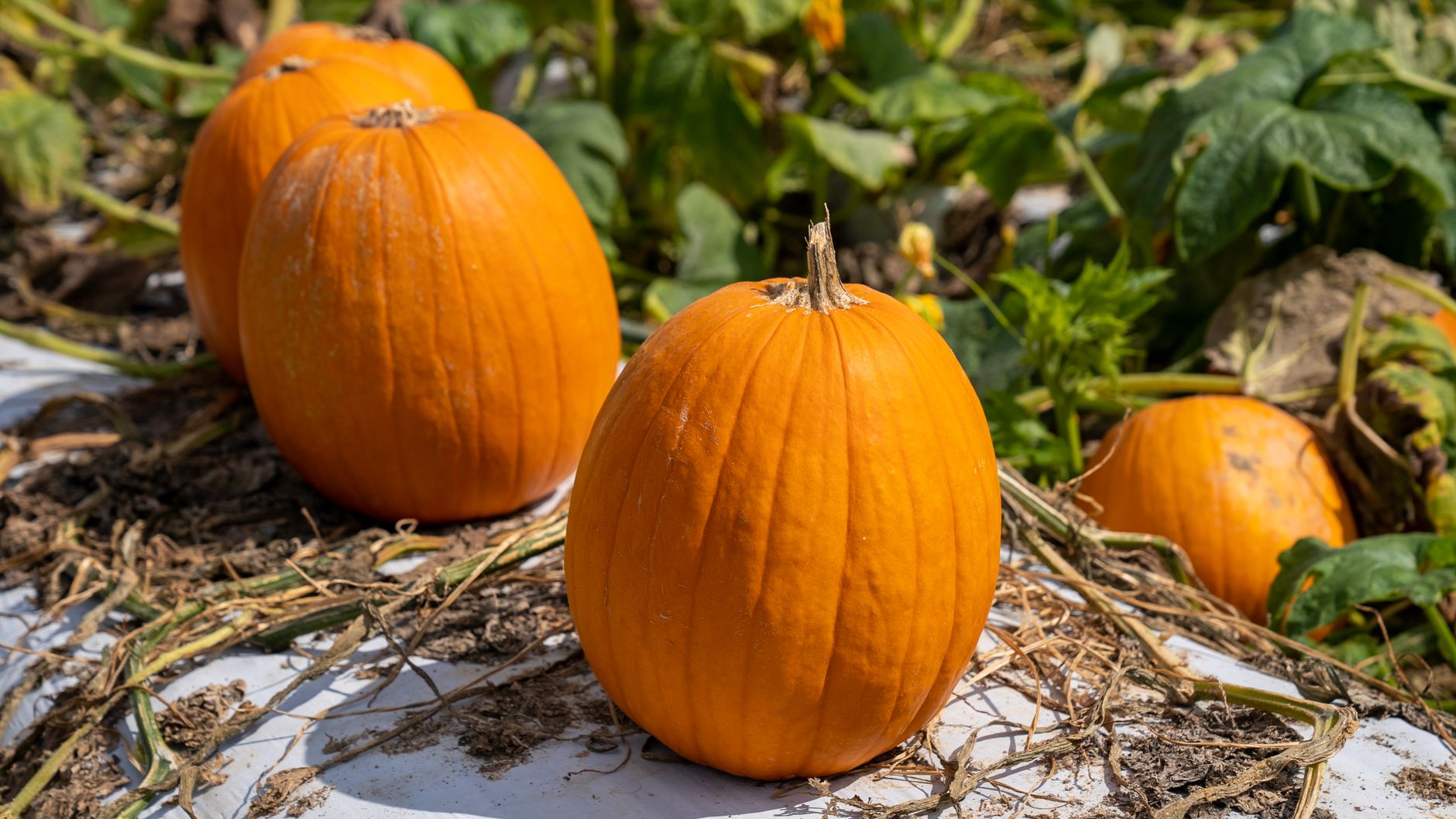
Know your Oregon planting zone
Oregon spans USDA zones 4b to 9b, so timing varies widely. Check your zone first, then use these general windows:
| Zone | Typical last frost | First fall frost | Planting window |
|---|---|---|---|
| 4b-5b (e.g., Bend, La Grande) | June 1-15 | Late September | June 1-15 |
| 6a-6b (e.g., Portland, Salem) | April 15-May 1 | Late October | May 25-June 10 |
| 7a-7b (e.g., Medford, Roseburg) | April 1-15 | Late October | May 20-June 5 |
| 8a-9b (e.g., Brookings, coastal) | March 1-15 | November | June 1-July 1 |
If you’re in a cooler zone, choose short-season varieties (75-85 days) and start see
 ds indoors. In warmer zones, you can plant later, but pumpkins still need 3-4 months of warm weather.
Choose the right variety for your area
Not all pumpkins mature at the same rate. For Oregon, pick varieties that fit your growing season:
- Short season (75-85 days): ‘Early Frost’ (75 days), ‘Baby Bear’ (85 days), ‘Small Sugar’ (85 days). These work for zones 4-6.
- Mid season (85-100 days): ‘Howden’ (90 days), ‘Autumn Gold’ (90 days), ‘Jack O’ Lantern’ (95 days). Good for zones 6-7.
- Long season (100-120 days): ‘Atlantic Giant’ (120 days), ‘Big Max’ (110 days). Only for zones 8-9 or with a long, warm fall.
For coastal areas with cool summers, stick to short-season varieties and use black plastic mulch to warm the soil.
Prepare your soil before planting
Pumpkins need rich, well-drained soil with a pH of 6.0 to 6.8. In Oregon, many gardens have clay or acidic soil, so amend before planting:
- Test your soil (a simple kit costs $10-$20 at garden centers).
- Add compost (2-3 inches) and a balanced fertilizer like 10-10-10 (about 1 pound per 100 square feet).
- If your soil is heavy clay, mix in perlite or coarse sand to improve drainage.
- Warm the soil with black plastic mulch a week before planting, especially in zones 4-6.
Start seeds indoors or direct sow?
In Oregon, you can start seeds indoors 3-4 weeks before your last frost date, or direct sow after the soil reaches 60°F. Here’s how:
- Indoors: Use 4-inch pots with seed-starting mix. Plant 2 seeds per pot, 1 inch deep. Keep at 70-80°F, and thin to the strongest seedling. Harden off for 7-10 days before transplanting.
- Direct sow: Wait until soil temperature is at least 60°F. Plant seeds 1 inch deep, 2-3 seeds per hill, then thin to 1-2 plants per hill.
For most Oregon gardeners, direct sowing is easier and avoids transplant shock. But if you have a short season, start indoors to gain 2-3 weeks.
Planting steps and spacing
Pumpkins need room to sprawl. Give each plant 4-6 feet of space in all directions. Here’s a step-by-step:
- Make hills (mounds of soil) 4-6 feet apart. Each hill should be 12 inches wide and 4-6 inches high.
- Plant 2-3 seeds per hill, 1 inch deep.
- Water thoroughly after planting, then keep the soil moist but not soggy.
- Thin to the strongest 1-2 plants per hill once seedlings have 2 true leaves.
- Mulch with straw or shredded leaves to retain moisture and suppress weeds.
If you’re short on space, you can trellis smaller varieties like ‘Baby Bear’ or ‘Sugar Pie’, but you’ll need to support the fruit with slings.
Watering and fertilizing through the season
Pumpkins need consistent moisture, especially during flowering and fruit set. In Oregon, summer dry spells are common, so plan to water deeply once or twice a week, providing 1-2 inches of water per week. Use drip irrigation or a soaker hose to avoid wetting the leaves, which can lead to powdery mildew.
Fertilize every 3-4 weeks with a high-phosphorus fertilizer (like 5-10-10) once vines start to run. Avoid high-nitrogen fertilizers, which produce more leaves than fruit.
Harvest timing and storage
Pumpkins are ready when the rind is hard and the stem begins to dry and crack. Use a sharp knife to cut the stem, leaving 3-4 inches attached. Cure them in the sun for 10-14 days, then store in a cool, dry place (50-60°F) for up to 3 months.
In Oregon, harvest usually happens in September or October, just before the first hard frost. If frost threatens, pick pumpkins even if not fully mature; they’ll still store for a few weeks.
FAQ
Can I plant pumpkins in July in Oregon? Yes, but only in zones 8-9 with short-season varieties. In cooler zones, July planting risks immature fruit before frost. If you must plant late, choose a 75-day variety like ‘Early Frost’ and use row covers to extend the season.
What’s the best pumpkin for Oregon’s climate? For most of the state, ‘Howden’ or ‘Autumn Gold’ are reliable. In coastal areas, ‘Small Sugar’ handles cool summers better. For competitive growers, ‘Atlantic Giant’ works only in the Rogue Valley with a long, warm fall.
Should I start seeds indoors or direct sow? Direct sowing is simpler and works well if you plant after the last frost. Indoors gives you a head start, which is helpful in zones 4-5. Just don’t start too early; 3-4 weeks before planting is enough.
How do I know when to plant in my specific town? Check your local extension service’s frost dates. For example, Portland’s last frost is around April 15, so plant around May 25. In Bend, last frost is June 1, so plant in early June. Always count back from your first fall frost date.
The bottom line
Plant pumpkins in Oregon from late May to early July, based on your zone and variety. Choose short-season types for cooler areas, prepare your soil with compost, and give plants plenty of space. With the right timing and care, you’ll have pumpkins ready for carving or cooking by fall. Start by checking your frost dates and picking a variety that fits your season, then get those seeds in the ground when the soil warms up.