When to plant corn
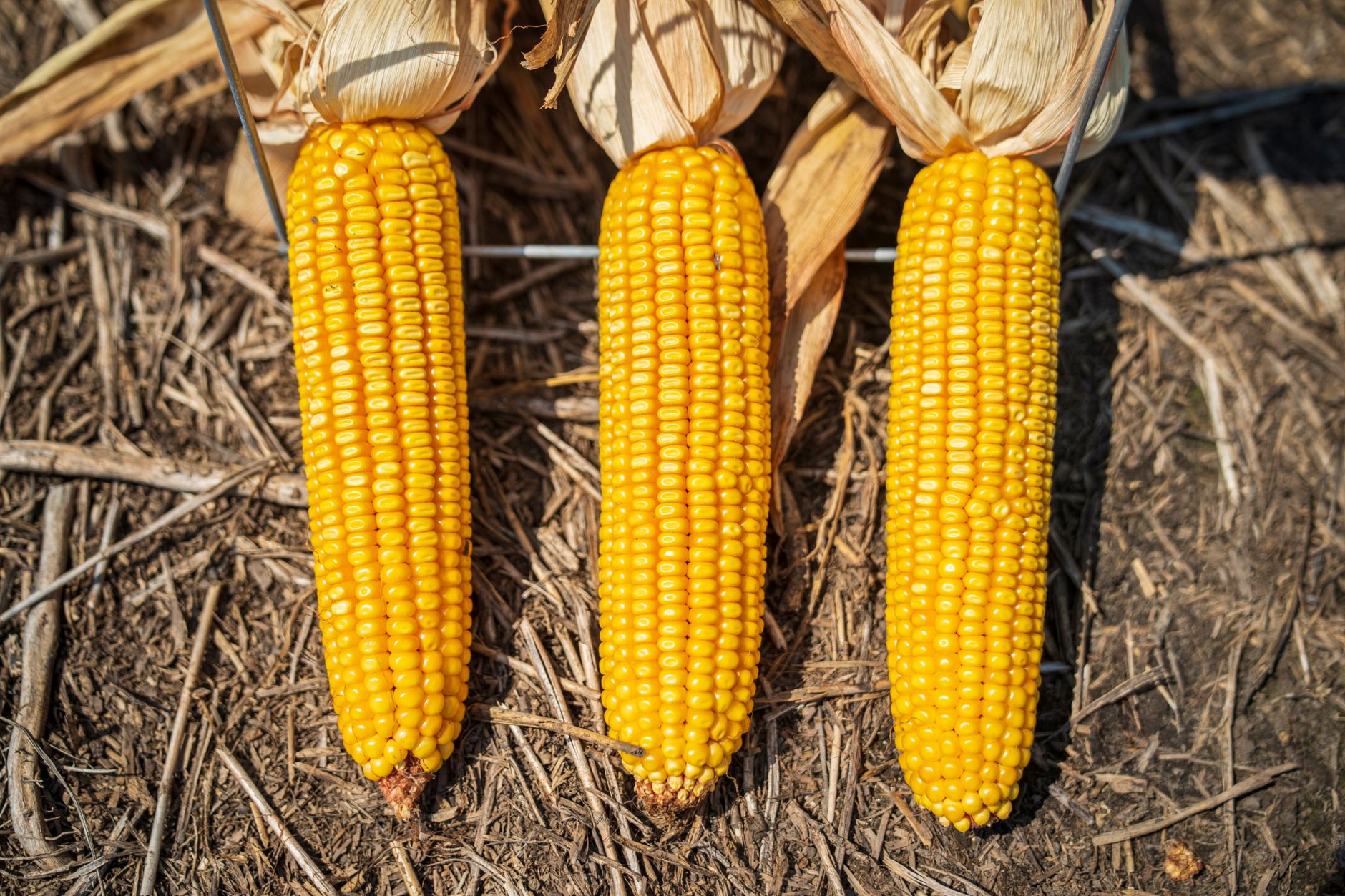
Learn the exact timing for planting corn by USDA zone, with soil temperature targets, variety choices, and step-by-step guidance for a successful crop.
Plant corn after the last frost date and when soil temperature reaches 50°F (10°C) for standard sweet corn, but for best germination wait until 60°F (15°C). In most regions, this falls between late April and late May, but your exact window depends on your USDA zone. Read on for a zone-by-zone schedule, variety recommendations, and practical tips to get your corn off to a strong start.
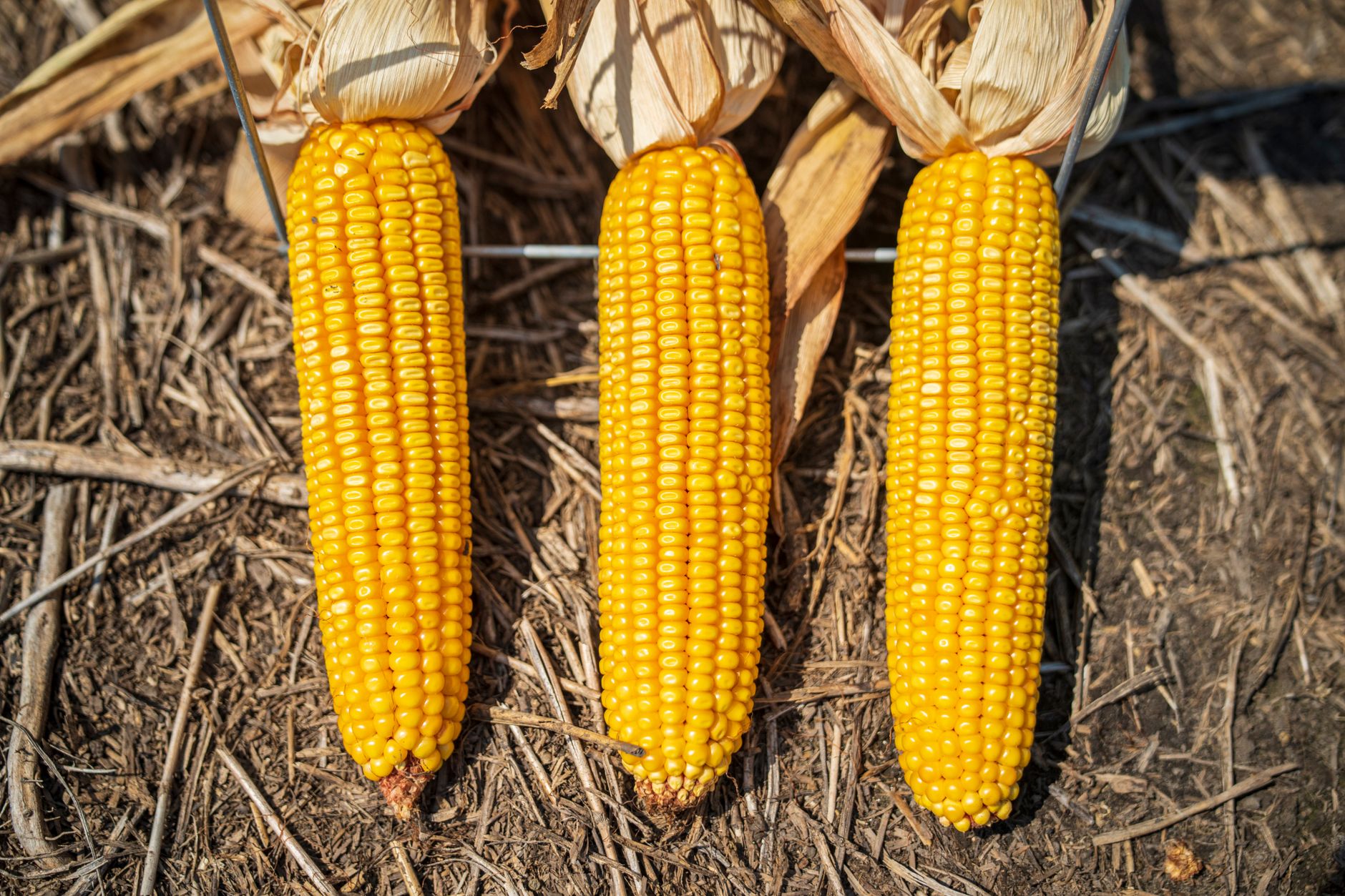
Why timing matters
Corn is warm-season and frost-sensitive. Planting too early in cold, wet soil leads to poor germination and rot. Planting too late risks heat stress during pollination, which reduces kernel fill. The goal is to have corn silk emerge before the hottest part of summer,
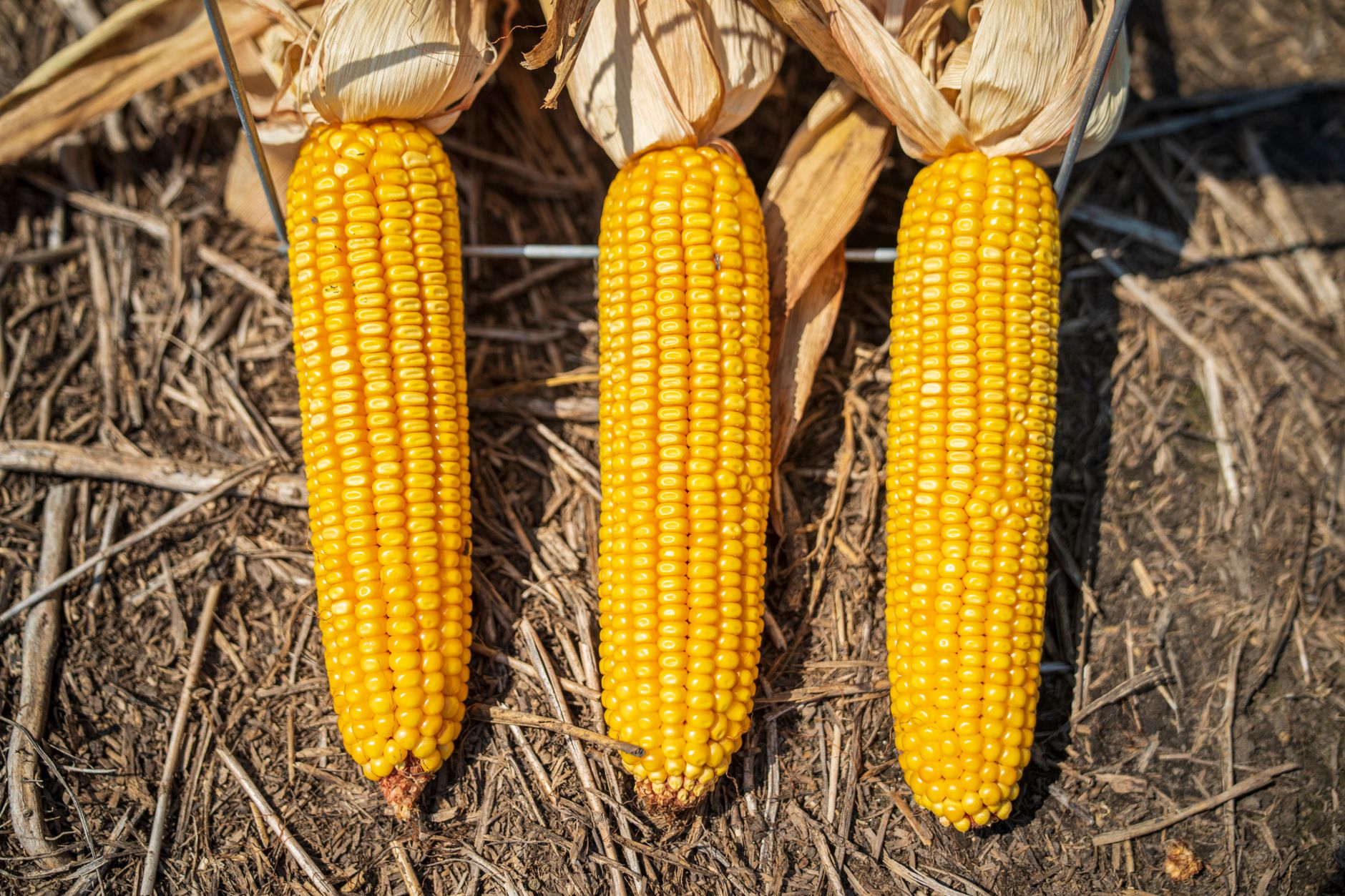 so timing is a balance between avoiding frost and avoiding extreme heat.
Soil temperature: the real rule
Forget the calendar alone. Use a soil thermometer (available for $10 to $15 at garden centers) to check the temperature at 2 inches deep, in the morning. Standard sweet corn needs at least 50°F (10°C) for germination, but 60°F (15°C) is better for uniform emergence. Supersweet varieties (sh2) require warmer soil, at least 60°F, because they are more fragile. If the soil is too cold, seeds can rot before they sprout.
Planting dates by USDA zone
Here are typical planting windows for 2026, based on average last frost dates and soil warming patterns. Adjust for your local microclimate and check your county’s extension service for specific dates.
| USDA Zone | Last Frost Date (approx.) | Safe Planting Window | Notes |
|---|---|---|---|
| 3 | May 15 - June 1 | May 20 - June 10 | Soil warms slowly; use black plastic to warm soil earlier. |
| 4 | May 10 - May 20 | May 15 - June 5 | Plant after soil reaches 60°F. |
| 5 | April 20 - May 10 | May 1 - May 20 | Ideal window; watch for late frosts. |
| 6 | April 10 - April 25 | April 20 - May 10 | Can plant earlier if soil is warm. |
| 7 | March 20 - April 10 | April 1 - April 20 | Early planting possible; use cold-tolerant varieties. |
| 8 | March 1 - March 20 | March 15 - April 10 | Plant early, but be ready to protect from late cold snaps. |
| 9 | February 1 - March 1 | February 15 - March 15 | Two crops possible: spring and late summer. |
| 10 | No frost | Year-round | Plant in fall and winter for best quality. |
If you miss the ideal window, you can still plant until about 8 to 10 weeks before your first fall frost date, as long as temperatures remain above 50°F at night.
Staggered planting for a longer harvest
Instead of planting all your corn at once, plant in blocks every 2 to 3 weeks. For example, in Zone 5, plant the first block on May 1, the second on May 15, and the third on June 1. This gives you a continuous harvest from late July through September. Each block should be at least 4 rows wide, because corn is wind-pollinated and needs close neighbors for good kernel set.
Choosing the right varieties
Different types of corn have different maturity times and cold tolerance. Here are reliable varieties for 2026:
- Early, cold-tolerant standard sweet corn: ‘Early Sunglow’ (65 days), ‘Spring Treat’ (70 days). These are good for northern zones or early planting.
- Main-season standard sweet corn: ‘Silver Queen’ (92 days) is a classic white corn, but it needs a long, warm season. ‘Peaches and Cream’ (75 days) is a bicolor favorite.
- Supersweet (sh2): ’Honey ‘n Pearl’ (78 days) and ‘Illini Gold’ (85 days) have higher sugar content and hold sweetness longer after harvest, but they need warm soil and isolation from other corn to avoid starchiness.
- Flint or flour corn for grinding: ‘Glass Gem’ (110 days) is a stunning ornamental and flour corn, but it requires a long season. For northern areas, try ‘Painted Mountain’ (85 days), a hardy flint corn.
Check the days to maturity on the seed packet and count backward from your first fall frost to ensure the corn has enough time to ripen.
How to plant: step by step
- Prepare the soil: Corn thrives in well-drained, fertile soil with a pH between 6.0 and 6.8. Work in 2 to 3 inches of compost or aged manure before planting. If you haven’t tested your soil, a simple test kit costs $10 to $20.
- Plant seeds: Sow seeds 1 to 2 inches deep, depending on soil moisture. In dry soil, plant 2 inches deep; in moist soil, 1 inch is enough. Space seeds 9 to 12 inches apart in rows that are 30 to 36 inches apart. For block planting, space rows 30 inches apart and plant seeds 9 inches apart in the row.
- Water well: After planting, water the area thoroughly. Corn needs about 1 inch of water per week, more during pollination.
- Fertilize: Side-dress with a nitrogen fertilizer (like blood meal or a 10-10-10) when the plants are 12 inches tall, and again when tassels appear. Follow package rates.
- Thin seedlings: When seedlings are 4 inches tall, thin to one plant every 12 inches. Overcrowding reduces yield.
Common mistakes to avoid
- Planting too early: Cold, wet soil causes seed rot. Wait for the soil to reach 60°F for best results.
- Planting a single long row: Corn pollinates better in blocks of at least 4 rows. A single row will have poor kernel fill.
- Ignoring maturity days: If you have a short season, choose varieties under 85 days.
- Skipping soil preparation: Corn is a heavy feeder. Poor soil leads to stunted plants and small ears.
FAQ
Can I plant corn before the last frost date?
You can plant seeds 2 weeks before the last frost if the soil is workable and at least 50°F, but be prepared to cover seedlings with row cover or plastic if a frost is forecast. Seedlings can tolerate light frosts, but a hard freeze will kill them.
How do I know if my soil is warm enough?
Use a soil thermometer. Insert it 2 inches deep in the morning, and check the reading. For standard sweet corn, 50°F is the minimum, but 60°F is ideal. For supersweet varieties, wait for 60°F.
What if I plant late, like in June?
In most zones, planting in early June is still fine, but choose a shorter-season variety (under 80 days) to ensure it matures before fall. In hot southern zones, late planting may mean pollination occurs during extreme heat, which can reduce yields. In that case, plant a heat-tolerant variety like ‘Silver Queen’ or ‘Early Sunglow’.
Can I plant corn in containers?
Yes, but it’s tricky. Use a large container, at least 18 inches deep and wide, and plant 3 to 4 seeds in a block. You’ll get a few ears, but yields are lower. For a real harvest, plant in the ground.
The bottom line
Plant corn when the soil is at least 50°F, but ideally 60°F, and after the last frost. Use the zone chart above to find your window, and stagger plantings for a longer harvest. Choose varieties suited to your season length, and plant in blocks for good pollination. With the right timing, you’ll be enjoying fresh corn on the cob by mid-summer.