When to plant corn nj
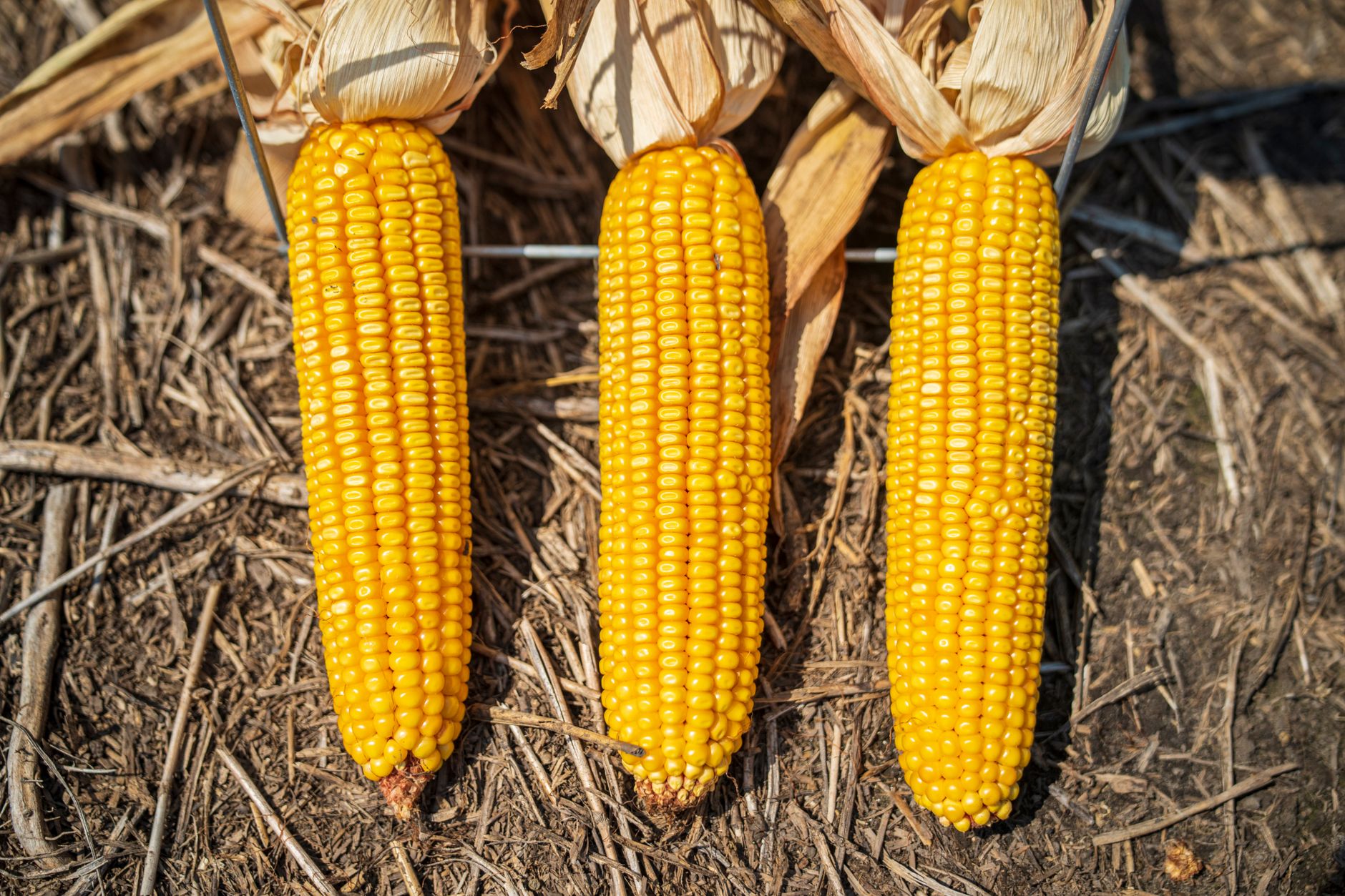
Learn the best time to plant corn in New Jersey by zone, with soil temperature tips, variety choices, and a planting schedule for a successful harvest.
In New Jersey, plant corn after the last frost and when soil temperatures reach at least 50°F, typically from late April to mid-May depending on your zone. For a continuous harvest, stagger plantings every two weeks until early July. This guide gives you exact dates, soil prep steps, and variety recommendations for your Garden State garden.
Understanding New Jersey’s Growing Zones
New Jersey spans USDA zones 6a to 7b. Northern counties (Sussex, Warren, Passaic) are mostly 6a, with last frost dates around May 15. Central and coastal areas (Middlesex, Monmouth, Ocean) fall in 6b to 7a, with last frost around April 30. Southern counties (Cape May, Cumberland, Atlantic) are 7a to 7b, with last frost as early as Apri
 l 15. Always check your specific zone and local frost forecast before planting.
Soil Temperature: The Real Key
Corn seeds germinate poorly in cold, wet soil. Wait until soil temperature at 2 inches deep is at least 50°F, but ideally 60°F to 65°F for faster, more uniform emergence. Use a soil thermometer (available for $10 to $15 at garden centers) to check. If you plant too early, seeds may rot. In New Jersey, soil typically reaches 50°F by late April in the south, and early May in the north.
Planting Schedule by Zone
Here is a practical schedule for New Jersey:
| Zone | First Planting | Last Planting | Notes |
|---|---|---|---|
| 6a (North) | May 10-20 | July 1 | Use early-maturing varieties |
| 6b (Central) | May 1-10 | July 5 | Stagger every 2 weeks |
| 7a (Coastal) | April 25-May 5 | July 10 | Watch for cool, wet springs |
| 7b (South) | April 20-30 | July 10 | Plant after soil warms |
For a continuous harvest, plant a new block every two weeks from your first date until about 10 weeks before your expected first fall frost (usually around October 15 in NJ). This gives you corn from mid-July through October.
Choosing the Right Varieties
Select varieties that match your season and taste. For New Jersey, these work well:
- Early (60-70 days): ‘Early Sunglow’ (yellow, 65 days), ‘Spring Treat’ (bicolor, 67 days). Plant first in cooler soil.
- Main season (70-80 days): ‘Silver Queen’ (white, 92 days, but worth the wait), ‘Incredible’ (yellow, 80 days), ‘Peaches and Cream’ (bicolor, 70 days). These are reliable in NJ.
- Short season for northern zones: ‘Northern Super Sweet’ (yellow, 65 days), ‘Sugar Buns’ (yellow, 68 days).
For sweet corn, choose varieties with the ‘sh2’ (supersweet) or ‘se’ (sugary enhanced) gene for better flavor and longer shelf life. ‘Incredible’ and ‘Peaches and Cream’ are ‘se’ types, which are sweeter and hold quality longer.
Soil Preparation and Planting Steps
Corn is a heavy feeder. Prepare your soil in early spring:
- Test soil pH: Corn prefers 6.0 to 6.8. Add lime if needed (costs $10 to $20 per 50 lb bag).
- Amend with compost: Spread 2 to 3 inches of compost or aged manure over the bed and till it in. This improves drainage and fertility.
- Fertilize: Apply a balanced fertilizer like 10-10-10 at a rate of 2 to 3 pounds per 100 square feet, or use a side dressing of nitrogen (like blood meal) when plants are 12 inches tall.
Planting technique:
- Spacing: Plant seeds 1 to 2 inches deep, 8 to 12 inches apart in rows. Space rows 30 to 36 inches apart. For better pollination, plant in blocks of at least 4 rows, not single long rows.
- Planting method: Use a hand seeder (like a Hoss Garden Seeder, $50 to $70) for even spacing, or plant by hand. Drop 2 seeds every 9 inches, then thin to one strong seedling.
- Watering: Keep soil consistently moist until germination, which takes 7 to 10 days if soil is warm. Water deeply once a week if rain is scarce.
Caring for Your Corn
Once corn is up, it needs attention:
- Weed control: Cultivate shallowly to avoid disturbing roots. Mulch with straw or grass clippings to suppress weeds and retain moisture.
- Side dressing: When plants are knee-high (about 12 inches), apply a nitrogen-rich fertilizer like blood meal or fish emulsion (1 cup per 10 feet of row). This boosts growth.
- Pest management: Watch for corn earworm and European corn borer. Use floating row covers until tasseling, or apply Bacillus thuringiensis (Bt) spray (like Monterey Bt, $15 to $20) when silks appear. Check silks weekly.
- Watering: Corn needs about 1 inch of water per week. During tasseling and silking, drought stress can hurt pollination, so water deeply if dry.
Harvesting and Storage
Corn is ready about 20 days after silks first appear. The silks will turn brown, and kernels will be plump and milky when pierced. Pick in the morning when sugar content is highest. Immediately refrigerate or process, as sugar converts to starch quickly. For freezing, blanch ears for 4 minutes, cool, and freeze whole or cut kernels.
FAQ
Can I plant corn in July in New Jersey? Yes, but only if you choose early-maturing varieties (60 to 70 days) and your first frost is after October 15. In northern zones, July 1 is the latest for reliable harvest. In southern zones, you can push to July 10.
What happens if I plant corn too early? Seeds may rot in cold, wet soil, leading to poor germination. If a frost hits young plants, they may die. Wait until soil reaches 50°F and frost danger passes.
How do I know if my soil is warm enough without a thermometer? A simple test: sit on the soil for 30 seconds. If it feels cold to your bare skin, it’s below 50°F. Or use a kitchen thermometer pushed 2 inches deep. For accuracy, invest in a soil thermometer.
Can I grow corn in containers? Yes, but you need a large container (at least 5 gallons) and a block of at least 4 plants for pollination. Dwarf varieties like ‘Golden Bantam’ (75 days) can work, but yields are small. In-ground is easier.
The bottom line
Plant corn in New Jersey after the last frost and when soil is at least 50°F, typically late April to mid-May depending on your zone. Use early varieties for northern areas, stagger plantings for a longer harvest, and keep soil consistently moist. With proper soil prep and care, you can enjoy fresh sweet corn from July through October. Start checking soil temperatures now, and mark your calendar for your first planting date.