When to plant corn in zone 8
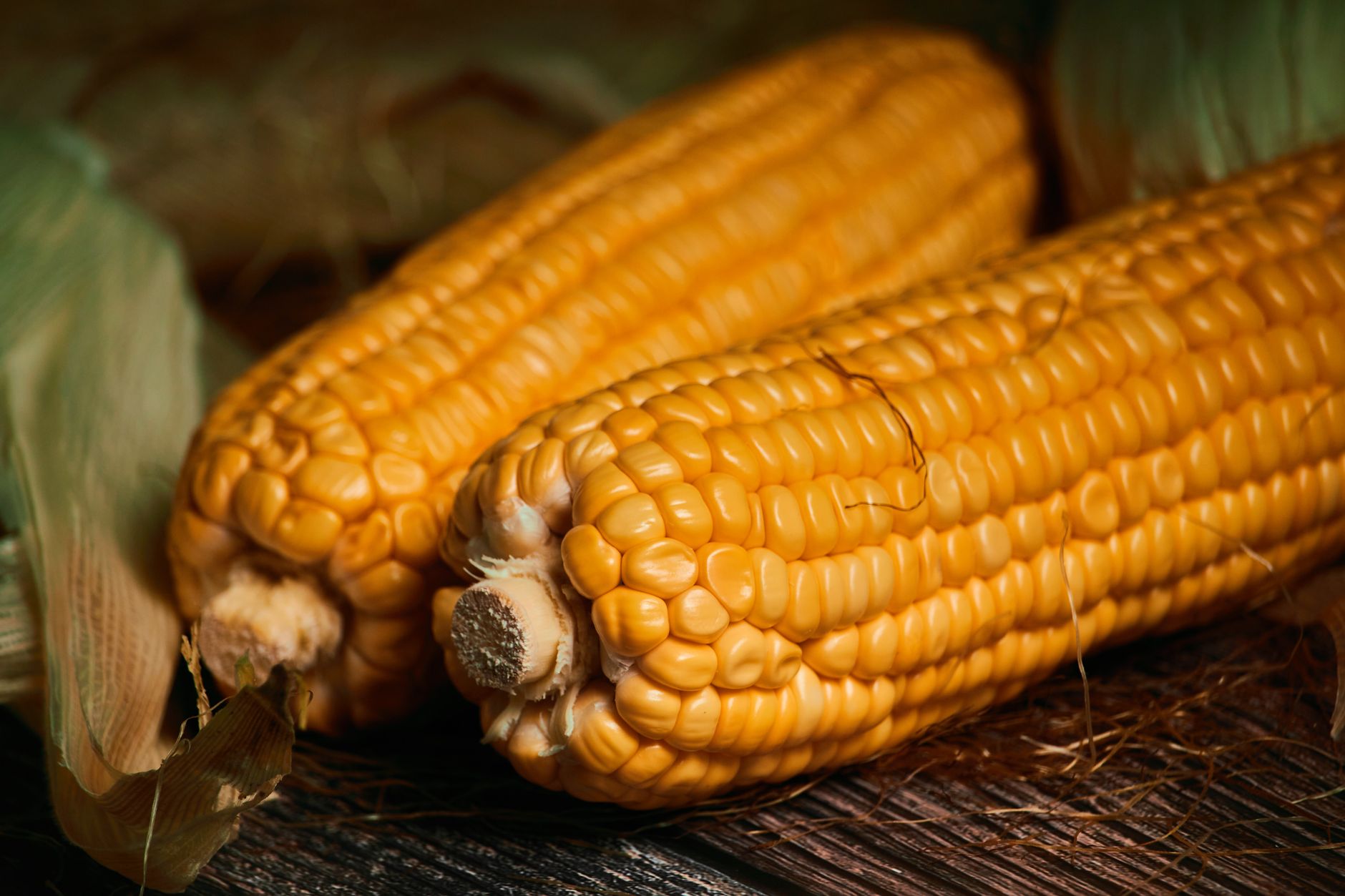
Learn the exact planting window for corn in USDA zone 8, with soil temperature tips, variety choices, and a month-by-month schedule for a successful harvest.
In USDA zone 8, the best time to plant corn is from March 15 to April 15 for the main crop, with a second planting in late June to early July for a fall harvest. The key is soil temperature: wait until it reaches at least 50°F (ideally 60-65°F) at a 2-inch depth. This guide gives you precise dates, variety recommendations, and steps to get your corn in the ground at the right time.
Why timing matters for corn
Corn is warm-season and frost-sensitive. A late frost (zone 8 last frost is typically March 15-30) can kill young plants. Also, corn pollinates best when temperatures are moderate, not scorching. Planting too early risks cold damage; pl
 anting too late can mean heat stress during pollination, especially in southern zone 8 areas.
Zone 8 planting windows
Zone 8 includes parts of the Pacific Northwest, Texas, the Southeast, and the Southwest. Your specific microclimate matters, but here are general windows:
- Main crop: March 15 to April 15, after the last frost date and when soil is warm.
- Fall crop: June 20 to July 10, for harvest in September or October. This works if your summers aren’t extreme; in hot areas, choose heat-tolerant varieties.
- Succession planting: For a continuous harvest, plant every 2-3 weeks from April 1 to June 1, but avoid the hottest weeks if you’re in a high-heat zone.
Check your local frost dates: in zone 8, the average last frost is March 15, but it can be as late as April 10 in some areas. Use a soil thermometer to confirm.
Soil temperature and preparation
Corn germinates when soil is at least 50°F, but germination is faster and more uniform at 60-65°F. Cold, wet soil can cause seed rot.
- Test soil temperature: Insert a soil thermometer 2 inches deep at 9 AM. Do this for three consecutive days; if it’s consistently above 50°F, you’re good.
- Warm the soil: If you must plant early, cover the soil with black plastic for 2 weeks before planting. This can raise soil temperature by 5-10°F.
- Soil prep: Corn needs well-drained soil with pH 6.0-6.8. Work in 2-3 inches of compost or aged manure before planting. Add a balanced fertilizer (10-10-10) at 2 pounds per 100 square feet.
Choosing the right varieties for zone 8
Select varieties with days to maturity (DTM) that fit your season. In zone 8, you have a long growing season, but heat can stress corn. Here are proven choices:
- Early (60-70 DTM): ‘Early Sunglow’ (65 days), ‘Spring Treat’ (65 days). Good for spring planting and fall crops.
- Mid-season (70-85 DTM): ‘Silver Queen’ (92 days, white), ‘Golden Bantam’ (80 days, heirloom). These do well in moderate heat.
- Heat-tolerant: ‘Ambrosia’ (75 days, bicolor), ‘Merit’ (85 days, yellow). These handle southern zone 8 summers.
- For fall: ‘Sugar Buns’ (70 days), ‘Incredible’ (85 days). Plant in June for September harvest.
Check your local extension service for varieties that perform best in your county.
How to plant corn: spacing and depth
Corn is wind-pollinated, so plant in blocks, not single rows. A block of at least 4 rows is ideal.
- Spacing: Plant seeds 1-2 inches deep, 9-12 inches apart in rows 30-36 inches apart. For a block, space rows 30 inches apart.
- Planting method: Use a hand planter or just a hoe. Make a furrow, drop seeds, cover with soil, and firm gently.
- Thinning: When seedlings are 4 inches tall, thin to 12 inches apart. Overcrowding reduces yield.
- Fertilizer: Side-dress with nitrogen (e.g., blood meal or 34-0-0) when plants are 12 inches tall, and again when they tassel.
Care during the growing season
- Water: Corn needs 1-1.5 inches of water per week. Water deeply at the base, not overhead, to reduce disease.
- Weed control: Mulch with straw or grass clippings to suppress weeds. Cultivate shallowly to avoid root damage.
- Pests: Watch for corn earworm and cutworms. Use floating row covers until plants are established, or apply Bacillus thuringiensis (Bt) for caterpillars.
- Pollination: If you have a small plot, hand-pollinate by shaking the tassels over the silks on warm, calm mornings.
Harvesting
Corn is ready when the silks turn brown and the kernels are plump and milky when pierced with a thumbnail. This usually occurs about 20 days after silking. Harvest in the morning and use immediately for best flavor.
FAQ
Q: Can I plant corn in zone 8 in February? A: Only if you use a cold frame or row cover, and even then it’s risky. Soil temperatures are usually below 50°F. Wait until mid-March.
Q: How late can I plant corn in zone 8? A: For a fall crop, plant by July 10 in most areas. If you’re in a hot southern zone, choose a short-season variety and plant by June 20.
Q: Do I need to soak corn seeds before planting? A: No, soaking can cause rot. Plant dry seeds directly in warm soil.
Q: What if I miss the spring planting window? A: You can still plant in June for a fall harvest. Choose a 60-70 day variety and water consistently.
The bottom line
In zone 8, plant corn from mid-March to mid-April for the main crop, and again in late June for fall. Always check soil temperature, not just the calendar. Choose varieties suited to your heat, and plant in blocks for good pollination. With these dates and practices, you’ll be harvesting sweet, tender ears in about 70-90 days.