When to plant corn in mississippi
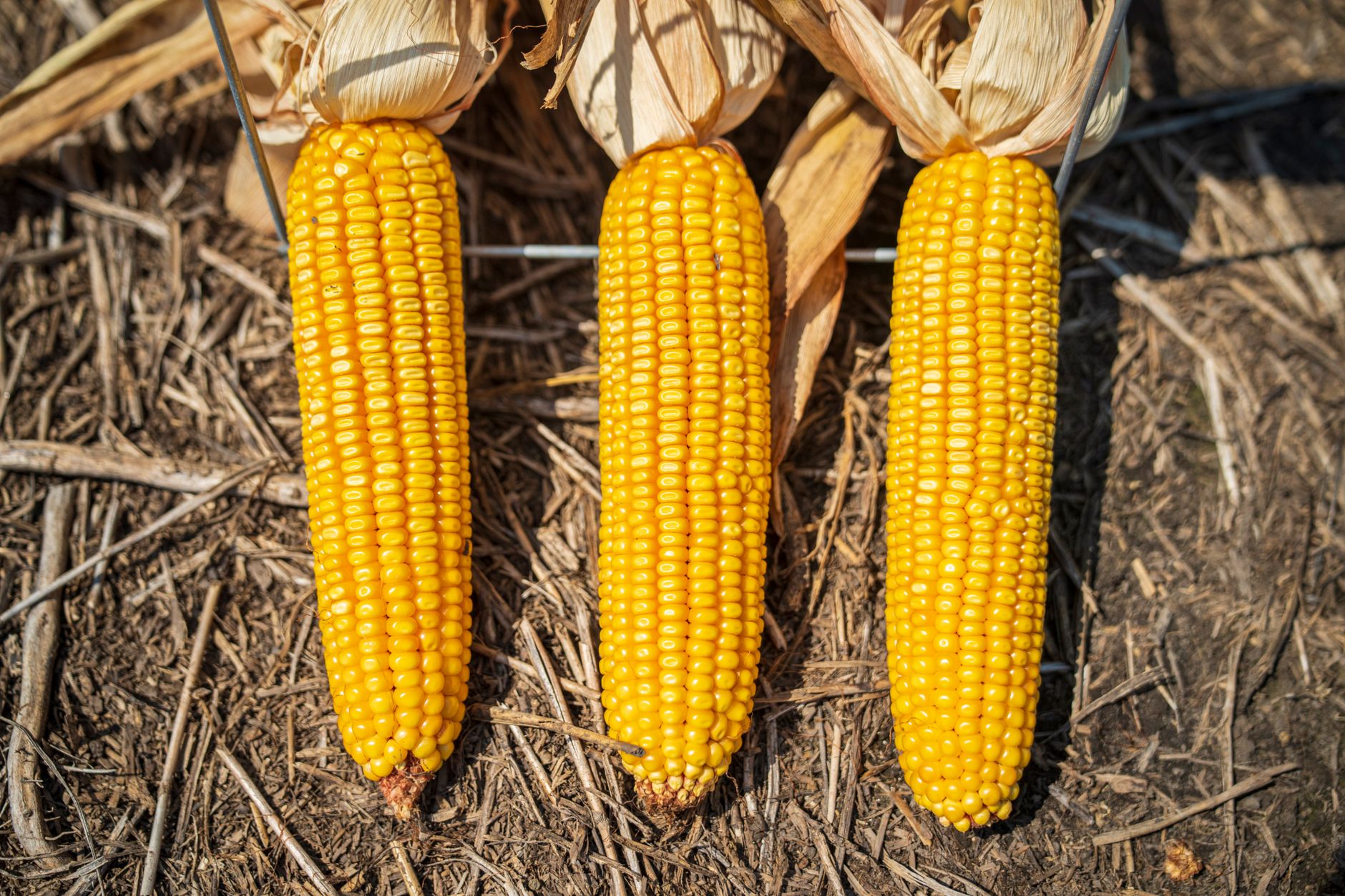
Learn the best planting windows for corn in Mississippi by zone, with soil temps, varieties, and tips for a successful crop.
In Mississippi, plant corn after the last frost and when soil temperatures reach 50°F or warmer. For most of the state, that means planting between late March and mid-April, but your exact window depends on your USDA zone. This guide gives you the dates, the varieties, and the steps to get your corn off to a strong start.
Know Your Zone and Planting Window
Mississippi spans USDA zones 7a in the north to 9a in the Gulf Coast. Use these general windows, but always check your local frost dates and soil temperature.
| Zone | Typical Last Frost | Recommended Planting Window |
|---|---|---|
| 7a (north) | April 10-20 | April 1-20 |
| 7b | April 5-15 | March 25-April 15 |
| 8a (central) | March 25-April 5 | March 20-April 10 |
| 8b | March 15-25 | March 15-April 5 |
| 9a (coast) | March 1-10 | March 1-25 |
If you plant too early and a cold snap hits, the seed may rot or the young plants may suffer frost damage. If you plant too late, the summ
 er heat can stress pollination, especially in July. Aim for the middle of your window for best results.
Soil Temperature Matters More Than the Calendar
Corn seeds germinate best when soil temperature is between 50°F and 85°F. Below 50°F, germination is slow and uneven, and seeds are prone to rot. Use a soil thermometer (about $10 at garden centers) and check the soil at a 2-inch depth in the morning. If it reads 50°F or higher for three consecutive days, you are clear to plant.
In Mississippi, soil typically reaches 50°F by late March in the south and early April in the north. But a warm spell in early March can fool you, so always check the thermometer, not just the date.
Choose the Right Varieties
For Mississippi, select varieties with good heat tolerance and disease resistance. Here are proven options for different uses:
Sweet Corn (for fresh eating)
- ‘Silver Queen’: a classic white sweet corn, good for the South, but needs 80-90 days.
- ‘Honey Select’: a bicolor with excellent flavor, 75-80 days.
- ‘Ambrosia’: a bicolor, very sweet, 75 days.
Field Corn (for grain or animal feed)
- ‘Pioneer 2089’ or ‘Dekalb DKC64-87’: common hybrids with strong yields in the South.
- ‘Trucker’s Favorite’: a yellow dent corn that does well in warm climates.
Popcorn
- ‘Robust 128’: a yellow popcorn that thrives in the South, 105 days.
Flint or Dent (for cornmeal)
- ‘Bloody Butcher’: a red dent corn, 110 days, good for meal.
- ‘Hickory King’: a white dent, 100 days.
All of these are available from seed catalogs or local feed stores. A pound of sweet corn seed costs about $10-$15, enough for a 50-foot row.
How to Plant Corn
Corn is wind-pollinated, so plant it in blocks of at least 4 rows, not a single long row. This ensures good pollination and full ears.
- Prepare the soil: Corn prefers well-drained, fertile soil with a pH of 6.0-6.8. Test your soil and amend with compost or a balanced fertilizer (like 10-10-10) at a rate of 2-3 pounds per 100 square feet.
- Plant the seeds: Sow seeds 1-2 inches deep, spacing them 9-12 inches apart in rows that are 30-36 inches apart. If you plant in hills, put 3-4 seeds per hill, spacing hills 12 inches apart.
- Water in: After planting, water gently to settle the soil, but avoid waterlogging.
- Thin seedlings: Once plants are 4-6 inches tall, thin to one plant every 12 inches for large ears, or every 8 inches for smaller ears.
Care Through the Season
- Watering: Corn needs about 1 inch of water per week, more during tasseling and silking. Use a soaker hose or drip irrigation to keep moisture consistent.
- Fertilizing: Side-dress with nitrogen when plants are 12 inches tall and again when they tassel. Use 1/2 pound of 34-0-0 per 100 feet of row.
- Weed control: Keep weeds down, especially in the first 6 weeks. Mulch with straw or use a hoe.
- Pests: Watch for corn earworm and fall armyworm. Spray with Bt (Bacillus thuringiensis) or spinosad if you see damage. In Mississippi, these pests are common, so check ears regularly.
Harvesting
Sweet corn is ready about 20 days after silks first appear. The kernels should be plump and milky when pierced. Pick in the morning and use or refrigerate immediately, as sugar converts to starch quickly.
Field corn is ready when the husks are dry and the kernels are hard, usually 90-110 days after planting. You can test by biting a kernel: if it is hard and doesn’t dent, it’s dry enough.
FAQ
Can I plant corn in Mississippi in February?
In zone 9a, you might get away with late February if the soil is warm, but it’s risky. A late freeze can kill young plants. Stick to March for the coast, and April for the north.
How late can I plant corn in Mississippi?
You can plant as late as mid-May in the north and early June in the south, but yields may be lower due to heat stress during pollination. If you plant late, choose a short-season variety (70-80 days) and keep it well watered.
Do I need to soak corn seeds before planting?
No. Soaking can cause seeds to rot if the soil is cold. Just plant dry seeds directly.
What is the best fertilizer for corn in Mississippi?
A balanced fertilizer like 10-10-10 at planting, followed by a nitrogen side-dressing (like urea or ammonium nitrate) when the plants are knee-high. Mississippi soils often lack nitrogen, so don’t skip the side-dressing.
The Bottom Line
Plant corn in Mississippi when the soil hits 50°F and the frost risk is past, typically late March to mid-April depending on your zone. Choose a variety suited to your area, plant in blocks, and keep the soil consistently moist. With a little attention to soil temperature and pests, you’ll have a good crop by mid-summer. If you’re unsure, start with a small block of 4 rows and learn as you go. Corn is forgiving if you get the timing right.