When to bring plants inside
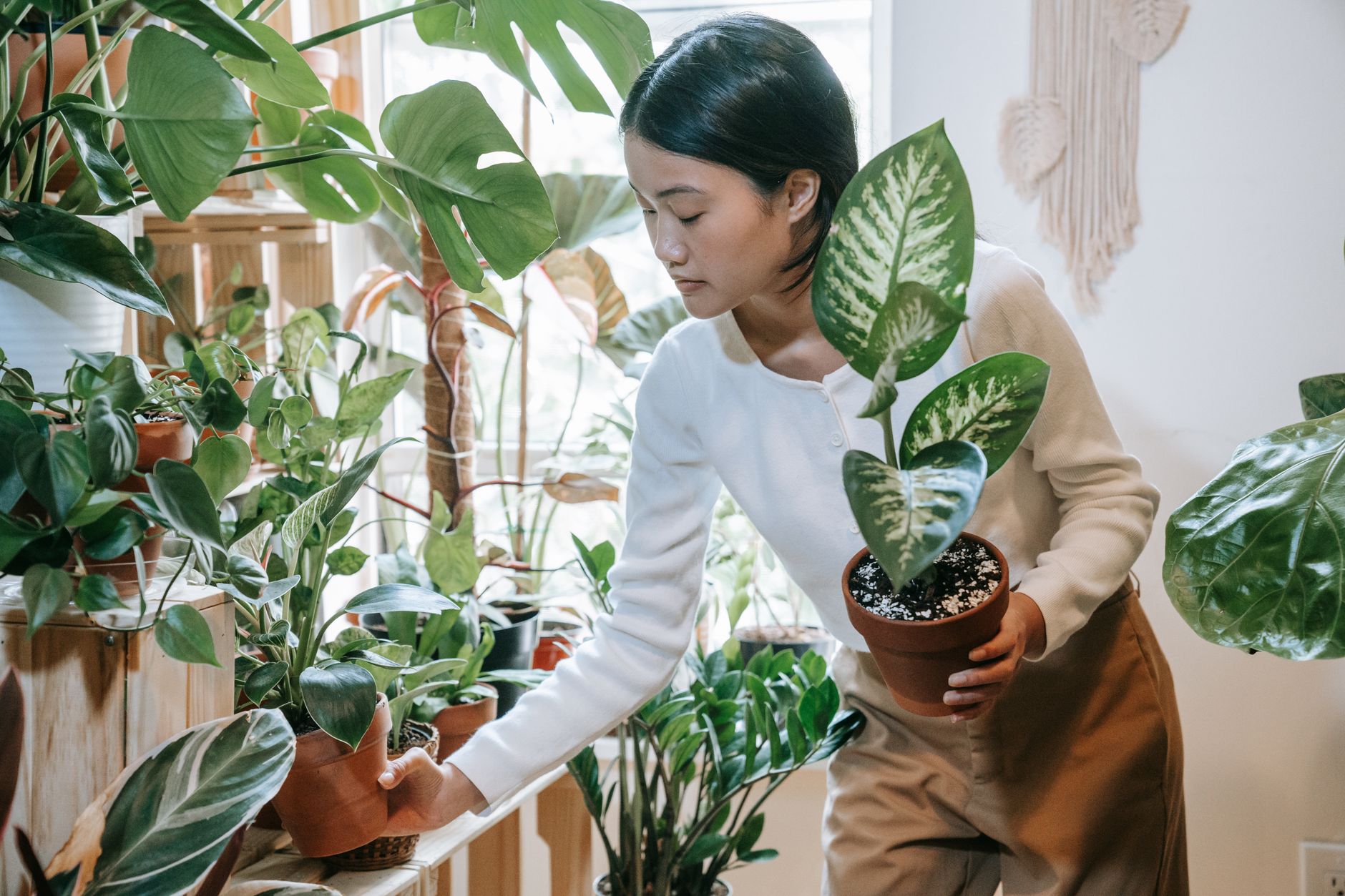
Learn the exact timing and steps to move your potted plants indoors for winter, based on USDA zones and plant type, with practical tips for a smooth transition.
Bring your plants inside when nighttime temperatures consistently drop below 50°F (10°C), which for most zones is 2 to 4 weeks before your first frost date. For tender tropicals like hibiscus or citrus, wait until it’s 45°F at night; for hardy perennials in pots, you can wait until frost threatens. The key is to start the transition gradually, not in one day, to minimize shock and pest issues.
Know Your Zone and Frost Dates
Your USDA hardiness zone determines your first frost date, which is your primary guide. Here are average first frost dates for 2026 (based on 30-year climate norms):
| Zone | First Frost Date (approx.) | Bring In By |
|---|---|---|
| 3 | Sep 15 | Sep 1 |
| 4 | Sep 25 | Sep 10 |
| 5 | Oct 10 | Sep 25 |
| 6 | Oct 20 | Oct 5 |
| 7 | Nov 5 | Oct 20 |
| 8 | Nov 20 | Nov 5 |
| 9 | Dec 10 | Nov 25 |
Check your local extension service for exact dates. As a rule, start moving plants inside when nights are in the 50s
 , even if frost is weeks away. This gives them time to adjust to lower light and drier air.
Which Plants Come In First?
Not all plants need the same treatment. Prioritize by sensitivity:
- Tropicals (hibiscus, mandevilla, bougainvillea): Bring in when nights hit 50°F. They cannot tolerate cold.
- Citrus (dwarf Meyer lemon, calamondin): Bring in at 45°F; they can handle a bit cooler but not frost.
- Tender perennials (geraniums, coleus, begonias): Bring in before first frost, when nights are in the 40s.
- Hardy perennials in pots (hostas, daylilies): Can stay out until frost kills foliage; then move to an unheated garage or bury pots.
- Herbs (basil, rosemary): Basil is frost-tender, bring in at 50°F. Rosemary can handle 30°F if protected, but in pots it’s safer to bring in at 40°F.
Steps to Bring Plants Inside Safely
Follow this checklist to avoid bringing pests and diseases into your home.
1. Inspect and Clean
Check leaves, stems, and soil for insects, eggs, or slugs. Use a magnifying glass if needed. Remove dead leaves and debris. Rinse foliage with a gentle spray of water to dislodge pests.
2. Treat for Pests
If you see any signs of aphids, spider mites, or whiteflies, treat with insecticidal soap (like Safer Brand, $8-$12 per 32 oz) or neem oil (like Bonide, $10-$15). Spray thoroughly, including undersides of leaves. Repeat after 7 days to catch hatching eggs.
3. Repot if Necessary
If roots are circling the pot or coming out of drainage holes, repot into a container 2 inches larger. Use fresh potting mix (like Miracle-Gro Potting Mix, $10-$15 per 1 cu ft). Do this at least 2 weeks before bringing inside to let roots settle.
4. Quarantine for 2 Weeks
Place plants in a separate room or garage with bright indirect light. Watch for any new pest activity. This prevents an infestation from spreading to your houseplants.
5. Gradually Acclimate
Move plants to a shaded outdoor spot for a few days, then bring them in for increasing hours each day over a week. This reduces shock. Start with overnight indoors, then full days.
6. Adjust Watering and Feeding
Indoor conditions are drier and less bright, so plants need less water. Check soil moisture with your finger; water only when the top inch is dry. Stop fertilizing in late fall; resume in spring.
Indoor Conditions: Light and Humidity
Most tropicals need bright light. Place them in south or west-facing windows. If you lack natural light, use a grow light (like a GE BR30 LED grow bulb, $15-$20, or a full-spectrum panel for $40-$60). Keep lights on 12-14 hours a day.
Humidity is often too low indoors, especially with heating. Increase humidity by:
- Grouping plants together
- Using a pebble tray with water
- Running a humidifier (like a small cool-mist unit, $30-$50)
Aim for 40-50% humidity. Brown leaf tips are a sign of low humidity.
Common Mistakes to Avoid
- Bringing in plants too early: This exposes them to warm indoor air while outdoor nights are still mild, causing stress. Wait until nights are consistently in the 50s.
- Skipping pest treatment: Even one aphid can multiply. Always quarantine.
- Overwatering: Indoor plants need less water. Check soil before watering.
- Placing in dark corners: Most plants need bright light. Use grow lights if needed.
- Pruning heavily before moving: Wait until spring to prune; plants need leaves for photosynthesis during winter.
FAQ
Can I bring in plants that have been in the ground?
Yes, but carefully. Dig up the plant with a generous root ball (at least 12 inches diameter), pot it in a container with drainage, and water well. Keep it in shade for a few days to recover. This works for herbs like rosemary, or annuals like coleus.
What if my plant has fungus gnats?
Fungus gnats thrive in moist soil. Let the soil dry out between waterings, and use yellow sticky traps (like Gideal, $8 for 20) to catch adults. You can also repot with fresh soil if the infestation is severe.
Do I need to fertilize after bringing plants inside?
No. Plants slow down in winter, so they don’t need extra nutrients. Resume fertilizing in early spring with a balanced fertilizer like 10-10-10, at half strength.
What about plants that go dormant, like cannas or dahlias?
For these, you don’t bring the whole plant inside. After frost kills the foliage, cut back stems, dig up tubers or rhizomes, let them dry for a day, and store in a cool, dark place (like a basement) in peat moss or paper bags at 40-50°F.
The Bottom Line
Start moving plants inside when nighttime temperatures hit 50°F, which is typically 2-4 weeks before your first frost. Inspect, treat for pests, quarantine, and acclimate gradually. Provide bright light and higher humidity indoors. By following these steps, your plants will survive winter and thrive again in spring. Remember: it’s better to bring them in a bit early than to risk a cold snap that kills them. Your plants will thank you with healthy growth next season.