When to bring plants indoors
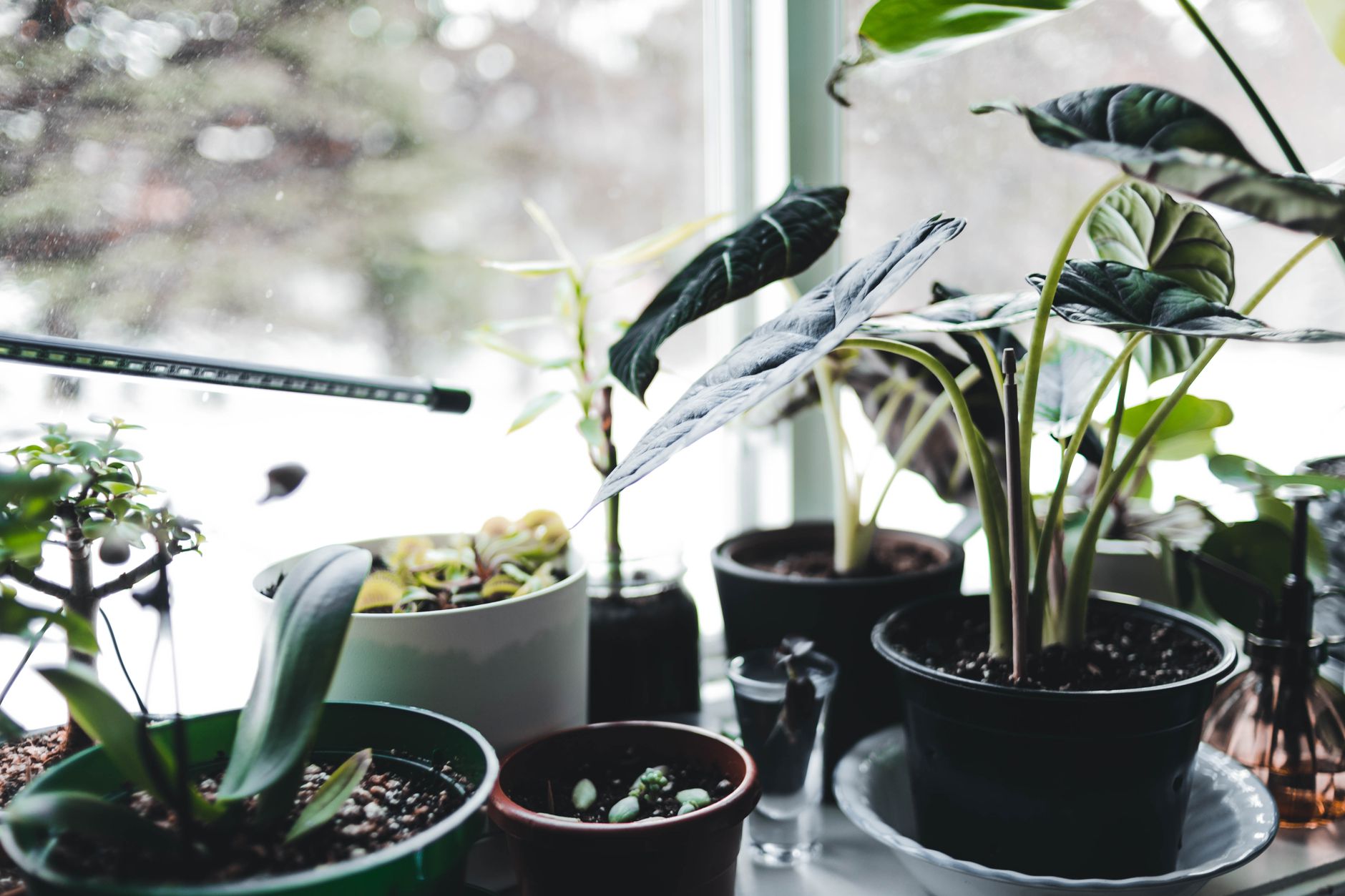
Learn the exact timing to move potted plants indoors before frost, with zone-specific dates, steps, and tips for a smooth transition.
Bring your potted plants indoors when nighttime temperatures consistently drop below 50°F (10°C). For most USDA zones, that means late September to mid-October, but check your local frost date and the specific cold tolerance of each plant. Start the transition about two weeks before that date to avoid shock and pest problems.
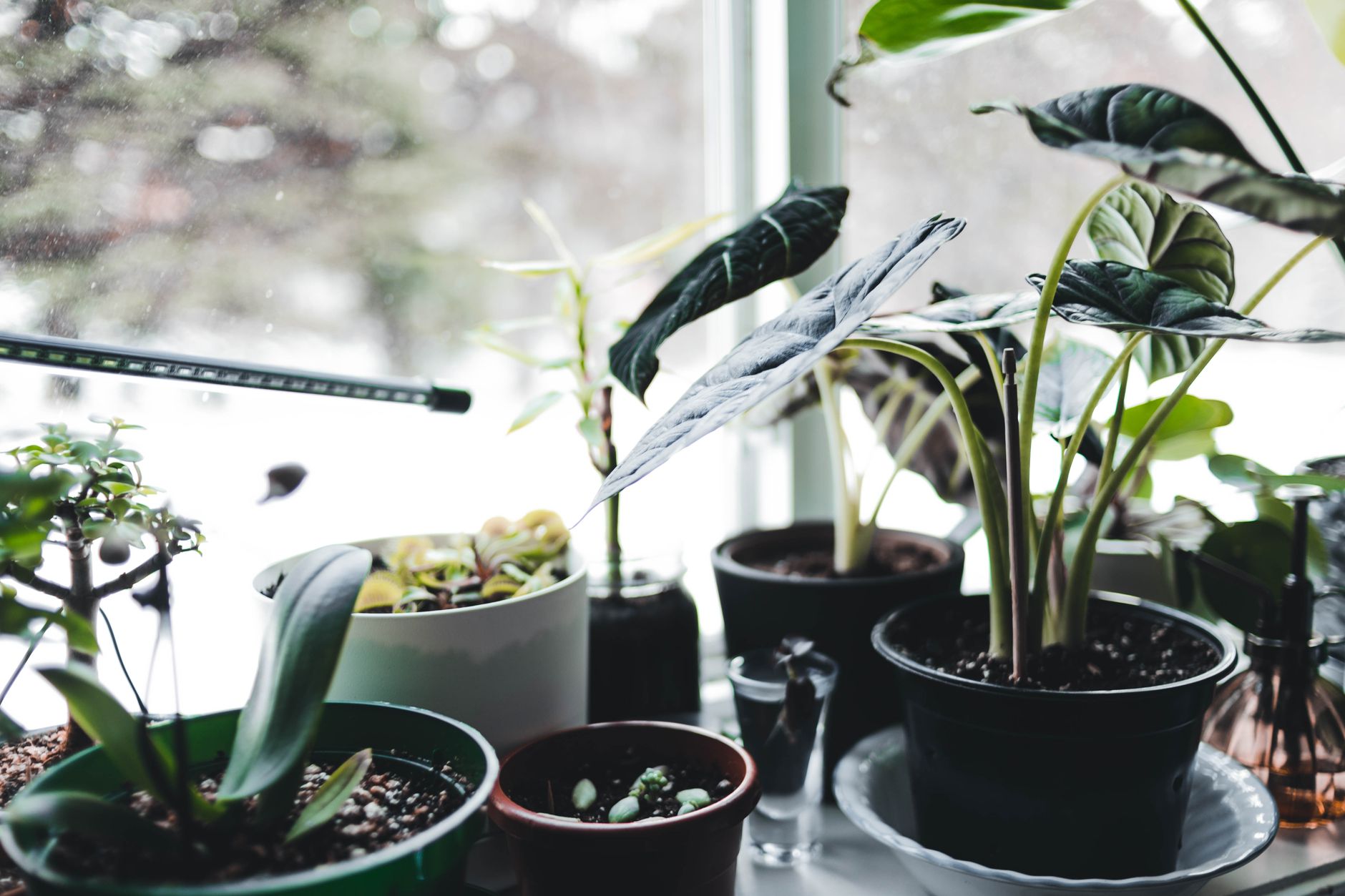
Know Your Frost Date and Plant Hardiness
Your first frost date is the key marker. Find it from your local extension service or an online almanac. For example, in Zone 5, first frost is typically around October 15; in Zone 7, it’s around November 15. But tender plants like hibiscus or citrus need to come in even earlier, when nights dip below 50°F, not just at frost.
Here’s a quick guide for common plants:
| Plant Type | Bring Inside When Nighttime Temp | Example Varieties |
|---|---|---|
| Tropical (hibiscus, mandevilla) | Below 50°F (10°C) | Hibiscus ‘President’, Mandevilla ‘Alice du Pont’ |
| Semi-hardy (geraniums, begonias) | Below 45°F (7°C) | Geranium ‘Rozanne’, Begonia ‘Dragon Wing’ |
| Hardy but potted (boxwood, dwarf conifers) | Can stay out until frost, but bring in before hard freeze (below 28°F) | Boxwood ‘Green Velvet’, Dwarf Alberta Spruce |
If you’re unsure, err on the si
 de of bringing them in earlier. A few cold nights can damage roots, even if leaves look fine.
The Two-Week Transition Plan
Don’t move plants straight from the garden to your living room. They need to adjust to lower light and drier air. Follow this schedule:
- One week before moving: Inspect for pests. Look under leaves and in soil. If you see aphids, spider mites, or fungus gnats, treat with insecticidal soap (about $8 per spray bottle) or neem oil ($12 for a concentrate). Repeat treatment after 5 days.
- Three to four days before moving: Start acclimating. Place the plant in a shaded spot outdoors, like under a tree or on a porch, to get less direct sun. This helps it cope with the lower light indoors.
- The day of the move: Water the plant thoroughly, but not to the point of sogginess. This helps the roots stay hydrated during the transition.
- After moving: Put the plant in a bright spot, but not direct south-facing sun at first. Gradually increase light over a week. If you have a sunny window, that’s ideal; otherwise, consider a grow light.
Prepare Your Indoor Space
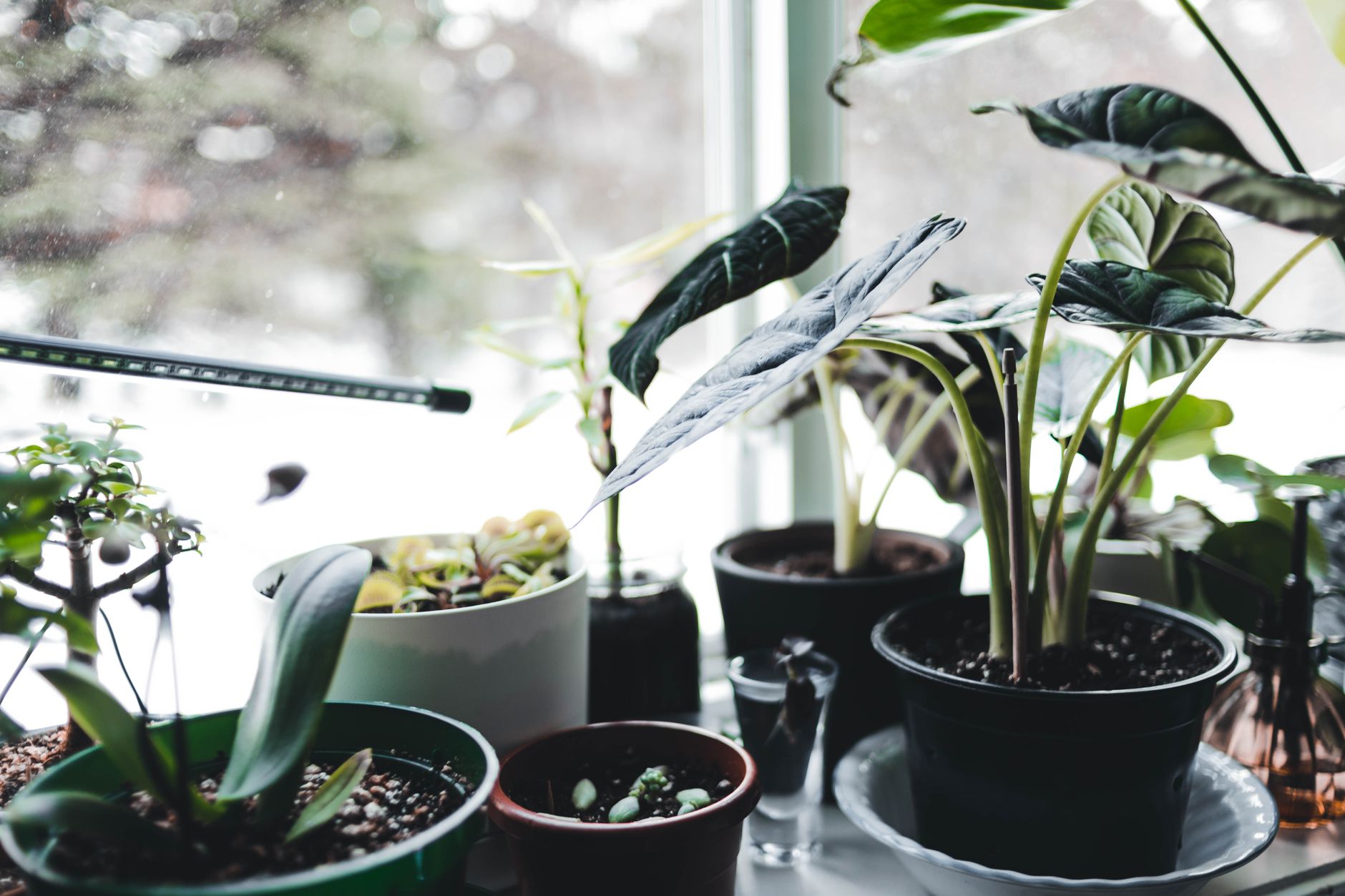
Before you bring plants in, set up your indoor area. Most plants need 6 to 8 hours of bright, indirect light. A south or west window works for many, but if you lack natural light, invest in a grow light. A basic LED grow light costs $30 to $60 and can make a huge difference.
Also, check your home’s humidity. Indoor air is often dry, especially with heating. Group plants together or place a tray of water with pebbles underneath to increase humidity. Avoid placing plants near heat vents or drafts.
Common Mistakes to Avoid
- Bringing in plants with pests: This is the biggest mistake. Pests can spread to all your indoor plants. Always inspect and treat before moving.
- Moving too late: If you wait until after a frost, the plant may already be damaged. Even if it looks okay, the shock can cause leaf drop.
- Overwatering indoors: Plants need less water indoors because they grow slower and light is lower. Check the top inch of soil; if it’s dry, water. If it’s still moist, wait.
- Pruning too much: Don’t cut back more than one-third of the plant when bringing it in. You can prune more in spring.
Special Cases: Citrus and Herbs
Citrus trees (like Meyer lemon or Key lime) are popular container plants. They need temperatures above 50°F, so bring them in early. They also need high light; a south window or grow light is essential. Expect some leaf drop as they adjust, but if it’s excessive, you may need more light.
Herbs like rosemary, thyme, and oregano can tolerate cooler temperatures, but if they’re in pots, their roots are more exposed. Bring them in when nights are consistently below 40°F (4°C). Place them in a cool, bright spot, like an unheated sunroom. They’ll appreciate the coolness.
FAQ
Can I leave hardy plants outside all winter in pots?
Yes, but you need to protect the roots. Potted roots are more exposed than in-ground roots. Move the pots to a sheltered spot, like against a house, and wrap the pots in burlap or bubble wrap. Water occasionally if the soil is dry and not frozen.
What if I don’t have a sunny window?
Use a grow light. A full-spectrum LED grow light with a timer set for 12 hours a day will keep most plants healthy. Prices start around $30 for a clip-on model.
How do I know if a plant is too big to move indoors?
If the pot is too heavy to lift or the plant is taller than your ceiling, it’s not practical. Instead, take cuttings to root indoors, or move the plant to a garage or shed that stays above freezing.
Should I fertilize when I bring plants in?
No. Stop fertilizing about a month before you bring them in. Plants need less fertilizer during the lower-light winter months. Resume in early spring.
The Bottom Line
The best time to bring plants indoors is before nighttime temperatures drop below 50°F, which is usually two to four weeks before your first frost date. Start the process with a two-week transition, inspect for pests, and adjust your indoor conditions for light and humidity. By following these steps, you’ll keep your plants healthy through winter and ready to go back outside in spring.
Remember, every plant is different, so watch your plants and adjust. If you’re ever in doubt, bring them in a little earlier. It’s easier to manage a plant that’s inside than to revive one that’s been frostbitten.