When should you plant pumpkins in michigan
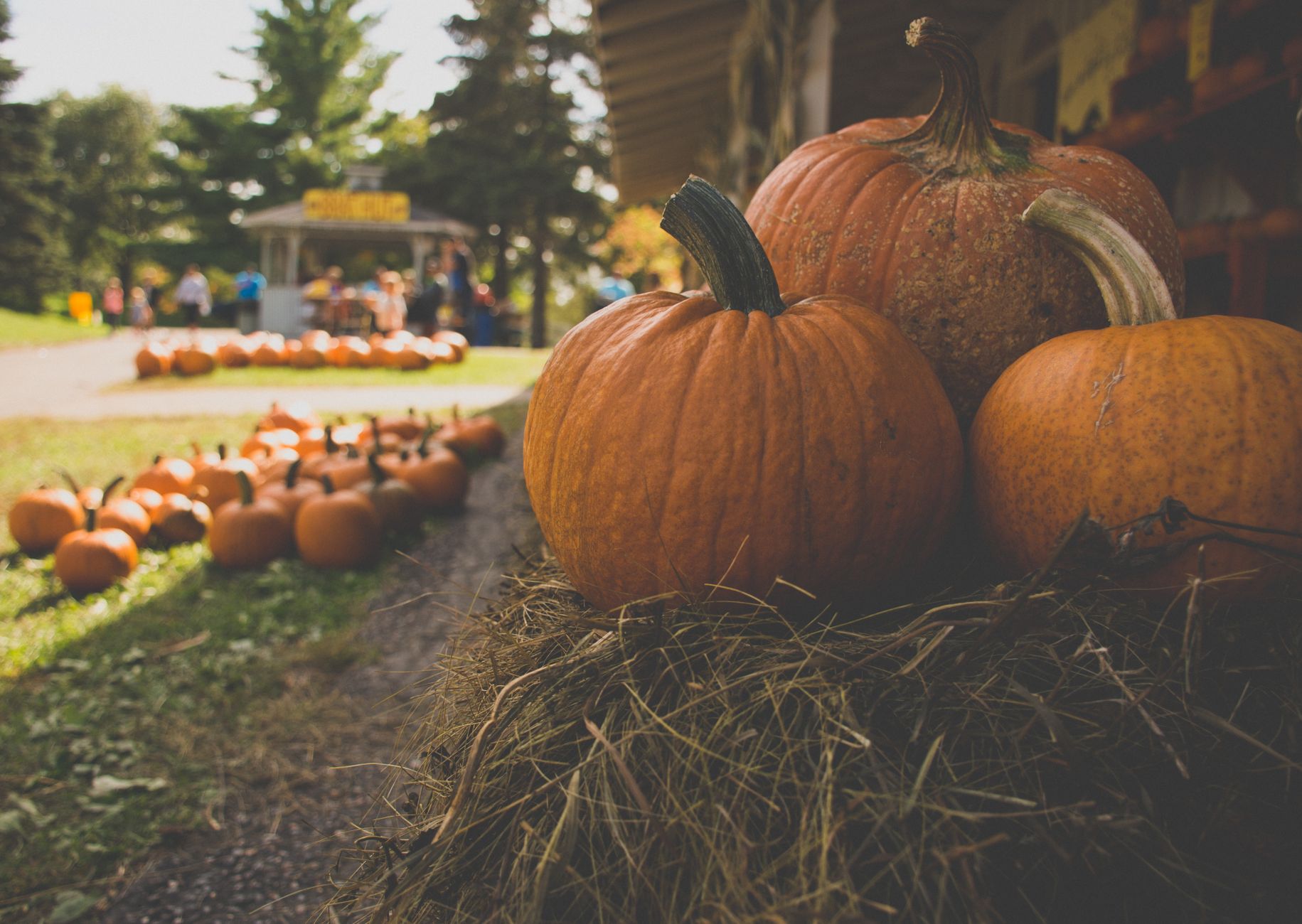
Learn the best time to plant pumpkins in Michigan by zone, with variety picks, soil prep, and harvest tips for a successful fall crop.
In Michigan, plant pumpkins after the last frost, typically from late May to early June, when soil temperatures reach 60°F. For most of the Lower Peninsula, that means May 25 to June 10; in the Upper Peninsula, aim for June 5 to June 15. This timing ensures vines mature before the first fall frost, which arrives around late September in the north and mid-October in the south.
Why timing matters
Pumpkins need 75 to 120 frost-free days, depending on the variety. If you plant too early, cold soil stunts germination or causes rot. Too late, and the fruit won’t ripen before frost kills the vine
 . In Michigan’s short growing season, a few weeks make the difference between a wagon full of orange and a pile of green.
Know your Michigan zone
Michigan spans USDA zones 4a to 6b. Check your zone on the USDA map, but here’s a quick guide:
| Region | Typical Zone | Safe planting window | First fall frost (average) |
|---|---|---|---|
| Upper Peninsula | 4a-4b | June 5 - June 15 | Late September |
| Northern Lower | 4b-5a | May 30 - June 10 | Early October |
| Central Lower | 5b-6a | May 25 - June 5 | Mid-October |
| Southern Lower | 6a-6b | May 20 - June 1 | Late October |
These dates are averages. Watch the 10-day forecast: if a cold snap is coming, delay a few days. Soil temperature matters more than the calendar. Use a soil thermometer (around $10 at garden centers) and wait until it reads 60°F at 2 inches deep.
Choosing the right varieties
Pick varieties that fit your season length and use. Here are proven performers for Michigan:
- Small pie pumpkins: ‘Sugar Pie’ (85 days), ‘Baby Bear’ (100 days). Great for cooking, easy to handle.
- Medium carving: ‘Howden’ (110 days), ‘Connecticut Field’ (110 days). Classic jack-o’-lanterns.
- Large show pumpkins: ‘Atlantic Giant’ (120 days). Needs a long season, so start indoors or choose southern zones only.
- Miniatures: ‘Jack Be Little’ (90 days). Perfect for decorations.
For northern zones, stick to varieties under 100 days. In the south, you have more leeway. Check the seed packet’s “days to maturity” and count back from your first frost date.
How to plant for success
Soil prep
Pumpkins need rich, well-drained soil with a pH of 6.0 to 6.8. A week before planting, work in 2 to 3 inches of compost or aged manure. If your soil is heavy clay, add sand or plant in raised mounds to improve drainage. A soil test from your local extension office costs about $15 and tells you exactly what to add.
Planting steps
- Direct sow seeds 1 inch deep, 4 to 6 seeds per hill. Space hills 6 to 8 feet apart in rows 10 feet apart. For bush varieties, reduce spacing to 4 feet.
- Thin to 2 to 3 strongest plants per hill once seedlings have two true leaves.
- Water deeply at planting, then give 1 to 1.5 inches per week, more during dry spells. Use soaker hoses or drip irrigation to keep leaves dry and prevent mildew.
- Mulch with straw or black plastic to retain moisture and suppress weeds. Black plastic also warms the soil, which helps in cooler zones.
If you want an earlier start, sow seeds indoors 3 to 4 weeks before your last frost. Use peat pots to avoid root disturbance. Harden off seedlings for 7 days before transplanting, and plant them after the soil warms.
Caring for your pumpkin patch
- Fertilize with a balanced 10-10-10 at planting, then side-dress with a high-phosphorus fertilizer (like 5-15-5) when vines start to run. Avoid too much nitrogen, or you’ll get leaves instead of fruit.
- Pollination: Bees do the work. If you see few bees, hand-pollinate by picking a male flower (no small fruit at base), removing petals, and brushing the stamen into the center of a female flower (with a tiny pumpkin behind the bloom). Do this in the morning.
- Pest control: Watch for squash vine borers and cucumber beetles. Use row covers until flowering, then remove them for pollination. If borers appear, slit the vine, remove the grub, and bury the vine at the cut.
- Disease: Powdery mildew is common. Space plants well, water at the base, and apply a sulfur fungicide if needed.
Harvesting and storage
Pumpkins are ready when the rind is hard (fingernail won’t pierce it) and the stem has turned brown and dry. Cut the stem with pruning shears, leaving 3 to 4 inches attached. Do not carry by the stem; it breaks. Cure in the sun for 10 days, then store in a cool, dry place at 50 to 60°F. Properly cured pumpkins last 2 to 3 months.
Frequently asked questions
Can I plant pumpkins in July in Michigan?
Only if you choose a very short-season variety (under 80 days) and live in the southern Lower Peninsula. Even then, it’s risky. Most years, July planting means immature fruit before frost. Stick to the late May to early June window.
Should I start pumpkins indoors?
Yes, if you want a head start, especially in the Upper Peninsula. Start 3 to 4 weeks before your last frost, using peat pots. Transplant carefully to avoid disturbing roots. Direct sowing is simpler and often works just as well for standard varieties.
How many pumpkins per plant can I expect?
A healthy vine yields 2 to 5 pumpkins, depending on variety and growing conditions. Large varieties like ‘Atlantic Giant’ produce 1 to 2 per plant. Thin fruit to one per vine for maximum size.
What’s the best fertilizer for pumpkins?
Use a balanced 10-10-10 at planting, then switch to a low-nitrogen, high-phosphorus mix (like 5-15-5) when flowers appear. Too much nitrogen delays fruiting. A bag of 10-10-10 costs about $15 for 40 pounds, enough for a large patch.
The bottom line
Plant pumpkins in Michigan after the last frost, when soil is 60°F, and before June 15 in most areas. Choose varieties that fit your zone’s frost-free days, prepare rich soil, and give vines room to sprawl. With a little care, you’ll have pumpkins ready for pies, jack-o’-lanterns, and fall displays. Check your local extension for exact frost dates, and don’t be afraid to adjust by a week based on the weather.