When do farmers start planting crops
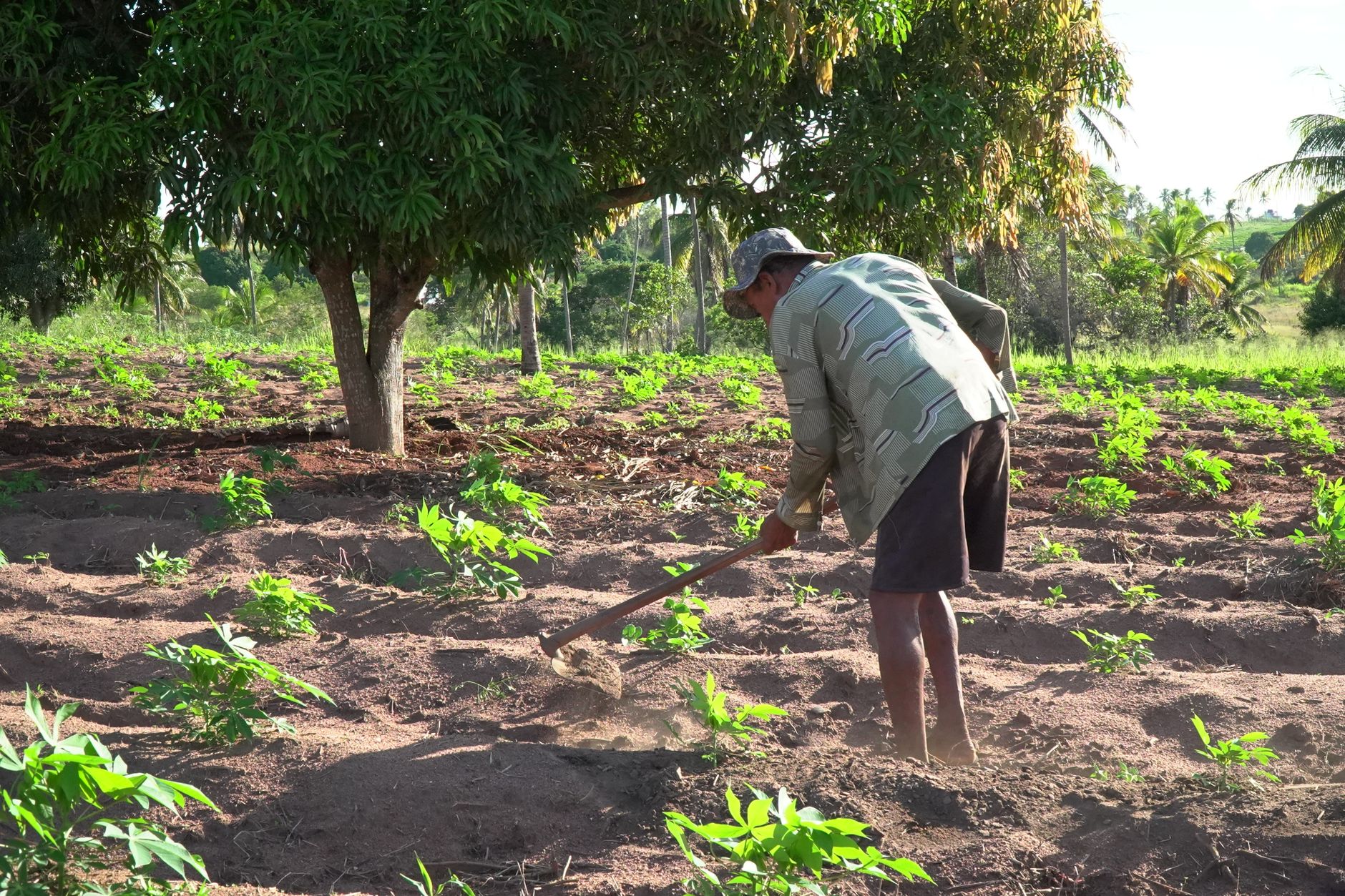
Learn when farmers start planting crops by zone, crop type, and soil temperature. Get a practical planting calendar and tips for 2026.
Farmers start planting as soon as the soil is workable and the risk of frost has passed for the specific crop. For most of the US, that means cool-season crops go in 2 to 6 weeks before the last frost date, and warm-season crops go in after the soil reaches 60°F or warmer. The exact timing depends on your USDA hardiness zone and the crop’s cold tolerance. Here is a practical guide to when farmers plant, with real dates and steps you can use this week.
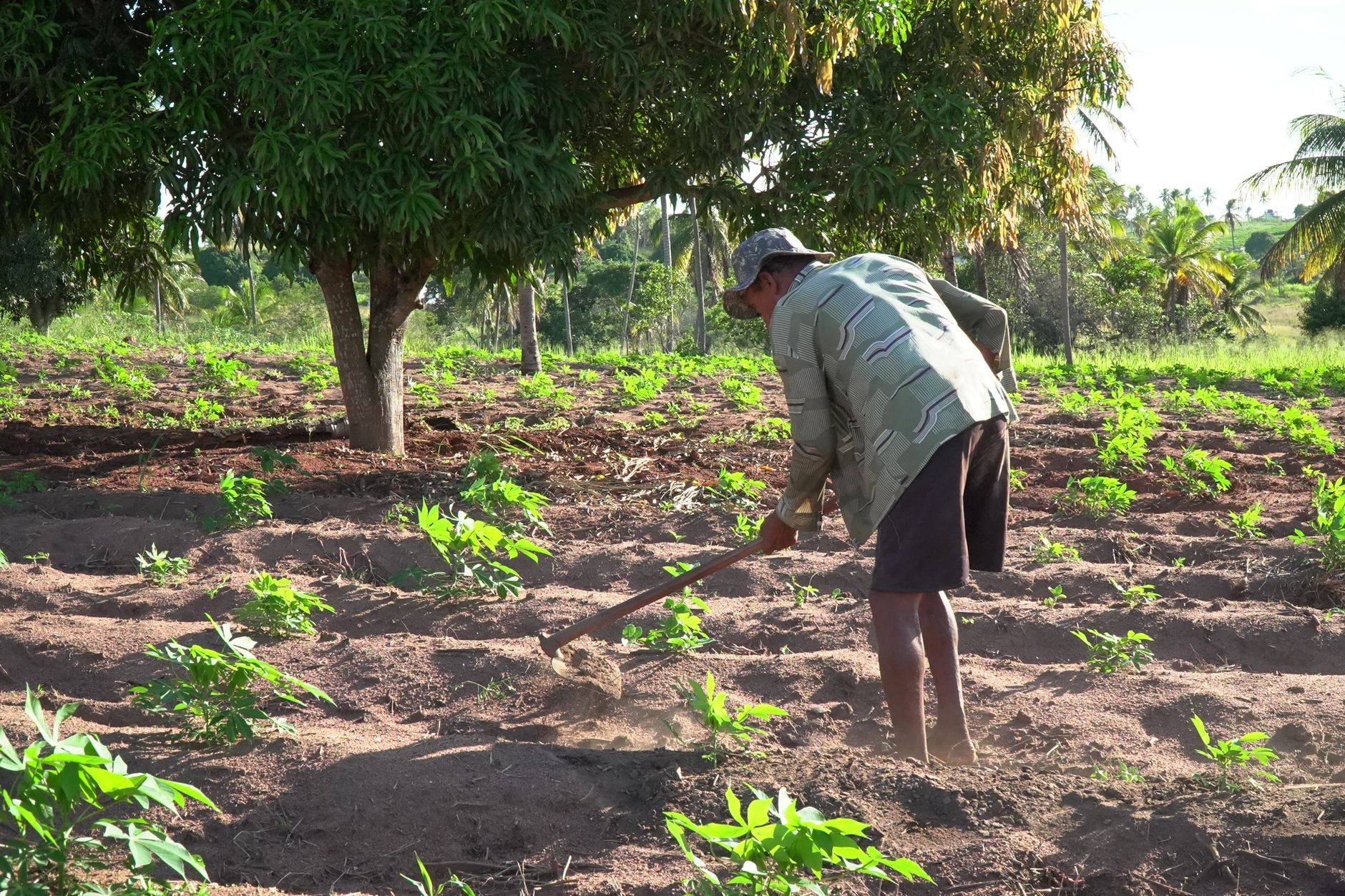
Why planting time matters
Planting too early can kill seedlings or stunt growth. Planting too late shortens the growing season and reduces yield. Farmers time planting to match soil temperature and air temperature, because seeds germinate best within specific ranges. For example, peas germinate in soil as cold as
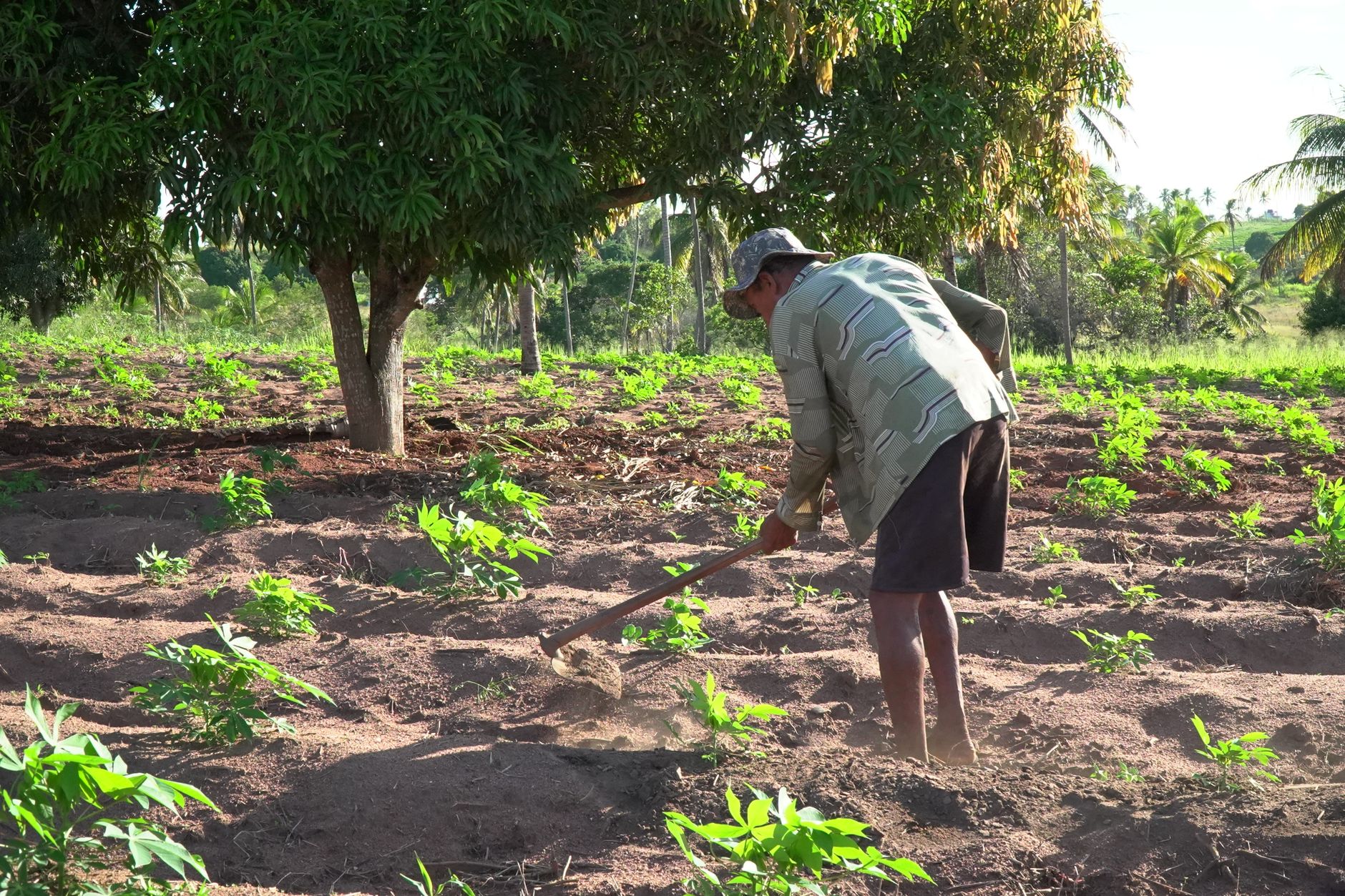 40°F, while corn needs at least 50°F. Knowing your last frost date is the anchor for all planting decisions.
Planting windows by USDA zone
Your last frost date is the average date of the final spring frost. Here are typical last frost dates and planting windows for 2026:
| Zone | Last frost date (approx.) | Cool-season start | Warm-season start |
|---|---|---|---|
| 3 | May 15 - June 1 | April 15 - May 1 | May 25 - June 5 |
| 4 | May 1 - May 15 | April 1 - April 15 | May 15 - May 25 |
| 5 | April 15 - May 1 | March 15 - April 1 | May 1 - May 15 |
| 6 | April 1 - April 15 | March 1 - March 15 | April 15 - May 1 |
| 7 | March 15 - April 1 | February 15 - March 1 | April 1 - April 15 |
| 8 | March 1 - March 15 | February 1 - February 15 | March 15 - April 1 |
These are averages. Check your local extension service for exact dates. In 2026, many areas are seeing earlier springs, but always have row cover or frost cloth ready for a surprise cold snap.
Crop-specific planting dates
Different crops have different tolerances. Here is a breakdown for common farm crops:
Cool-season crops (plant 2-6 weeks before last frost)
- Peas, spinach, lettuce, kale, carrots, radishes: Plant as soon as soil can be worked, often 4-6 weeks before last frost. Soil temperature at least 40°F.
- Potatoes: Plant 2-4 weeks before last frost, when soil is 45°F or warmer. Cut seed potatoes into pieces with at least 2 eyes, let them cure for a day, then plant 4 inches deep, 12 inches apart.
- Onions: Plant sets or transplants 4-6 weeks before last frost. Soil temperature 50°F.
Warm-season crops (plant after last frost, soil 60°F+)
- Corn: Plant when soil is 50°F or warmer, usually 1-2 weeks after last frost. Plant seeds 1.5 inches deep, 9-12 inches apart in rows 30-36 inches apart.
- Tomatoes, peppers, eggplant: These are heat lovers. Wait until soil is 60°F and night temperatures stay above 50°F. In many zones, that is 1-2 weeks after last frost. Use transplants, not seeds, for earlier harvest.
- Squash, cucumbers, melons: Plant seeds after last frost, soil 65°F. Sow 1 inch deep, 24-36 inches apart.
- Beans (snap): Plant after last frost, soil 60°F. Sow 1 inch deep, 2-4 inches apart.
How to check soil temperature
Use a soil thermometer (about $10 to $15 at garden centers). Insert the probe 4 inches deep, in the morning, in a few spots. Take the average. If the soil is too cold, wait. You can also use a simple test: sit on the soil. If it feels cold to your bare skin, it’s too cold for warm-season crops.
Tools and supplies for 2026
- Soil thermometer: $10-$15, digital or dial.
- Row cover: $20-$30 for a 6x50-foot roll, protects against frost and pests.
- Seed starting trays: $15-$25 for a 72-cell tray with dome.
- Garden planner: Free apps like Planter or $20-$30 for a physical planner.
Practical steps you can take this week
- Find your last frost date: use the USDA zone map or your local extension website.
- Test your soil: take a sample to your extension office for a pH and nutrient test (often $10-$20).
- Prepare your beds: add compost or aged manure, 1-2 inches, and till or turn the soil.
- Start seeds indoors for warm-season crops: tomatoes, peppers, and eggplant, 6-8 weeks before last frost.
- Direct sow cool-season crops as soon as soil is workable.
FAQ
Can I plant before the last frost date? Yes, for cool-season crops. They tolerate light frost. Use row cover if a hard freeze is forecast.
What happens if I plant too early? Seeds may rot in cold, wet soil, or seedlings may be killed by frost. You’ll have to replant, wasting time and money.
Do farmers use the same dates as home gardeners? Yes, but farmers often plant on a larger scale and may use soil temperature probes and weather forecasts to fine-tune. They also may plant in succession for continuous harvest.
How do I know if my soil is warm enough? Use a soil thermometer. For warm-season crops, wait until it reads 60°F or above at 4 inches deep.
The bottom line
Plant cool-season crops 2-6 weeks before your last frost date, and warm-season crops after the soil reaches 60°F. Check your zone, use a soil thermometer, and keep frost protection handy. Start with a soil test and a plan, and you’ll be ahead of most gardeners. For 2026, expect normal frost dates but be ready for variability. The key is to watch the soil, not just the calendar.