What to do on a farm
A practical guide to daily, weekly, and seasonal farm tasks for gardeners and homesteaders, with real tools, prices, and schedules.
If you’re new to farming or homesteading, the sheer number of tasks can be overwhelming. The key is to break the work into daily, weekly, and seasonal routines. This guide gives you a concrete checklist for each, with realistic tools and timelines, so you can stay on top of your land without burning out.
Daily Tasks: The Non-Negotiables
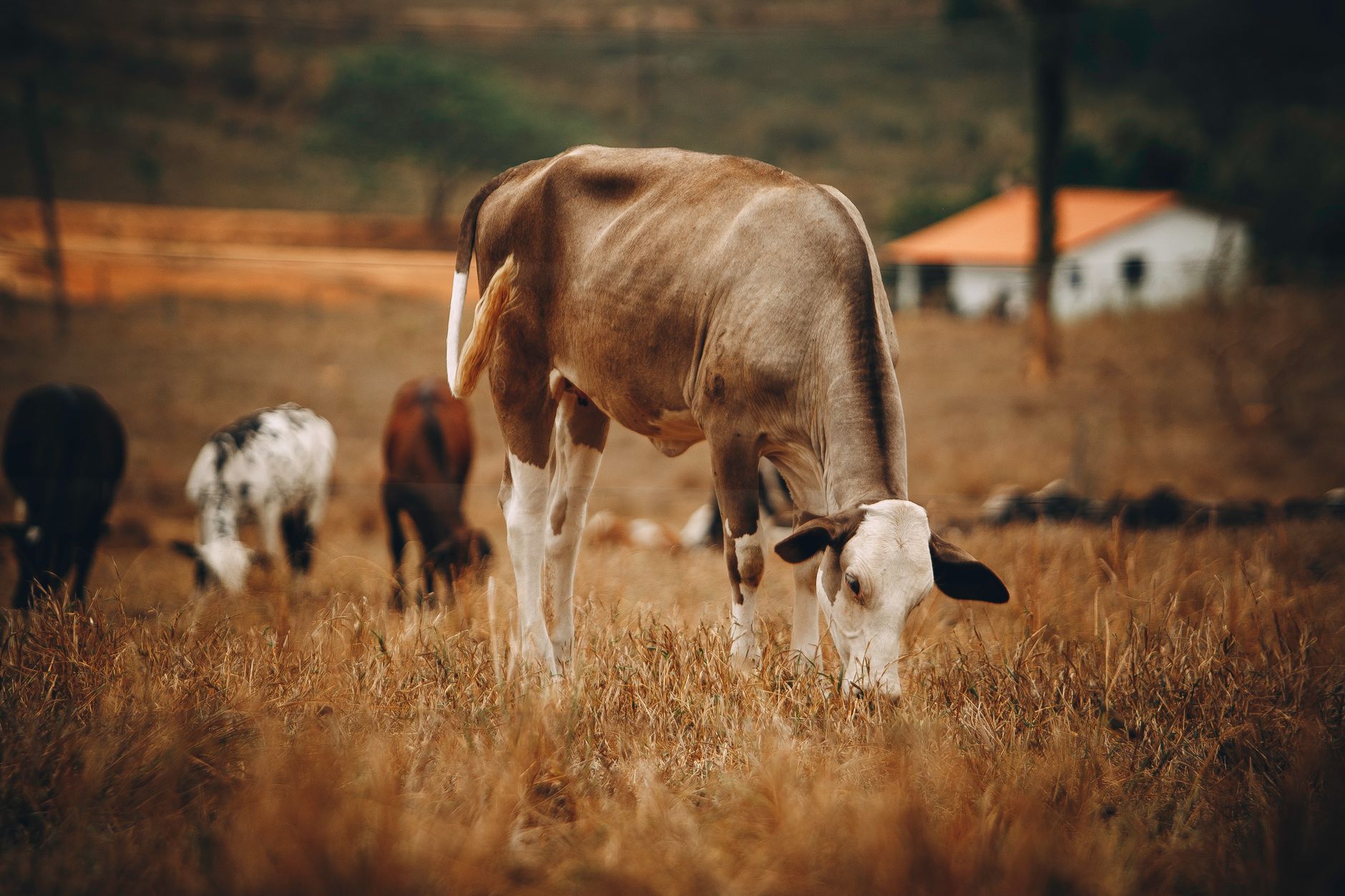
Every day, regardless of season, you need to do three things: check water, check animals, and check fences. This takes 30 to 60 minutes on a small farm.
- Water: Inspect all water lines, troughs, and drip irrigation. A leak can waste 100 gallons a day. Fix any issue immediately.
- Animals: Look for signs of illness or injury. Check feed and water levels. For poultry, collect eggs and note any drop in production.
- Fences: Walk the perimeter. Look for sagging wires, broken posts, or signs of digging predators. Repair before it becomes an escape.
Use a simple
 logbook or a notes app to record what you see. This helps spot trends early.
Weekly Tasks: Maintenance and Planning
Set aside one day a week for deeper work. This includes mowing, weeding, and equipment checks.
- Mowing: Keep grass and weeds down around buildings and fence lines. A walk-behind mower costs $400 to $800, or a brush hog for a tractor runs $1,500 to $3,000.
- Weeding: Hand-pull or hoe weeds in garden beds. Use a collinear hoe (about $40) for speed. Focus on young weeds before they seed.
- Equipment: Check oil, air filters, and tire pressure on tractors, mowers, and tillers. Grease fittings as per the manual. This prevents costly breakdowns.
- Planning: Review your task list for the coming week. Check weather forecasts and adjust planting or harvest schedules.
Seasonal Tasks: Spring, Summer, Fall, Winter
Each season has its own priorities. Here’s a breakdown for USDA zones 5 to 8, which covers a large part of the US.
Spring (March to May)
- Soil testing: Send a sample to your local extension office. Cost is $10 to $20. Adjust pH and nutrients based on results.
- Planting: Start cool-season crops like peas, lettuce, and spinach as soon as soil can be worked. Warm-season crops like tomatoes and peppers go out after the last frost date (check your zone).
- Fencing: Repair winter damage. Set new posts for rotational grazing if you have livestock.
- Tool maintenance: Sharpen blades, oil wooden handles, and replace worn parts.
Summer (June to August)
- Irrigation: Water deeply and less often to encourage deep roots. Drip irrigation saves water and reduces disease. A basic kit for a 100-foot bed costs $50 to $100.
- Weeding and mulching: Apply 2 to 3 inches of straw or wood chips to suppress weeds and retain moisture. Reapply as needed.
- Harvesting: Pick vegetables early in the morning for best quality. Store in a cool place or process immediately.
- Livestock: Provide shade and fresh water. Watch for heat stress. Fly control is essential; use traps or approved sprays.
Fall (September to November)
- Planting cover crops: Sow winter rye or clover to protect soil and add organic matter. Seed costs $2 to $4 per pound, and you’ll need about 2 pounds per 1,000 square feet.
- Harvest and storage: Bring in root crops like carrots and potatoes. Cure them properly before storing in a cool, dark place.
- Winterizing: Drain irrigation lines, store hoses, and cover sensitive plants with row cover or mulch.
- Equipment storage: Clean and service tools before putting them away. Drain fuel from small engines or add stabilizer.
Winter (December to February)
- Planning: Order seeds and supplies early. Popular varieties sell out by January.
- Pruning: Dormant pruning of fruit trees and berry bushes. Use sharp bypass pruners ($30 to $60).
- Repairs: Fix fences, buildings, and equipment indoors. This is a good time for big projects.
- Reading and learning: Take online courses or read books on soil health, animal husbandry, or farm business.
A Sample Weekly Schedule
Here’s a realistic schedule for a 1 to 5 acre homestead with a garden and a few animals:
| Day | Morning (1-2 hrs) | Afternoon (1-2 hrs) |
|---|---|---|
| Monday | Water, animals, fence check | Weeding in garden |
| Tuesday | Water, animals | Mowing or brush clearing |
| Wednesday | Water, animals | Equipment maintenance |
| Thursday | Water, animals | Harvest and processing |
| Friday | Water, animals | Repair projects |
| Saturday | Water, animals | Deep clean of barn or coop |
| Sunday | Water, animals | Rest or light planning |
Adjust based on your season and priorities. The key is consistency.
Tools You Actually Need
You don’t need a $50,000 tractor to start. Here’s a basic tool kit for under $500:
- Shovel ($25)
- Garden fork ($30)
- Hoe ($25)
- Bypass pruners ($35)
- Wheelbarrow ($100)
- Hose and nozzle ($40)
- Gloves ($15)
- Tool sharpener ($20)
- Five-gallon buckets ($15 for a set)
Add a rake, a hand trowel, and a watering can. As you expand, buy specialized tools only when needed.
FAQ
How many hours a day does farming take?
On a small homestead, expect 2 to 4 hours a day on average. More during planting and harvest, less in winter. Automation like drip irrigation and automatic feeders can save time.
What if I have a full-time job?
Focus on low-maintenance systems: perennials, drip irrigation, and hardy livestock like chickens or goats. Use weekends for heavy tasks and weekdays for quick checks. Consider hiring help for peak seasons.
What are the most profitable farm products?
In 2026, high-value crops include salad greens ($12 to $15 per pound at farmers markets), microgreens ($25 to $40 per pound), and pastured eggs ($5 to $8 per dozen). Livestock like sheep or goats can be profitable but require more land and time.
How do I know what to plant in my zone?
Check the USDA Plant Hardiness Zone Map online. Your local extension office provides specific planting calendars. Start with easy crops like tomatoes, zucchini, and green beans.
The Bottom Line
Farming is a series of small, consistent actions. Start with daily checks, add weekly maintenance, and plan seasonally. Use a simple schedule and a basic tool kit. You’ll learn by doing, and every mistake is a lesson. The most important thing is to show up every day and observe. That’s what farming is really about.
Now, pick one task from this list and do it today. That’s the best way to begin.