How to make a corn maze
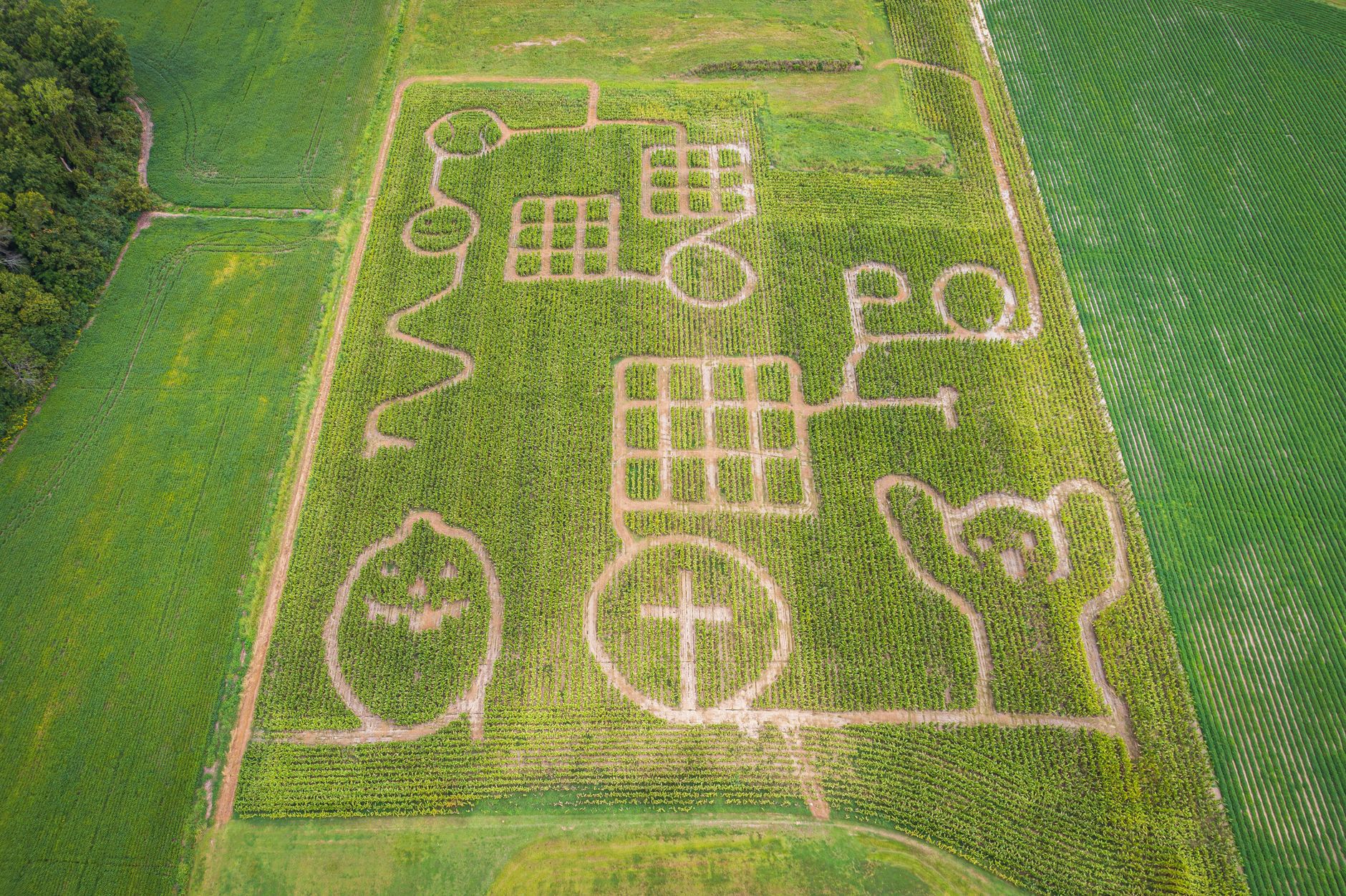
Learn how to plan, plant, and cut a corn maze on your farm or homestead, with real costs, varieties, and timelines for 2026.
Making a corn maze is a rewarding fall project that can draw visitors to your farm, but it takes planning and work. Start by choosing a field with good drainage and full sun, then plant a tall, sturdy corn variety in late spring. Cut the maze paths in late summer, and you will have a maze ready for October visitors. Here is the step-by-step process, with realistic numbers and tips from someone who has done it.
Planning your maze
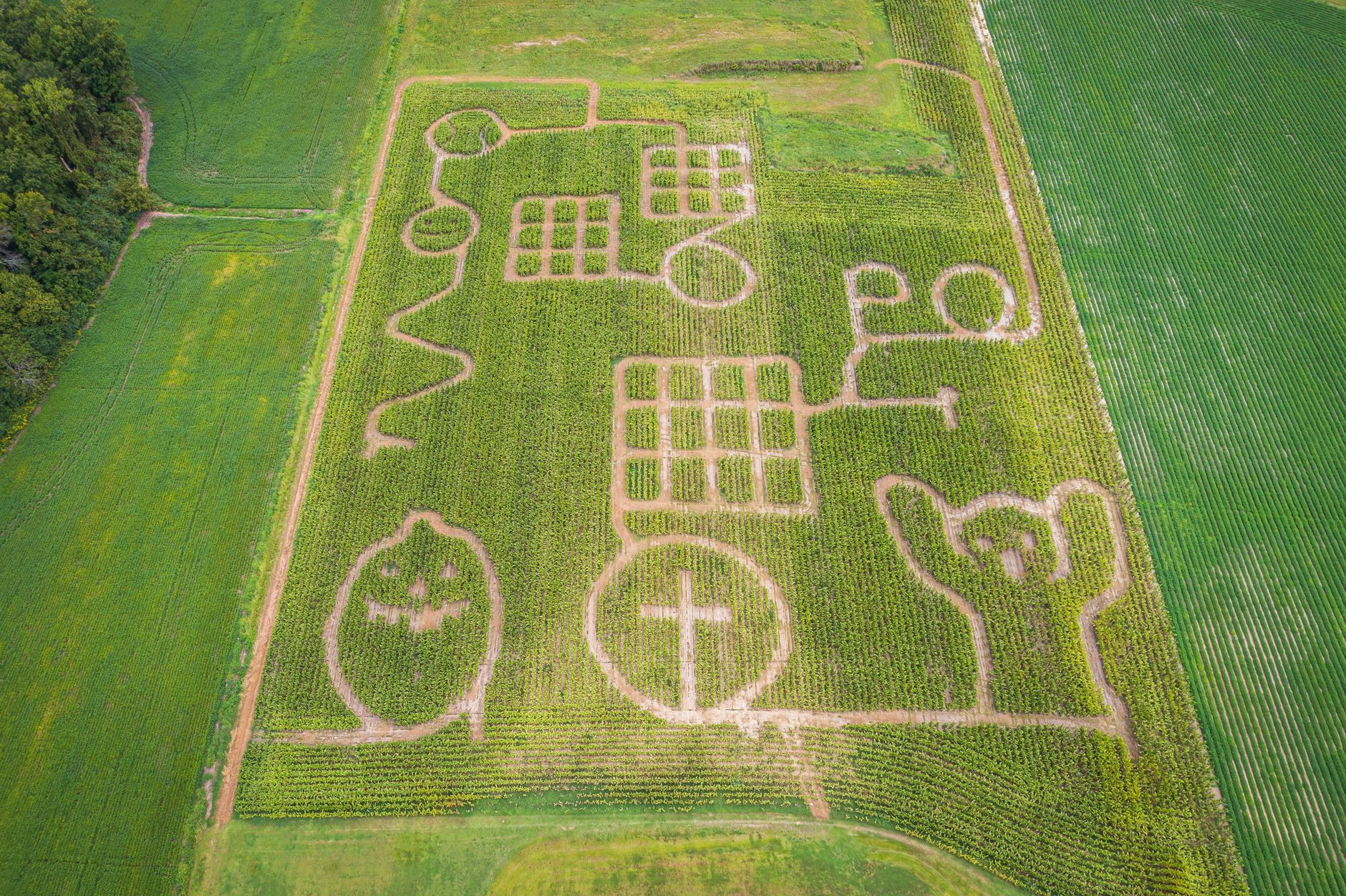
First, decide on the maze size and design. A simple maze for kids can be 100 by 100 feet, while a larger maze for paying customers might be 200 by 200 feet or more. The bigger the maze, the more corn you need and the more time to cut paths. For a first maze, start small: 100 by 100 feet is manageable and still fun.
Draw your design on graph paper or use a simple design software. Keep paths at least 3 feet wide so visitors can walk comfortably. Include dead ends and loops to make it challenging, but not so complex that it takes hours to solve. A good rul
 e is to have one entrance and one exit, with at least two or three decision points.
Choosing the right corn variety
Not all corn works for mazes. You need a tall, sturdy variety that can withstand wind and foot traffic. Field corn, not sweet corn, is the best choice. Popular varieties include:
- Pioneer P1197: A common field corn that grows 8 to 10 feet tall, with strong stalks. Seeds cost about $150 per 80,000 seeds, enough for about 2 acres.
- Dekalb DKC62-08: Another reliable field corn, similar height and strength. Price is comparable.
- Blue corn (e.g., Hopi Blue): Grows 7 to 9 feet, but stalks are thinner. Use only for small mazes in sheltered areas.
Avoid sweet corn varieties; they are shorter and weaker. For a 100 by 100 foot maze (about 0.23 acres), you will need about 15,000 seeds, which costs roughly $30 to $50. For a larger 200 by 200 foot maze (about 0.92 acres), plan on 60,000 seeds, costing $100 to $200.
Planting and growing
Plant corn after the last frost, when soil temperature is at least 50°F. In most of the US, that is mid-April to late May. Check your USDA zone:
- Zone 5: Plant late April to early May.
- Zone 6: Plant mid-April to early May.
- Zone 7: Plant early to mid-April.
Use a corn planter or a seed drill for even spacing. Plant seeds 1.5 to 2 inches deep, with 6 to 8 inches between seeds in the row, and 30 to 36 inches between rows. This gives about 25,000 to 30,000 plants per acre. For a 100 by 100 foot maze, you will have about 10 rows, each 100 feet long.
Fertilize with a balanced fertilizer like 10-10-10 at planting, at a rate of 300 pounds per acre. Side-dress with nitrogen when corn is knee-high, about 100 pounds of urea per acre. Water if rainfall is less than 1 inch per week. Corn needs about 20 inches of water during the growing season.
Weed control is critical. Use a pre-emergence herbicide like atrazine, or cultivate between rows. Weeds compete for nutrients and water, and they can make paths hard to see.
Cutting the maze
When corn is mature, usually 60 to 80 days after planting, it will be 8 to 10 feet tall. Cut the maze paths in late August or early September, before the corn dries out too much. Use a string trimmer with a heavy-duty blade, or a brush cutter for larger paths. For a 100 by 100 foot maze, cutting paths takes about 4 to 6 hours. For a larger maze, plan on a full day or more.
Mark the paths with flags or spray paint before cutting. Walk the design and place flags at each turn. Then cut the paths, making them 3 to 4 feet wide. Remove the cut corn stalks from the paths so visitors can walk easily.
Adding features and safety
To make your maze more attractive, add features like:
- Checkpoints: Place numbered flags or signs at decision points so visitors can find their way.
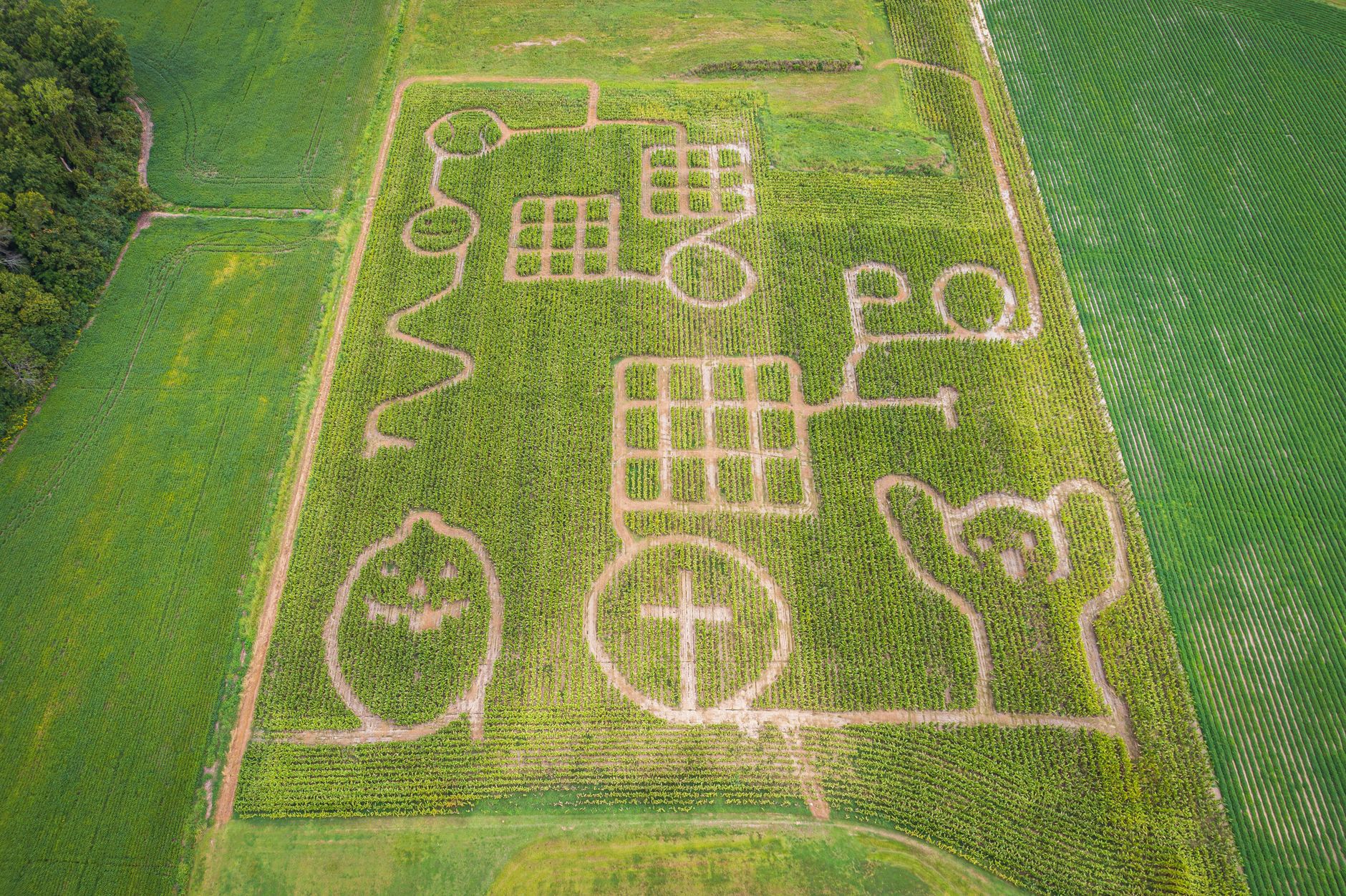
- Themes: Cut shapes like a pumpkin or a scarecrow into the maze, but this requires extra cutting time.
- Lighting: For evening hours, use solar path lights along the main paths. Cost: $20 to $50 per light.
Safety is important. Make sure paths are wide enough for emergency access. Have a map at the entrance and a phone number for help. Check the maze daily for holes or fallen stalks.
Pricing and marketing
If you charge admission, typical rates in 2026 are $8 to $12 per adult, $5 to $8 for children under 12, and free for under 3. For a small maze, you might attract 200 to 500 visitors in a season, earning $1,500 to $5,000. Larger mazes can earn more, but costs also rise.
Market your maze through local social media, a simple website, and signs on the road. Partner with local schools for field trips. Open weekends in October, and consider a pumpkin patch or hayride to increase revenue.
FAQ
How long does it take to grow a corn maze? From planting to cutting, about 90 to 110 days. Planting in late April to early May, cutting in late August, and opening in October.
Can I make a corn maze in a small garden? Yes, but it will be small. A 50 by 50 foot maze is possible, but it may not be worth the effort unless it is for personal use or a small event.
What if I don’t have a tractor? You can plant by hand using a jab planter, but it is labor-intensive. For a 100 by 100 foot maze, expect to spend 8 to 10 hours planting. Cutting can be done with a string trimmer.
How do I keep the maze from falling over? Choose sturdy varieties, plant at the right density, and avoid over-fertilizing with nitrogen, which makes stalks weak. Also, cut paths after the corn is fully mature.
The bottom line
A corn maze is a fun and profitable agritourism project if you plan carefully. Start small, choose a sturdy field corn, and cut paths in late summer. With a modest investment of $100 to $500 for seeds and supplies, you can create a maze that brings visitors to your farm in October. Remember, the key is preparation: plan your design, plant on time, and cut paths when the corn is tall but still green. Happy mazing!