How to farm in grow a garden
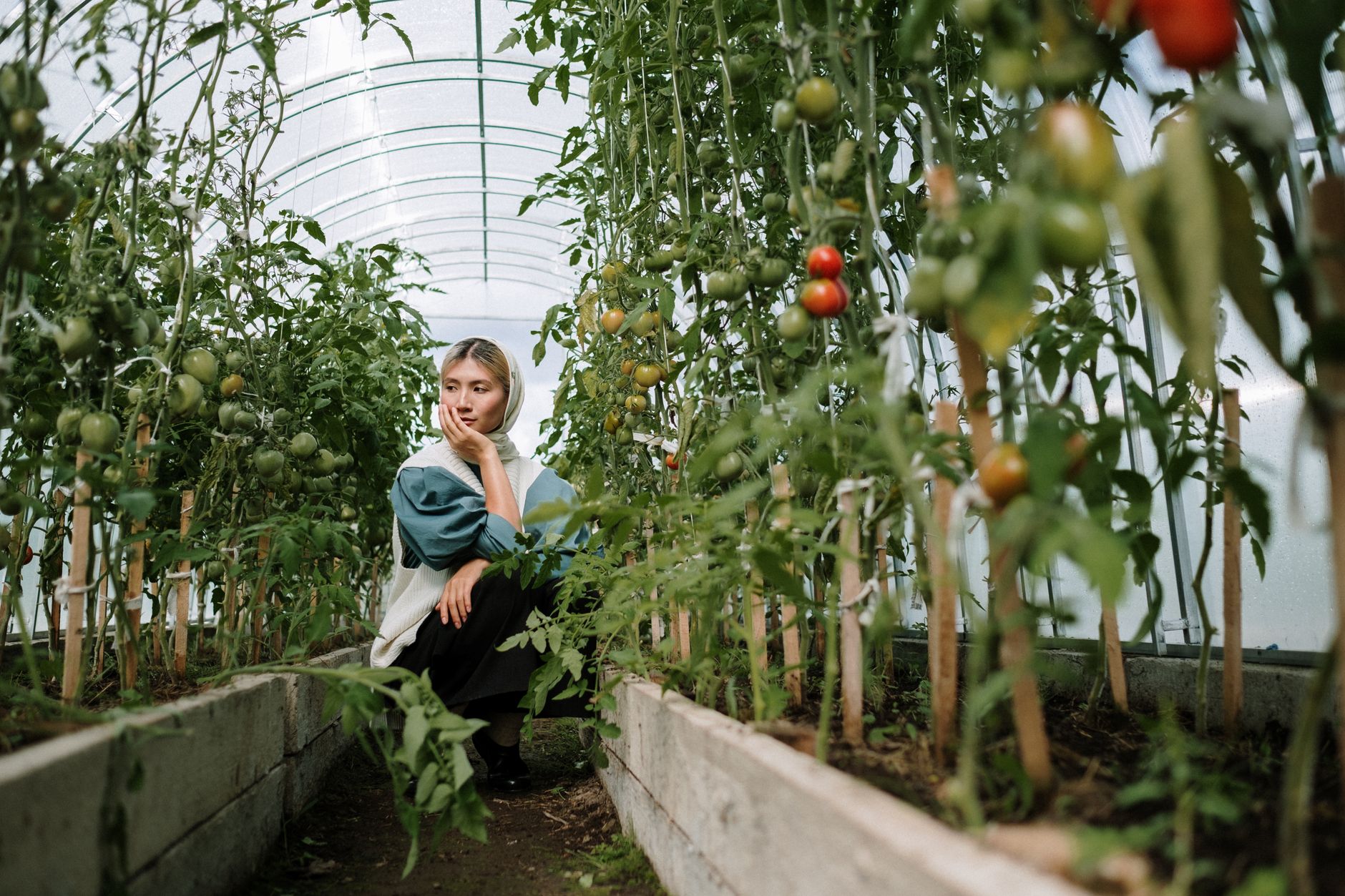
Learn practical steps to start a farm or grow a garden in 2026, from soil prep to harvest, with real varieties, tools, and costs.
Starting a farm or garden comes down to one thing: getting plants in the ground and keeping them alive. Whether you have a quarter-acre or a few raised beds, the same principles apply. In this guide, I’ll walk you through the essential steps, from soil testing to harvesting, with realistic numbers for 2026. No fluff, just what works.
Start with Soil
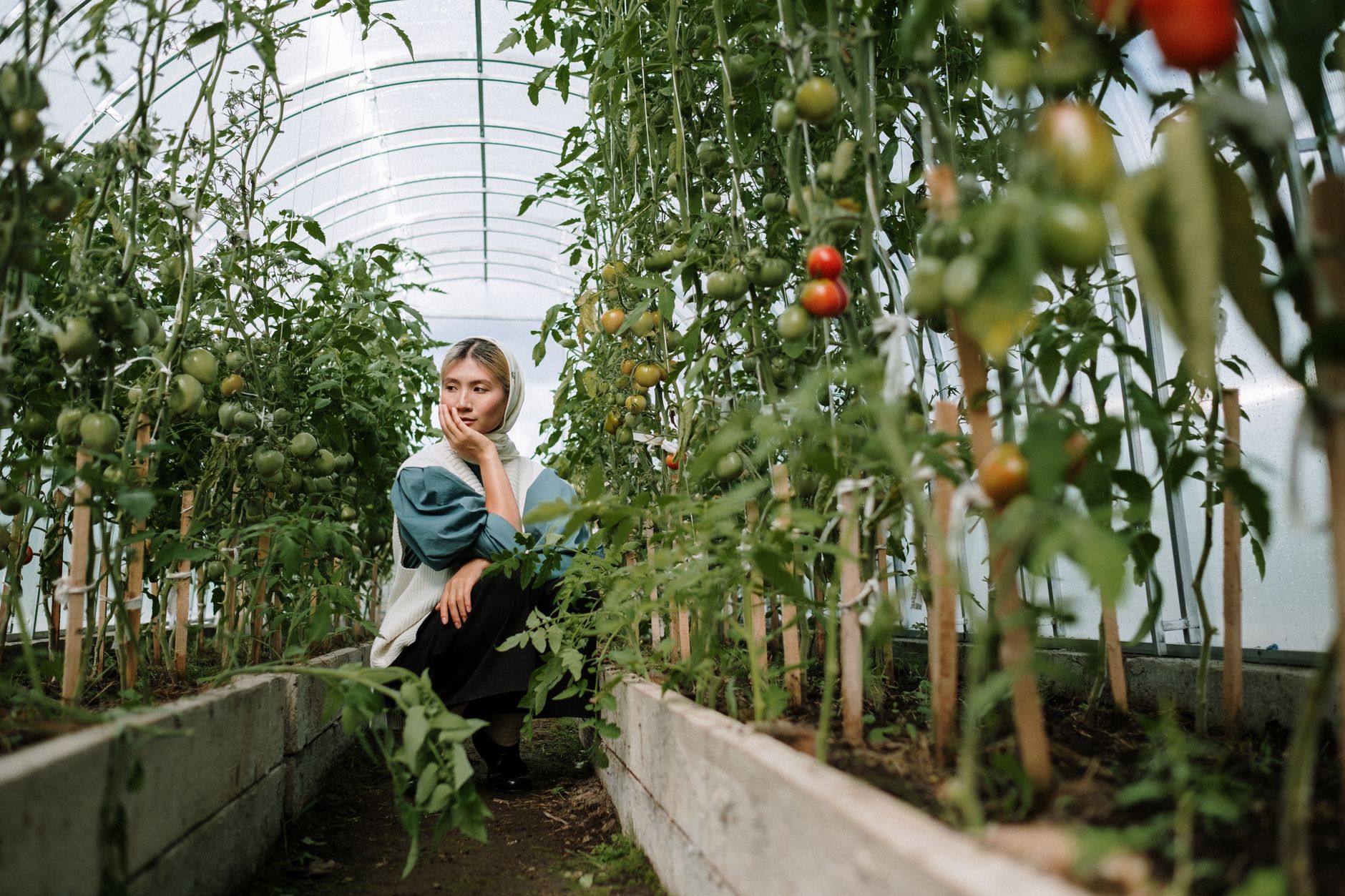
Your soil is the foundation. Before you plant anything, test it. A basic soil test from your local extension office costs $10 to $20 and tells you pH and nutrient levels. Most vegetables prefer a pH of 6.0 to 7.0. If your soil is off, amend it: lime raises pH, sulfur lowers it. Add 2 to 3 inches of compost to improve structure and fertility. For a 100 square foot bed, that’s about 1 cubic yard, which costs $30 to $50 delivered.
If you’re starting on sod, kill it first. Smother with cardboard and mulch in fall, or til
 l in spring. Tilling is faster but disrupts soil life; I prefer no-till for long-term health.
Choose Your Crops
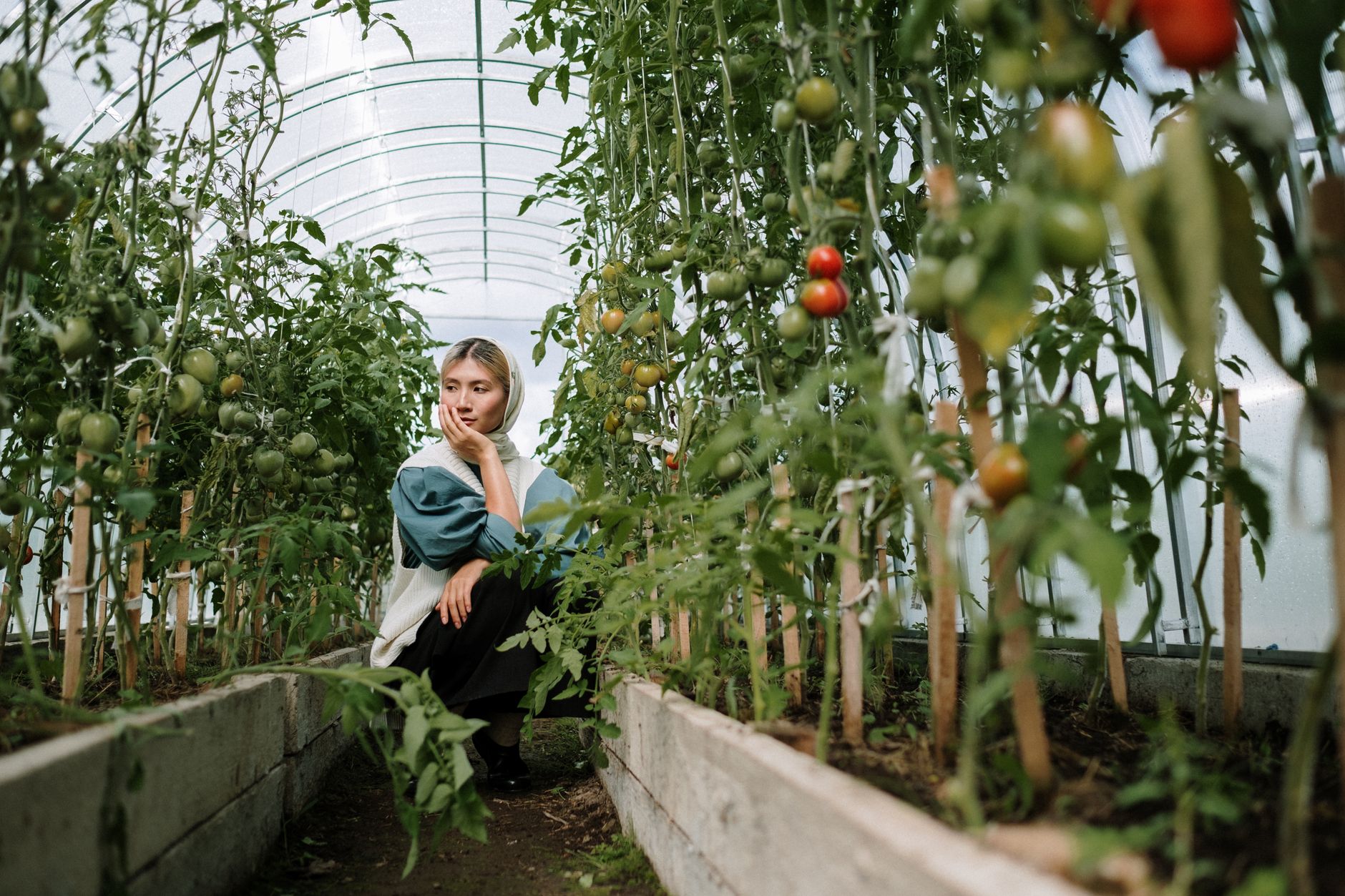
Grow what you eat and what grows well in your zone. For beginners, start with easy, high-value crops: tomatoes, zucchini, lettuce, and green beans. In 2026, a packet of seeds costs $2 to $5; transplants run $3 to $6 each. For a family of four, a 20 by 20 foot garden can yield 300 to 500 pounds of produce, saving $600 to $1,000 at grocery prices.
Here’s a quick planting guide for common crops (adjust for your last frost date):
| Crop | Planting Time (Zone 5-6) | Spacing | Depth | Days to Harvest |
|---|---|---|---|---|
| Tomatoes | After last frost (May) | 24-36 in | 1/4 in | 60-80 |
| Zucchini | After last frost | 24-36 in | 1 in | 45-55 |
| Lettuce | Early spring or fall | 6-12 in | 1/4 in | 30-50 |
| Green Beans | After last frost | 2-4 in | 1 in | 50-60 |
For varieties, try ‘Celebrity’ tomatoes (disease-resistant), ‘Black Beauty’ zucchini, ‘Buttercrunch’ lettuce, and ‘Provider’ beans. These are reliable and taste great.
Water and Weed
Consistent moisture is key. Most vegetables need 1 to 1.5 inches of water per week. A soaker hose or drip irrigation saves water and time; a basic kit for a 100 foot bed costs $30 to $50. Water in the morning to reduce evaporation and disease.
Weeds compete for nutrients and water. Mulch with straw or grass clippings (2 to 3 inches) to suppress them. Hand-pull weeds weekly; it takes 15 minutes a day for a small garden. For larger areas, a stirrup hoe ($25 to $40) makes quick work.
Fertilize and Protect
Feed your plants every 3 to 4 weeks with a balanced organic fertilizer like 4-4-4. A 20-pound bag costs $15 to $25. Side-dress at the base of plants, then water in.
Pests will come. Use row covers (floating fabric) to keep insects off; a 50-foot roll costs $15 to $20. For slugs, set out beer traps or diatomaceous earth. For diseases, choose resistant varieties and rotate crops each year.
Harvest and Store
Pick vegetables at peak ripeness. Tomatoes when fully colored, zucchini at 6 to 8 inches, lettuce before it bolts. Harvest in the morning for best flavor. Store root crops like carrots and beets in a cool, dark place; greens in the fridge.
If you have surplus, consider canning, freezing, or selling at a local market. A pressure canner costs $100 to $150; a vacuum sealer, $30 to $60.
Scale Up to a Farm
If you’re going beyond a garden, start small. In 2026, a quarter-acre market garden can gross $5,000 to $15,000 if you sell direct to restaurants or at farmers markets. You’ll need basic tools: a rototiller ($500 to $1,500), a walk-behind tractor ($2,000 to $4,000), and a good quality hoe ($30).
Plan your season: cool-season crops in spring and fall, warm-season in summer. Use succession planting to extend harvests. Keep records of what works and what doesn’t; that’s your best guide.
FAQ
How much does it cost to start a garden? For a 100 square foot bed, expect $50 to $100 for seeds, soil amendments, and tools. A larger farm setup can run $2,000 to $5,000 for equipment and initial inputs.
What if I have poor soil? Raised beds are a great option. Build a 4x8 foot bed with untreated lumber ($40 to $60) and fill with a mix of compost and topsoil ($50 to $80). You control the soil quality.
How do I know when to plant? Check your last frost date online (search ‘last frost date [your zip code]’). Plant cool-season crops 2 to 4 weeks before, warm-season after. Use a soil thermometer: soil should be 60°F for tomatoes.
Do I need to rotate crops? Yes. Rotating prevents soil-borne diseases and nutrient depletion. Move plant families to different beds each year. For example, don’t plant tomatoes in the same spot two years in a row.
The Bottom Line
Farming and gardening are about consistent effort, not perfection. Start small, learn from failures, and expand as you gain confidence. Test your soil, choose proven varieties, water and weed regularly, and you’ll be harvesting in a few months. The cost is modest, the rewards are real. Get your hands dirty and enjoy the process.