How to design a corn maze
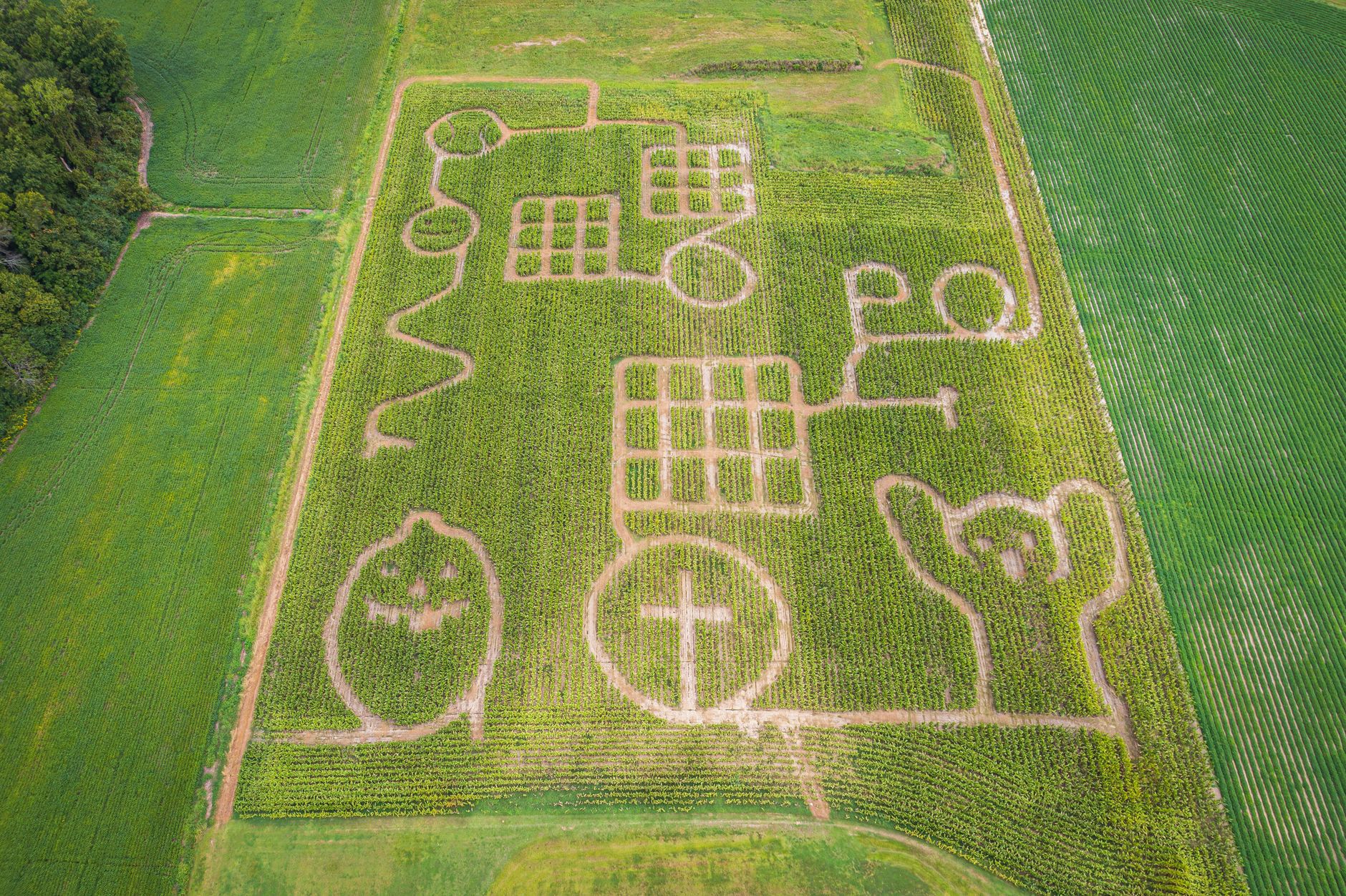
Learn how to design a corn maze for agritourism: layout, varieties, costs, and marketing tips for a profitable fall attraction.
Designing a corn maze starts with a clear goal: is it for family fun, a fundraiser, or a major agritourism draw? Your answer determines size, complexity, and budget. For a first maze, aim for 2 to 3 acres, which is manageable and profitable. This guide walks you through the design process, from choosing a field to cutting paths, with realistic costs and timelines for 2026.
Choose the right field and corn variety
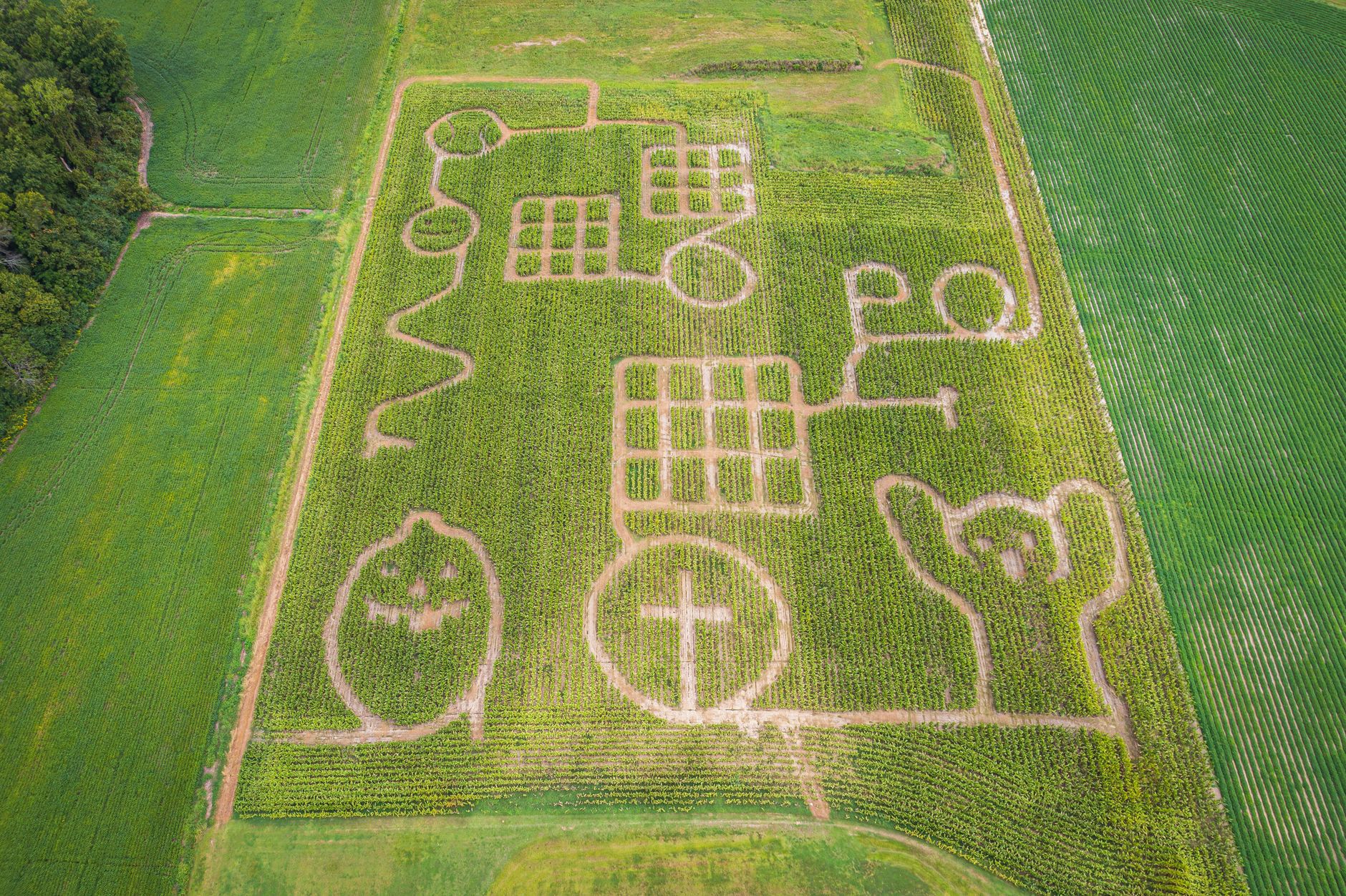
Your field must be relatively flat, well-drained, and visible from the road. Avoid low spots that flood after summer storms. For the corn, select a tall, sturdy field corn variety, not sweet corn. Field corn grows 8 to 10 feet tall and holds up better to foot traffic. Good choices include ‘Pioneer P1197’ or ‘Dekalb DKC62-08’, both widely available from seed dealers. Plant in mid-April to early May for most of the Midwest and Northeast (USDA zones 5-7). In w
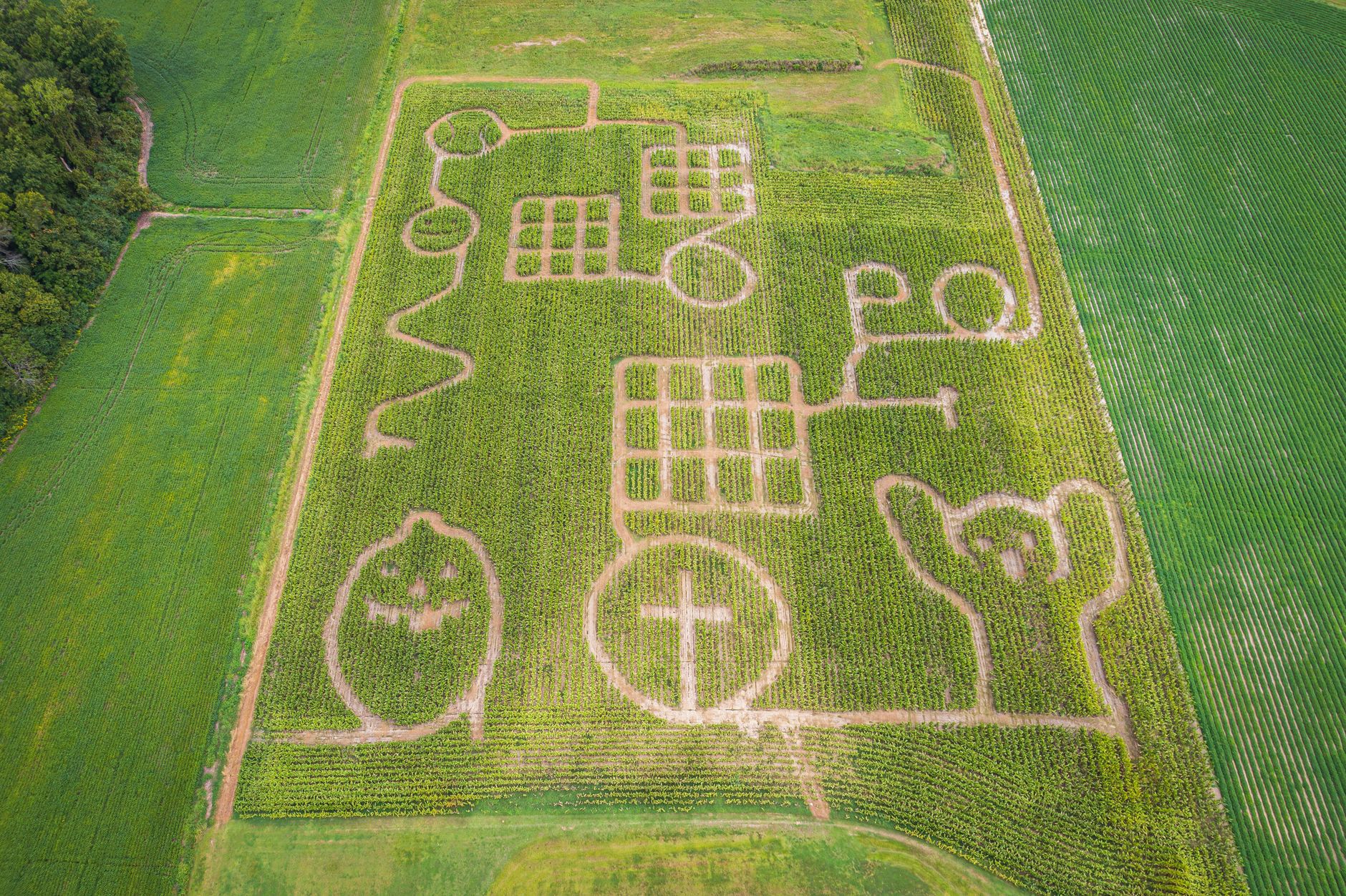 armer zones (8-9), plant in March. Seed cost runs $150 to $250 per acre for field corn.
Design the maze on paper first
Before planting, sketch your maze on graph paper or use design software like AutoCAD or a simple grid in Excel. Keep the design simple for your first year: a single path with a few dead ends and a central hub. Complex multi-loop mazes are harder to maintain and confusing for visitors. Aim for a path width of 3 feet, which is comfortable for walking and allows for emergency access. Leave a 10-foot perimeter around the maze for a path and to prevent visitors from cutting through the edge. Mark all entrances, exits, and emergency exits clearly on your map.
Planting and cutting the maze
Plant corn in rows 30 inches apart, which is standard for field corn. After the corn reaches 6 to 8 inches tall, you can mark the maze layout using flags or GPS. For cutting, use a string trimmer or a small tractor with a mower deck. A walk-behind trimmer works for small mazes; for larger ones, a riding mower with a 48-inch deck saves time. Cut paths when the corn is 2 to 3 feet tall, usually late June to early July. This timing allows the corn to recover and grow tall by fall. Cutting too early can stunt growth; cutting too late makes the paths hard to see.
Add features and navigation
To make the maze more than just a walk, add checkpoints with trivia questions, photo spots, or a scavenger hunt. Use colored flags or painted posts to mark checkpoints. For navigation, provide visitors with a map or a smartphone app that tracks their location. A simple paper map with a “you are here” marker works well. For safety, install emergency exits every 100 feet, marked with a different color flag. Also, create a central “hub” where paths converge, with a staff member stationed there during busy hours.
Budget and pricing for 2026
Here’s a realistic budget for a 2-acre maze:
| Item | Cost |
|---|---|
| Seed corn | $300 - $500 |
| Fertilizer and herbicide | $200 - $400 |
| Cutting and maintenance | $100 - $200 |
| Marketing (signs, flyers) | $200 - $500 |
| Insurance (liability) | $500 - $1,000 |
| Total | $1,300 - $2,600 |
Charge admission: $10 to $15 per adult, $8 to $12 for children under 12. A 2-acre maze can host 500 to 1,000 visitors per season, generating $5,000 to $15,000 in revenue. Add revenue with pumpkin sales, hayrides, or a small concession stand. Break-even is typically 200 to 300 visitors.
Marketing and operations
Start promoting your maze in August, using social media and local event listings. Create a simple website with hours, prices, and a map. Partner with local schools for field trips, which can fill weekday slots. On weekends, consider a “flashlight night” or a “haunted maze” in October to draw older crowds. Train staff on safety and customer service. Have a clear policy for lost visitors: staff should patrol the maze every 30 minutes.
FAQ
How long does it take to design and cut a maze?
Designing on paper takes 1 to 2 days. Cutting a 2-acre maze with a walk-behind trimmer takes 2 to 3 days; with a riding mower, 1 day.
Can I use sweet corn instead of field corn?
Sweet corn is shorter and less sturdy, so it’s not ideal. Field corn is cheaper and grows taller. Stick with field corn.
What if my corn doesn’t grow tall enough?
Plant early and ensure good soil fertility. If a drought hits, irrigate if possible. If the corn is stunted, you can still cut a maze, but paths will be less enclosed. Consider adding temporary fencing or hay bales to define paths.
Do I need a permit to open a corn maze?
Check local zoning and business regulations. Most rural areas require a simple business license and liability insurance. Some states have agritourism laws that limit liability, but you should still carry insurance.
The bottom line
Designing a corn maze is a rewarding project that can turn a simple field into a profitable fall attraction. Start small, plan on paper, and cut paths in early summer. With a budget of $1,300 to $2,600 and admission fees of $10 to $15, you can break even with just a few hundred visitors. Focus on a simple design, safe navigation, and a fun experience for families. If you’re new to agritourism, a corn maze is a low-cost entry point with high potential. Get your design ready now, and you’ll be ready to plant in spring.